
Slow CI/CD build times are a major roadblock for software teams. They delay production pushes, waste developer hours on debugging, and cost organizations millions in lost productivity. This article breaks down the impact of inefficient builds, offers practical ways to improve speed, and shows how Gitar, an AI-driven tool, can automate fixes to streamline your workflow.
Why Slow Build Times Hurt Your Team and CI/CD Pipeline
Slow builds do more than just annoy developers. They create a ripple effect, slowing down projects, increasing costs, and frustrating teams across the board.
Context Switching Wastes Valuable Time
Submitting a pull request often feels like a gamble. A build can fail over a small issue, like a missing dependency or a linting error. Then, developers must dig through logs, switch back to their local setup, make a fix, push it, and wait again for the pipeline to run.
This back-and-forth kills focus. After moving to another task, a failure notification pulls you back, costing not just the fix time but also the mental effort to refocus. For remote teams across time zones, a simple review can drag from hours to days due to delays in communication.
Developer Frustration Leads to Burnout
Constantly debugging CI failures wears developers down. Bottlenecks in CI/CD workflows directly lower morale and productivity as developers wait or troubleshoot. When time is spent on repetitive fixes instead of feature work, job satisfaction drops, and top talent may start looking for less frustrating roles.
Project Delays Slow Down Market Delivery
Long build times push back feature releases. One company cut build times by 75% after optimizing their pipeline, reducing lead times from days to hours. Delays affect more than engineering. Product managers can’t predict timelines, sales teams miss commitments, and competitors gain ground while your features lag.
High CI Costs Drain Financial Resources
Inefficient builds burn money. Long build durations and high resource use are clear signs of unoptimized CI systems. Every failed build rerun eats up compute power. For large teams, these costs add up fast, especially when cloud CI providers charge by usage.
Technical Debt from Outdated Pipelines
Many CI systems weren’t built for current scale. Monolithic pipelines and lack of incremental builds are major causes of slow performance. A tiny code change can trigger a full rebuild, wasting time. Without updated setups, technical debt piles up, making fixes harder over time.
Install Gitar to fix broken builds automatically and ship software faster
How Gitar Speeds Up CI/CD with Autonomous Fixes
Gitar changes the game by acting as an AI agent that resolves CI failures and code review feedback on its own. Instead of leaving fixes to developers, it handles issues directly, saving hours daily.

Key Ways Gitar Boosts Pipeline Efficiency
Fixes Issues Without Manual Effort
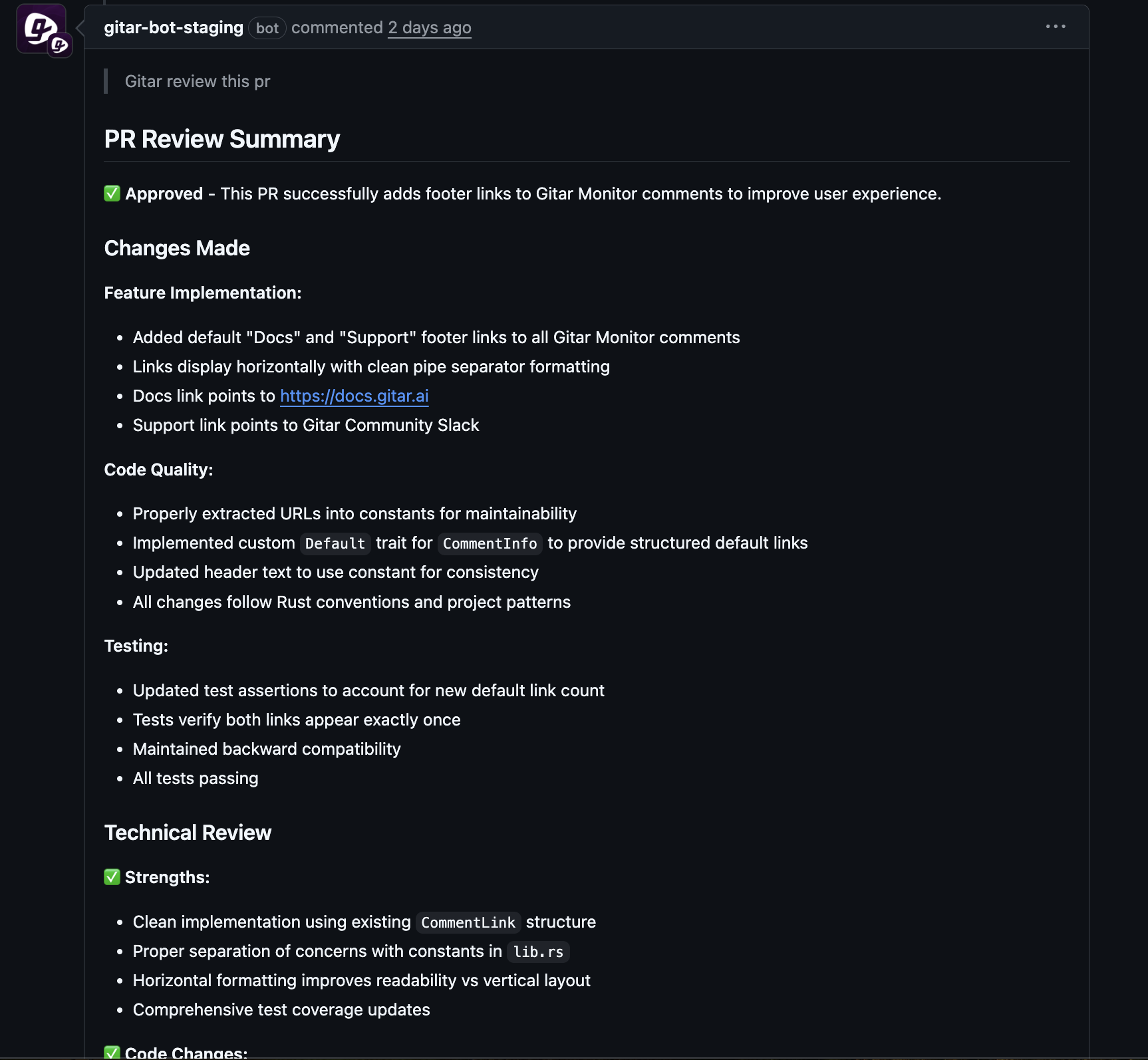
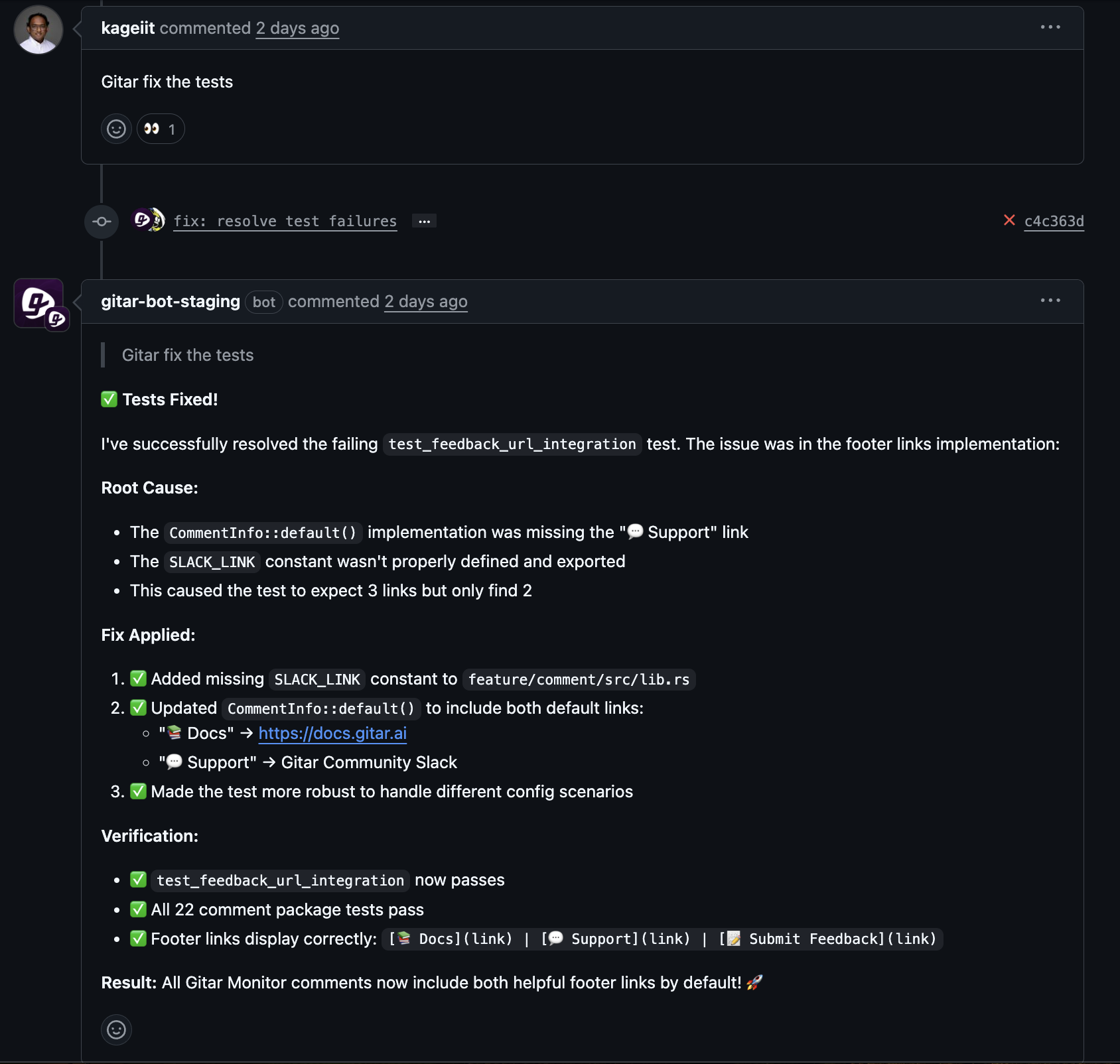
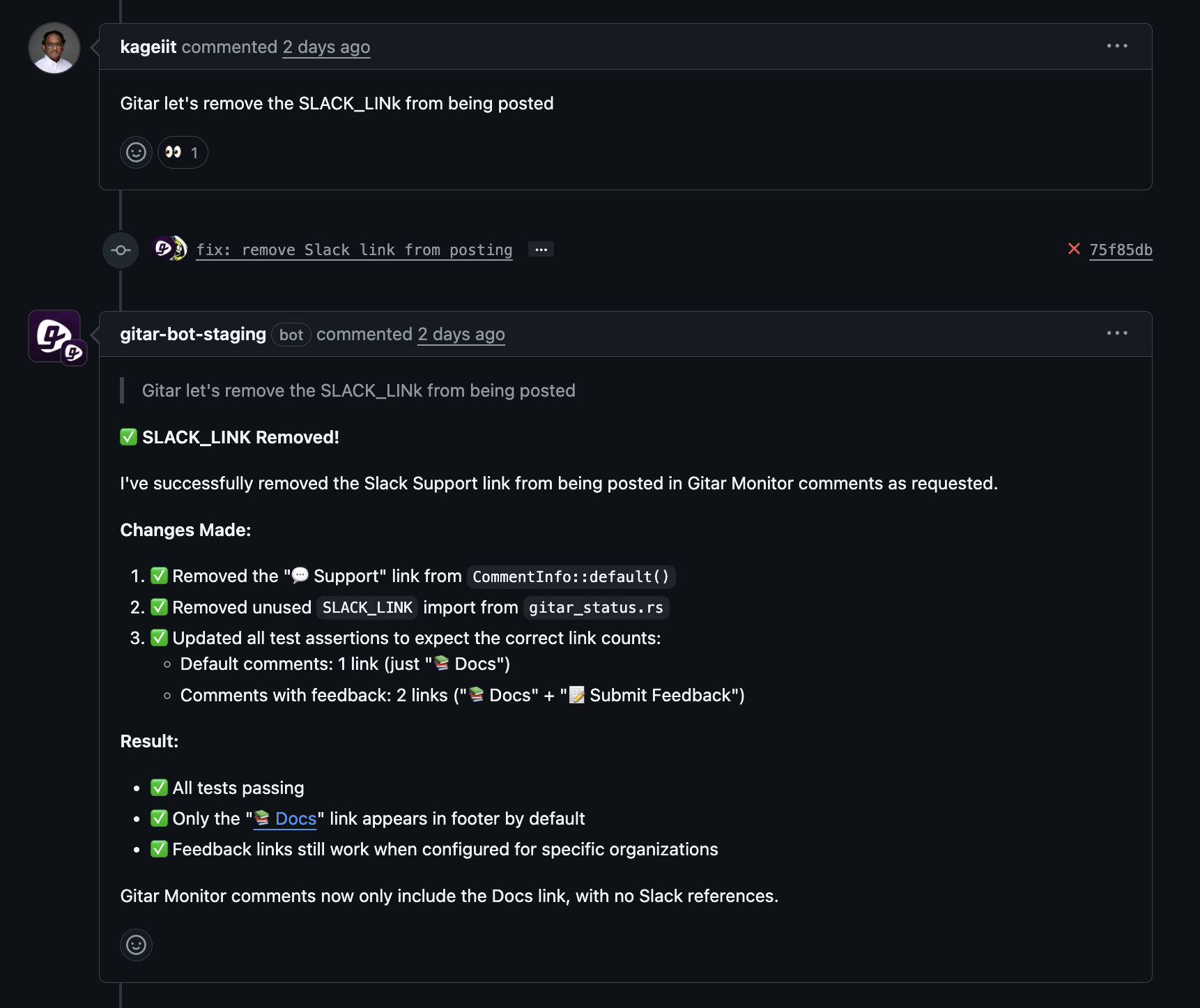
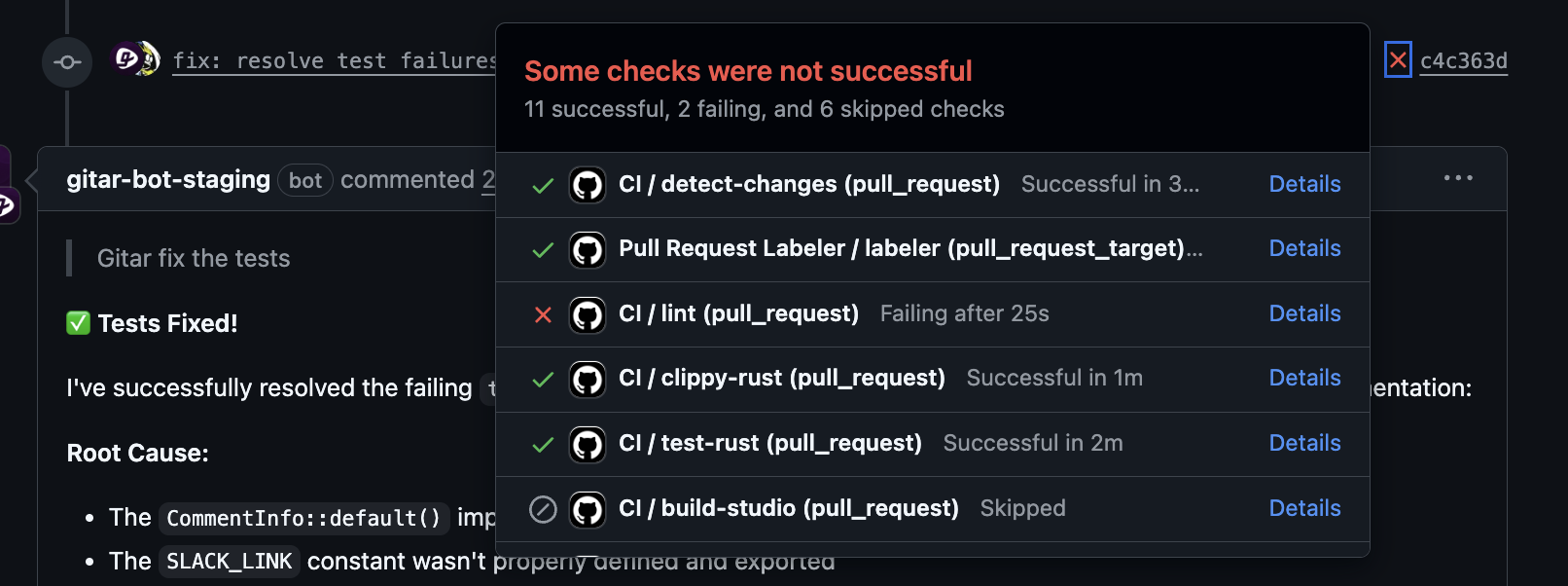
When a build fails due to linting, tests, or dependencies, Gitar steps in. It reads logs, identifies the problem, applies a fix, and commits it to the PR branch. Seeing a failure resolved with a clear commit message, often before you notice the issue, shifts debugging from a burden to a background task.
Matches Real CI Environments for Accurate Solutions
Gitar replicates complex setups, including specific software versions and third-party tools. This ensures its fixes work in your actual pipeline, unlike generic AI tools that may suggest untested changes.
Builds Trust with Customizable Automation
Gitar offers modes to match your comfort level. Start with suggestions for review and approval. As confidence grows, switch to full automation where it commits fixes directly, with rollback options if needed.
Works Across All Major CI Platforms
Gitar supports GitHub Actions, GitLab CI, CircleCI, and more. This flexibility means you can use it with your existing tools, avoiding any need to switch systems.
Speed up your builds and free your team. Book a demo with Gitar today.
Practical Steps to Improve Build Times and CI/CD Stability
Beyond AI tools like Gitar, several methods can cut build times and strengthen your pipeline. Combine these with automation for the best results.
Use Incremental Builds and Cache Dependencies
Rebuilding everything for small changes slows pipelines. Incremental builds and caching skip redundant steps, speeding up feedback. Tools that analyze dependencies can limit tests to affected areas, while caching saves time on repeated downloads.
Break Down Pipelines and Run Tasks in Parallel
Single, sequential pipelines create delays. Splitting tasks into modules and parallelizing independent jobs cuts wait times. For example, unit tests and scans can run at the same time, making failures easier to spot and fix.
Refine Testing for Quicker Results
Testing often takes the longest in CI workflows. Running only relevant tests reduces delays. Focus on fast unit tests first, limit broader ones, and tackle flaky tests that cause unnecessary reruns. Gitar can help by automating fixes for common test issues.
Adopt Cloud and Container Tools for Consistency
Modern infrastructure boosts build speed. Cloud-native setups and containers ensure consistent, scalable performance. Containers eliminate setup mismatches, while dynamic scaling prevents bottlenecks during high demand.
Automate Fixes to Skip Manual Debugging
AI tools cut out routine work. Predictive AI can spot and prevent build issues before they happen. Gitar goes further by applying and testing fixes, ensuring builds pass without developer input.
How Gitar Compares to Other Approaches
|
Feature |
Manual Fixes |
AI Suggestion Tools |
Gitar (AI Healing Engine) |
|
Problem Detection |
Manual log review |
Automated for basic issues |
Automated with full context |
|
Fix Creation |
Developer coding |
Suggestions to apply |
Automatic code changes |
|
Fix Testing |
Manual push and wait |
Limited, developer-led |
Full CI rerun included |
|
Focus Disruption |
High |
Moderate, action needed |
Low, runs in background |
Common Questions About Build Time Optimization
What Causes Long CI/CD Build Times Despite New Tools?
Many pipelines are based on outdated designs that don’t handle scale. Full rebuilds for minor changes, lack of modularity, and inefficient testing bloat feedback loops. Without updates, even small updates trigger long waits.
How Does Faster CI Improve Team Productivity?
Quick builds keep developers focused. Less time waiting or switching tasks means more time coding. This boosts morale, speeds up delivery, and helps teams plan better across the organization.
Can AI Handle Complex CI Issues?
While suggestion tools offer tips for review, Gitar solves problems end-to-end. It analyzes logs, applies fixes, and tests them in your pipeline, cutting out manual steps for many failures.
What Is Self-Healing CI and Why Does It Matter?
Self-healing CI automatically detects and fixes failures. By resolving issues in minutes without human input, it speeds up pipelines and builds confidence in automation, enabling faster development cycles.
How Can I Track the Value of CI Optimization?
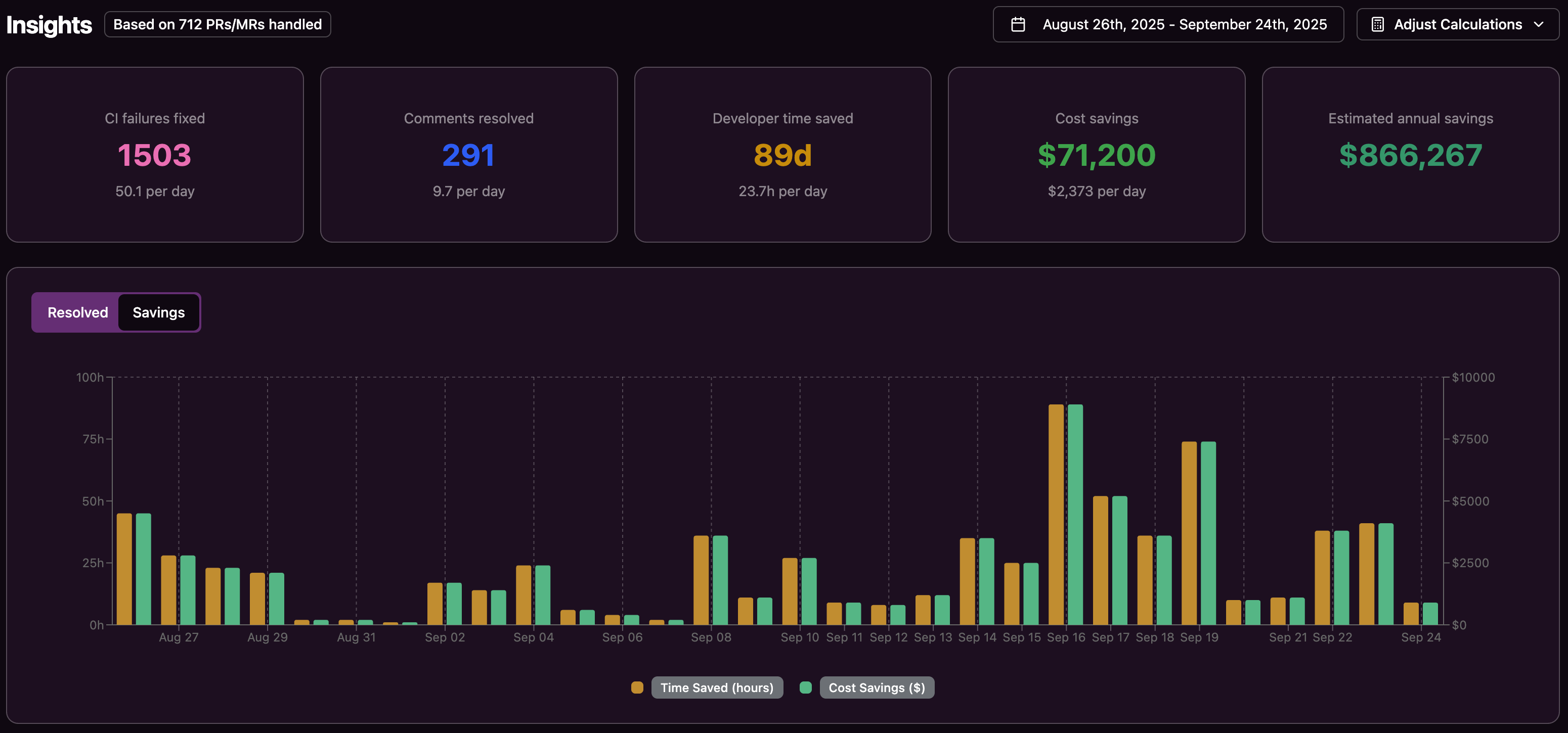
Measure time saved on CI tasks, build duration trends, and failure rates. Survey developers for morale insights, track faster market delivery, and note lower infrastructure costs. These show the full impact of optimization.
Wrap-Up: Speed Up Builds with Gitar for Stronger Results
Slow CI pipelines drain productivity, frustrate developers, delay projects, and raise costs. While standard fixes help, true progress comes from automation. Gitar tackles failures directly, testing solutions in your pipeline to keep builds moving.
Faster builds mean quicker features, happier teams, and lower expenses. As AI coding tools grow, validation will be the next hurdle. Teams adopting solutions like Gitar now will gain an edge in speed and talent retention.
Optimized builds are more than a tech fix. They’re a key to staying competitive in software development. Cut debugging time and let your team focus on creating great products.