
Manual code formatting, even with AI suggestions, often leads to productivity loss and delays in software projects. This article explores a new approach using autonomous AI agents to enforce style guides and fix issues automatically. Learn how Gitar creates a self-healing environment for code formatting, maintaining consistent quality while freeing developers to focus on more impactful tasks.
Why Manual Code Formatting Hurts Productivity
Context-Switching Costs Slow Down Development
Developers frequently face interruptions when a pull request fails due to formatting issues. A simple problem, like inconsistent indentation or missing semicolons, can turn into a time-consuming task. You switch back to your local environment, decode error messages, apply fixes, commit changes, and wait for the CI pipeline to rerun.
These interruptions carry a high cost. For a team of 20 developers, context-switching due to style issues results in significant productivity loss, amounting to roughly $1 million in lost time each year. As AI tools like GitHub Copilot speed up code creation, the increase in pull requests also means more style violations and CI failures that require manual fixes.
Even with AI suggestions, developers must still apply changes, test them locally, and push updates. This process often fails because local setups don’t match the complex dependencies and configurations of enterprise CI pipelines.
The mental toll adds up too. Constantly stopping important work to fix minor formatting issues breaks focus, increases frustration, and can lead to burnout over time.
Inconsistent Code Creates Ongoing Challenges
Enforcing style guides becomes harder with legacy code and configuration drift. Issues like outdated code patterns, conflicting rules, and tool misalignments create friction, especially for new team members or external contributors.
Older code often follows outdated formatting, leading to mixed styles in the same project. New developers struggle to decide whether to match existing patterns or follow current guides, which sparks debates during reviews.
Configuration drift makes things worse. When teams update tools or rules, settings across projects can fall out of sync. A fix that works in one repository might fail in another due to differing linting rules, creating ongoing maintenance headaches.
Resolving these inconsistencies manually takes serious effort. Large cleanup commits often disrupt git history and cause merge conflicts. Without automation, inconsistencies creep back as developers apply rules differently or use outdated setups.
How Self-Healing Code Formatting Solves These Issues
Autonomous AI Agents Take Action
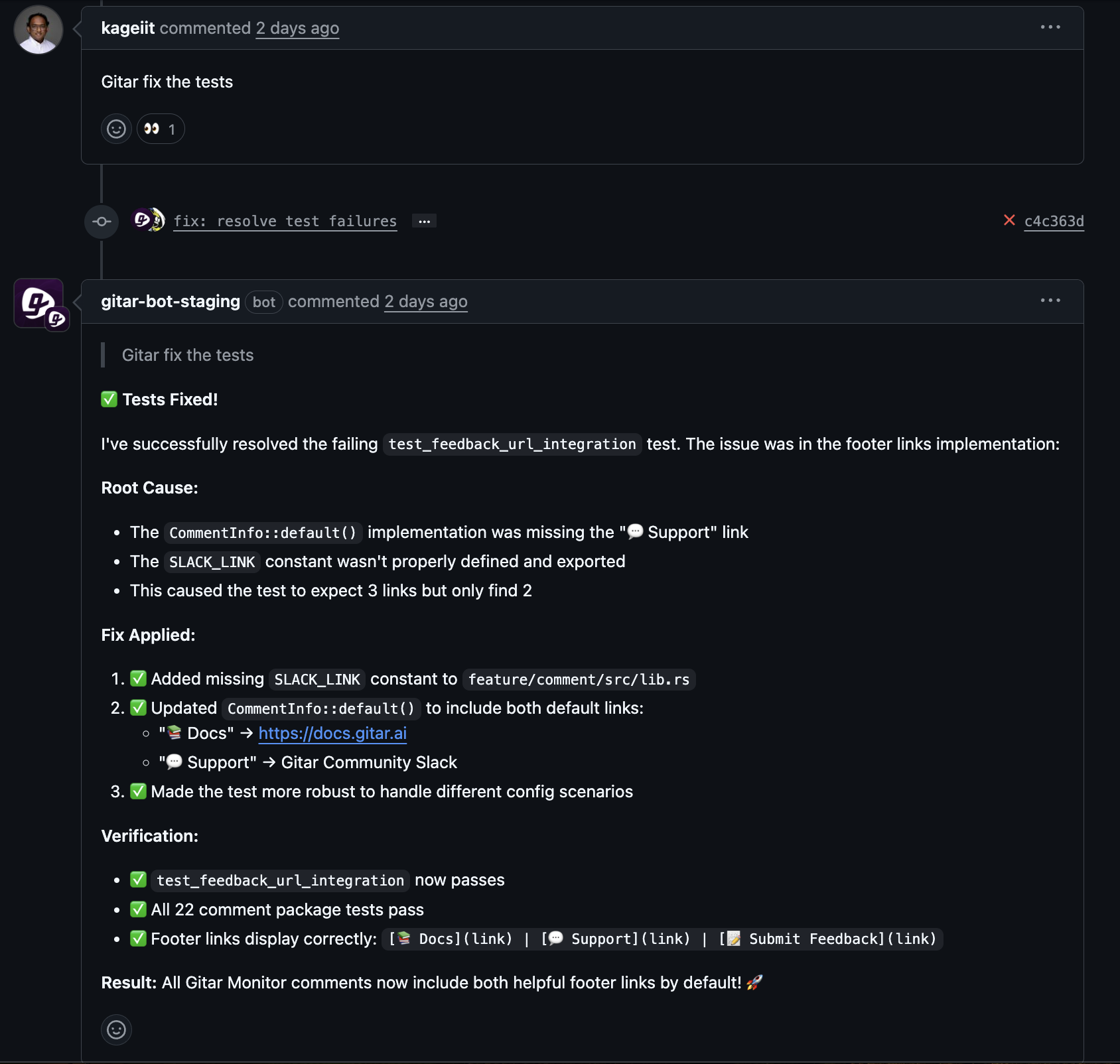
Moving from manual fixes to automated suggestions was a step forward, but it didn’t fully solve the problem of implementation. Autonomous AI agents now go further by identifying issues, applying fixes, validating them, and committing changes without developer input.
These agents understand style feedback within the full context of your CI environment. They account for specific SDK versions, dependencies, and build setups. When a linter flags an issue, the agent analyzes the error, creates a fix, applies it, and confirms the solution works without causing new issues.
This shifts style enforcement from a manual burden to an automated process. The system monitors for problems and resolves them quickly, maintaining a self-healing codebase with no human effort required.
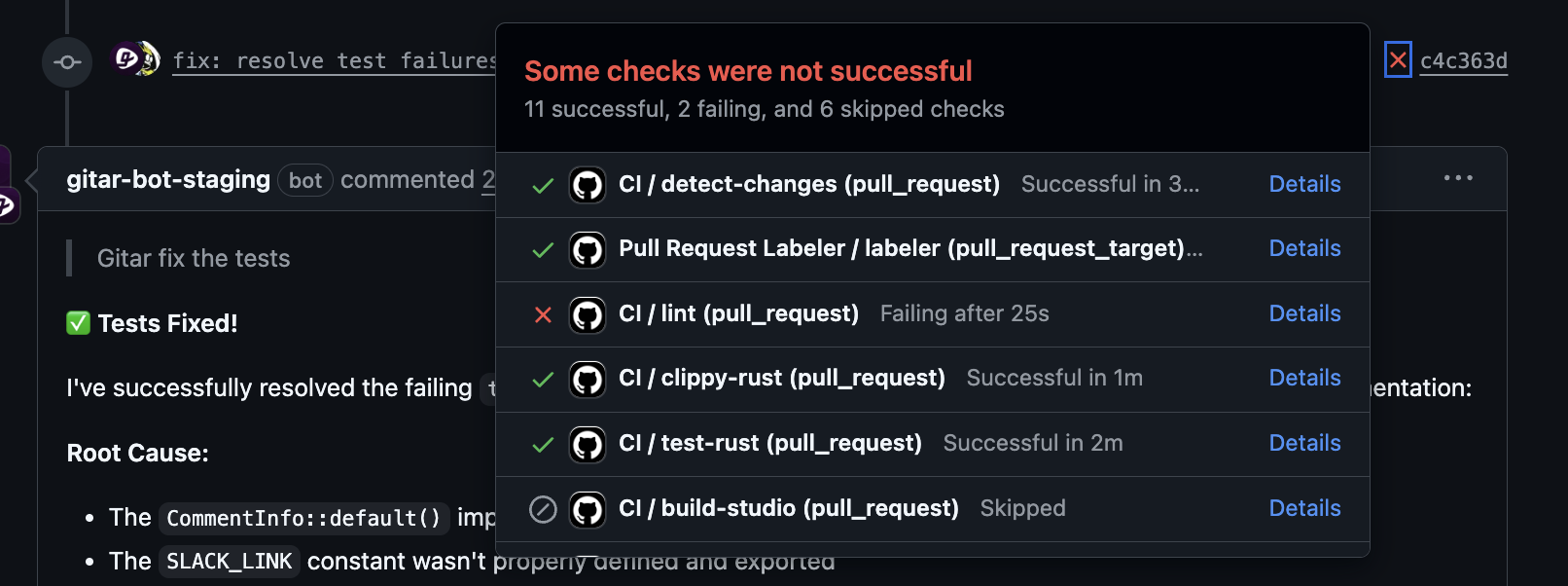
Validation sets these agents apart. Unlike suggestion tools, autonomous agents rerun the full CI pipeline after fixes, ensuring they resolve the issue and pass all related checks, from tests to security scans.
Key Gains from Automated Enforcement
Automated style enforcement offers clear advantages. It cuts down the time between spotting an issue and fixing it, often resolving problems within minutes of a CI failure.
Consistency improves significantly. Machine-driven formatting ensures uniform application of rules, no matter who wrote the code or when the issue arose.
Developers also stay focused. They can keep working on new features while the system handles style fixes in the background, only receiving updates once changes are complete. This protects their workflow and boosts satisfaction.
Scalability is another benefit. As teams grow or spread across time zones, the system maintains consistent standards without extra training or coordination, allowing new members to contribute right away.
Ready to stop manual formatting delays? Install Gitar now to fix broken builds and ship better software faster.
Meet Gitar: Your Tool for Automated Style Fixes
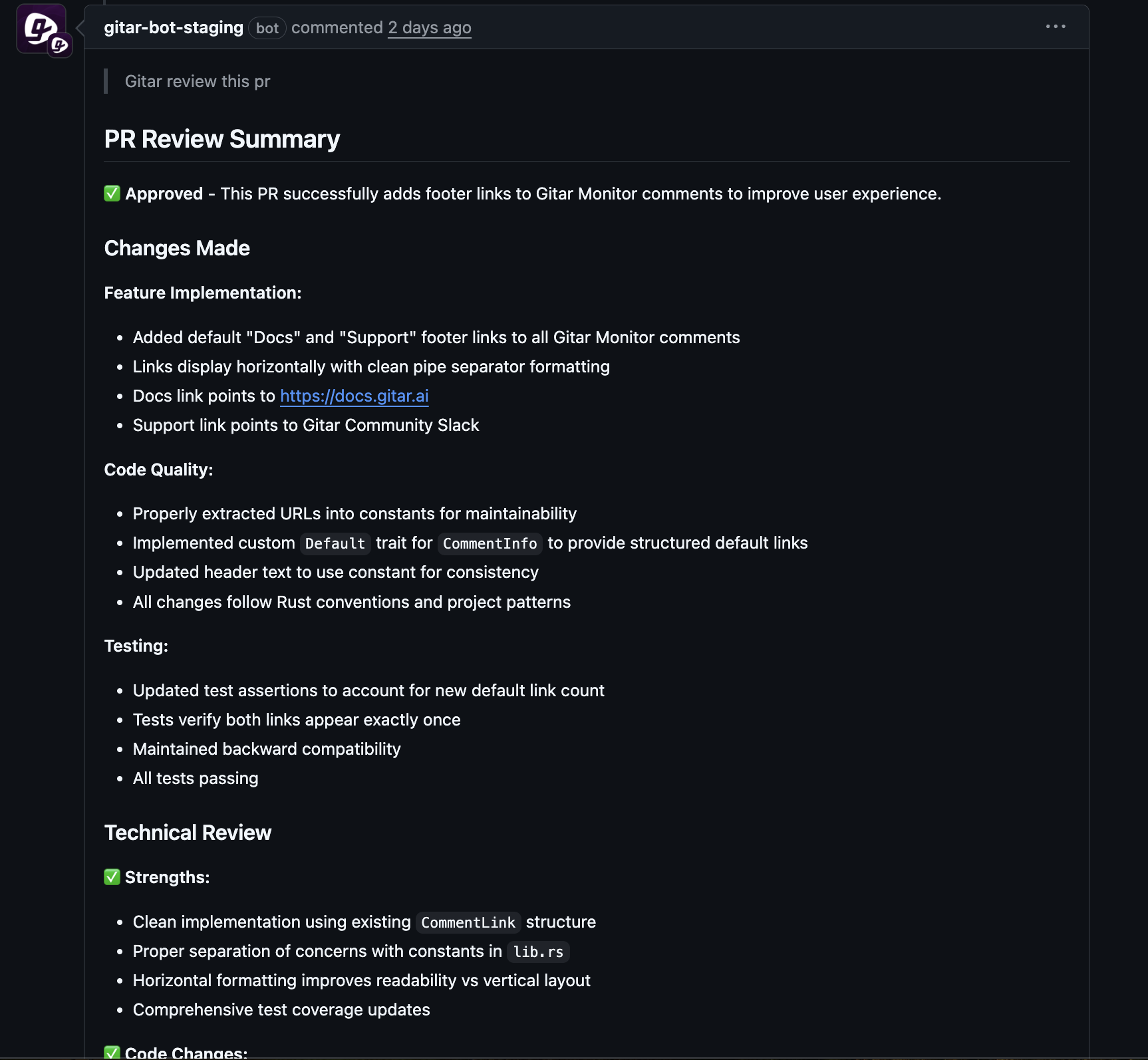
Gitar offers a complete solution for self-healing code formatting and CI issue resolution. Unlike tools that only suggest fixes, Gitar acts as an autonomous agent to identify problems, apply solutions, validate them, and commit changes to your pull requests. This streamlines debugging and keeps your development process moving.

Here’s what Gitar brings to your team:
- Full Fix Automation: Gitar applies and validates style fixes for tools like ESLint, Prettier, or Black, ensuring issues are resolved without creating new ones.
- Environment Matching: It replicates your CI setup, including SDK versions and dependencies, so fixes work in your actual pipeline.
- Flexible Trust Settings: Start with suggested fixes for approval, then move to fully automated commits as confidence grows.
- Wide CI Compatibility: Gitar works with GitHub Actions, GitLab CI, CircleCI, BuildKite, and more, fitting into any infrastructure.
- Smart Review Support: Gitar responds to reviewer comments, making style changes directly and reducing back-and-forth in reviews.
Want to see it in action? Book a demo with Gitar today.
Benefits of Automated Code Style for Your Team
Increase Developer Focus by Removing Formatting Tasks
Eliminating manual style fixes saves more than just debugging time. Gitar removes the mental overhead of switching tasks due to CI failures, letting developers stay focused on solving complex problems.
In a typical scenario, a developer pushes a pull request and moves to the next task, only to get pulled back by a failure notification. Even a quick fix disrupts workflow for up to an hour due to lost focus. For a team of 20, this adds up to about $1 million in lost productivity yearly. Gitar handles these issues automatically, keeping developers uninterrupted.
The mental relief is just as valuable. Knowing style issues will be fixed without effort lets developers code with confidence, focusing on logic and design instead of minor rules.
Maintain Consistent Style Across All Projects
Keeping code style uniform across large or distributed teams is tough with manual methods. Tool drift and collaboration challenges often lead to uneven formatting, impacting quality and efficiency.
Gitar provides centralized automation that enforces rules consistently across all repositories. This prevents discrepancies from tool misconfigurations or setup differences, no matter the team size or location.
For distributed teams, Gitar ensures style issues don’t slow down work. A developer in one time zone can push code, and by the time a teammate elsewhere starts, fixes are already applied. New hires also benefit, contributing immediately without needing to learn detailed formatting rules.
Speed Up Merges by Clearing CI Bottlenecks
AI-driven code generation has sped up writing, but manual review and CI checks still create delays. Style failures often slow down merges, especially with strict guidelines.
Gitar shortens review cycles by delivering consistently formatted pull requests. Reviewers can focus on code logic and requirements instead of formatting details, leading to quicker approvals.
It also cuts out the repetitive cycle of fixing issues and waiting for CI results. Fixes happen during the initial run, so later checks focus on content, not style. For teams using continuous deployment, this means faster feature releases and bug fixes.
Comparing Gitar to Other Formatting Approaches
|
Feature/Metric |
Manual Methods |
AI Suggestion Tools |
Gitar (Autonomous Fixer) |
|
Formatting Fix Implementation |
Manual by developer |
Manual by developer |
Automated by AI |
|
CI Validation Post-Fix |
Manual by developer |
Limited/Manual Check |
Automated & Confirmed |
|
Developer Context Switching |
High |
High |
Minimal/None |
|
Impact on PR Merge Time |
Delayed |
Delayed |
Shortened |
Ready to upgrade your process? Install Gitar now to fix builds and deliver better software faster.
Common Questions About Automated Style Enforcement
How Does Gitar Adapt to Custom Style Rules?
Gitar works with your existing style configurations, like Prettier or ESLint settings in your repository. It updates automatically with changes to these files, applying the latest rules to every fix. This ensures style enforcement stays aligned with your team’s evolving standards.
How Is Gitar Different from Existing Linters in CI?
Linters and formatters detect issues and suggest fixes, but Gitar takes the next step. It applies solutions, commits them to your pull request, and validates them in the full CI pipeline. This turns failures into resolved checks without any developer effort, while keeping your current tools in place.
What If I’m Not Ready to Trust AI with Code Changes?
Gitar offers a conservative mode where fixes are posted as suggestions for your review and approval. As trust builds, you can shift to fully automated commits, with rollback options always available. Many teams start cautiously on critical projects and expand automation gradually.
Does Gitar Support All Languages and Frameworks?
Yes, Gitar operates at the CI level, supporting style tools like Prettier, ESLint, or RuboCop across languages such as Python, JavaScript, Java, and more. It handles any enforcement tool in your pipeline, including custom rules and checks.
Can Gitar Manage Complex Enterprise CI Setups?
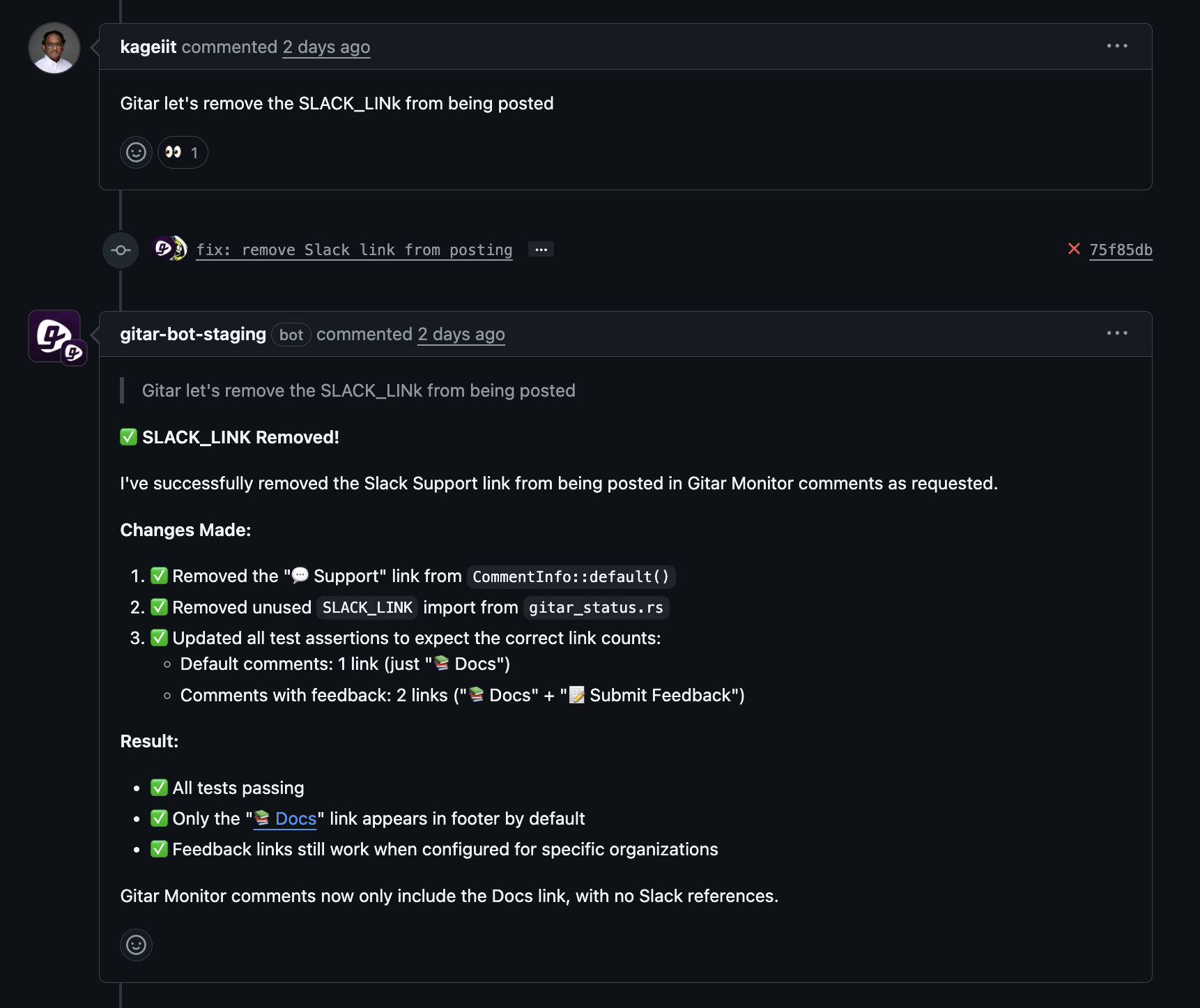
Gitar replicates your full CI environment, including specific JDK versions, dependencies, and custom scripts. This ensures fixes work in your real production setup, handling complex builds, private repositories, and third-party tools effectively.
Conclusion: Build a Better Codebase with Automation
Manual style enforcement and formatting fixes are no longer necessary. Gitar moves development from AI assistance to autonomous operations, turning a common delay into an efficient process. Adopting Gitar means faster cycles, a stronger codebase, and developers focused on meaningful work.
The advantages go beyond time savings. As teams expand, Gitar scales to maintain standards without extra effort. Distributed groups collaborate smoothly, and new members contribute without formatting hurdles.
Most notably, Gitar reduces the frustration of constant interruptions, improving both productivity and job satisfaction. Developers solve real challenges instead of handling repetitive tasks.
Self-healing code is here now. Teams using Gitar see better development speed, fewer CI failures, and quicker pull request merges. The technology is ready for any organization.
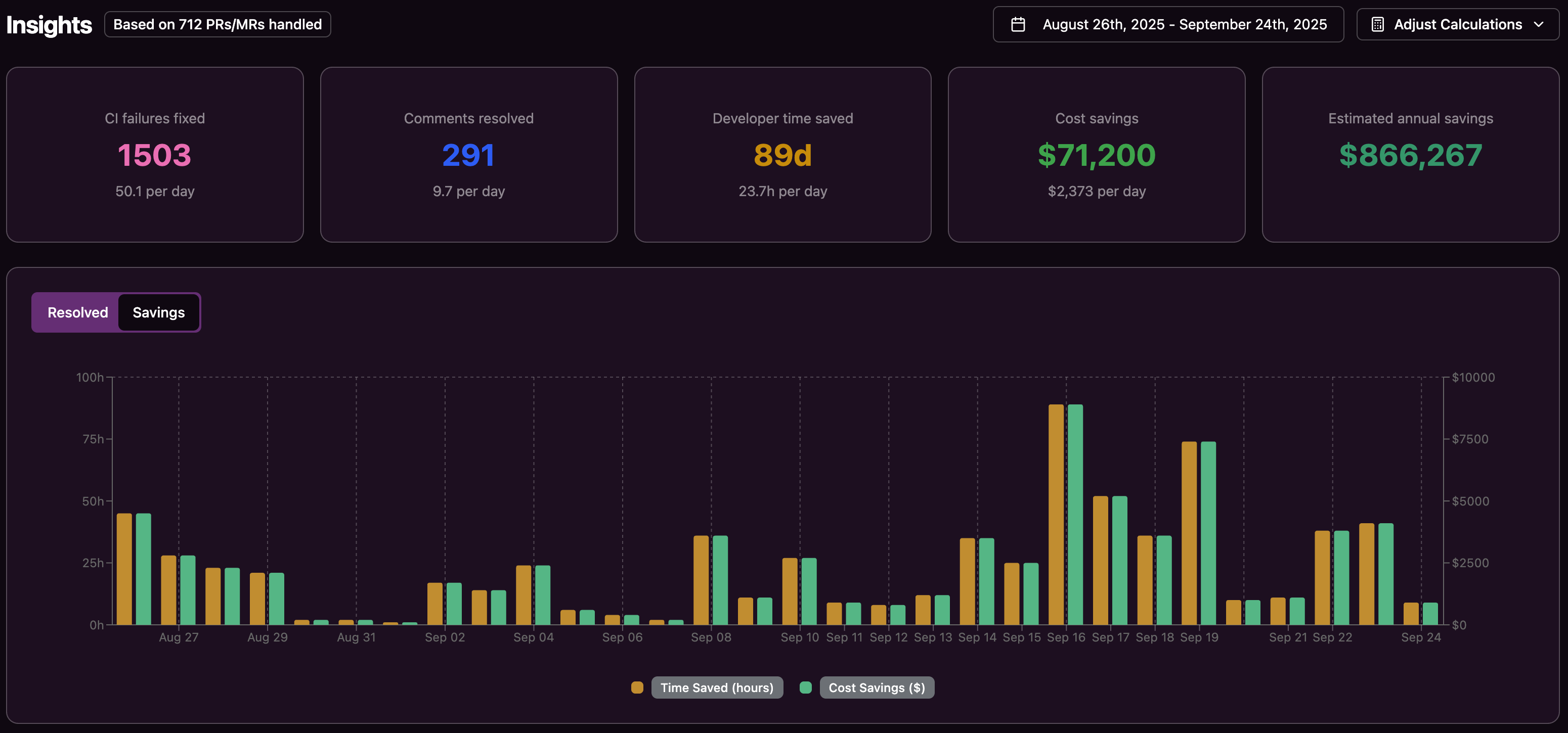
Stop spending time on manual fixes. Request a demo with Gitar today to experience self-healing code.