Written by: Ali-Reza Adl-Tabatabai, Founder and CEO, Gitar
Key Takeaways for Jira-Connected Code Review in 2026
- Most teams now use AI coding tools, and 84% of developers rely on them daily. PR review time has increased by 91%, so automation with Jira integration has become essential for mid-sized teams on GitHub and GitLab.
- Gitar stands out as the leading option. Its AI Healing Engine auto-fixes code issues, syncs with Jira in both directions, and includes a 14-day full Team Plan trial.
- Many competitors such as CodeRabbit, SonarQube, and Codacy only identify issues. They lack auto-fixing and deep CI context awareness, which keeps teams stuck in manual work.
- Effective evaluation focuses on Jira integration depth, automation level, setup simplicity, and measurable ROI through shorter PR cycles and fewer broken builds.
- Teams using Gitar up to $750K in annual savings. Install Gitar to automate fixes and increase development velocity.
How We Evaluated Jira-Integrated Code Review Tools
Our evaluation used hands-on testing with real pull requests and Jira workflows throughout early 2026. We assessed each tool across four dimensions: Jira synchronization capabilities, automation depth, pricing transparency including free trials, platform compatibility, and documented performance benchmarks. Sources include Gitar documentation, community forums, and direct trial experiences.
The top 10 tools represent the most comprehensive solutions available: Gitar, CodeRabbit, Bitbucket/Crucible, SonarQube, Codacy, Greptile, Review Board, Axify, Zencoder, and Rovo. The following sections examine each of these tools using the same criteria, starting with the highest-scoring solution.
1. Gitar: AI Healing Engine with Deep Jira Sync
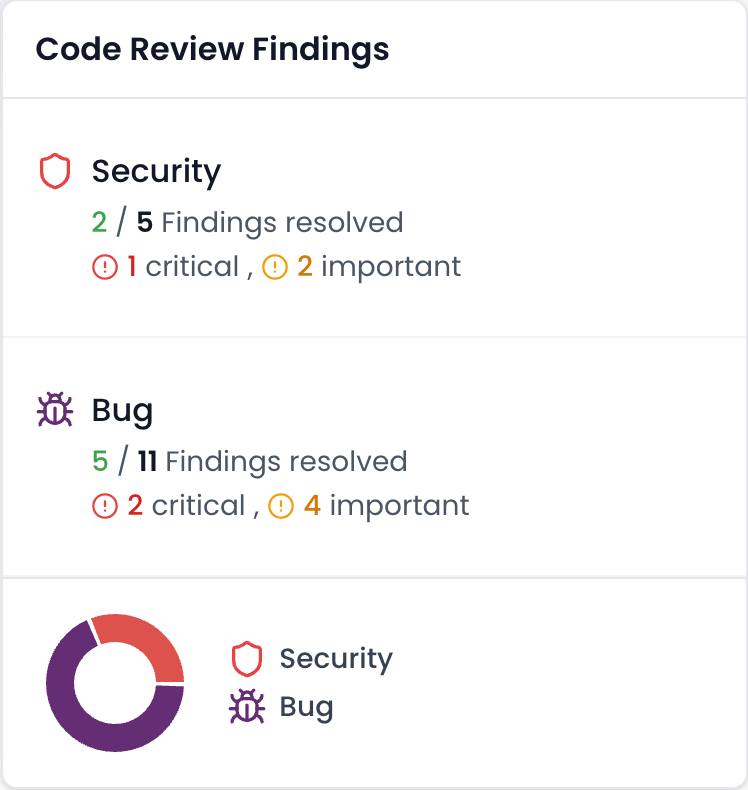
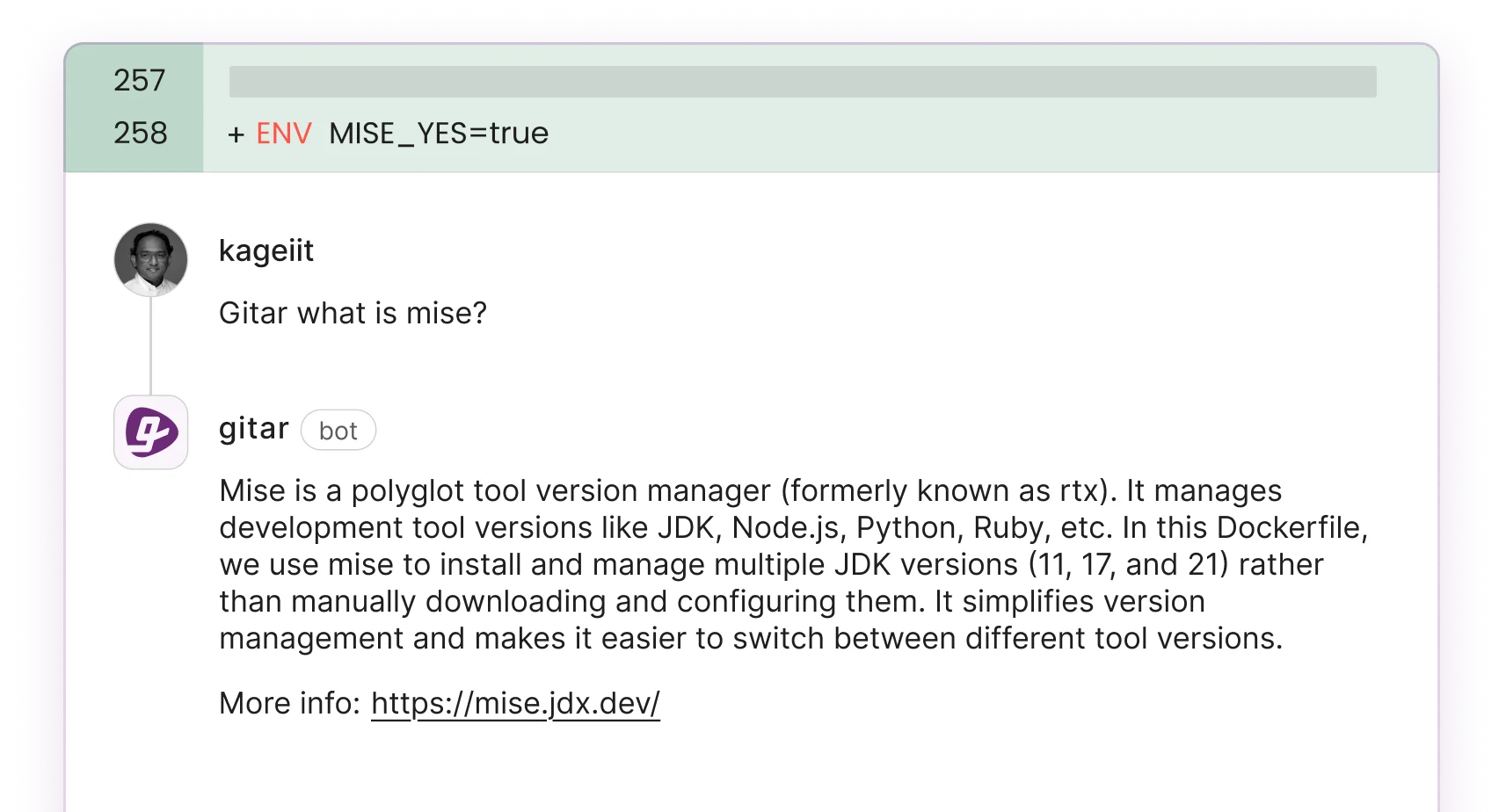
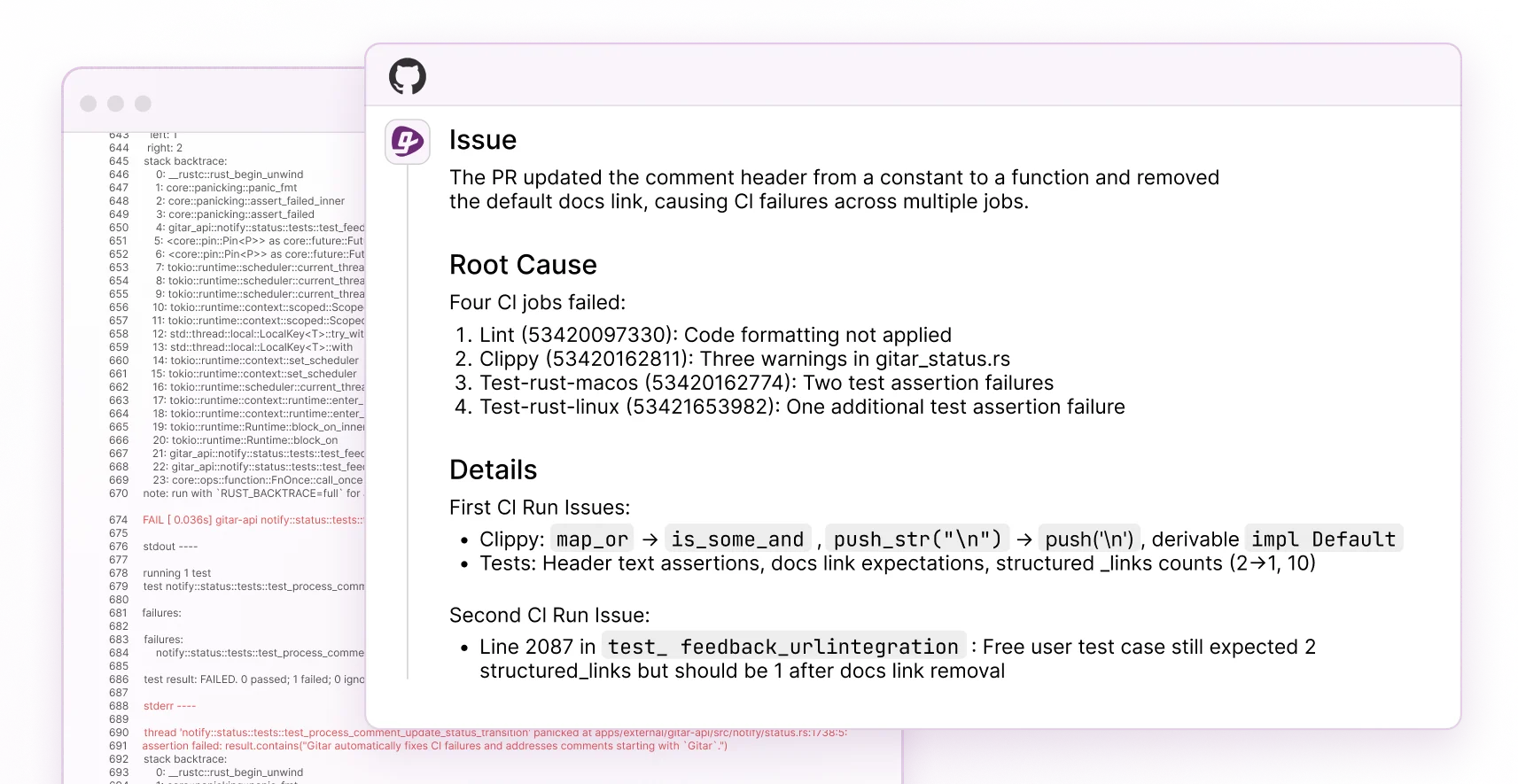
Gitar is the only platform in this list that automatically fixes code issues instead of only suggesting changes. The AI Healing Engine analyzes CI failures, generates validated fixes, and commits them directly to pull requests. Jira integration launched December 12, 2025, with OAuth 2.0 or PAT authentication and five built-in rules including Jira Auto-Linking and Merge Close Jira Comment. The platform consolidates all findings into a single dashboard comment that updates in real time, which reduces notification noise for reviewers.
Setup takes about 30 seconds and involves installing the GitHub app and connecting Jira. The 14-day Team Plan trial includes every feature with no seat limits, so teams can test Gitar across their full workflow before committing.
2. CodeRabbit: Fast Suggestions without Auto-Fixing
CodeRabbit.ai, deployed across over 1 million repositories at $12-24 per developer per month, analyzes PRs in seconds with 46% bug detection accuracy. It identifies issues but requires developers to apply each fix manually. Jira integration runs through the Atlassian Marketplace and supports basic ticket linking.
The platform performs well at line-by-line analysis and PR summaries, yet it often produces many inline comments that can overwhelm reviewers. CodeRabbit’s Pro plan costs $24-30 per month, which places it in the same budget range as some auto-fixing tools. Setup uses a simple app installation, but the tool lacks CI context awareness and any form of automatic remediation.
3. Bitbucket/Crucible: Native Jira Workflow without AI
Atlassian’s native code review solution offers very deep Jira integration through built-in traceability, automatic ticket creation, and comprehensive workflow synchronization. These capabilities support merge checks, structured review processes, and seamless issue tracking across the Atlassian stack. This combination makes Bitbucket and Crucible attractive for teams already committed to Atlassian tools.
The tradeoff is the absence of AI-powered auto-fixing capabilities. Pricing bundles with Jira subscriptions, which keeps costs predictable for existing Atlassian customers while still allowing integrations with various external tools.
4. SonarQube: Strong Quality Gates without Remediation
SonarQube delivers comprehensive quality gates and security scanning, with Jira integration through the Atlassian Marketplace that can automatically create tickets from code findings. The platform excels at static analysis across many languages and provides robust reporting for engineering leaders. SonarQube offers free community tiers alongside enterprise options.
Its main limitation is analysis-only functionality, since it flags issues but does not repair them. This design suits teams that prioritize code quality governance and compliance, while teams seeking automated remediation may need a complementary tool.
5. Codacy: Governance-Focused Analysis for Jira Teams
Codacy centers on automated code quality analysis with Jira integration for flagging issues and creating tickets. Codacy’s Starter plan costs $21 per month ($18 per month with annual billing), which targets teams focused on long-term code quality governance.
The platform provides PR insights and technical debt tracking but stops short of full automation. It flags problems without resolving them automatically, so developers still spend time applying fixes. Setup remains straightforward for GitHub and GitLab repositories, and the tool clearly emphasizes analysis over immediate problem resolution.
6. Greptile: Architectural Insight without CI Auto-Resolution
Greptile, priced at $30 per developer per month, builds semantic knowledge graphs of codebase architecture to provide impact analysis, with teams reporting 4x faster merges. The platform offers Jira connectivity that pulls ticket context to improve understanding of changes.
Greptile’s Starter plan costs $30 per month and excels at architectural impact assessment. However, it mainly recommends changes and does not resolve CI failures automatically, which limits its usefulness for teams seeking hands-off remediation.
7. Review Board: Manual Peer Review with Jira Plugins
Review Board delivers traditional peer review functionality with Jira plugin support for ticket linking and traceability. As an open-source platform, it offers customizable review checklists and approval workflows, which helps budget-conscious teams control costs.
This flexibility comes with a manual-first approach that relies heavily on human reviewers. That design keeps expenses low but also means the platform lacks AI-powered analysis and auto-fixing capabilities. The dated interface and manual-heavy workflow make it less suitable for teams that want automation to relieve modern development bottlenecks.
8. Axify: Security-First Reviews with Limited Automation
Axify focuses on AI-powered, security-centered code reviews with Jira synchronization for vulnerability tracking. The platform emphasizes compliance and security scanning, which benefits organizations with strict regulatory requirements.
Automation remains partial, since Axify does not provide broad auto-fixing across general code issues. Pricing varies based on team size and security needs. While valuable for security-conscious organizations, Axify’s narrow focus limits its effectiveness as a complete code review solution for everyday development work.
9. Zencoder: AI Coding Agents with Jira Context
Zencoder offers AI-powered coding agents with deep Jira integration that pulls context and automates updates. The platform supports repository understanding, unit testing, and integrations with developer tools such as IDEs and GitHub.
Its advanced AI capabilities and workflow automation help development teams accelerate routine tasks. However, the product focuses more on coding assistance than on acting as a dedicated, end-to-end code review and remediation system.
10. Rovo: Atlassian-Centric AI Assistance
Atlassian Rovo’s Starter plan costs $20 per month, best for Atlassian ecosystem teams needing AI assistance across Jira, Confluence, and Bitbucket. The platform provides contextual reviews by drawing on data from connected Atlassian tools.
Rovo remains limited to recommending fixes and does not autonomously resolve issues. While its native Jira integration benefits teams fully committed to Atlassian, it locks organizations into that ecosystem and lacks the autonomous fixing capabilities required for higher development velocity.
Side-by-Side Comparison of Jira-Integrated Tools
|
Tool |
Jira Integration |
Auto-Fix |
Pricing (Free Trial?) |
ROI Edge |
|
Gitar |
Native auto-link/sync |
Yes |
14-day full Team |
91% PR cut, $750K |
|
CodeRabbit |
Marketplace basic |
No |
$24-30/month |
46% bug detection |
|
Bitbucket |
Native traceability |
No |
Jira bundle |
Workflow depth |
|
SonarQube |
Marketplace findings |
No |
Free community |
Quality gates |
Key Considerations and 2026 Automation Trends
Engineering teams now prioritize tools that reduce noise while increasing automation. Leaders also expect clear ROI evidence through meaningful free trials, and Gitar’s 14-day full Team Plan offers one of the most complete evaluation windows. DevOps teams gain the most from platforms that integrate cleanly with existing CI and CD workflows.
Anthropic’s 2026 Agentic Coding Trends Report predicts that agentic quality control will become standard, with organizations using AI agents to autonomously review large-scale AI-generated code output. This shift toward autonomous fixing, instead of tools that only recommend changes, directly addresses Jira traceability challenges while keeping builds green and reducing context switching.
Frequently Asked Questions
What is the best free code review option with Jira integration?
Gitar provides the most complete 14-day free trial of its full Team Plan, including auto-fixing, Jira integration, and unlimited repositories. Other tools offer free tiers or community versions, but those options usually restrict features or automation depth. SonarQube’s community edition, for example, omits AI-powered analysis and automated remediation.
How does Gitar’s Jira integration function in practice?
Gitar connects to Jira using OAuth 2.0 or Personal Access Token authentication. The platform automatically links pull requests to relevant Jira tickets through built-in rules such as Jira Auto-Linking. See Gitar documentation for details.
Can AI code review tools support teams using the Atlassian stack?
Gitar integrates natively with Jira while also supporting GitHub and GitLab repositories. Atlassian’s Rovo offers ecosystem-native AI assistance but stays confined to Atlassian tools. Teams running mixed toolchains gain more flexibility from Gitar’s platform-agnostic design combined with deep Jira connectivity.
How should teams measure ROI from code review automation?
Track metrics such as PR cycle time reduction, CI failure resolution speed, developer context switching frequency, and manual fix implementation time. Gitar customers report the PR time reduction mentioned earlier, which translates into significant cost savings through fewer review bottlenecks and automated issue resolution.
When does it make sense to move from suggestion tools to auto-fixing?
Teams paying $12-30 per developer each month for tools that only recommend fixes should evaluate auto-fixing platforms like Gitar. The crucial difference is guaranteed resolution instead of manual implementation for every suggestion. Gitar’s 14-day trial lets teams compare suggestion-based workflows with autonomous fixing approaches without financial risk.
Conclusion and Next Steps for Your Team
Gitar emerges as the strongest choice for teams that need tight Jira integration combined with autonomous code fixing. The Healing Engine overcomes the core limitation of recommendation-only tools by actually resolving issues instead of just listing them. For engineering organizations overwhelmed by AI-generated pull requests, the 14-day Team Plan trial offers a low-risk way to experience meaningful automation across the entire review process.