
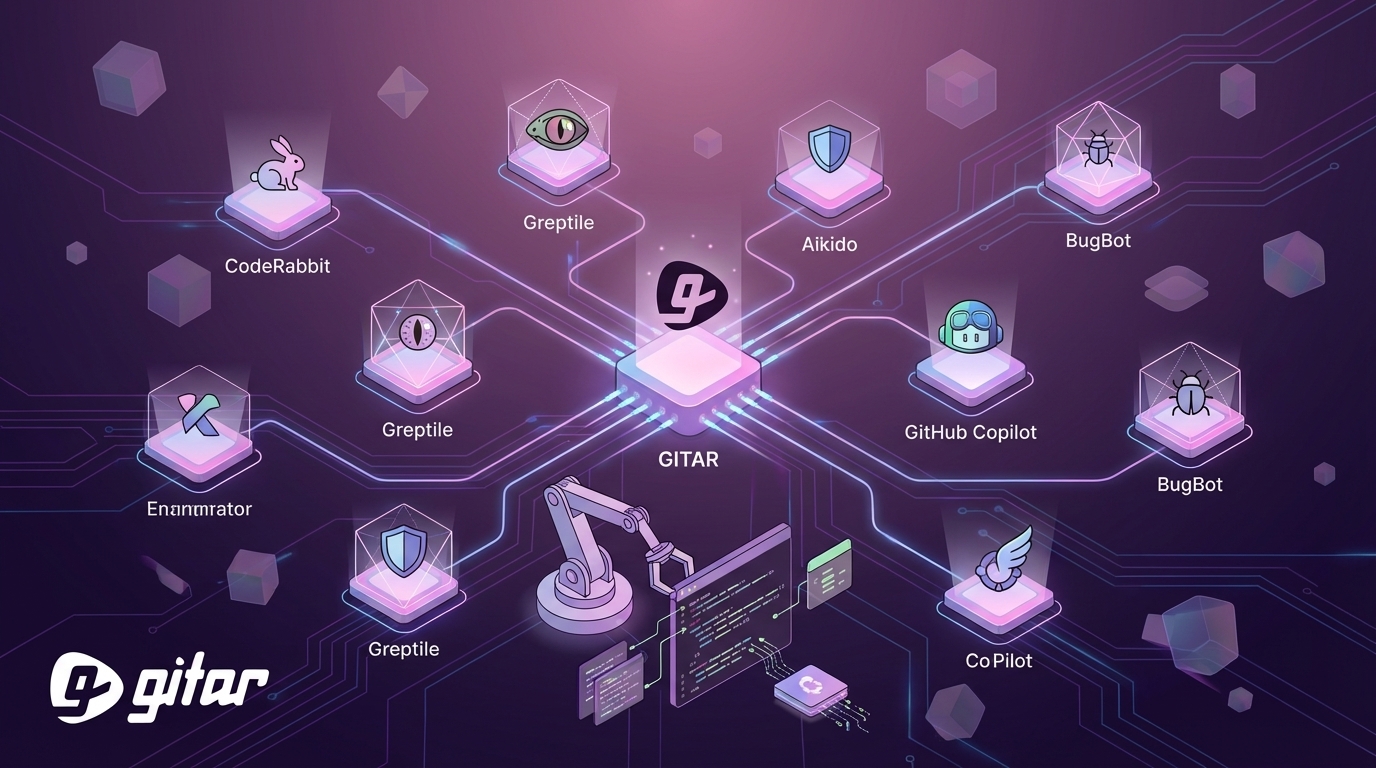
Written by: Ali-Reza Adl-Tabatabai, Founder and CEO, Gitar
Key Takeaways for Teams Outgrowing Graphite
- AI coding tools boosted developer output 76% in 2025, but larger PRs overwhelmed review capacity and exposed Graphite’s lack of CI auto-fix.
- Gitar leads as the top Graphite alternative with autonomous CI healing that auto-fixes lint errors, tests, and builds using natural language rules.
- Competitors like CodeRabbit, Greptile, and Qodo Merge provide strong analysis but lack auto-fix capabilities, so teams still implement fixes manually.
- Multi-platform support (GitHub, GitLab, CircleCI) and real-time dashboards position Gitar for 2026’s AI-accelerated workflows.
- Teams switching to Gitar achieve 30–40% faster cycle times; start your 14-day Team Plan trial to automate fixes today.
How We Evaluated Graphite Alternatives
Our evaluation prioritizes auto-fix capabilities over suggestion engines because manual implementation bottlenecks erase many AI coding productivity gains. We focused on CI failure auto-resolution, multi-platform support (GitHub, GitLab, CircleCI, Buildkite), natural language workflow configuration, and quantifiable ROI metrics for mid-sized teams.
Sources include Gitar documentation, recent product releases, and 2026 benchmarks showing 30–40% cycle time improvements for teams adopting advanced automation. Unlike 2025 listicles focused on basic code analysis, this assessment emphasizes healing engines that validate fixes against actual CI environments. We rank tools by automation depth, starting with platforms that apply fixes and moving down to analysis-only solutions.
What Are the Best Graphite Alternatives?
1. Gitar: Healing Engine for CI Auto-Fix & PR Reviews
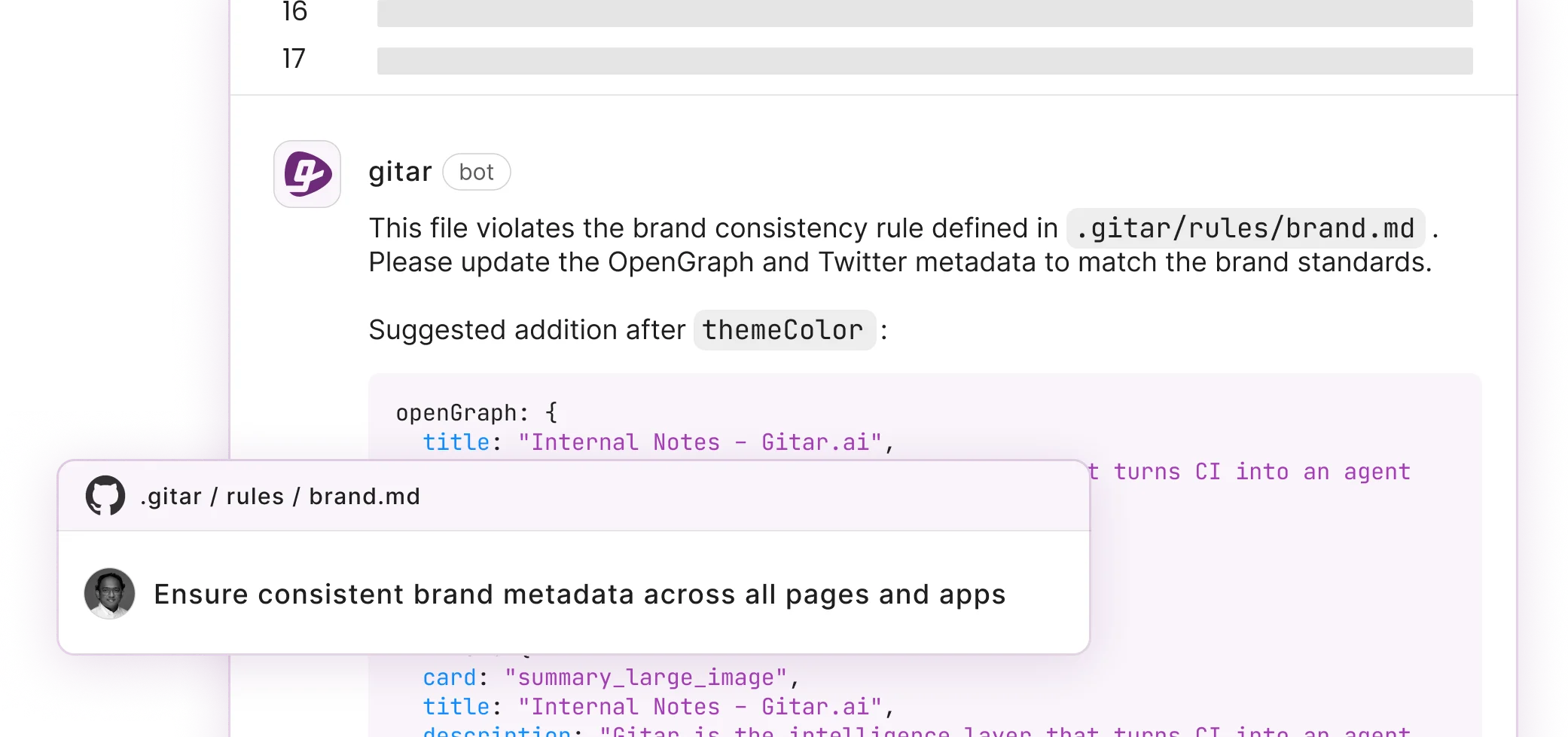
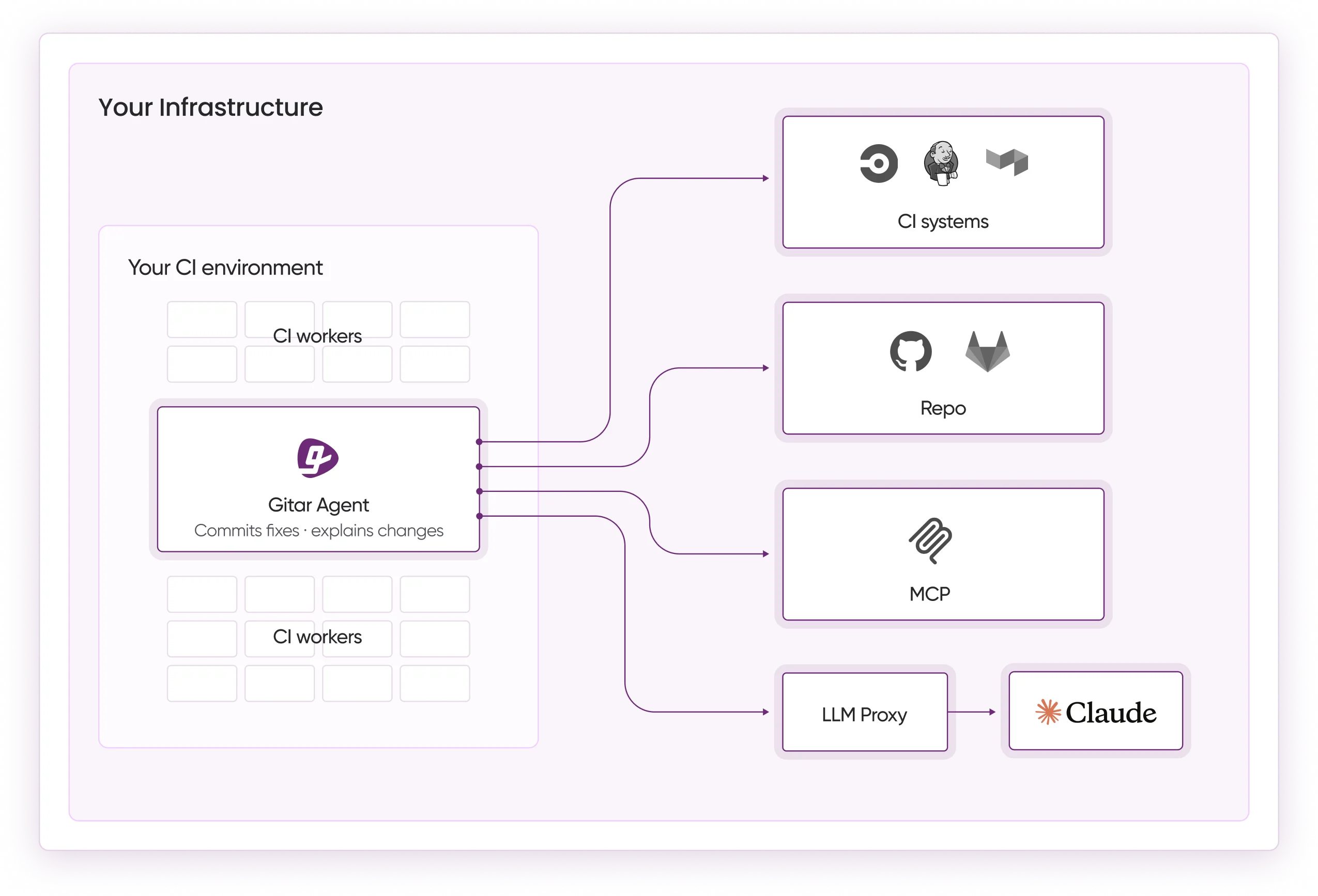
Gitar moves beyond suggestion engines to autonomous code fixing. When CI fails due to lint errors, test failures, or build breaks, Gitar analyzes failure logs, generates validated fixes, and commits them automatically. Repository rules defined as natural language MD files in .gitar/rules enable automated actions and remove the need for complex YAML configuration.
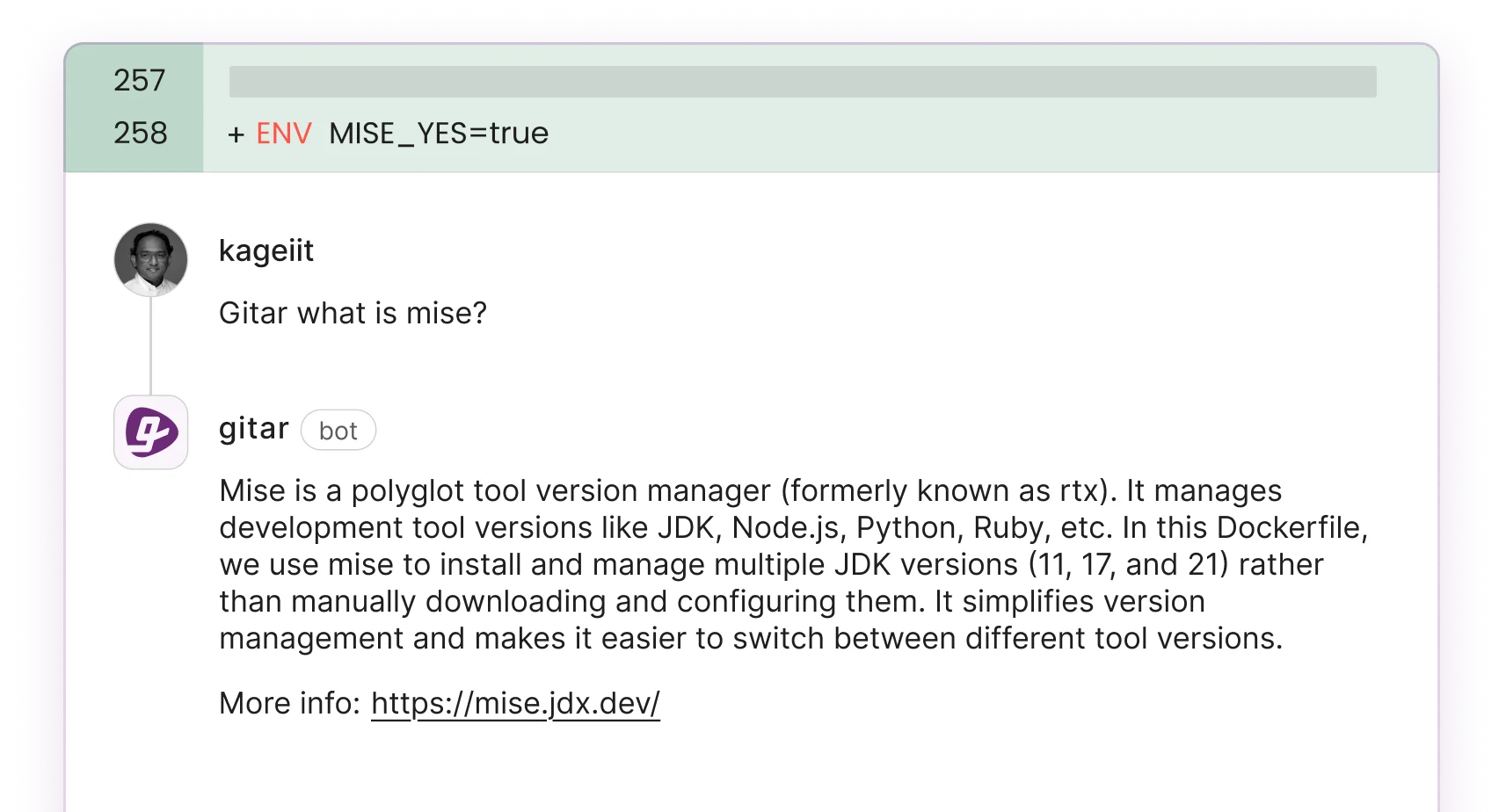
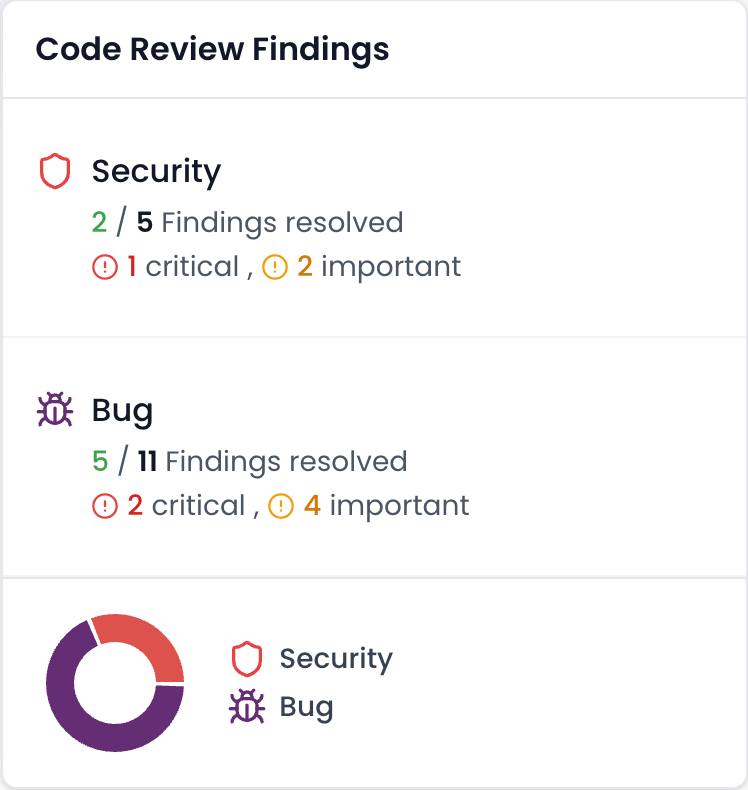
The platform consolidates all findings into a single dashboard comment that updates in real time, which cuts notification spam and keeps reviewers focused. CI failure analysis deduplicates failures across multiple jobs and keeps information updated dynamically. At the same time, configurable PR merge blocking based on review verdict severity enforces quality gates without extra scripting.
Pros: Guaranteed green builds, multi-platform support, 14-day Team Plan trial
Best for: Teams drowning in AI-generated PRs that need real fixes, not more comments
Integrations: GitHub, GitLab, CircleCI, Buildkite, Jira, Slack, Linear
Try Gitar’s auto-fixes free for 14 days.
2. CodeRabbit: AI-Powered PR Analysis
CodeRabbit provides line-by-line code analysis with severity rankings across more than 13 million processed PRs. The platform offers contextual suggestions and integrates natively with GitHub workflows, which suits teams that want basic AI review without workflow changes.
Pros: Affordable at $15/seat, extensive PR processing experience, GitHub integration
Cons: Suggestion-only approach, no CI auto-fix, rated 1/5 for completeness in catching systemic issues
Best for: Basic GitHub feedback without automation requirements
3. Greptile: Deep Codebase Context Analysis
Greptile focuses on full codebase indexing and multi-hop investigation to deliver strong context awareness. Version 3 uses the Anthropic Claude Agent SDK for enhanced analysis capabilities, while still keeping a suggestion-only model.
Pros: Deep context analysis, comprehensive codebase understanding
Cons: $30/seat premium pricing, highest false positive rate among AI code review tools, no auto-fix
Best for: Large monorepos that require extensive context analysis
4. Qodo Merge: Multi-Platform Code Analysis & Tests
Qodo Merge (formerly Codium AI) supports multiple version control platforms and focuses on test generation and code quality analysis. The platform offers pricing at $19/seat with enterprise customization options for larger organizations.
Pros: Multi-platform support, test generation focus, competitive pricing
Cons: Less comprehensive CI auto-fix than Gitar, workflow automation may need extra configuration
Best for: Teams that prioritize test coverage over CI automation depth
5. Aikido Security: Security-Focused Code Review
Aikido Security centers on vulnerability detection and compliance mapping, with AI-driven triage reducing false positives by up to 90%. The platform includes a generous free tier that supports small teams.
Pros: Free tier for 2 users, strong security focus, false positive reduction
Cons: Primarily security-focused, limited general workflow depth, CI auto-fix mainly for security issues
Best for: Security-conscious teams with compliance requirements
Before you continue through the remaining alternatives, consider whether analysis-only tools like those above truly remove your bottleneck. If your team needs fixes instead of more suggestions, install Gitar now to automatically fix broken builds and start shipping higher quality software, faster.
6. GitHub Copilot Code Review
GitHub Copilot Code Review reached 1 million users within one month of its April 2025 general availability. It relies on native GitHub integration, which simplifies adoption for existing GitHub teams.
Pros: Native GitHub integration, rapid adoption, familiar interface
Cons: GitHub-only, suggestion-based, no CI context
Best for: GitHub-native teams that want integrated AI assistance
7. BugBot: Automated Bug Detection
BugBot resolves over 70% of flagged issues before merge. Discord’s engineering team reports real bug detection on human-approved PRs, which shows its value as a safety net.
Pros: High resolution rate, proven bug detection
Cons: Limited platform support, narrow focus area
Best for: Teams that prioritize bug prevention over workflow automation
8. SonarQube: Enterprise Code Quality Platform
SonarQube delivers comprehensive code quality analysis with broad language support and enterprise-grade reporting. Many large organizations already rely on it as a central quality gate.
Pros: Mature platform, extensive language support, enterprise features
Cons: Complex setup, no auto-fix, traditional approach
Best for: Enterprise teams with established quality processes
9. Codacy: Metrics-Driven Automated Code Review
Codacy offers automated code review with collaboration features at $21/developer monthly. It focuses on code quality metrics and technical debt management for teams that track trends over time.
Pros: Team collaboration features, quality metrics
Cons: No CI auto-fix, traditional analysis approach
Best for: Teams focused on code quality metrics and dashboards
10. DIY Claude Integration: Build-Your-Own Automation
Custom LLM integration using Claude or GPT models provides flexibility but demands significant engineering investment. Teams must build infrastructure, CI integration, and fix validation pipelines themselves.
Pros: Complete customization, no vendor lock-in
Cons: High engineering overhead, no “last mile” fix application, manual CI integration
Best for: Teams with dedicated platform engineering resources
Graphite Alternatives Comparison Table
The table below highlights the key differentiator across these alternatives: which tools actually auto-fix code and which only suggest changes. This distinction shapes whether a tool removes workflow bottlenecks or simply shifts them to developers.
|
Tool |
Auto-Fix CI/Reviews |
Platforms/Integrations |
Pricing/ROI |
|
Gitar |
Yes |
Multi/Jira-Slack |
14-day trial |
|
CodeRabbit |
No |
GitHub |
$15-30/seat |
|
Greptile |
No |
Multi-platform |
$30/seat |
|
Qodo Merge |
No |
Multi-platform |
$19/seat |
Gitar clearly leads in the auto-fix category and provides the only solution in this list that validates and commits fixes automatically. While competitors focus on analysis and suggestions, Gitar’s healing engine approach targets the core bottleneck of manual implementation of AI recommendations.
Key Considerations & 2026 Trends in AI Code Review
Developer personas shape tool selection criteria, which explains why no single feature set satisfies every stakeholder. Individual contributors prioritize reduced context switching, engineering leaders focus on velocity improvements, and DevOps teams seek YAML-free workflow configuration. These priorities converge around agentic quality control becoming standard in 2026, as organizations use AI agents to review large volumes of AI-generated code without overwhelming human reviewers.
The central tradeoff remains healing versus suggestions. Natural language CI workflows remove complex YAML configuration, while human oversight scales through intelligent collaboration. Teams that feel cautious about automated commits can configure approval workflows, start in suggestion mode, and then gradually enable auto-commit for trusted fix types as confidence grows.
These trends set the stage for the questions teams ask most often when comparing Graphite and its alternatives. The FAQs below address common decision points around CI auto-fix, pricing, and ROI.
FAQs
What’s the difference between CodeRabbit and Graphite for code review?
CodeRabbit provides AI-powered line-by-line analysis with suggestions, while Graphite focuses on stacked PR workflows for managing complex changes. Neither platform offers CI auto-fix capabilities. CodeRabbit costs $15–30/seat for suggestions that still require manual implementation, and Graphite’s stacked model increases CI costs and creates branch drift issues. Both reflect an older paradigm of analysis without meaningful automation.
Which is the best Graphite alternative for CI auto-fix?
Gitar stands alone in providing true CI auto-fix capabilities among these alternatives. While other tools analyze and suggest, Gitar’s healing engine automatically resolves lint errors, test failures, and build breaks by generating validated fixes and committing them. The platform maintains full context from PR creation to merge and works continuously to keep CI green, which represents a fundamental architectural shift from suggestion-based competitors.
How do Greptile’s code review capabilities compare to other tools?
Greptile excels at deep codebase context through full repository indexing and multi-hop investigation, which helps with understanding complex systems. However, it maintains the highest false positive rate among AI code review tools and provides only suggestions without auto-fix capabilities. At $30/seat, teams pay premium pricing for analysis that still requires manual implementation, which recreates the bottleneck that AI coding tools introduced.
How should teams measure ROI from AI code review tools?
Teams should focus on time savings from reduced manual intervention rather than suggestion quality metrics alone. Calculate developer hours saved from automatic CI fixes, reduced context switching, and fewer review cycles. Suggestion engines often provide marginal improvements that do not justify $15–30/seat pricing. Track green build rates, PR merge times, and developer satisfaction scores to capture the full impact.
What are the main differences between Gitar and CodeRabbit?
The core difference is automation depth. CodeRabbit analyzes code and leaves suggestions in comments, so developers still read, implement, and validate fixes manually. Gitar’s healing engine automatically fixes CI failures, validates solutions against the actual CI environment, and commits working code. CodeRabbit charges $15–30/seat for analysis, while Gitar offers a 14-day Team Plan trial that includes full auto-fix capabilities, which lets teams prove value before paying.
Conclusion: Moving Beyond Suggestion-Only Workflows
Graphite’s workflow innovations cannot solve 2026’s central challenge of AI-generated code floods that overwhelm manual review processes. Competitors that charge premium prices for suggestions keep bottlenecks in place, while Gitar’s healing engine delivers the automation depth required for AI-accelerated development. The platform’s 14-day Team Plan trial removes adoption risk and confirms the velocity improvements described in the key takeaways through real fixes instead of analysis alone.