
Written by: Ali-Reza Adl-Tabatabai, Founder and CEO, Gitar
Key Takeaways
- AI code generation tools like Copilot increased PR volume by 91%, creating a review bottleneck that Graphite, Greptile, and Gitar tackle in different ways.
- Graphite accelerates PR throughput with stacked workflows and merge queues, saving teams several hours per engineer every week.
- Greptile delivers deep monorepo analysis through semantic graphs, which suits complex dependency tracing at $30 per user each month.
- Gitar’s healing engine uniquely auto-fixes CI failures, validates changes, and keeps builds green, capabilities competitors do not provide.
- Teams achieve $750K annual savings with Gitar’s automation. See how Gitar’s healing engine performs in your environment with a 14-day free trial for hands-off code review.
How This Comparison Was Evaluated
This analysis compares tools across automation capabilities, PR workflow improvements, pricing models, integration depth, scalability for large teams, and 2026 performance benchmarks. Sources include vendor documentation, developer forums, and Gitar’s technical documentation for detailed feature comparisons. The following sections examine each tool’s approach to code review automation, starting with the most comprehensive solution.
How Each Tool Handles Code Review in 2026
Gitar: Auto-Fix Healing Engine for CI and Code Review (Top Pick)
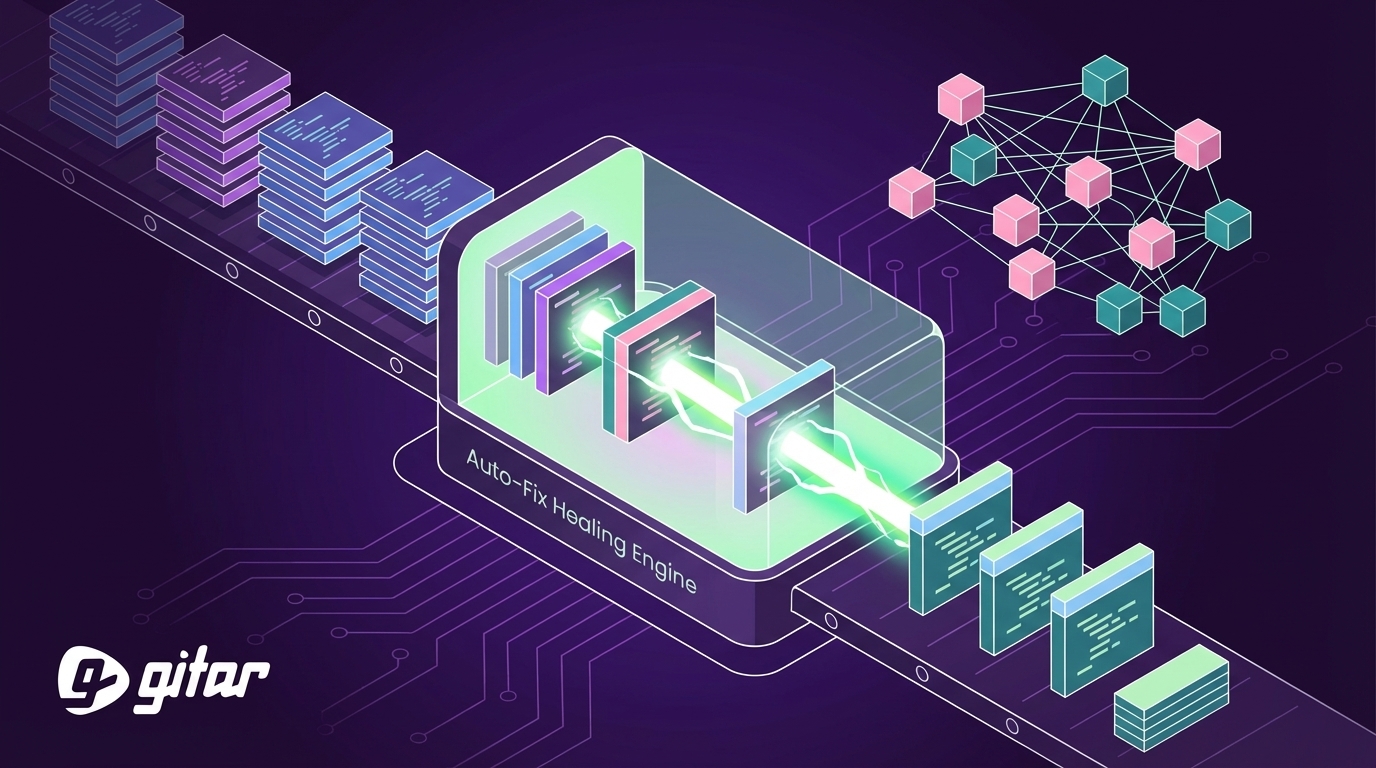
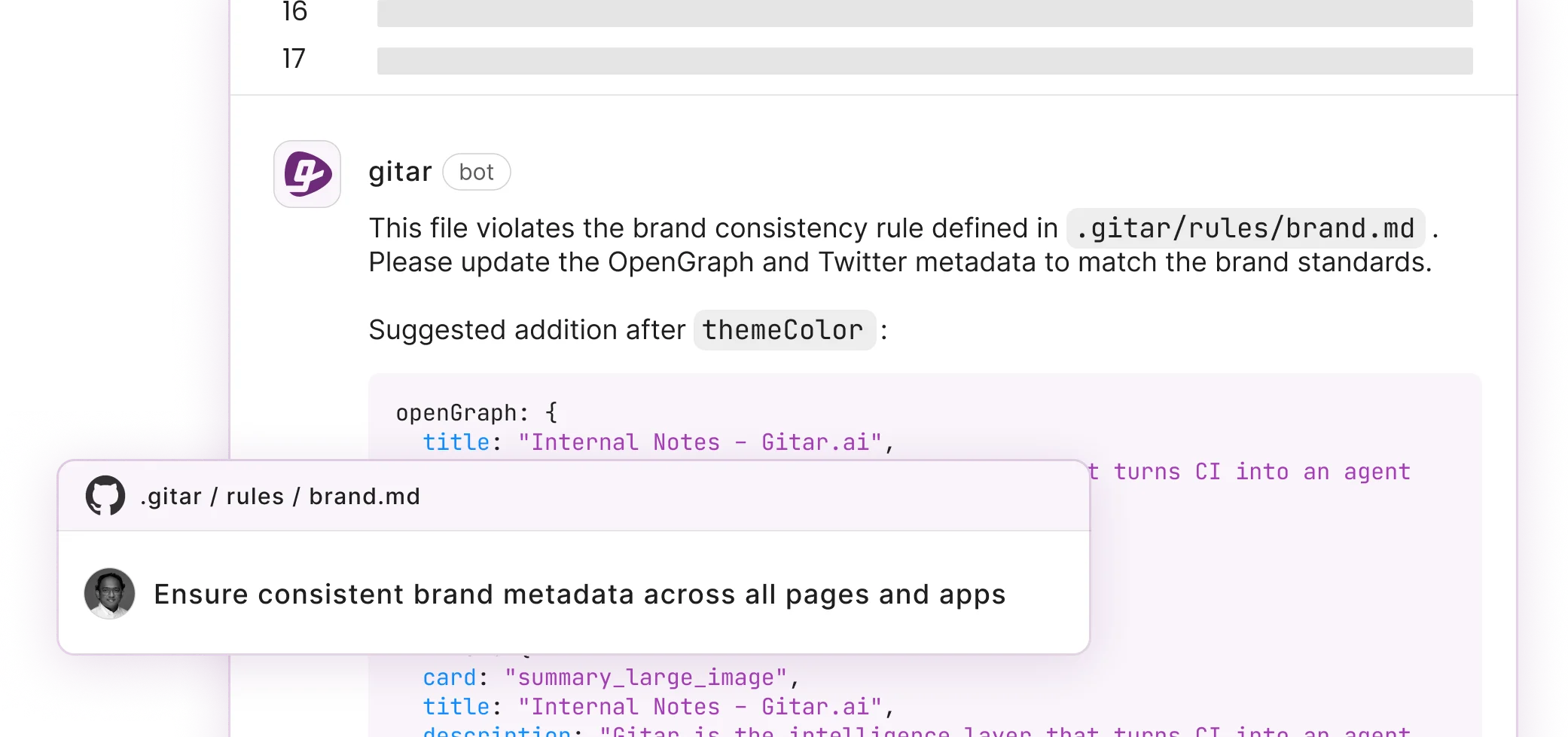
When CI fails with lint errors, test failures, or build breaks, most tools suggest fixes and leave implementation to developers. Gitar takes a different approach. It automatically analyzes failure logs, generates validated fixes, and commits working solutions, which turns code review from a suggestion engine into a healing engine.
The platform consolidates all findings into a single updating comment, which reduces notification noise and keeps context in one place while it works toward green builds. See Gitar documentation for details on auto-fix capabilities, custom workflow rules, and integrations across CI and version control systems. The 14-day Team Plan trial provides full access with no seat limits during the trial, so teams can validate impact on real pipelines. Early adopters report faster merge times that translate to the productivity gains mentioned above.
Graphite: PR Speed with Stacked Workflows
Graphite reshapes PR workflows with stacked pull requests, which let developers create dependent PRs that automatically rebase when earlier ones merge. The platform includes a stack-aware merge queue that batches and tests multiple PRs in parallel. This approach reduces review time from days to hours for many teams.
Teams like Asana gained about 7 hours per engineer each week using Graphite’s stacking model. The tradeoff is clear. Graphite focuses on workflow speed rather than automated fixes, so developers still implement every suggested change manually.
Greptile: Deep Monorepo and Dependency Analysis
Greptile builds a comprehensive semantic graph of entire repositories, indexing functions, dependencies, and historical changes for deep PR analysis beyond simple diffs. The platform excels in complex monorepos with cross-file dependency tracing, where it identifies breaking changes and explains system interactions in detail.
Greptile v3 learns from team coding standards and provides SOC 2 compliance for enterprise deployments, which suits regulated environments. Despite these advanced analysis capabilities, the tool still operates as a suggestion engine that requires manual fix implementation at $30 per user each month.
Side-by-Side Feature Comparison: Suggestions vs Auto-Fixes
The table below highlights the core capability gap. All three tools provide summaries and inline suggestions, but only Gitar validates and auto-applies fixes to keep builds green without manual intervention.
|
Capability |
Graphite |
Greptile |
Gitar |
|
PR summaries |
Yes |
Yes |
Yes |
|
Inline suggestions |
Yes |
Yes |
Yes |
|
Auto-apply fixes |
No |
No |
Yes |
|
CI failure analysis |
Limited |
No |
Yes |
|
Fix validation |
No |
No |
Yes |
|
Monorepo support |
Basic |
Excellent |
Yes |
|
Integrations |
GitHub-focused |
GitHub/GitLab |
Multi-platform |
The graphite vs greptile cost analysis shows Graphite at about $40 per user each month for workflow features, while Greptile pricing reaches $30 per user each month for deep analysis. Both tools still require additional manual work to implement suggestions, which adds hidden labor costs on top of subscription fees. Gitar’s trial model gives teams a way to measure the value of true automation against those ongoing manual efforts.
Use case recommendations depend on your team’s primary bottleneck. Choose Graphite if PR velocity is your main constraint and your team accepts manual implementation of suggested changes. Select Greptile if monorepo complexity and dependency visibility cause most delays. Adopt Gitar if you want to remove manual fix work through automated CI healing and consistently green builds.
Experience the difference between suggestions and solutions with Gitar’s 14-day trial and see how auto-fix capabilities affect your pipeline.
Key Considerations and 2026 Performance Benchmarks
The graphite vs greptile reddit discussions frequently highlight expense and notification noise as primary concerns with both platforms. 2026 benchmarks show Greptile reaching a 45% F-score for bug detection, while Graphite continues to emphasize workflow optimization instead of detection accuracy. Teams report that Gitar’s single-comment approach reduces cognitive load compared to competitor notification streams and that validated auto-fixes shorten merge times.
As noted in the tool overviews, both Graphite and Greptile share a fundamental limitation. They leave the critical last mile of fix implementation to developers. This limitation means teams pay premium prices for tools that still require manual work, context switching, and hope that suggested fixes actually resolve issues, a workflow that made sense in 2023 but falls short of 2026 expectations. Today’s environment calls for autonomous healing rather than incremental tweaks to manual review processes.
Gitar: Auto-Fix Alternative to Suggestion-Only Tools
Graphite improves PR workflows and Greptile delivers deep analysis, yet both stop short of fixing code. Manual implementation remains the core bottleneck. Gitar’s healing engine addresses that gap by moving from suggestion to solution and by treating CI as a place where issues get resolved automatically.
The ROI calculation stays simple. Automated healing reduces developer time on CI and review issues from about 1 hour each day to roughly 15 minutes. For a 20-developer team, this shift creates significant annual productivity savings and removes the frustration of red builds and repeated manual fix cycles. These immediate benefits form the foundation for Gitar’s broader platform vision, which extends beyond review into development intelligence with automated workflows, deep analytics, and CI as an agent platform.

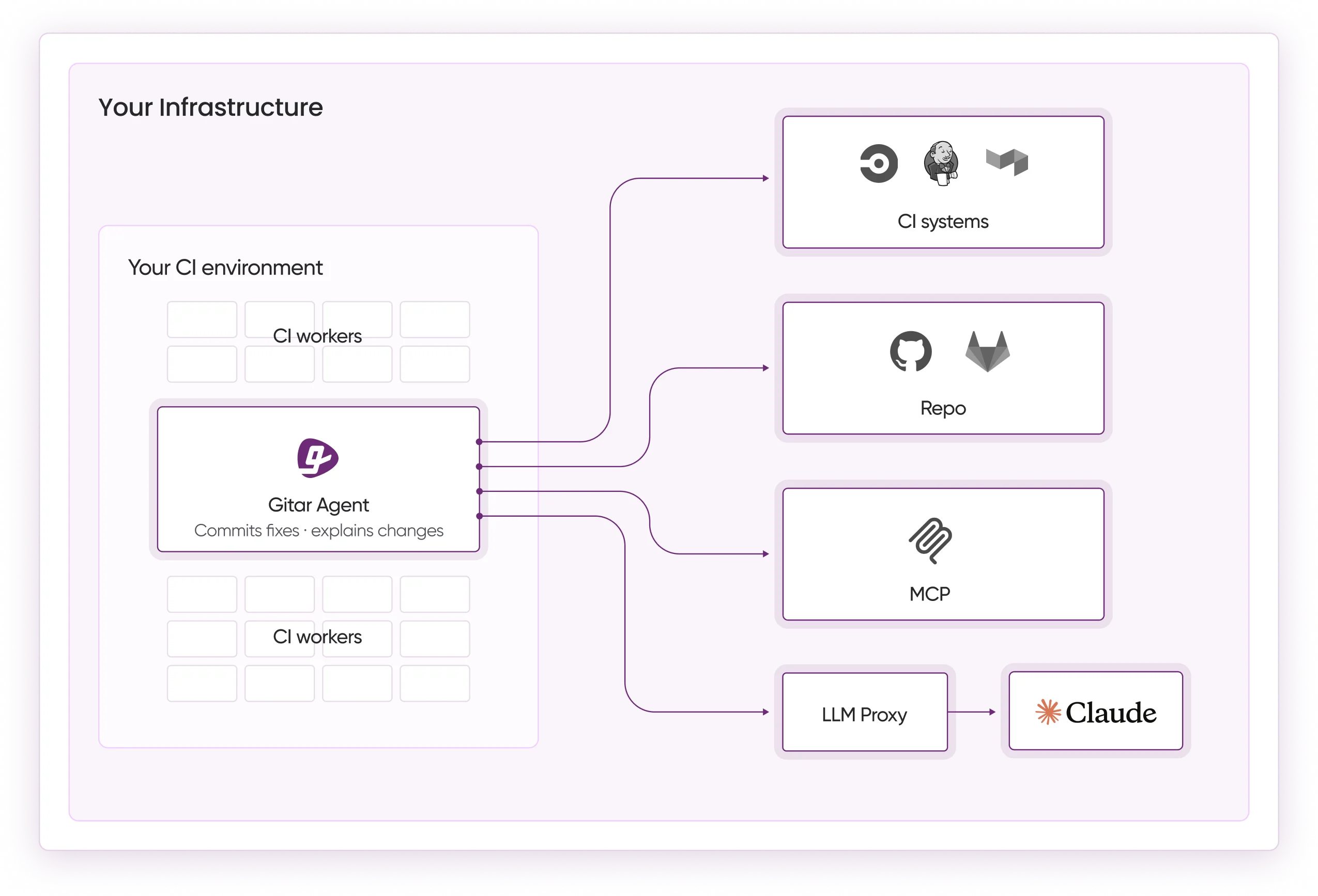
The earlier 14-day Team Plan trial includes full access to auto-fix capabilities, natural language workflow rules, and comprehensive integrations. Setup takes about 30 seconds to start the trial. After installation, teams can configure behavior, beginning in suggestion mode and gradually enabling autonomous healing as confidence in auto-fixes grows.
Test validated auto-fixes in your own CI environment with Gitar’s 14-day trial and see how much manual review work you can retire.
Frequently Asked Questions
Which tool works better for monorepos: Graphite or Greptile?
Greptile edges out Graphite for monorepo analysis because its semantic graph captures cross-file dependencies and system interactions in more depth. Graphite still helps with workflow speed but does not match Greptile’s repository understanding. Gitar provides the strongest monorepo experience overall by combining deep analysis with automated fix implementation, which removes the manual work both alternatives require.
What is the real graphite vs greptile cost comparison?
Graphite costs about $40 per user each month, while Greptile pricing reaches $30 per user each month. Both tools also consume developer time for manual implementation of suggestions, which introduces hidden costs that often exceed subscription fees. Gitar’s 14-day free trial lets teams measure this difference directly. By automatically fixing code, it removes the manual implementation cost entirely, which makes the ROI comparison favor the healing engine approach.
Are automated fixes safe to use in production workflows?
Gitar validates all fixes against your actual CI environment before committing, which ensures changes work in your specific context with correct dependencies and configurations. The platform remains fully configurable, so teams can start in suggestion mode and then enable auto-commit for trusted fix types as confidence grows.
What does the graphite vs greptile reddit community say?
Reddit discussions often mention expense and notification noise as recurring issues with both platforms. Users value Graphite’s workflow improvements and Greptile’s analysis depth but express frustration with the ongoing manual implementation burden. Gitar’s concise single-comment pattern and autonomous fixing directly address these complaints by reducing noise and removing repetitive fix work.
What is the best AI code review recommendation for 2026?
Gitar represents a shift from suggestion engines to autonomous healing for CI and code review. Graphite and Greptile still provide meaningful workflow and analysis improvements, yet they keep developers in the loop for every fix. Gitar removes that manual toil through validated auto-fixes and consistently green builds, which makes it the strongest choice for teams seeking true automation in 2026.
Conclusion and Next Steps for Your Team
The graphite vs greptile comparison highlights two capable but incomplete options. Graphite excels at PR workflow optimization, and Greptile delivers deep codebase analysis, yet both function as suggestion engines that leave fix implementation to developers. Gitar changes this model with autonomous healing that validates and commits working fixes automatically.
Teams evaluating AI code review solutions in 2026 should start with Gitar’s 14-day Team Plan trial to experience the difference between suggestion-only tools and a healing engine. Compare Gitar’s autonomous healing directly against Graphite and Greptile with a free trial and see which approach removes more manual work from your development workflow.