
Code reviews and CI failures often slow down development teams, disrupt focus, and increase project costs. This article explains how starting with automated pull request templates and adding an AI-powered tool like Gitar can make these processes faster, more efficient, and less frustrating for developers.
Why Code Reviews and CI Failures Hurt Development Teams
Development teams lose significant time and money due to inefficient code reviews and CI issues. Developers can spend nearly a third of their workday fixing CI/CD problems, which adds up to substantial costs for organizations through lost productivity and delayed releases. For a team of 20 developers, this can mean around $1 million in losses each year, not counting the impact on project timelines or team morale.
CI Failures Disrupt Developer Focus
Submitting a pull request often leads to frustration when CI checks fail over small issues like missing dependencies or formatting errors. Developers must stop their work, analyze error messages, make fixes, and wait for the pipeline to rerun. This process can turn a quick adjustment into a major interruption, breaking the concentration needed for complex tasks and draining productivity.
Context Switching Slows Progress
After submitting a pull request, developers usually shift to other tasks, only to be pulled back by CI failures or review feedback. This constant switching between tasks creates mental fatigue, often taking more time to recover focus than to fix the issue itself. A 30-minute CI problem can easily cost an hour of productive work due to this disruption.
Time Zone Delays in Distributed Teams
For teams spread across different time zones, code review delays become even more challenging. A simple feedback loop between developers in, say, California and India can stretch from hours to days due to time differences. Many existing AI tools offer suggestions but still rely on manual fixes, which does little to speed up these cycles for distributed teams.
More Code, More Review Bottlenecks
Tools like GitHub Copilot help developers write code faster, but this creates a new problem: more pull requests to review and more potential CI failures. The workload has shifted from coding to validating and merging changes, something traditional workflows struggle to handle efficiently at scale.
Get Started with Automated Pull Request Templates for Better Consistency
Before exploring advanced tools, setting up automated pull request templates offers a practical way to improve code review efficiency. These templates bring structure to submissions, ensuring developers include key details that reviewers need to assess changes quickly and accurately.
What Makes a Pull Request Template Effective?
A good template guides developers to provide clear, useful information. It should start with a summary of the changes and their purpose, giving reviewers immediate context. Include sections for linking issues and describing updates to connect code to project goals. Other helpful elements are:
- References to related tasks or tickets for traceability.
- Details on testing and self-review steps to catch basic issues early.
- Links to documentation for understanding the broader impact of changes.
These components reduce unnecessary back-and-forth by setting clear expectations for submissions.
Benefits of Using Templates
Standardized templates save time and improve quality. They encourage collaboration and help teams deliver features faster by clarifying communication during reviews. Consistency also means developers don’t need to guess what information to include, while reviewers get uniform submissions that are easier to evaluate.
Setting Up Templates on GitHub
Platforms like GitHub make it simple to implement templates. These tools automate the creation of pull requests with consistent content, removing manual effort. Teams can customize templates to fit their workflows while keeping the advantages of standardization.
Want to stop wasting time on broken builds and review delays? Install Gitar now to automate fixes and ship quality software faster.
Take It Further with Gitar for Automated CI Fixes and Review Help
While templates improve consistency, they’re just the starting point. Gitar, an AI-driven tool, takes things further by actively solving CI failures and handling code review feedback without requiring constant developer input. This approach saves time and reduces manual effort in development workflows.

How Gitar Improves Your Workflow
Gitar goes beyond pointing out issues by fixing them automatically. When a CI pipeline fails or feedback is left on a pull request, Gitar analyzes the problem, applies a solution, and verifies it against all checks. This hands-off process turns hours of debugging into a quick, automated resolution.
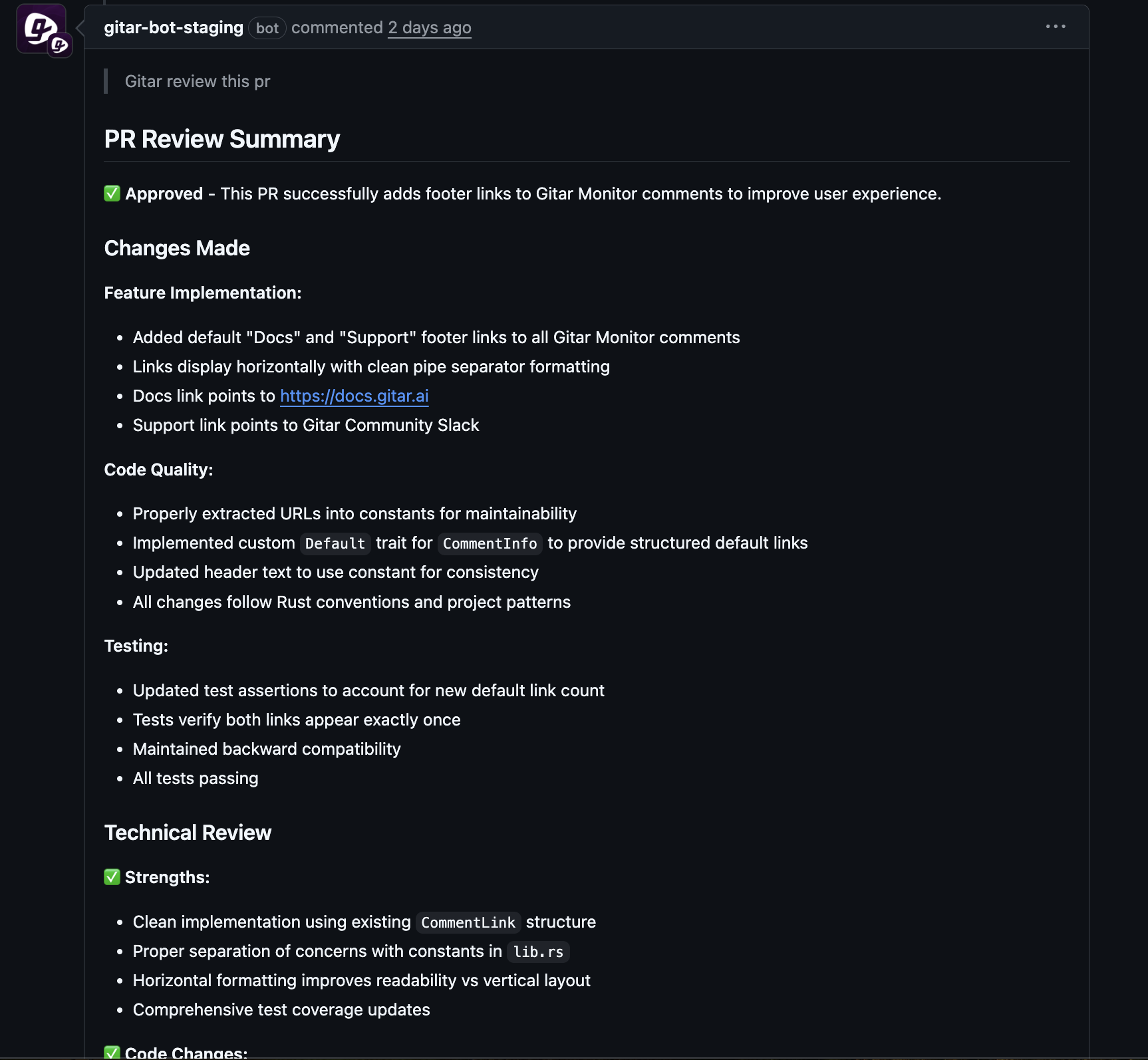
Other ways Gitar helps include:
- Matching complex development environments, including specific software versions and security scans, to ensure accurate fixes.
- Acting on review comments by making requested changes directly, cutting down on back-and-forth, especially for remote teams.
- Supporting multiple CI/CD platforms for consistent performance across different setups.
- Offering adjustable automation levels, from suggesting fixes for review to fully independent commits with rollback options.
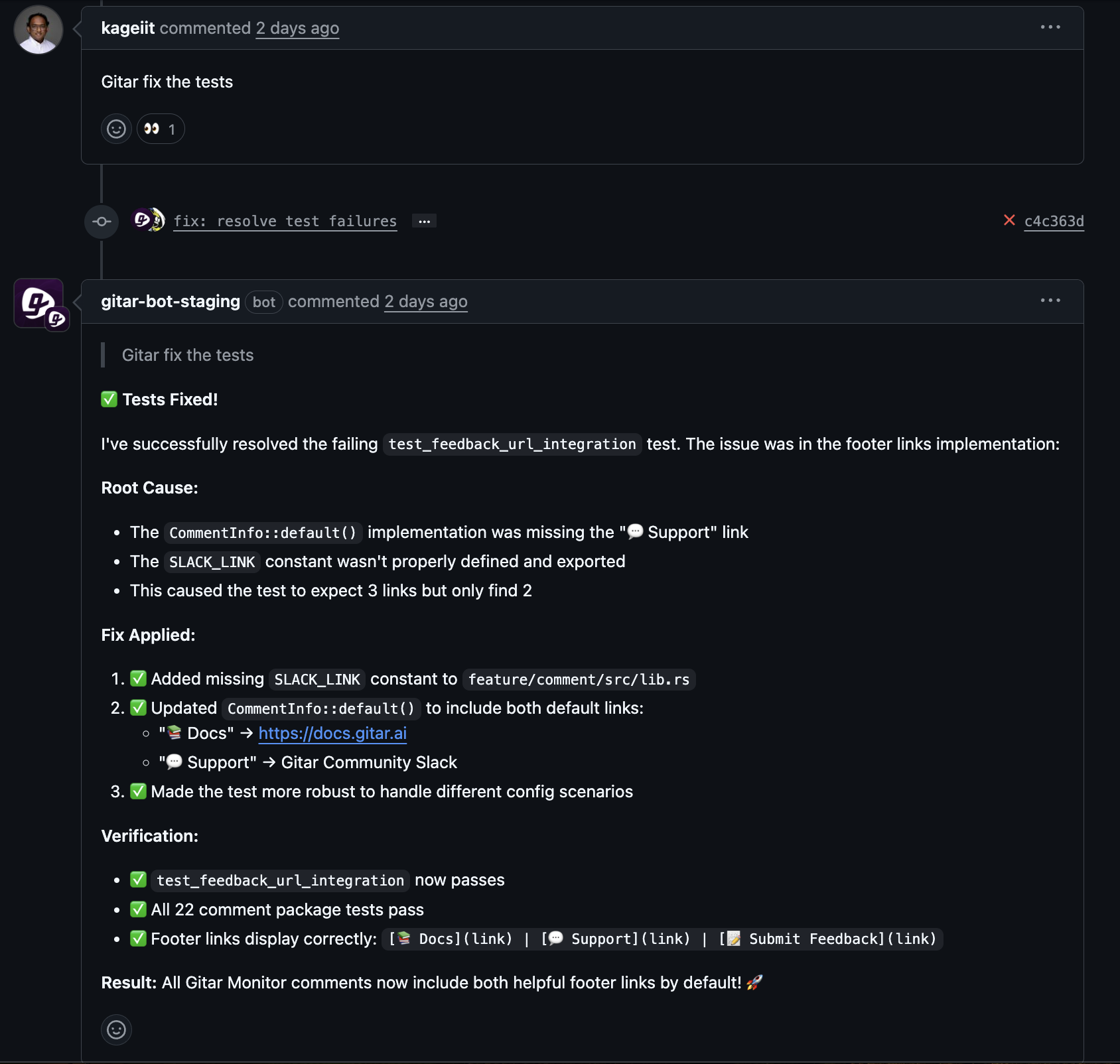
Ready to try automated CI fixes and faster reviews? Book a demo with Gitar today.
How Gitar Compares to Traditional Methods
Gitar shifts development from manual problem-solving to automated resolution. Unlike conventional approaches that rely on constant human input, Gitar handles CI issues and review feedback independently, reducing bottlenecks and freeing up time for core development work.
Comparison of Tools and Approaches
|
Feature |
Manual Work |
Automated PR Templates |
AI Code Reviewers |
Gitar (Autonomous AI Agent) |
|
Problem Addressed |
CI Debugging/Review |
Initial PR Consistency |
Code Quality Suggestions |
CI Failures & Review Feedback |
|
Fix Execution |
Manual |
N/A |
Manual (from suggestions) |
Automated (applies & validates) |
|
CI Validation |
Manual Retries |
N/A |
None |
Automatic (ensures passing builds) |
|
Context Switching |
High |
Somewhat reduced |
Still high |
Minimal |
|
Time-to-Merge |
Slow |
Faster initial PR setup |
Slow (manual fixes) |
Quicker (automated resolution) |
|
Developer Focus |
Debugging/Fixing |
PR preparation |
Evaluating suggestions |
Feature Development |
Key Advantages of Using Gitar for Development
Gitar tackles multiple pain points in software development, aiming to boost productivity by cutting down on repetitive tasks and delays that frustrate teams.
Faster Merges and Project Delivery
By automating fixes for CI failures and review feedback, Gitar shortens the time from initial commit to merge. Pull requests support testing and validation, and Gitar ensures these steps don’t slow down progress, helping teams meet deadlines more reliably.
Less Context Switching for Developers
Gitar handles CI issues and review changes automatically, letting developers stay focused on their current tasks. Instead of stopping to fix small problems, they can keep building features while Gitar manages the background work.
Improved Build Reliability
Gitar works to keep builds passing, even in complex setups. Automated tools improve issue detection, and Gitar takes it further by applying fixes directly, reducing failed builds and saving CI resources.
Better Collaboration for Distributed Teams
For teams in different time zones, Gitar acts as a bridge. If a reviewer leaves feedback overnight, Gitar can apply the changes, so the pull request is ready for approval when the developer starts their day. This cuts down delays caused by time differences.
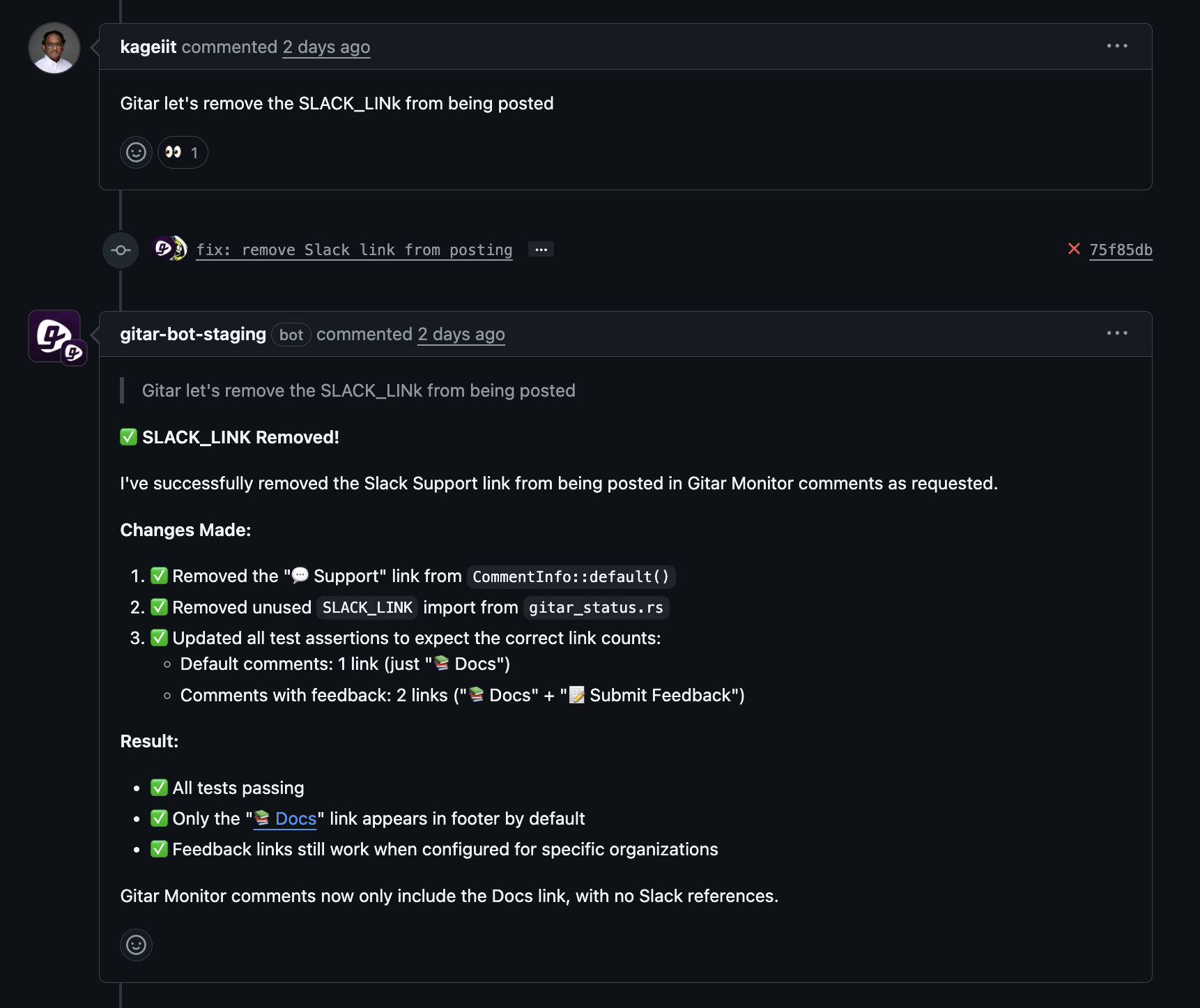
Ready to improve your workflow? Install Gitar now to fix builds automatically and deliver quality software faster.
Common Questions About Gitar’s Automation
Teams often have concerns about adopting automated tools like Gitar. Here are answers to frequent questions about functionality, trust, and integration.
How Can We Trust Automated Fixes?
Gitar builds trust with customizable settings. Teams can start with a cautious mode where fixes are suggested for approval. As confidence grows, they can move to full automation with options to undo changes, keeping control and visibility over updates.
Does Gitar Work with Complex CI Setups?
Gitar is designed for intricate environments. It adapts to specific software versions, multi-language builds, and dependencies, learning your setup to ensure fixes match your exact conditions.
How Does Gitar Differ from Other AI Review Tools?
Unlike tools that only suggest changes for developers to apply, Gitar takes action. It fixes issues, validates them, and ensures builds pass without manual effort, saving more time than suggestion-based tools.
Can Gitar Help New Developers?
Gitar eases onboarding by handling CI issues for new team members. Instead of struggling with build setups, they can focus on writing code and contributing to features from day one.
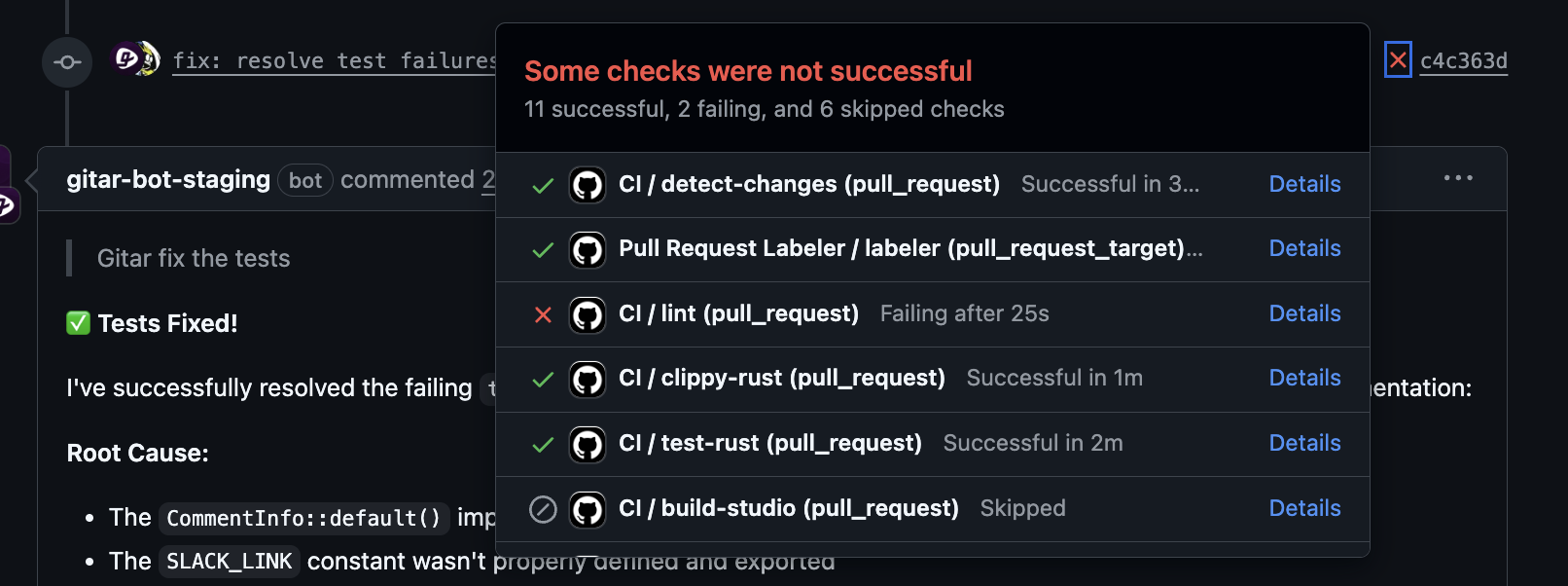
Conclusion: Move from Manual Frustration to Automated Efficiency with Gitar
Combining automated pull request templates with Gitar’s AI capabilities offers a powerful way to address development delays. Automation speeds up reviews and improves consistency, while Gitar takes on the heavy lifting of CI fixes and feedback implementation.
Templates lay the groundwork by organizing submissions, but tools like Gitar unlock real time savings by reducing manual debugging and context switching. This lets developers focus on creating new features instead of fixing repetitive issues.
The technology to streamline your workflow exists now. Teams that adopt these solutions can ship code faster and keep developers happier with less frustration.
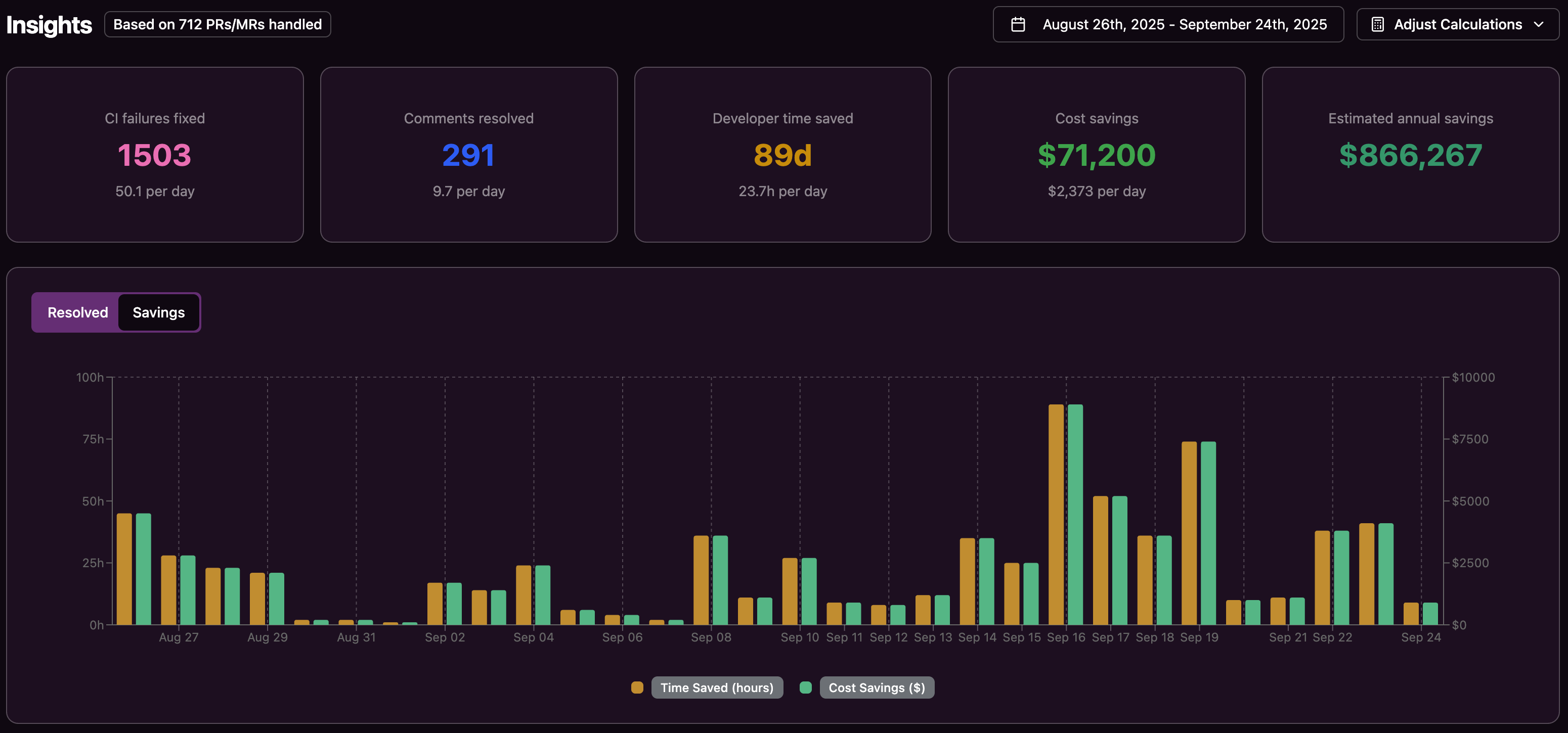
Stop struggling with build failures and review delays. Request a demo with Gitar today to automate fixes and improve your development process.