
Last updated: March 10, 2026
Key Takeaways for Faster PR Merges
- PR review times have surged 91% because AI-generated code creates three to five times more pull requests than teams can handle manually.
- Keep PRs small (under 400 LOC), write clear titles and descriptions, add tests early, and rebase daily to speed up reviews.
- Set 24-hour review SLAs, enable auto-merge on green CI, split large PRs, and automate linting to remove common bottlenecks.
- Gitar’s AI healing engine auto-fixes lint and test failures, validates against your CI, and guarantees green builds unlike suggestion-only tools.
- Teams using Gitar report four times faster merges and $750K annual savings. Install Gitar now for a 14-day trial and ship higher quality software faster.
The New PR Bottleneck from AI Code Generation
AI-assisted developers produce three to four more commits than non-AI users, packaged into significantly larger pull requests that touch more files. More code creates more PRs, more tests to run, more potential failures, and longer review cycles.
The cost is staggering. A 20-developer team losing just one hour per day to CI and review issues faces $1 million in annual productivity losses. AI tools reduce individual task cycle times by 24%, yet sprint velocities stay flat because review queues keep growing.
Traditional suggestion engines like CodeRabbit charge $15-30 per developer but still require manual implementation of fixes. They identify problems without solving them, so developers keep context-switching between writing new code and repairing CI failures.
Steps 1-4: Author Habits That Speed Up PR Reviews
1. Keep PRs Small (Under 400 LOC)
A study of 212,687 PRs across 82 open-source projects showed 66-75% defect detection within 200-400 lines of code. Review effectiveness drops sharply once a PR crosses 400 LOC.
|
Language |
Ideal Size |
Hard Limit |
|
Python/JavaScript |
<300 LOC |
400 LOC |
|
Java/Go |
<400 LOC |
500 LOC |
|
Rust |
<250 LOC |
350 LOC |
2. Write Clear Titles and Descriptions
State what changed, why it changed, potential risks, and your testing approach. Clear context reduces back-and-forth questions and shortens review cycles.
3. Add Tests and Do a Self-Review Early
Run tests locally and review your own diff before requesting review. Catch obvious issues yourself instead of pushing that work to reviewers.
4. Rebase Daily to Avoid Conflicts
Use git rebase main to keep your branch current and avoid merge conflicts that delay integration.
Gitar consolidates all feedback into a single dashboard comment that updates in place and cuts notification spam. See the Gitar documentation for setup instructions. Setup takes about 30 seconds and immediately reduces cognitive load from scattered inline comments.
Steps 5-8: Team Workflows and Automation That Remove Friction
5. Set 24-Hour Review SLAs for the Team
High-performing teams measure cycle time in hours, not days. Define team agreements for review response times and track 75th-percentile review duration to uncover bottlenecks.
6. Enable Auto-Merge on Green CI
Configure GitHub’s auto-merge feature so PRs merge automatically when all checks pass and required reviews are approved. This removes the final manual step that often causes avoidable delays.
7. Split Large PRs with Focused Git Branches
When work exceeds size limits, use git to create focused PRs that reviewers can handle quickly.
- git checkout -b feature-part-1
- git cherry-pick <specific-commits>
- git push origin feature-part-1
8. Automate Linting and CI Checks
Set up pre-commit hooks and comprehensive CI pipelines to catch issues before human review. Automated checks handle formatting, style, and basic correctness so reviewers can focus on logic and design.
Gitar strengthens this automation. Competing tools suggest fixes, while Gitar automatically applies them and validates that they work in your CI environment.
|
Capability |
CodeRabbit/Greptile |
Gitar |
|
Auto-apply fixes |
No |
Yes |
|
CI failure analysis |
No |
Yes |
|
Validate fixes work |
No |
Yes |
|
Green build guarantee |
No |
Yes |
Teams report four times faster PR merge times when CI failures are automatically resolved instead of flagged for manual fixing.

Steps 9-12: Supercharge Reviews with Gitar AI Healing
9. Turn On Auto-Fix for Lint and Test Failures
When CI fails, Gitar analyzes failure logs, generates fixes with full codebase context, validates them, and commits them automatically. Developers avoid constant context switching to repair lint errors or broken tests.
10. Configure Natural Language Rules for PR Handling
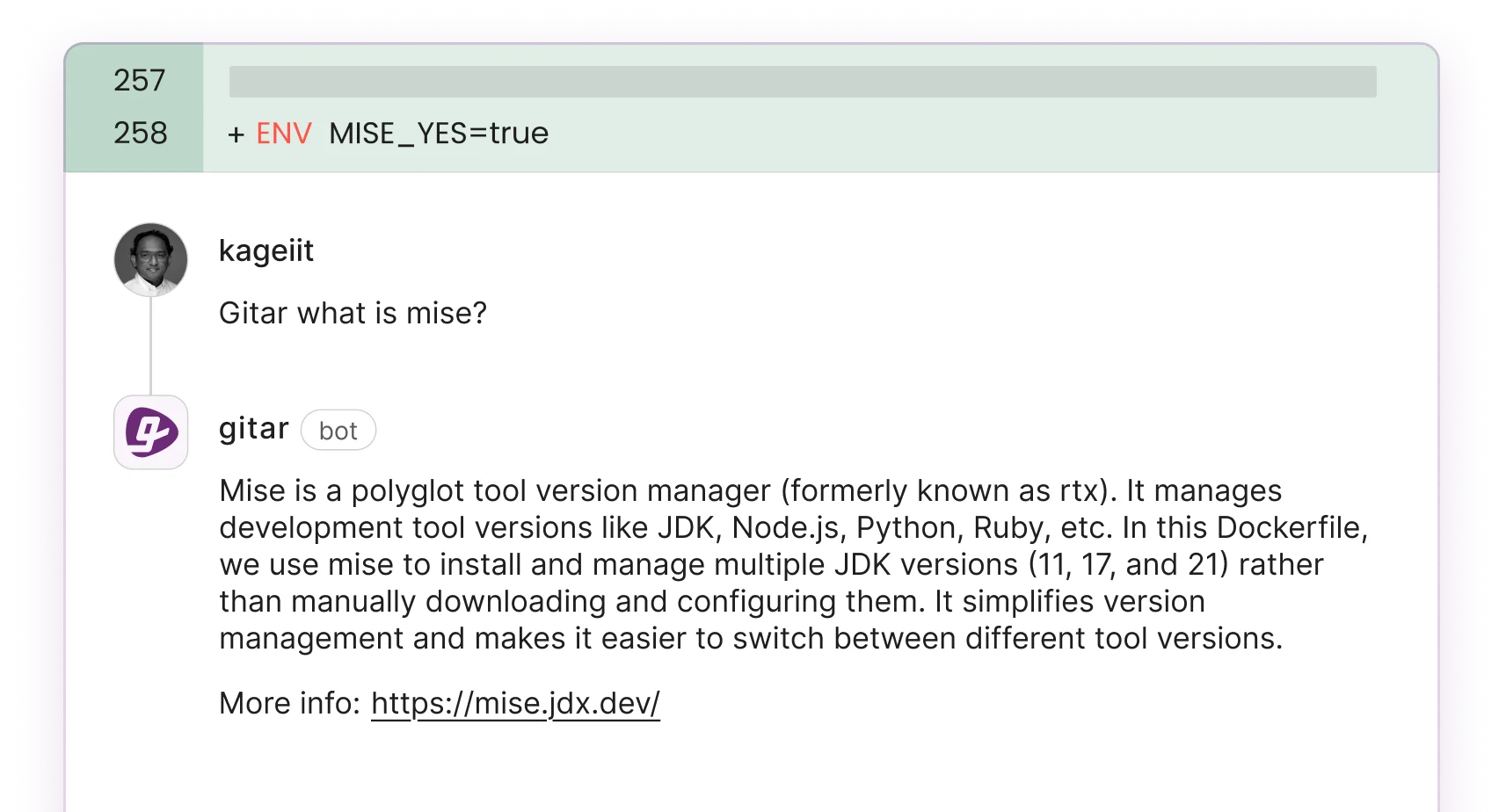
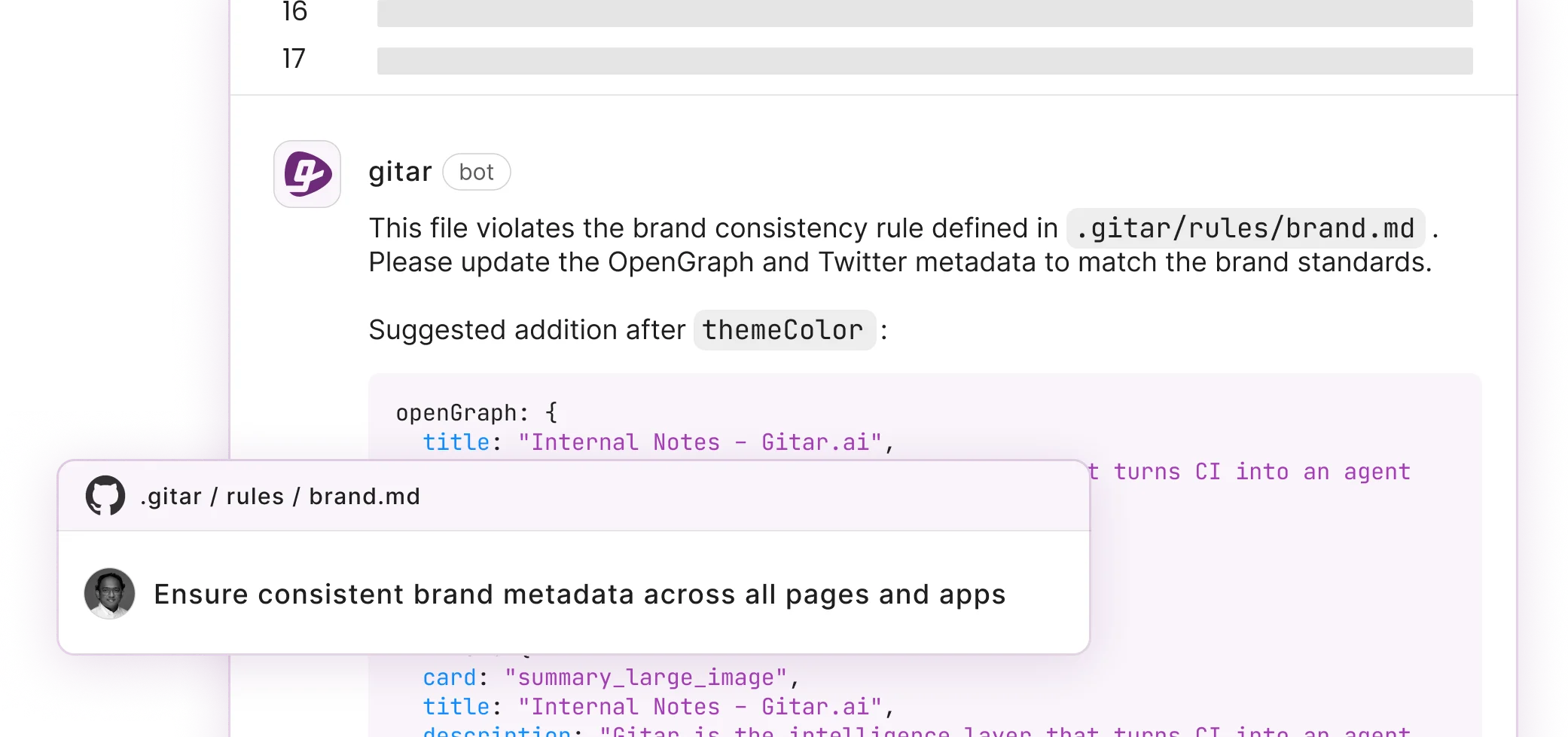
Create .gitar/rules/*.md files using plain English instead of complex YAML.
“When PRs modify authentication code, assign security team and add security-review label”
11. Use a Single Updating Comment for Feedback
Gitar replaces noisy comment threads with one clean comment that updates as issues are resolved. Competing tools often send dozens of notifications for the same PR, which fragments attention.
12. Track ROI with Gitar Analytics
Monitor time savings and productivity improvements in Gitar’s dashboard to quantify impact.
|
Metric |
Before Gitar |
After Gitar |
|
CI/review time per dev |
1 hour/day |
15 minutes/day |
|
Annual cost (20-dev team) |
$1M lost productivity |
$250K |
|
Context switching |
Multiple/day |
Near-zero |
Gitar supports GitHub, GitLab, CircleCI, and Buildkite and includes native integrations for Jira, Slack, and Linear. See the Gitar documentation for integration details. Start your 14-day Team Plan trial to automatically fix broken builds and ship higher quality software faster.
FAQ: Practical Tips for Faster, Safer Merges
How do I split large PRs effectively?
Use feature flags to deploy incomplete features safely, then break work into logical chunks. Handle database migrations first, then API changes, then UI updates. Each PR should be independently reviewable and deployable. Git stacking tools like Graphite help manage dependent PRs, but the core practice is identifying natural breakpoints in your work.
How do I set up auto-merge properly?
In GitHub, open Settings, then General, then Pull Requests, and enable “Allow auto-merge.” On individual PRs, click “Enable auto-merge” and select “Squash and merge.” The PR merges automatically when all required checks pass and reviews are approved. Configure branch protection rules to require status checks and reviews before auto-merge can trigger.
How does Gitar compare to CodeRabbit?
CodeRabbit analyzes code and leaves suggestions in comments, but you still implement fixes manually and hope they work. Gitar’s healing engine automatically applies fixes, validates them in your CI environment, and guarantees green builds. CodeRabbit charges $15-30 per developer for suggestions, while Gitar offers a 14-day free trial of full auto-fix capabilities so you can measure productivity impact before committing.
Can I trust automated commits to my codebase?
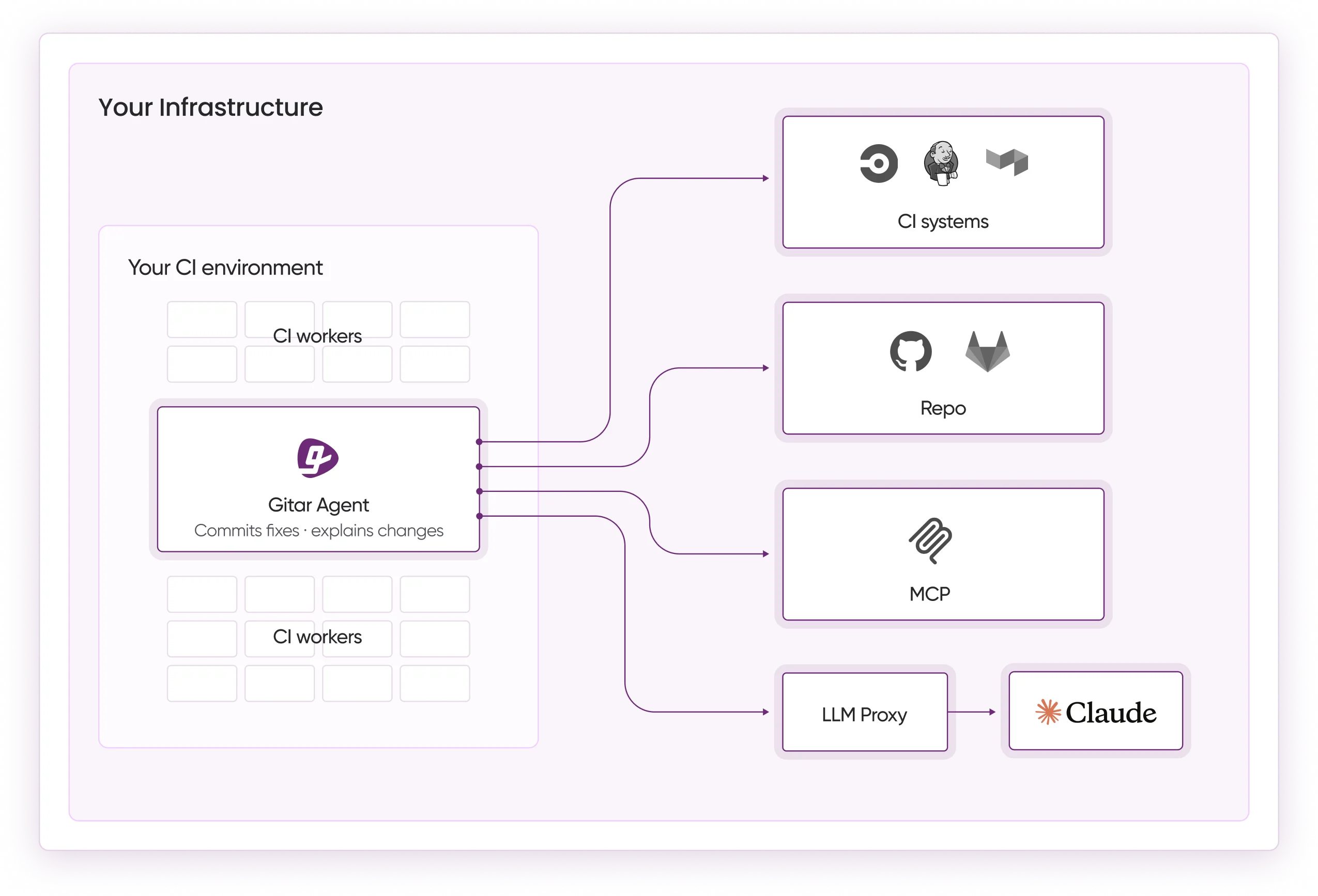
Gitar is fully configurable and respects your comfort level. Start in suggestion mode where you approve every fix to build trust. Enable auto-commit for specific failure types like lint errors once you feel confident. The system emulates your CI environment including SDK versions and dependencies, so fixes that pass Gitar validation also pass your production CI.
What if my CI setup is complex or unique?
Complex CI environments suit Gitar especially well. The platform emulates your full environment including specific SDK versions, multi-dependency builds, and third-party security scans. Enterprise deployments can run the Gitar agent inside your own CI with access to your secrets and caches. This approach ensures fixes work in your exact production context, not just in isolation.
Conclusion: Achieve Same-Day PR Merges
The 2026 AI coding surge created a new bottleneck around review capacity. These 12 steps, from keeping PRs under 400 lines to setting 24-hour SLAs and using autonomous AI fixes, restore the velocity your team expects in the post-AI coding era.
Manual best practices move you part of the way. Autonomous code review that actually fixes problems carries you across the finish line. Install Gitar now to automatically fix broken builds and ship higher quality software faster. Your 14-day Team Plan trial starts in about 30 seconds.