
Key Takeaways for 2026 AI Code Fix Systems
- AI coding tools speed up code creation but slow down PR validation and merging, costing teams over $1M annually in lost productivity.
- Continuous AI autofix systems scan PRs and CI, generate validated fixes, and auto-commit solutions that keep builds green.
- Gitar outperforms CodeRabbit and SonarQube by offering free enterprise-grade autofix, full CI validation, and a single-comment UI.
- Teams see 15% higher PR merge rates, shorter review times, and self-healing pipelines through phased Gitar rollout.
- Start with Gitar’s free tier at gitar.ai to escape the suggestion trap and ship real AI code fixes today.
How Continuous AI Autofix Systems Create Self-Healing Code Pipelines
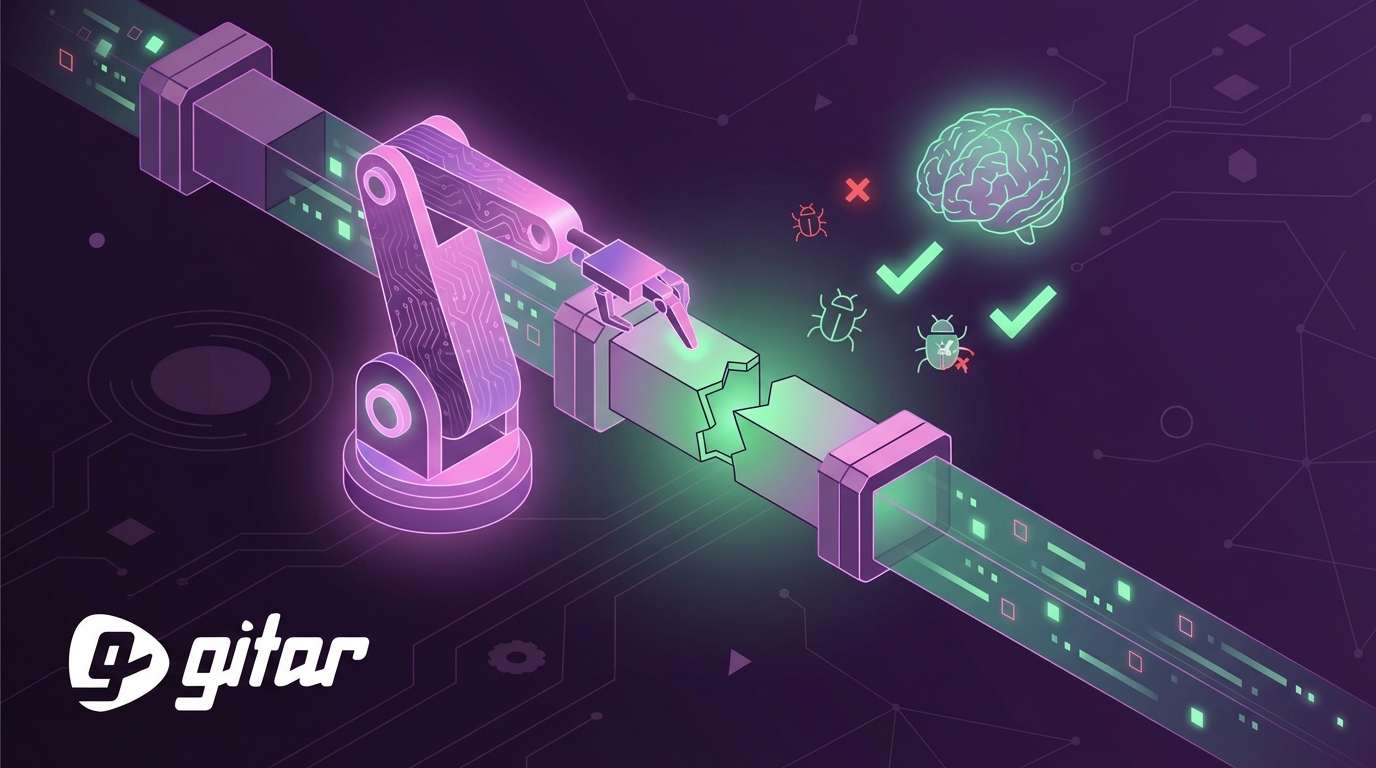
Continuous code quality systems with automated AI fixes replace comment-only tools with a complete healing loop that closes the gap between detection and repair.
- PR/CI Trigger Detection – The system monitors new commits, failed builds, and review requests.
- Deep Context Analysis – It scans code diffs, build logs, and failure patterns with full repository context.
- Root Cause Identification – AI-generated code introduces 75% more logic issues, so the engine applies advanced pattern recognition.
- Context-Aware Fix Generation – It creates fixes using a complete understanding of the codebase, not isolated snippets.
- Full Validation – The system tests fixes in the real CI environment with actual dependencies and configurations.
- Automatic Commit – It applies validated fixes directly to the branch.
- Consolidated Reporting – A single dashboard comment updates with all resolved issues.
This healing loop solves the core limitation of suggestion tools. Developers accept less than 44% of AI-generated code suggestions because those suggestions lack validation. Healing engines test fixes in real environments before applying them, so teams receive changes that already work.
Gitar vs CodeRabbit vs SonarQube: 2026 Healing Engine Comparison
The current market splits into expensive suggestion engines and full healing platforms. Gitar is the only option that delivers enterprise-grade automated fixes at no cost. See the Gitar documentation for deeper technical details.
| Capability | CodeRabbit/Greptile | SonarQube AI | Gitar |
|---|---|---|---|
| PR Analysis | Yes ($15-30/seat) | Yes (Enterprise) | Yes (Free) |
| Inline Suggestions | Yes | Yes | Yes (Free) |
| Auto-Apply Fixes | No | Limited | Yes (14-day trial) |
| CI Auto-Fix & Validate | No | No | Yes (14-day trial) |
| Single Comment UI | No | No | Yes |
| Cross-CI Support | Limited | Limited | Yes |
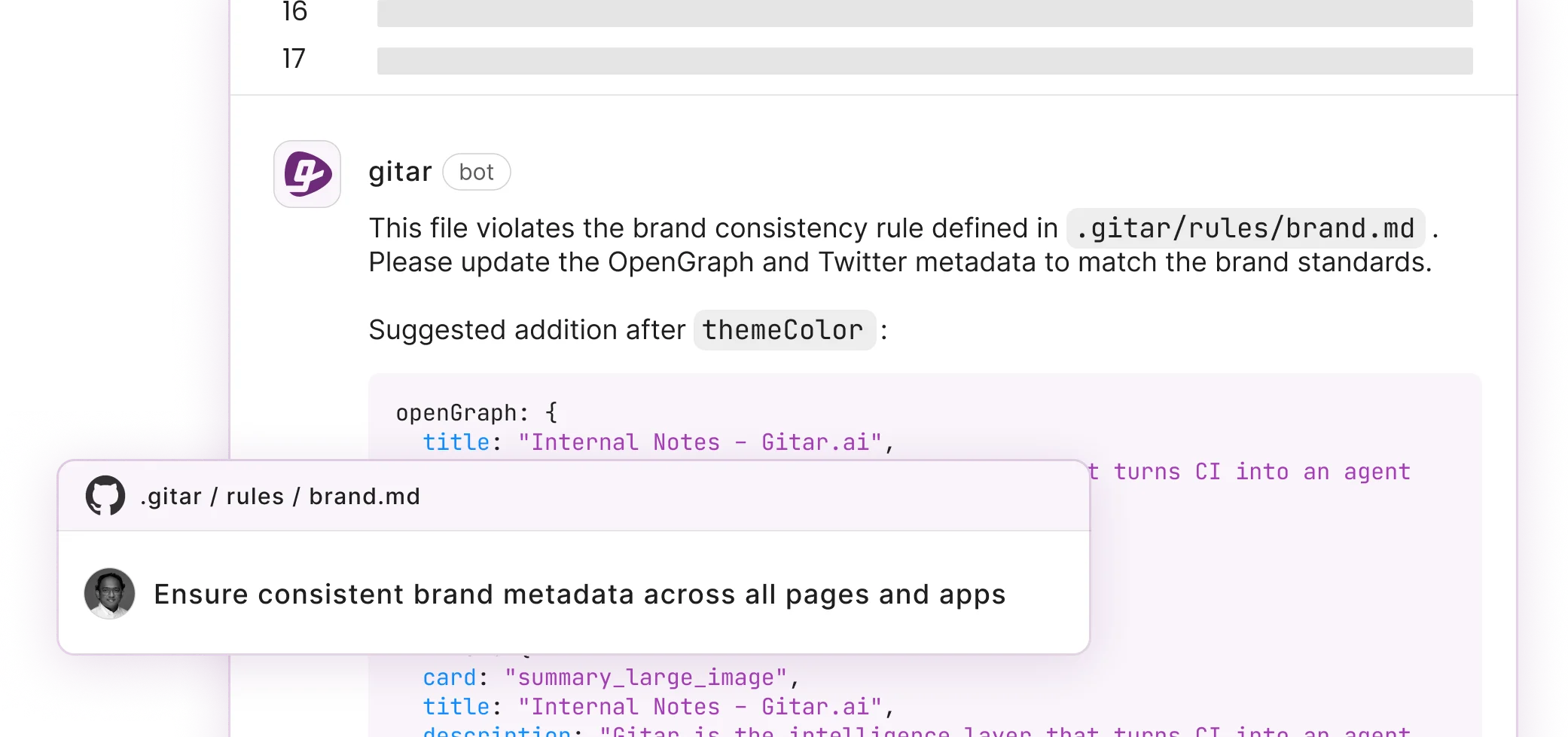
Gitar’s advantages go beyond price. The platform supports natural language rule configuration, native Jira and Slack integrations, and full CI environment emulation. Competing tools scatter notifications across multiple comments and channels, while Gitar keeps everything in a single, updating comment that reduces cognitive load for reviewers.
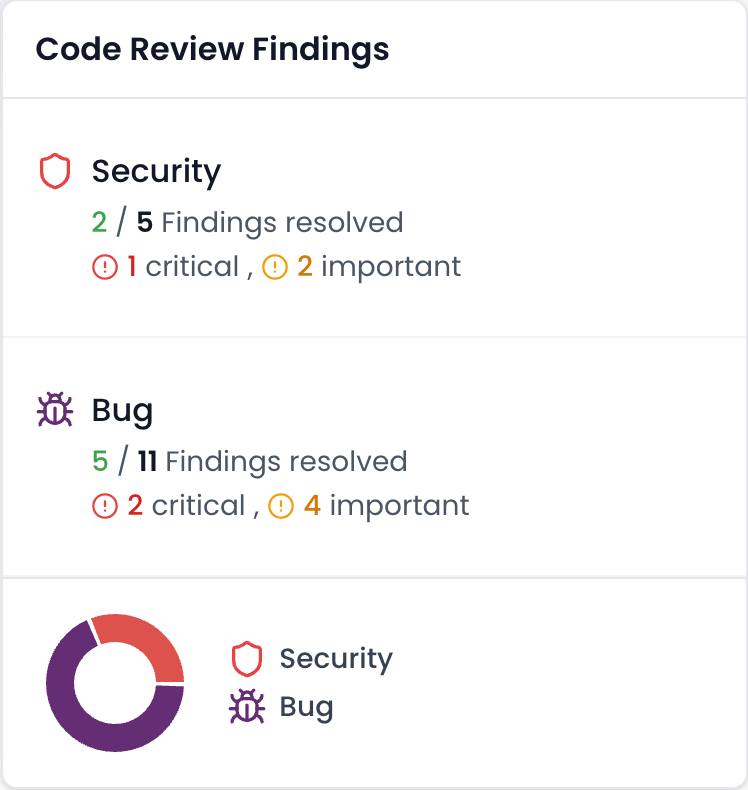
Try Gitar’s automated AI code fixes free and see the difference between suggestions and validated solutions.
Step-by-Step Gitar Rollout for Self-Healing Pipelines
Teams gain the most value from continuous AI code fixes when they adopt Gitar in controlled phases that build trust and automation gradually.
Phase 1: 30-Second Installation
- Install the Gitar GitHub App or GitLab integration using the installation guide.
- Skip credit card entry and account setup, because they are not required.
- Allow Gitar to begin PR analysis automatically on the next commit.
Phase 2: Trust Building with Suggestion Mode
- Review and approve AI-generated fixes manually.
- Track fix accuracy and validation quality across several PRs.
- Use this data to build confidence in automated solutions.
Phase 3: Enable Selective Autofix
- Turn on auto-commit for lint errors and test failures.
- Set approval workflows for security-related or high-risk changes.
- Monitor fix success rates and refine configuration over time.
Phase 4: Advanced Workflow Automation
- Create natural language rules in
.gitar/rules/*.mdfiles using the rules documentation. - Use rules such as: “PRs modifying authentication code require security team review.”
- Connect Gitar with your CI tools supported by the platform.
This phased rollout keeps teams in control while they gain trust in automated fixes and expand coverage.
Measured Benefits, ROI, and Common Concerns
Organizations that adopt continuous code quality systems with automated AI fixes report clear, measurable gains across delivery speed and stability.
Quantified Benefits
- Shorter PR review cycles because the system implements many fixes automatically.
- No developer interruptions from CI failures during deep-focus work.
- Self-healing pipelines that resolve issues before developers even see them.
- 15% improvement in PR merge success rates with AI-assisted workflows.
ROI Analysis for a 20-Developer Team
| Metric | Before Implementation | After Implementation |
|---|---|---|
| Annual Productivity Cost | $1M+ (lost time) | $250K (reduced friction) |
| Tool Expenses | $450-900/month | $0 (Gitar free tier) |
| PR Review Time | 91% increase from AI coding | Significant reduction from autofix |
Addressing Implementation Challenges
Teams often worry about false positives and automated commits. Gitar’s validation approach significantly outperforms traditional suggestion engines because it tests fixes in the actual CI environment before applying them.
Trust grows through configurability. Teams begin with manual approval workflows, then gradually enable automation for specific failure types. Customer feedback supports this pattern. Tigris engineering reported that Gitar summaries are “more concise than Greptile.” Collate’s team highlighted that “unrelated failure detection saves significant time” by separating code issues from infrastructure problems.
FAQ: AI Code Fix Systems and Gitar in Practice
What is AI code fix and how does it differ from code suggestions?
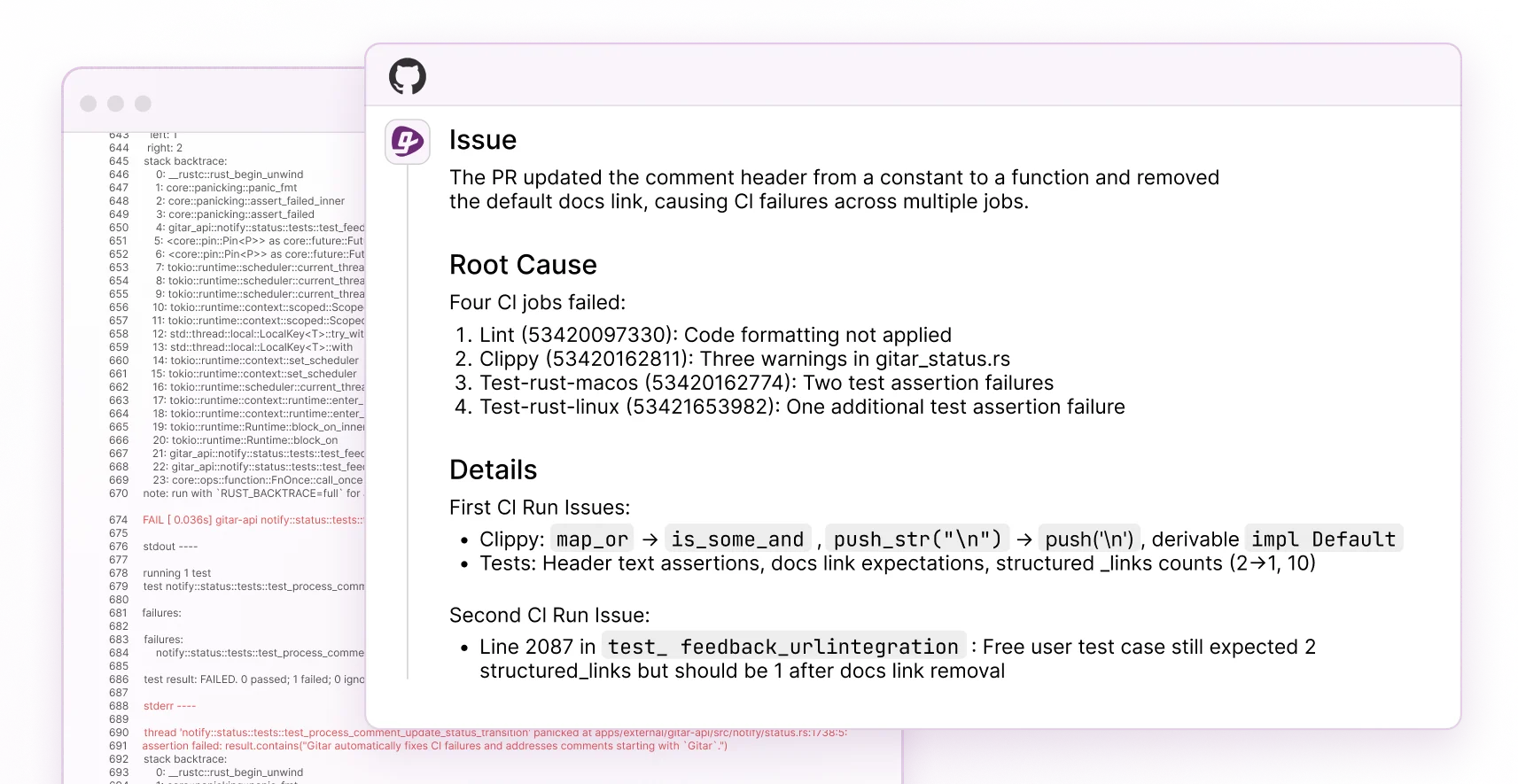
AI code fix refers to automated systems that identify code issues, implement solutions, and validate the results. Suggestion engines only add comments that still require manual work. AI code fix platforms such as Gitar generate fixes, test them in your CI environment, and commit working changes. This healing model delivers green builds instead of unproven suggestions.
What is the best free AI code fixer available in 2026?
Gitar offers the most complete free AI code review platform with autofix features available on a 14-day trial. It includes unlimited repository access, full PR analysis, security scanning, and bug detection. Competing tools charge $15-30 per developer for basic suggestions, while Gitar’s free tier delivers features that exceed many paid options, with no seat limits and no credit card required.
How can I integrate SonarQube AI code fixes with my existing workflow?
Gitar fits into your existing workflow by analyzing CI failures and review feedback from your pipeline. It automatically addresses issues such as quality gate failures and security vulnerabilities. The platform processes build logs, generates targeted fixes, and validates them against your complete CI pipeline, which creates a seamless quality improvement flow.
How does Gitar guarantee green builds with automated fixes?
Gitar uses full CI environment emulation and tests every generated fix against your real build configuration, dependencies, and test suites before committing. This validation process runs the complete CI pipeline with the proposed fix. It checks compatibility with your SDK versions, third-party integrations, and custom build steps, so merged fixes already match your environment.
What is the catch with free AI code fixing tools?
Gitar’s business model centers on free code review that builds trust, with autofix features offered on a 14-day free trial. Revenue comes from enterprise capabilities such as advanced analytics, custom workflow automation, and on-premises deployment. The core review functionality stays free because it forms the base for more advanced development intelligence products.
Conclusion: Ship Continuous Code Quality with Gitar
The AI coding wave created a review and validation bottleneck that suggestion engines cannot resolve. By 2026, autonomous patching systems reduce vulnerability exploitations by 40%, which shows how critical automated fixes have become.
Continuous code quality systems with automated AI fixes remove post-AI development bottlenecks and keep pipelines healthy. While competitors charge premium prices for basic commentary, Gitar delivers enterprise-grade healing at no cost, with validation that ensures working solutions.
Install Gitar now, automatically fix broken builds, and start shipping higher quality software faster. Experience the difference between AI suggestions and AI solutions that actually work.