
CI pipeline failures can derail a developer’s day. You push a pull request, expecting a smooth process, only to see errors pop up. A dependency issue, a flaky test, or a minor linting mistake can turn a quick task into a frustrating cycle of debugging, fixing, and waiting for the pipeline to rerun. This repetitive process eats up time and breaks your focus.
Traditional real-time alerting in CI/CD systems notifies you of issues as they happen. However, these alerts only point out the problem, leaving you to handle the investigation and fix. This manual effort creates delays and disrupts your workflow. The next step for CI/CD isn’t just faster alerts, but solutions that fix issues automatically. AI-driven tools are shifting the focus from notification to resolution, addressing failures and feedback without pulling you away from your work.
Why Traditional Alerts Often Cause More Issues
Real-time notifications aim to keep you updated on CI failures, but they frequently add to your workload. Alerts interrupt your day, pulling you away from coding to deal with routine problems that could be automated.
Constant Interruptions Drain Productivity
Every alert about a CI failure or code review comment forces you to switch tasks. This shift from focused work to troubleshooting adds unnecessary stress. Many CI/CD pipeline failures need manual effort to identify and resolve, often causing delays since issues may not replicate easily on local setups.
Switching tasks doesn’t just waste the time spent fixing an issue. It also costs you the mental energy needed to return to your original work. Context switching can reduce productive time by up to 40 percent for knowledge workers. A quick 10-minute fix for a test failure can lead to another 15 to 20 minutes of regaining focus on your main task.
With frequent CI issues like configuration errors or dependency mismatches, these alerts pile up. Each notification forces a choice between staying focused or fixing the issue, often leading you to drop important work for minor maintenance tasks.
High Costs of Manual Fixes
The financial impact of handling CI/CD issues manually adds up quickly. Developers may spend up to 30 percent of their time on CI and code review tasks instead of building features or improving systems.
Picture this: you push a pull request, get an alert about a linting error, pause your work to check the logs, apply a fix, push the change, and wait for the pipeline. This small interruption can take 30 to 60 minutes when you include the time to refocus and the risk of more errors showing up.
For a team of 20 developers losing just one hour daily to CI issues, the yearly cost of lost productivity can hit around $1 million. This estimate uses a rate of $200 per hour per developer, which is保守 for experienced engineers in key markets. Add in delayed features and lowered team morale, and the true cost grows even higher.
Delays in Distributed Teams
Distributed teams face extra challenges with real-time alerts. If you push a pull request at the end of your day on the US West Coast, CI failures or feedback from teammates in other time zones might wait until the next morning. This turns small issues into longer delays.
A minor linting fix that takes minutes can stretch into a 12 to 24-hour wait across time zones. Feedback from a reviewer in India might not reach a developer in California until the next day, dragging a simple pull request over several days.
Even with instant alerts, resolution lags when human input is needed across different schedules. Slow pipelines with long sequential jobs worsen the issue, as each failure extends the feedback loop across varying work hours.
Meet Gitar: AI-Powered Resolution for CI/CD
Gitar changes the game by moving beyond alerts to fix CI/CD issues automatically. This AI tool turns failures and feedback into background tasks, so you can keep working without interruption.

How Gitar Fixes Issues in Real Time
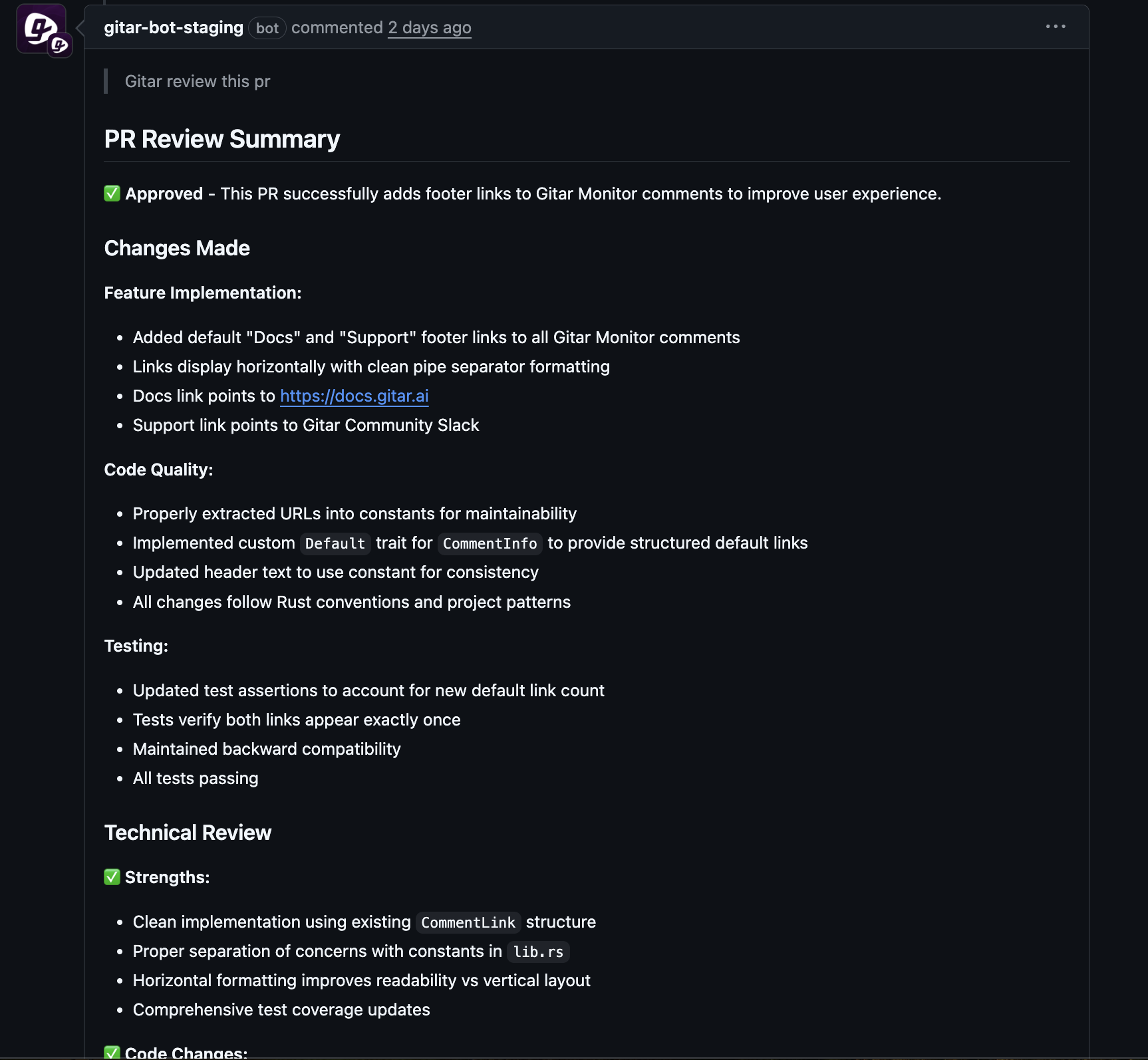
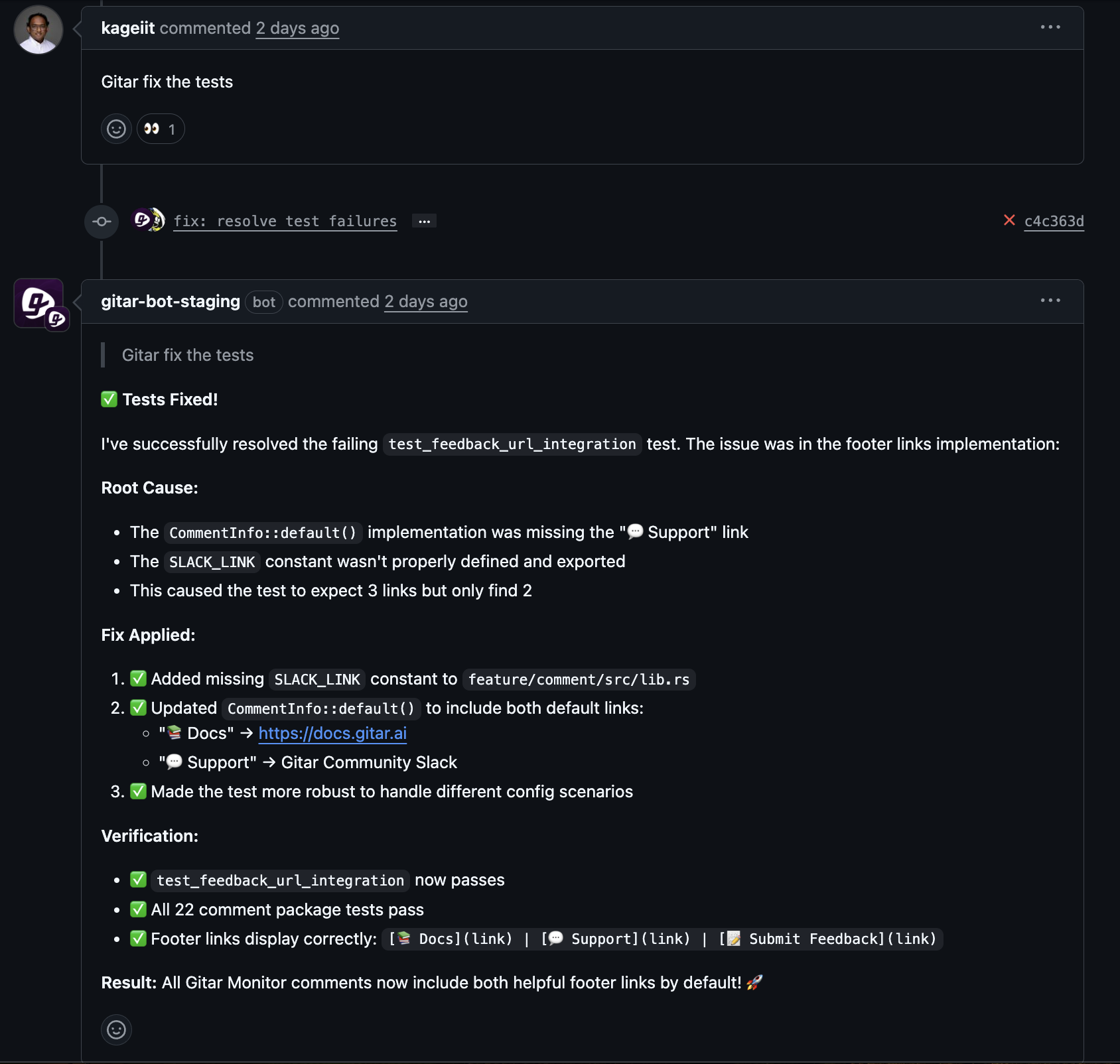
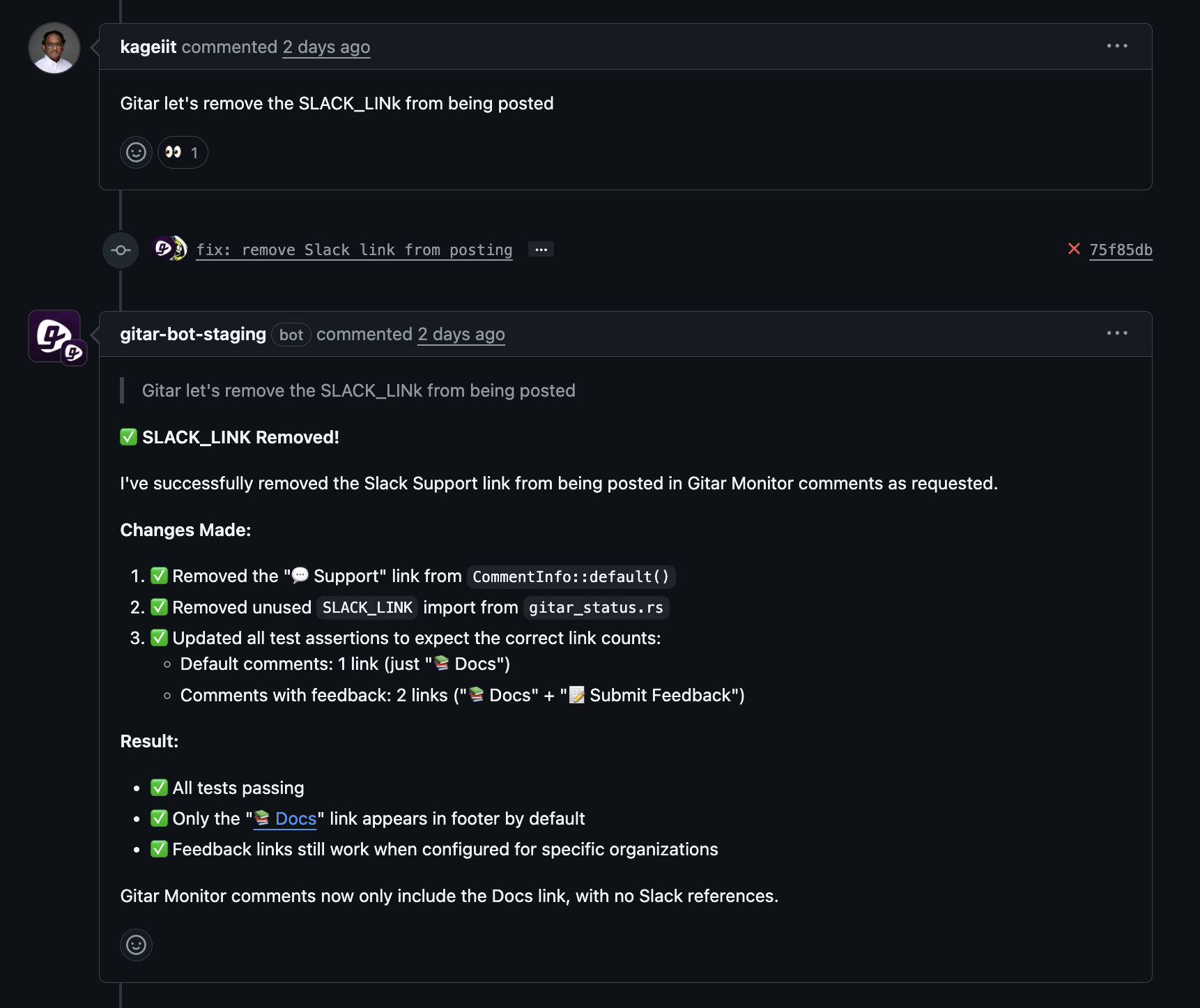
Gitar steps in as an AI agent that catches CI failures and review comments before they reach you. Integrated with your version control and CI tools, it analyzes issues like test failures or linting errors, creates a fix, and commits it to the pull request branch. For code reviews, it reads comments and applies requested changes, often finishing before you notice a problem.
Core Features for Automated CI/CD
Gitar offers several practical capabilities to streamline your workflow:
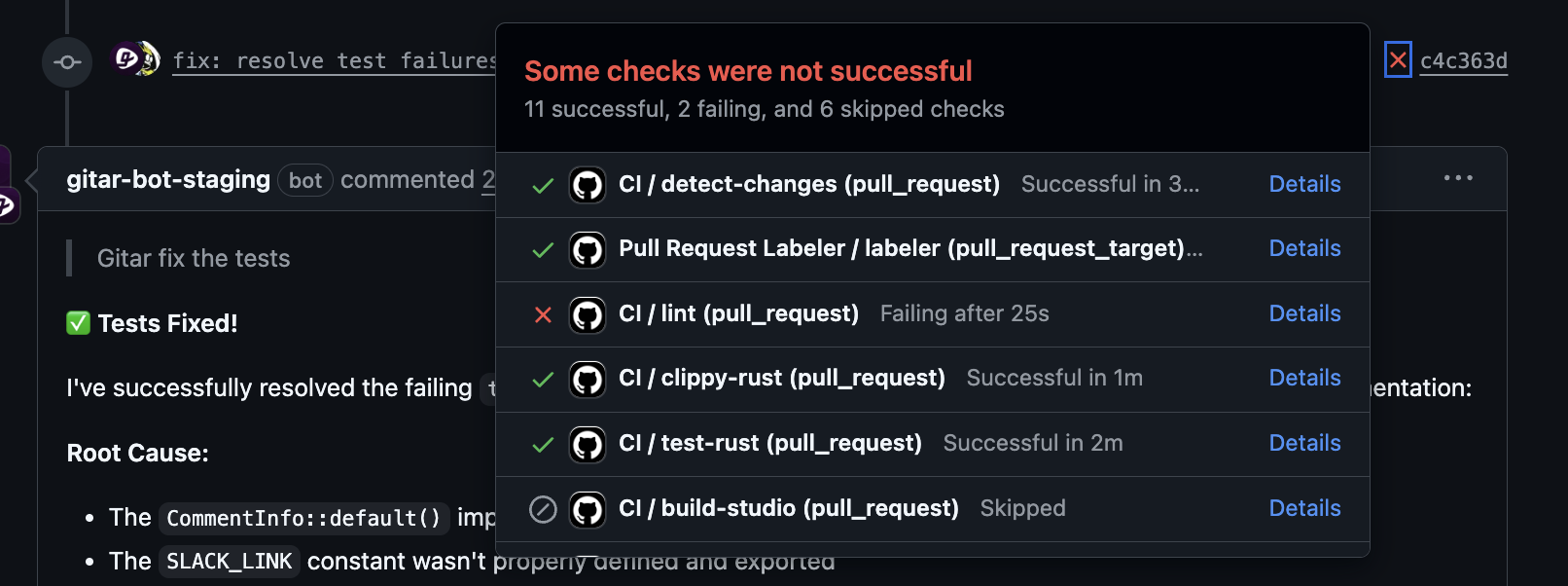
- Complete Fixes: Gitar doesn’t just suggest changes. It applies fixes, runs them through your CI process, and confirms a successful build.
- Environment Matching: It replicates your setup, including specific SDK versions, to ensure fixes fit your context.
- Custom Trust Settings: You can choose how much automation to allow. Start with fixes as suggestions for review, or let Gitar commit directly with options to undo changes.
- Code Review Support: Reviewers can tag Gitar with requests, and it updates the pull request automatically, cutting delays for distributed teams.
- Wide Compatibility: It works with platforms like GitHub and GitLab, fitting into varied toolsets.
Ready to move past constant alerts and start fixing CI/CD issues automatically? Install Gitar now to resolve broken builds and ship better software faster.
Clear Benefits of Autonomous Fixes
Switching to automated resolution with Gitar brings tangible gains in time, delivery speed, and team satisfaction.
Keep Your Focus with Fewer Interruptions
Gitar handles CI issues in the background, so you can stay focused on coding. When errors like linting issues get fixed automatically, you avoid breaking your workflow for minor tasks. This uninterrupted time helps you produce better code and boosts job satisfaction by prioritizing meaningful work.
Speed Up Merges for Quicker Releases
Automated fixes cut down the time from commit to merge. Gitar resolves issues in parallel, avoiding the back-and-forth of manual fixes, which keeps your delivery on track.
Improve Team Morale by Reducing Repetitive Work
Handling fewer tedious CI tasks means less frustration for your team. Gitar takes on the repetitive fixes, freeing you to focus on creative challenges and reducing the risk of burnout.
Save Costs with Measurable Returns
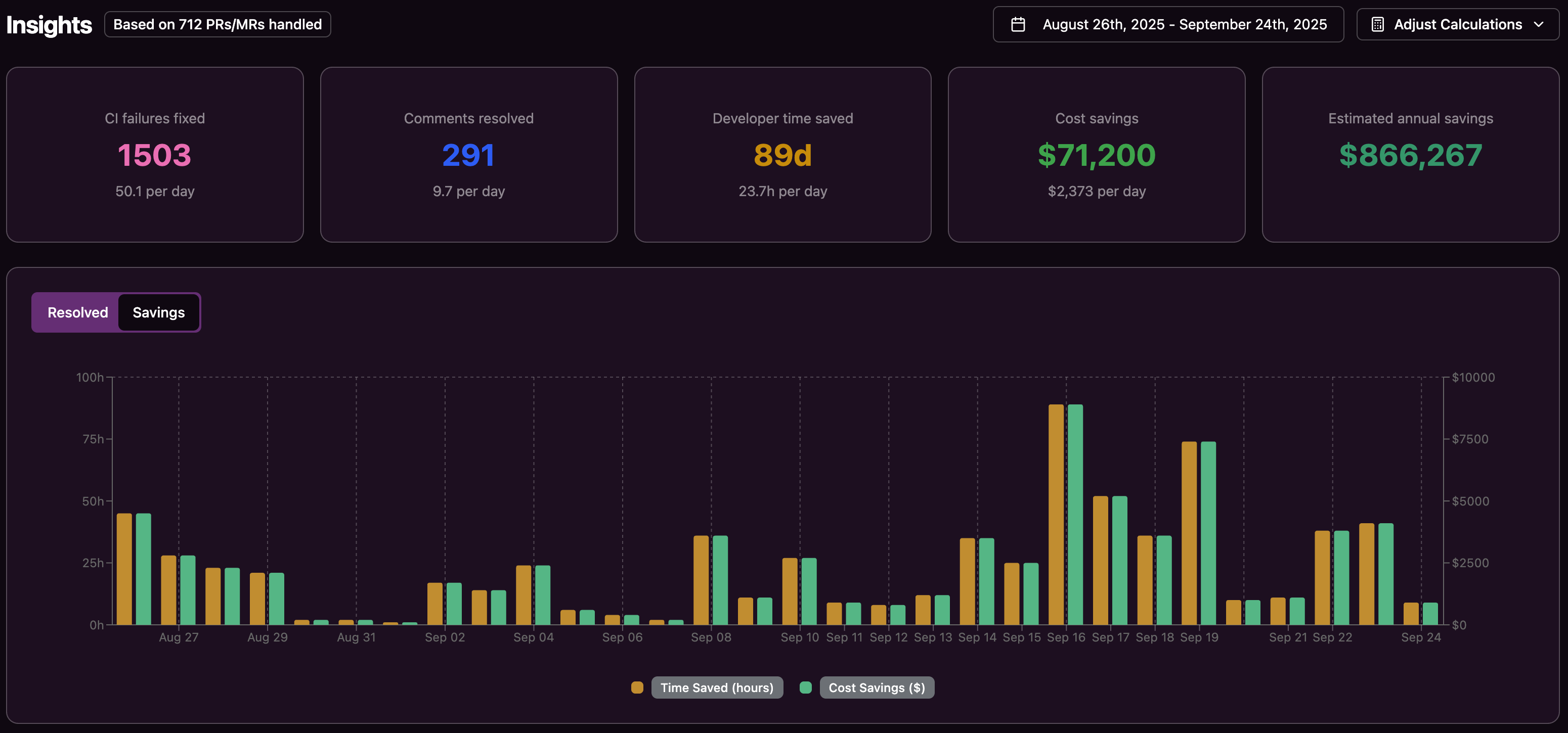
For a team of 20 developers, losing one hour daily to CI issues can cost $1 million yearly. If Gitar cuts even half of these interruptions, you save over $500,000 while improving workflow and output.
|
Feature |
Traditional Alerts |
Gitar: AI-Driven Fixes |
|
Main Function |
Notifies of issues |
Fixes issues automatically |
|
Impact on Developers |
Breaks focus, requires manual fixes |
Preserves focus, reduces repetitive tasks |
|
Resolution Time |
Hours or days for manual fixes |
Minutes with automated fixes |
|
Pipeline Status |
Often fails, needs intervention |
Aims for successful builds automatically |
Install Gitar now to fix broken builds and deliver better software faster.
Setting Up Gitar for Enterprise Needs
Implementing automated CI fixes requires balancing automation with security and workflow needs. Gitar offers customizable settings, detailed tracking, and strong security to meet enterprise standards.
Setup starts with integrating Gitar into select repositories via GitHub or GitLab. You can expand to more critical projects as trust builds. A dashboard lets you control which issues Gitar fixes automatically and which need approval.
For security, every fix comes with clear commit messages explaining the change, ensuring a full record of actions. For distributed teams, Gitar works around the clock, applying feedback across time zones so updates are ready when you start your day.
Common Questions About Automated CI Resolution
How Does Gitar Differ from Other AI Code Review Tools?
Unlike many AI reviewers that only suggest improvements, Gitar implements fixes, validates them through your CI pipeline, and ensures successful builds without extra input from you.
Can Gitar Handle Complex Enterprise CI Setups?
Gitar matches your exact build environment, including SDK versions, to create fixes that work with your specific setup and infrastructure.
Is It Safe to Let AI Commit Fixes Automatically?
Gitar’s design prioritizes control. With adjustable trust settings, you can start with suggested fixes for review and move to direct commits as confidence grows, always with rollback options.
Does Gitar Help with Code Review for Distributed Teams?
Gitar acts as a code review assistant, applying changes from reviewer feedback instantly. For distributed teams, this means feedback gets resolved across time zones, ready for approval the next day.
What CI Failures Can Gitar Fix Automatically?
Gitar resolves common issues like linting errors, test failures, and build problems. Its ability to mimic your environment ensures fixes suit your specific CI setup.
Looking Ahead: Autonomous Resolution Is the Future
Real-time alerting in CI/CD is evolving from simple notifications to automated fixes with tools like Gitar. When issues resolve in the background, you stay focused. When feedback gets handled across time zones, your team keeps moving. The goal isn’t faster alerts, but removing the need for them through smart automation. Want to upgrade your CI/CD process? Install Gitar now to fix builds automatically and ship better software faster.