
Developers often struggle to reach a flow state, that productive zone where coding feels effortless. Distractions and unclear goals for coding sessions frequently break this focus. Vibe coding, a method of setting specific, manageable goals for each session, paired with AI tools like Gitar, helps minimize disruptions and speeds up your time to merge, keeping you in the zone.
Why Unclear Goals and Interruptions Hurt Productivity
Modern developers face a challenge. Even with AI coding assistants speeding up code creation, unclear goals and constant interruptions like CI failures or review feedback pull them away from focused work. This disrupts their flow and slows progress.
Without specific session goals, developers can fall into aimless work, tackling urgent tasks instead of important ones. This creates mental strain and often results in unfinished or scattered efforts that need rework later.
External disruptions make this worse. A CI pipeline failure can turn a productive session into a long debugging task. Code review comments force developers to shift focus, breaking their current train of thought and requiring time to refocus on past work.
Studies show it takes about 23 minutes to regain full focus after an interruption. Multiple disruptions in a day add up, causing significant productivity losses for developers.
In distributed teams, time zone differences amplify these issues. A developer might submit a pull request at the end of their day, only to find feedback the next morning that throws off their planned workflow.
Protect your focus with Gitar. It automatically fixes broken builds, helping you ship quality software faster. Get started today.
How Vibe Coding Helps You Stay in Flow
Vibe coding focuses on setting clear, achievable goals for each coding session to maintain deep focus. Unlike broad project planning, this approach breaks tasks into smaller, session-specific outcomes.
Effective vibe coding uses SMART goals tailored to coding tasks. These are specific in scope, measurable in results, realistic for the session, aligned with project needs, and bound by time limits.
For instance, rather than a vague plan to “work on authentication,” set a goal like “build JWT token validation middleware with unit tests, aiming for 90% coverage, in a 2-hour session.”
Dividing larger tasks into smaller, defined units with deadlines boosts productivity by clarifying expectations and maintaining focus on reachable targets.
This method also lifts motivation. Daily reflection and goal-setting help developers spot ways to work more effectively, building positive habits. Achieving session goals regularly creates confidence and drive.
Awareness of work habits through goal-setting supports sustained productivity. It helps developers find their best working patterns and reduce common disruptions.
Even with solid plans, external interruptions can still break focus. This is where AI tools like Gitar play a key role in preserving your flow.
How Gitar Supports Vibe Coding and Protects Your Focus
Gitar acts as an AI partner for vibe coding, handling disruptions like CI failures and code review feedback automatically. This lets developers stick to their session goals without losing focus.

Here’s how Gitar helps maintain your flow:
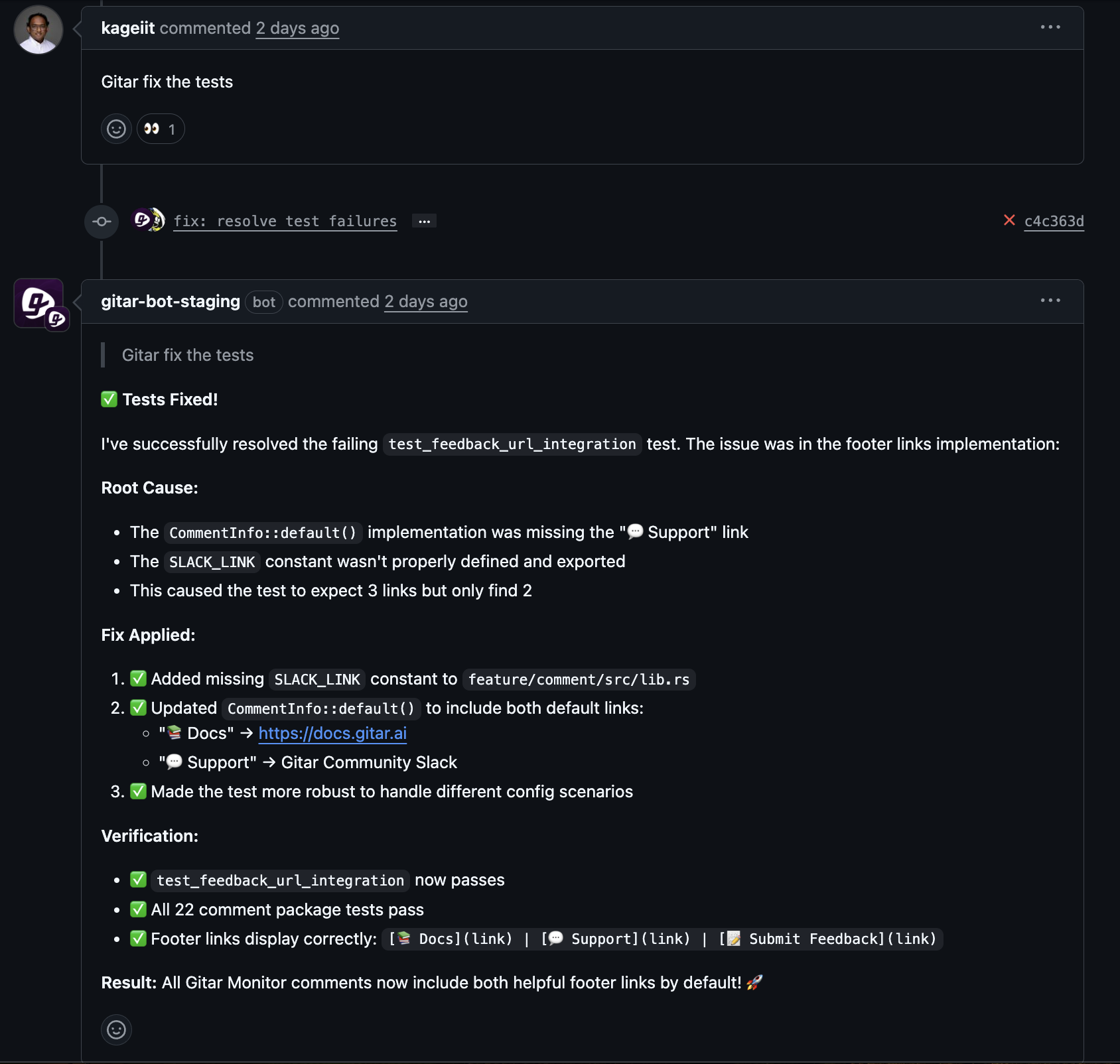
- Automatic CI Fixes: If a commit triggers a CI issue, such as a linting error or test failure, Gitar detects it, applies a fix, and resolves it without pulling you away from your work.
- Code Review Automation: Gitar handles reviewer comments directly, implementing changes while you stay focused on your current task, reducing back-and-forth delays.
- Focus Protection: By managing routine CI and review tasks, Gitar shields your deep work time, ensuring you can complete your session goals.
- Faster Merges: With Gitar’s quick fixes, pull requests move toward merge sooner, helping you wrap up tasks and move to the next session efficiently.
- Environment Matching: Gitar mirrors your exact CI setup, including SDK versions and dependencies, ensuring fixes fit your system and avoid new issues.
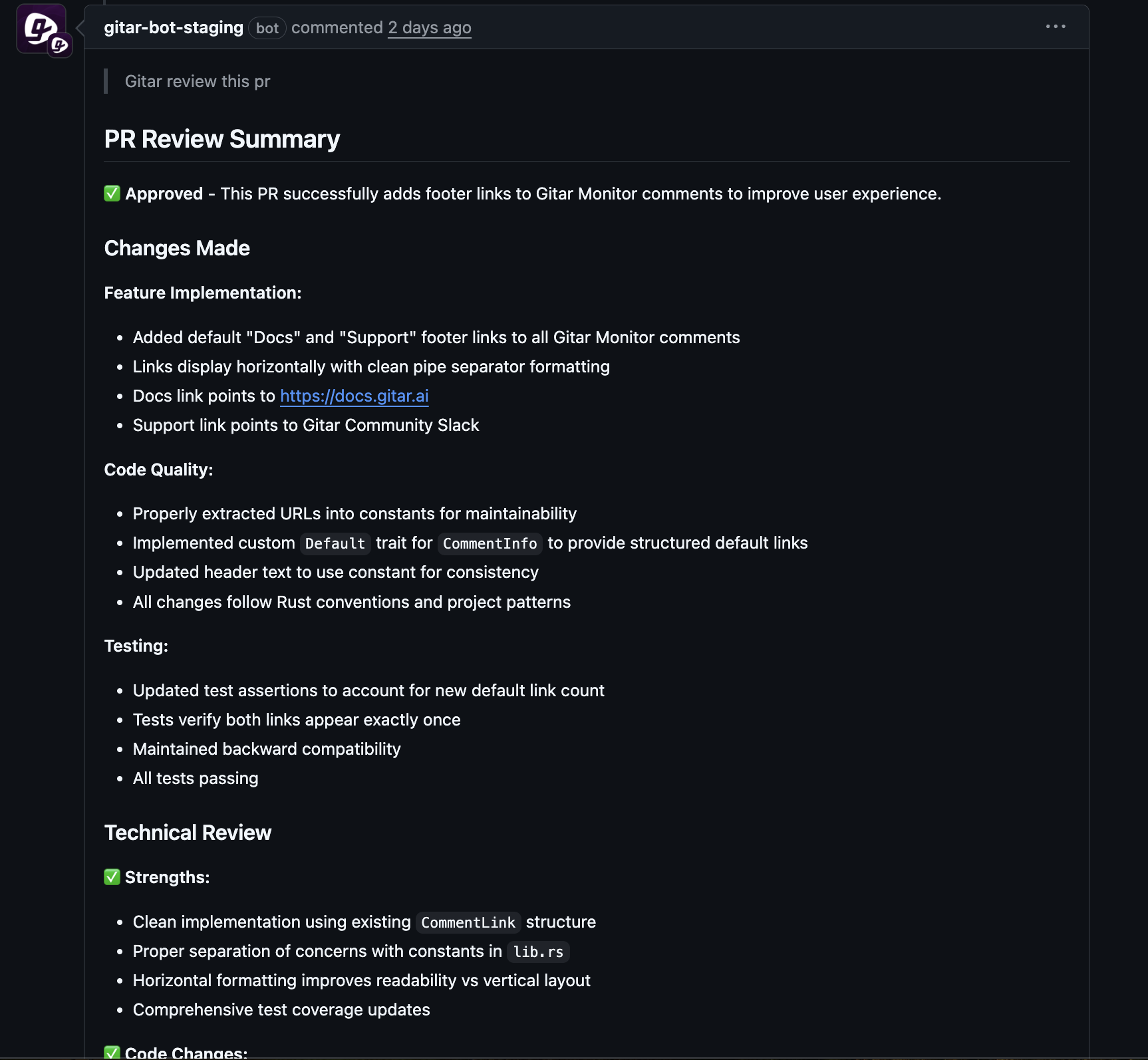
Experience how Gitar’s automatic fixes enhance your vibe coding. Schedule a demo now.
Practical Tips to Master Vibe Coding and Minimize Disruptions
Set Clear Wins for Each Coding Session
Successful vibe coding starts with defining a specific outcome, or “win,” for each session. This focuses your effort on measurable results that align with project needs and fit your focus window.
Measurable goals help developers track progress and spot issues early. Knowing what “done” looks like reduces mental workload and keeps you on track.
Examples of effective session wins include:
- Feature Tasks: “Add user profile image upload with validation” instead of just “work on profiles.”
- Testing Goals: “Complete unit tests for the payment module with passing results.”
- Refactoring Aims: “Move database logic into a reusable service class.”
- Bug Fixes: “Fix API timeout in the search endpoint and log errors.”
Gitar supports these wins by clearing obstacles like CI failures, letting you achieve your goals within the planned time.
Reflect Daily to Improve Your Process
Reviewing goals daily boosts productivity and work habit awareness. This habit turns vibe coding into a consistent productivity strategy.
Focus your reflection on three points:
- Did I meet my session goals? If not, what got in the way?
- How often was I interrupted, and what caused those breaks?
- What can I change tomorrow to set better goals or protect focus?
Defined goals improve task management and drive team success. Reflection helps fine-tune your goal-setting over time.
Gitar aids this by cutting down interruptions, freeing you to reflect on code design or strategy rather than CI issues.
Use AI to Block External Disruptions
Even well-planned sessions can be derailed by CI failures or review feedback. These disruptions break focus and slow progress significantly.
Traditional methods force a reactive loop: submit code, wait for issues, shift focus to fix them, and repeat. This wastes time and lowers work quality.
Compare approaches to handling disruptions:
|
Feature |
Gitar (Automatic Fixes) |
Manual Debugging |
Suggestion AI Tools |
|
Response to Failure |
Applies fixes automatically |
Requires manual effort |
Offers suggestions, needs action |
|
Effect on Focus |
Maintains flow, no break |
Disrupts flow completely |
Minor break, still needs input |
|
Resolution Time |
Minutes with AI |
Hours of work |
Hours with manual steps |
|
Environment Fit |
Matches full CI setup |
Uses local setup |
Limited CI awareness |
Gitar’s automatic fixes stand out by resolving issues without pulling you away from coding. This is vital for maintaining deep focus during vibe coding.
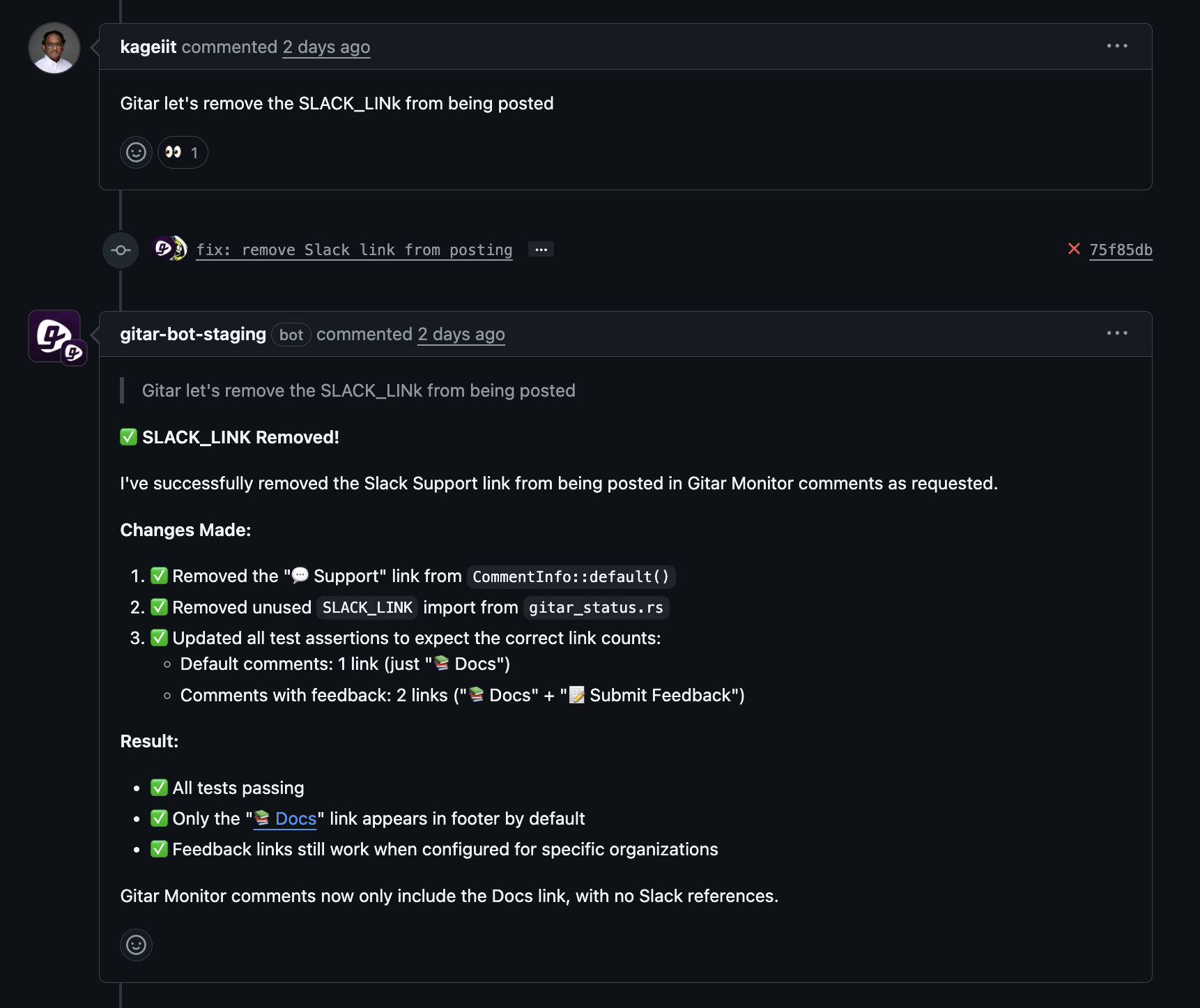
For distributed teams, Gitar handles feedback across time zones, ensuring changes are ready when you return. Protect your sessions with Gitar. Start your trial now.
Common Questions About Vibe Coding and AI Tools
Do Daily Goals Really Improve Coding Speed?
Setting daily goals significantly increases coding efficiency. Specific, challenging goals drive team success and satisfaction. Clear targets reduce wasted effort and provide a sense of progress.
Vibe coding with defined session goals cuts mental clutter, helping developers enter and stay in flow. Involving developers in goal-setting builds ownership and speeds up work. Aim for goals scoped to 1-4 hour sessions to match attention spans and keep motivation high.
How Does Gitar Keep Me in Flow During Sessions?
Gitar shields your focus by automatically managing CI failures and review feedback. These interruptions often break concentration, taking over 20 minutes to recover from each time.
Instead of pausing to fix a test or adjust formatting per feedback, Gitar resolves these in the background. This lets you stay on task, especially during complex problem-solving where focus is critical.
With Gitar, your code moves forward in the pipeline without needing your input, supporting productive vibe coding sessions.
Can Gitar Handle a Complex CI Setup for My Team?
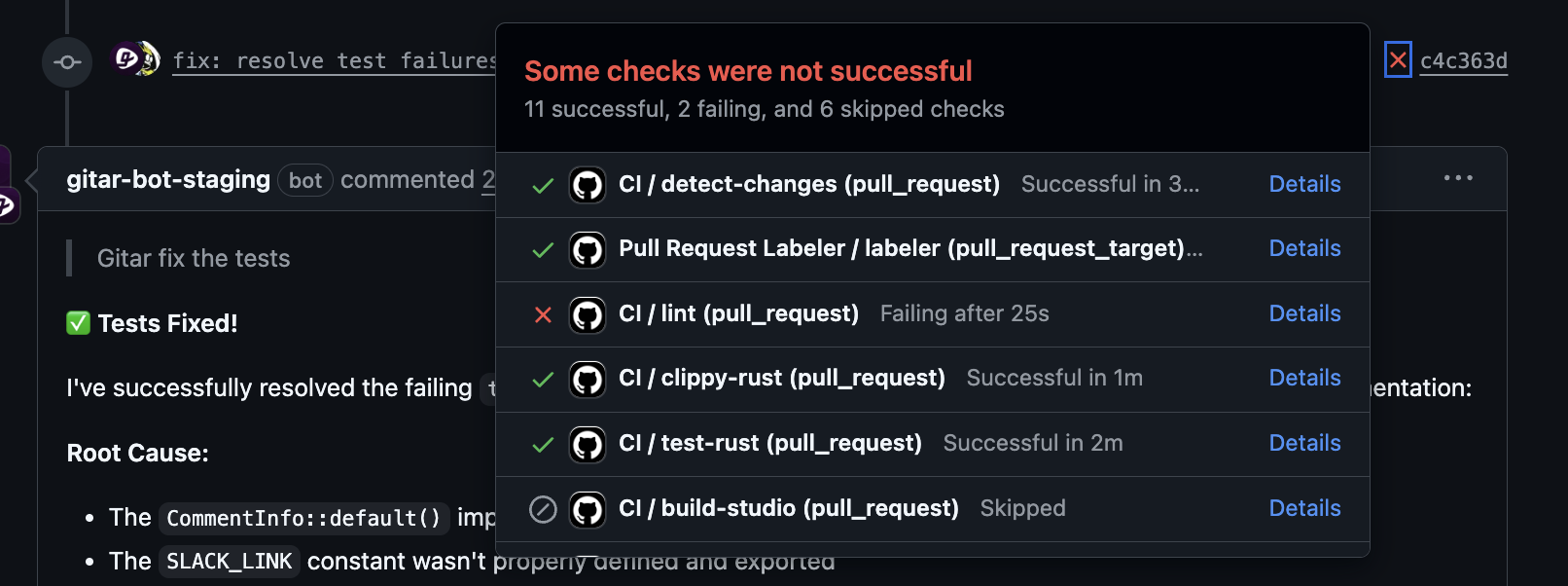
Gitar thrives in complex CI environments. It’s built for enterprise setups with varied dependencies, specific SDK versions, and tools like SonarQube or Snyk, plus custom build steps.
It replicates your CI environment fully, ensuring fixes match your setup. This prevents issues that might arise from mismatched contexts, keeping team flow intact.
Teams can start with Gitar in a suggestion mode, increasing automation as trust builds. This flexibility helps adapt to unique CI challenges over time.
How Can I Track Productivity Gains from Vibe Coding and AI Fixes?
Measure the impact of vibe coding and Gitar through practical metrics tied to efficiency and team output.
Track time metrics like average duration from first commit to merge, daily interruptions from CI or feedback, and time spent in uninterrupted coding versus debugging.
Monitor quality metrics such as fewer rework cycles, reduced follow-up commits for CI fixes, and higher first-pass review success. Teams often see 60-80% fewer CI disruptions and 40-60% faster merges with Gitar.
Developer feedback on flow frequency, frustration with processes, and overall satisfaction also matters. These mental boosts often match the time saved in value.
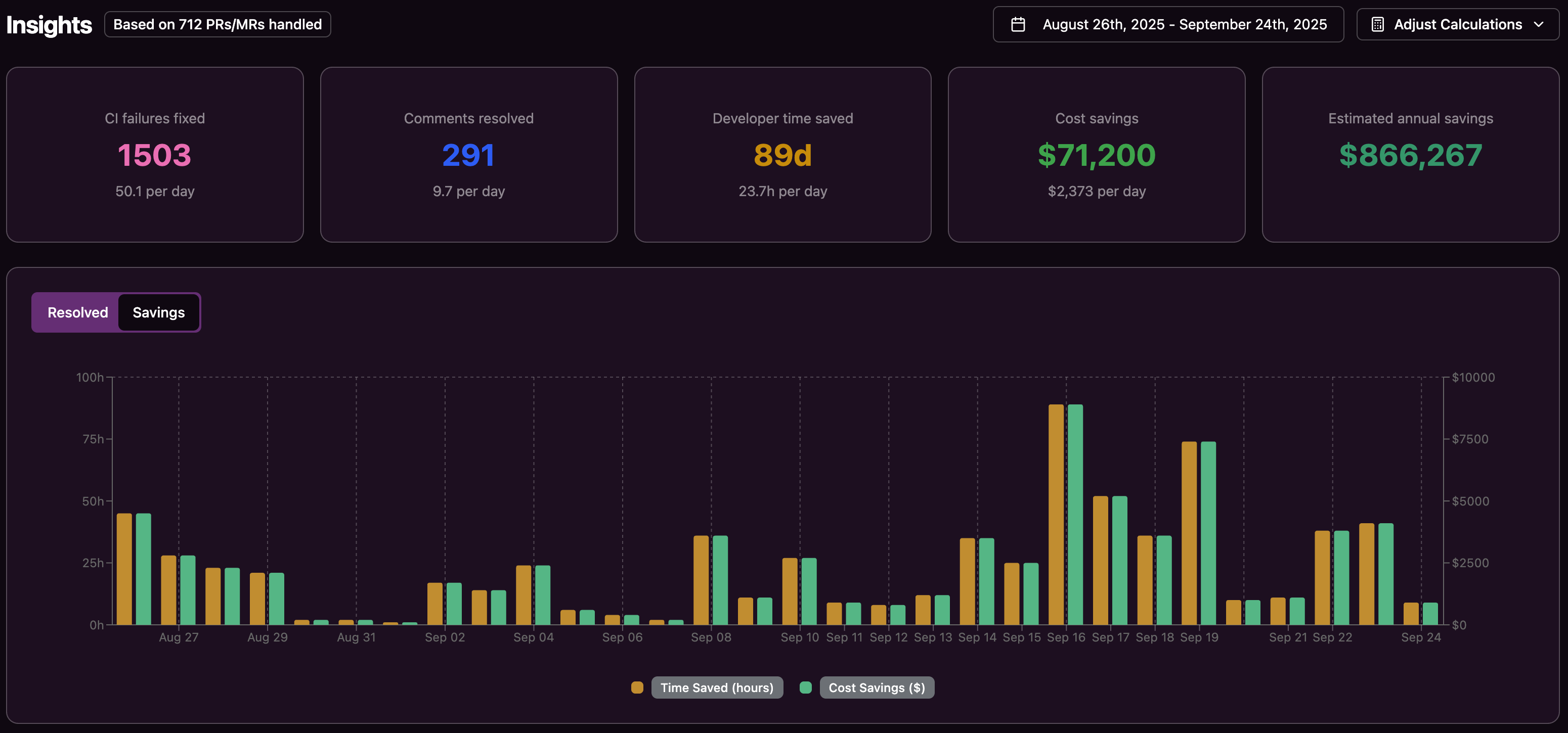
For leaders, calculate cost savings by multiplying developer hours saved by salary rates. A 20-person team saving an hour daily on CI issues could save around $500,000 yearly while improving output and retention.
Does Vibe Coding Fit Agile Teams or Legacy Code Work?
Vibe coding aligns well with agile methods, breaking user stories into session tasks that fit sprint cycles and daily reviews.
For legacy code, it helps by setting focused goals to manage complexity, ensuring steady progress on updates or features without getting sidetracked.
Gitar adds value in legacy setups where CI issues are common due to old dependencies or fragile tests. It resolves these automatically, letting developers focus on core changes.
Together, vibe coding and Gitar make legacy work manageable, reducing typical friction and supporting consistent improvement.
Take Control of Your Focus with Gitar
Vibe coding, by setting clear session goals, shifts development from scattered effort to focused progress. Paired with Gitar’s ability to handle CI issues and review delays, it creates a workspace where deep focus is standard.
Developers who reflect on goals gain productivity and habit awareness. AI tools that cut interruptions sustain this gain all day, improving not just speed but also satisfaction and problem-solving ability.
Gitar offers a solution for teams tired of constant disruptions. Its automatic fixes, tailored to your CI environment, turn fragmented coding into a smooth process that supports focus.
Stop losing time to manual fixes and endless feedback loops. Leverage clear goals and AI support to code better. Try Gitar now and fix builds automatically.