Written by: Ali-Reza Adl-Tabatabai, Founder and CEO, Gitar
Key Takeaways for SonarQube Alternatives in 2026
- SonarQube’s free edition struggles with AI-generated code floods, high false positives, and offers no autofix for CI failures.
- Gitar delivers unlimited free PR analysis, CI failure autofix on a 14-day trial, and sub-2-minute resolutions across GitHub, GitLab, and CircleCI.
- DeepSource and Snyk provide strong security scanning but have repository limits and less complete autofix coverage than Gitar.
- CodeQL works well for GitHub users with semantic analysis, while Semgrep excels at custom rules but lacks full CI healing.
- Teams that switch to Gitar gain automated build fixes and faster, higher-quality software delivery.
Why Teams Are Moving Away from SonarQube in 2026
SonarQube’s free Community Edition leaves major gaps for modern development workflows. Common pain points include high costs for enterprise features, complex setup and configuration, heavy resource usage on large codebases, and limited customization options. The free version offers basic security detection but does not provide advanced autofix capabilities.
Key limitations include:
- Ongoing server management overhead and high resource intensity
- High false positive rates without AI validation
- No automated fix generation or CI failure healing
- Weak handling of AI-generated code issues at scale
Top 10 Free SonarQube Alternatives Ranked by Autofix and CI Power
1. Gitar.ai: AI Autofix and CI Healing at Scale
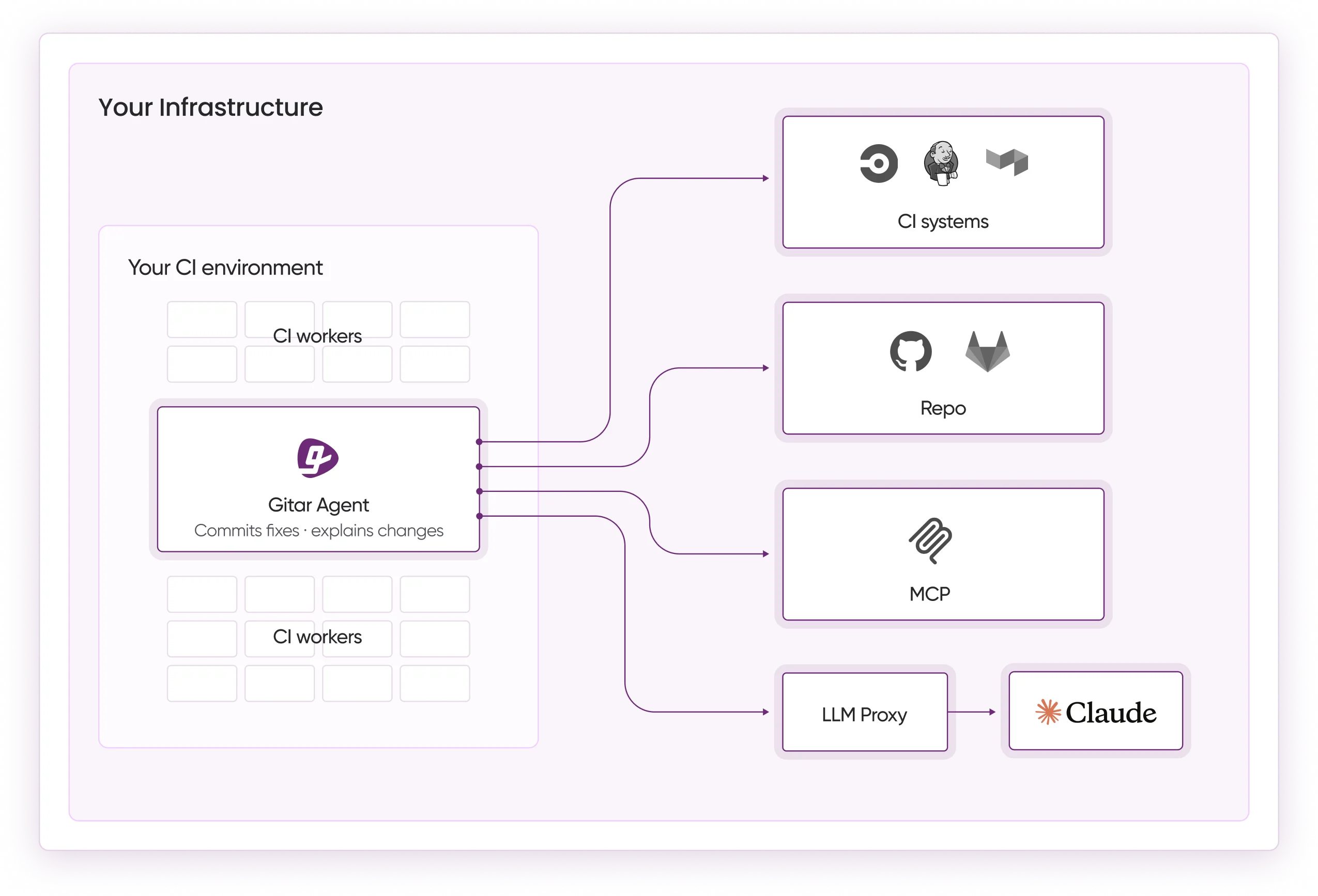
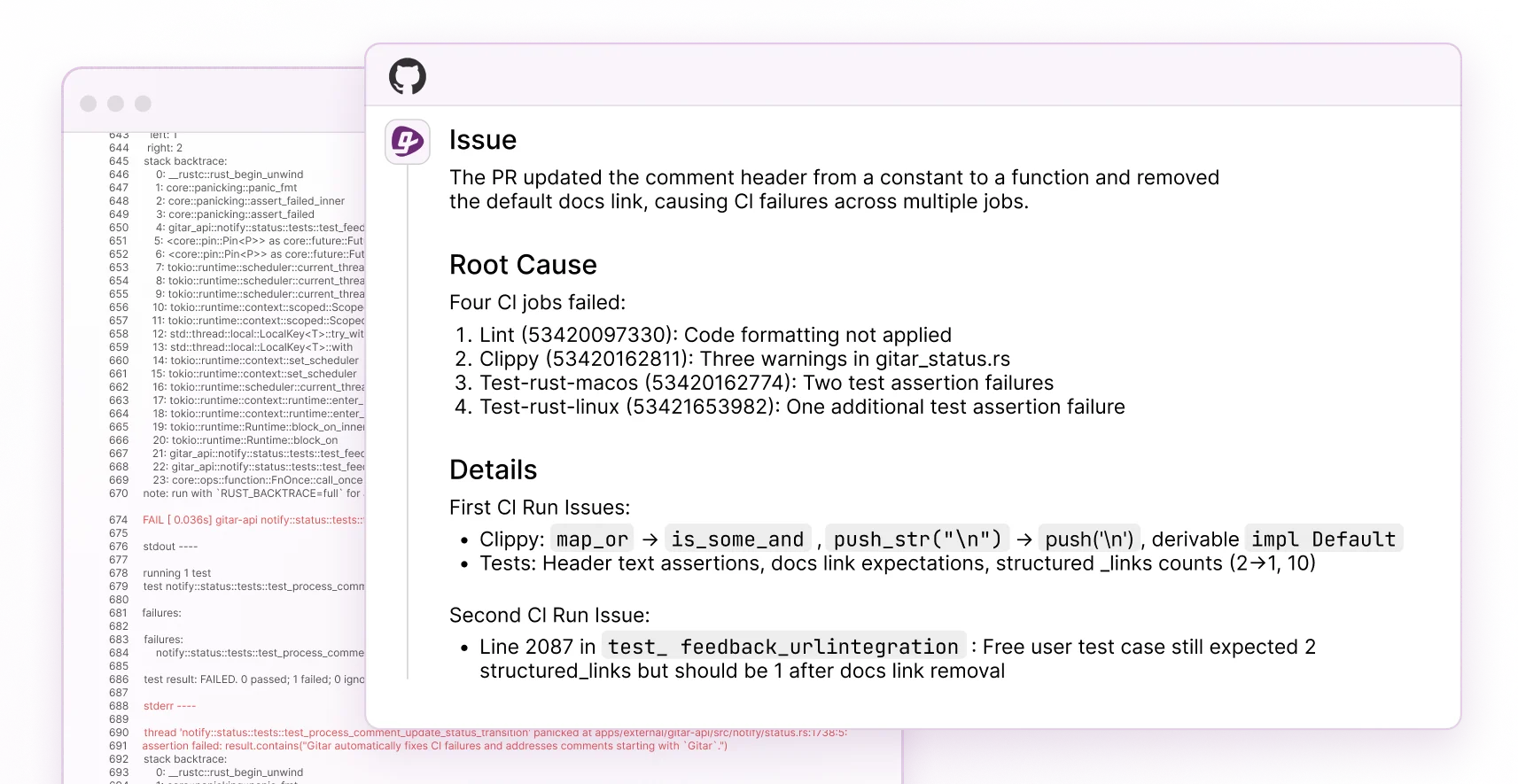
Gitar offers unlimited free PR analysis across security, bugs, and performance, plus CI failure analysis. When builds fail, Gitar reads the failure logs, generates validated fixes, and commits them automatically, with autofix features available on a 14-day free trial. The platform supports GitHub, GitLab, CircleCI, and Buildkite and uses natural language workflow rules.
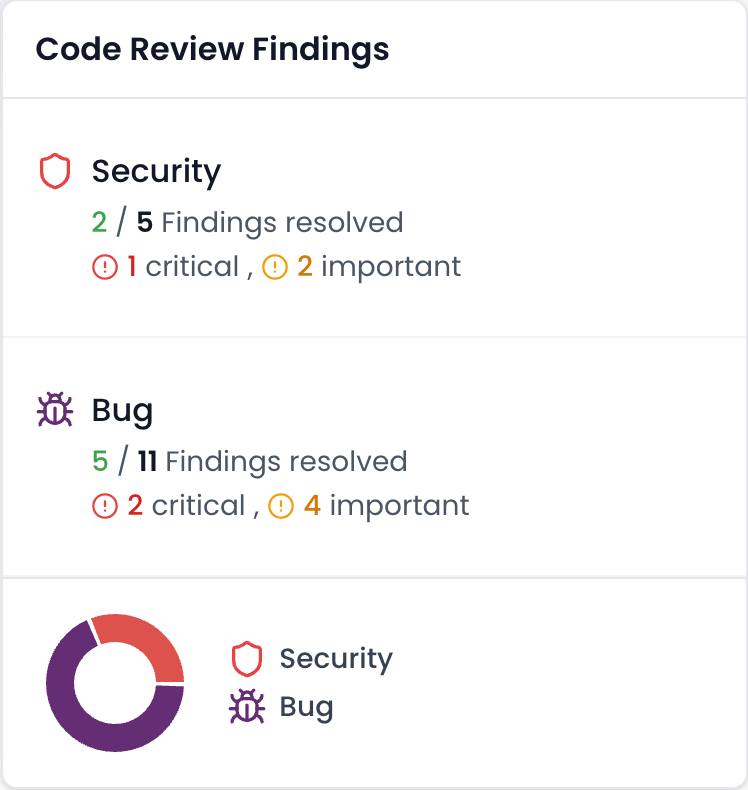
Pros: Unlimited free repositories, no seat limits, sub-2-minute PR resolution, Jira and Slack integration, single dashboard comment instead of notification spam.
Cons: Autofix features run under a 14-day trial period.
Best for: Teams that want true automation instead of suggestions that sit in the backlog.
Install Gitar now to automatically fix broken builds and ship higher quality software, faster.
2. DeepSource: Low False Positives with Repo Limits
DeepSource supports more than 16 languages, offers automated fixes, includes a free tier, and reports less than 5% false positives. The platform runs in the cloud or on-premise and provides real-time code quality insights.
Pros: Low false positive rate, automated fixes for common issues, broad language coverage.
Cons: Repository caps on the free tier, and paid plans start at $10 per developer.
Best for: Open-source projects with moderate complexity and predictable repo counts.
3. Snyk: Security-First Scanning for Dev Teams
Snyk Developer focuses on security vulnerabilities and offers a free tier with IDE and CI integration. The platform includes real-time insights and smooth CI/CD integrations.
Pros: Strong security focus, free tier, solid CI/CD integration, automated fix suggestions for vulnerabilities.
Cons: Narrow focus on security issues and limited coverage of broader code quality.
Best for: Security-first teams that already use separate code quality tools.
4. Semgrep: Flexible Custom Rules with Limited Autofix
Semgrep supports more than 30 languages, offers limited auto-fix, includes a free tier, and maintains a low false positive rate. The platform runs in the cloud or on-premise and allows deep custom rule creation.
Pros: Wide language support, powerful custom rules, low false positives, quick setup.
Cons: Limited autofix features and no full CI healing.
Best for: Teams that need custom security rules and want tight control over patterns.
5. CodeQL: Semantic Security for GitHub Repos
GitHub CodeQL provides query-based analysis, native GitHub integration, Copilot-powered autofix, and semantic analysis. The tool is free for GitHub repositories, supports advanced taint analysis, and works through the CLI and other CI platforms.
Pros: Free for GitHub repos, strong semantic analysis, Copilot integration, multi-platform support.
Cons: Primarily optimized for GitHub environments.
Best for: GitHub-native teams with a strong security focus.
6. Codacy: Multi-Language Coverage with Paid Upgrades
Codacy supports 49 languages, offers limited auto-fix, includes a free tier, and has a medium false positive rate. The platform adds real-time insights and stronger CI/CD workflow integration.
Pros: Very broad language support, real-time insights, reliable CI/CD integration.
Cons: Medium false positive rate, and paid tiers start at $15 per user.
Best for: Multi-language projects that need consistent analysis across stacks.
Install Gitar now to automatically fix broken builds and ship higher quality software, faster.
7. SonarLint: Local Feedback Inside the IDE
SonarLint runs static analysis directly in the IDE and gives real-time feedback as developers code. The tool integrates with popular IDEs but does not support CI/CD automation or team collaboration features.
Pros: Real-time IDE feedback, free, lightweight.
Cons: IDE-only usage, no CI integration, no shared team workflows.
Best for: Individual developers who want quick local checks.
8. ESLint: JavaScript and TypeScript Linting with Autofix
ESLint focuses on JavaScript and offers a rich plugin ecosystem that supports TypeScript, CSS, and HTML. It includes autofix for style issues and some simple logic problems.
Pros: Strong JavaScript support, extensive plugins including TypeScript, CSS, and HTML, useful autofix for many patterns.
Cons: Primarily focused on JavaScript ecosystems and limited security analysis.
Best for: JavaScript and TypeScript projects that need consistent style and basic correctness checks.
9. Bandit: Python Security Scanner for CI
Bandit targets Python security issues with static analysis, a command-line interface, and CI integration options. It focuses on common security pitfalls in Python code.
Pros: Python security focus, lightweight, easy CI integration.
Cons: Python-only coverage, no autofix, narrow scope.
Best for: Python projects that need focused security scanning.
10. GitHub Advanced Security: Built-In Protection for Public Repos
GitHub Advanced Security is a paid add-on for private repositories but remains free for public repos. The platform includes CodeQL scanning and dependency vulnerability detection.
Pros: Free for public repositories and tightly integrated with GitHub.
Cons: GitHub-only support and paid access for private repositories.
Best for: GitHub-native open-source projects that want built-in security.
Install Gitar now to automatically fix broken builds and ship higher quality software, faster.
Gitar vs Top Competitors: Autofix and CI Comparison
| Tool | Free Tier | Autofix CI Fails | False Positives | Setup Time |
|---|---|---|---|---|
| Gitar | Unlimited repos/users | Yes (14-day trial) | Low | <30 seconds |
| DeepSource | Limited repos | Comprehensive | <5% | Hours |
| Snyk | Security only | Yes (fix PRs) | Medium | Minutes |
| CodeQL | GitHub free + CLI | Limited | Low | Hours |
AI-powered tools such as Gitar outperform traditional static analyzers by healing code instead of only flagging issues. SonarQube users report 24% lower vulnerability rates, while healing engines deliver 75% faster PR resolution through validated autofix.
Choosing a Tool and Getting Started with Gitar
Selection depends on team size, stack, and security needs.
- Solo developers: Gitar or SonarLint for immediate feedback and quick fixes.
- Small teams (1–10): Gitar for comprehensive free analysis with autofix.
- Security-focused teams: Snyk or Gitar for vulnerability detection and resolution.
- Multi-platform teams: Gitar supports GitHub, GitLab, CircleCI, and Buildkite.
Gitar setup finishes in about 30 seconds through a GitHub App installation with no credit card required. The platform offers configurable commit settings and starts in suggestion mode so teams can build trust before enabling full automation.
Frequently Asked Questions About SonarQube Alternatives
Free SonarQube Alternative That Actually Fixes Code
Gitar provides free unlimited code review with CI failure analysis and practical fixes. SonarQube Community Edition only identifies issues, while Gitar analyzes failure logs, generates validated fixes, and commits them automatically. The autofix feature runs on a 14-day free trial with no credit card required.
CodeQL vs SonarQube for Free Users
CodeQL delivers semantic analysis and GitHub integration for free on public repositories, while SonarQube Community Edition supports more languages but requires server management. CodeQL shines in security analysis with query-based detection, and SonarQube covers broader code quality checks. Both tools lack the comprehensive autofix capabilities that modern AI platforms now provide.
Best Free AI Code Review Tool in 2026
Gitar leads free AI code review tools by combining deep analysis with automated fixes. Competing tools such as DeepSource and Codacy offer limited autofix, while Gitar supports unlimited repositories and integrates with multiple CI platforms. The platform validates fixes against real CI environments instead of suggesting untested changes.
Semgrep vs SonarQube for Custom Rules
Semgrep excels at custom rule creation, supports more than 30 languages, and maintains low false positive rates. SonarQube offers more than 6,500 pre-built rules with advanced taint analysis and broader code quality coverage. Semgrep provides more flexibility for security-focused custom rules with fast setup, but both tools require configuration compared to AI-powered alternatives.
Safety of Gitar Autofix in Production
Gitar validates every fix against your actual CI environment before committing, which ensures changes pass tests and build requirements. The platform starts in suggestion mode so you can approve fixes manually and build confidence. You can tune autofix aggression levels and restrict automatic commits to specific failure types such as linting or formatting issues.
Conclusion: Gitar as the Leading Free SonarQube Alternative
Gitar stands out as the top free SonarQube alternative for 2026 by pairing comprehensive code review with automated CI failure resolution. Traditional static analyzers only flag issues, while Gitar heals code with validated fixes that keep builds green.