
Written by: Ali-Reza Adl-Tabatabai, Founder and CEO, Gitar
Key Takeaways for Engineering Teams
- AI coding tools generate code 3 to 5 times faster, but PR review time increased 91%, moving the bottleneck to code validation.
- Most AI code review tools such as CodeRabbit and Greptile only suggest changes, so developers still apply fixes manually.
- Gitar ranks #1 with free unlimited repo access, an auto-fix healing engine, and CI integration for GitHub, GitLab, and major platforms.
- Teams save $375K or more each year using Gitar’s auto-fixes that guarantee green builds and outperform suggestion engines in benchmarks.
- Teams that want to remove review bottlenecks can install Gitar now for free AI code review with automatic CI fixes.
How We Ranked These AI Code Review Tools
Our rankings rely on 2026 performance benchmarks with a strong focus on auto-fix capabilities, which account for 30% of the score. Free tier quality contributes 20%, followed by CI integration depth, notification management, enterprise scalability, and cross-platform support. The analysis uses Propel’s 2026 F-score benchmarks, developer feedback from production teams, and deployment data from organizations managing more than 50 million lines of code.
| Criteria | Weight | Description |
|---|---|---|
| Auto-Fix Capability | 30% | Validates and commits CI fixes automatically |
| Free Tier Quality | 20% | Unlimited repos without seat fees |
| CI Integration | 15% | GitHub/GitLab/CircleCI support |
| Notification Management | 10% | Single comment vs spam approach |
Install Gitar now for free AI code review that automatically fixes broken builds.
Overview of the Top 9 AI Code Review Tools
AI code review tools in 2026 fall into two groups: suggestion engines and healing engines. Suggestion engines such as CodeRabbit, Qodo, and Greptile analyze code and leave comments that still require manual fixes. Gitar operates as a healing engine that provides free auto-fix capabilities with CI validation.
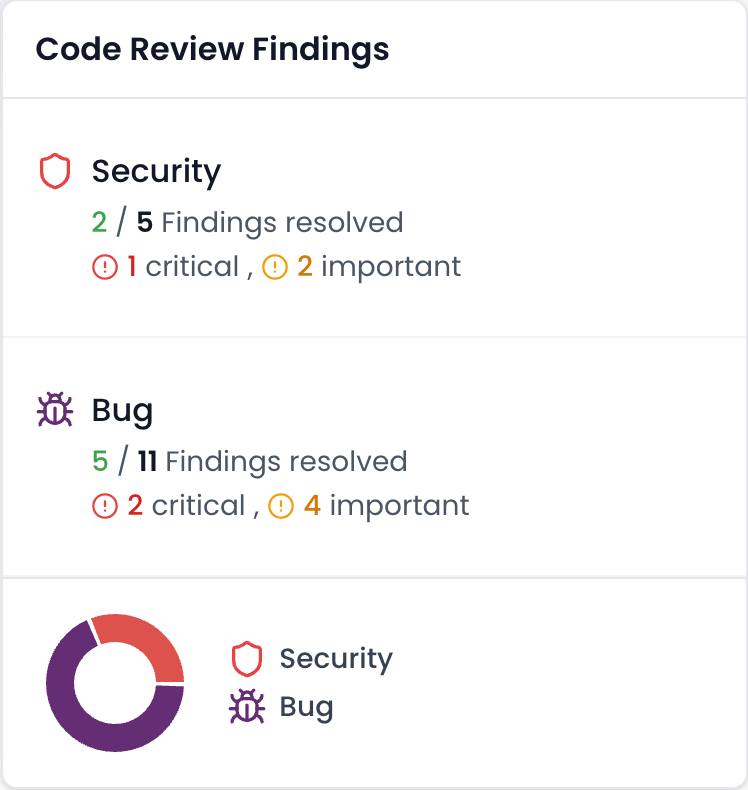
Here is the ranking: #1 Gitar (free auto-fixes, healing engine) • #2 CodeRabbit (suggestions, $15-30 per seat) • #3 Qodo (advanced analysis, moderate pricing) • #4 Greptile (deep context, $30 per seat) • #5 GitHub Copilot PR (bundled, GitHub-only) • #6 Augment (enterprise workflows) • #7 SonarQube AI (quality focus) • #8 Bito (SaaS and open-source options) • #9 DIY Claude (custom integration).
The main gap appears in CI validation. Competitors suggest fixes but do not validate them against CI pipelines. Gitar’s healing engine automatically resolves failures and guarantees green builds.
Install Gitar now to ship higher quality software faster with automatic CI fixes.
Detailed Reviews of Each AI Code Review Tool
1. Gitar: Free Healing Engine with Auto-Fixes
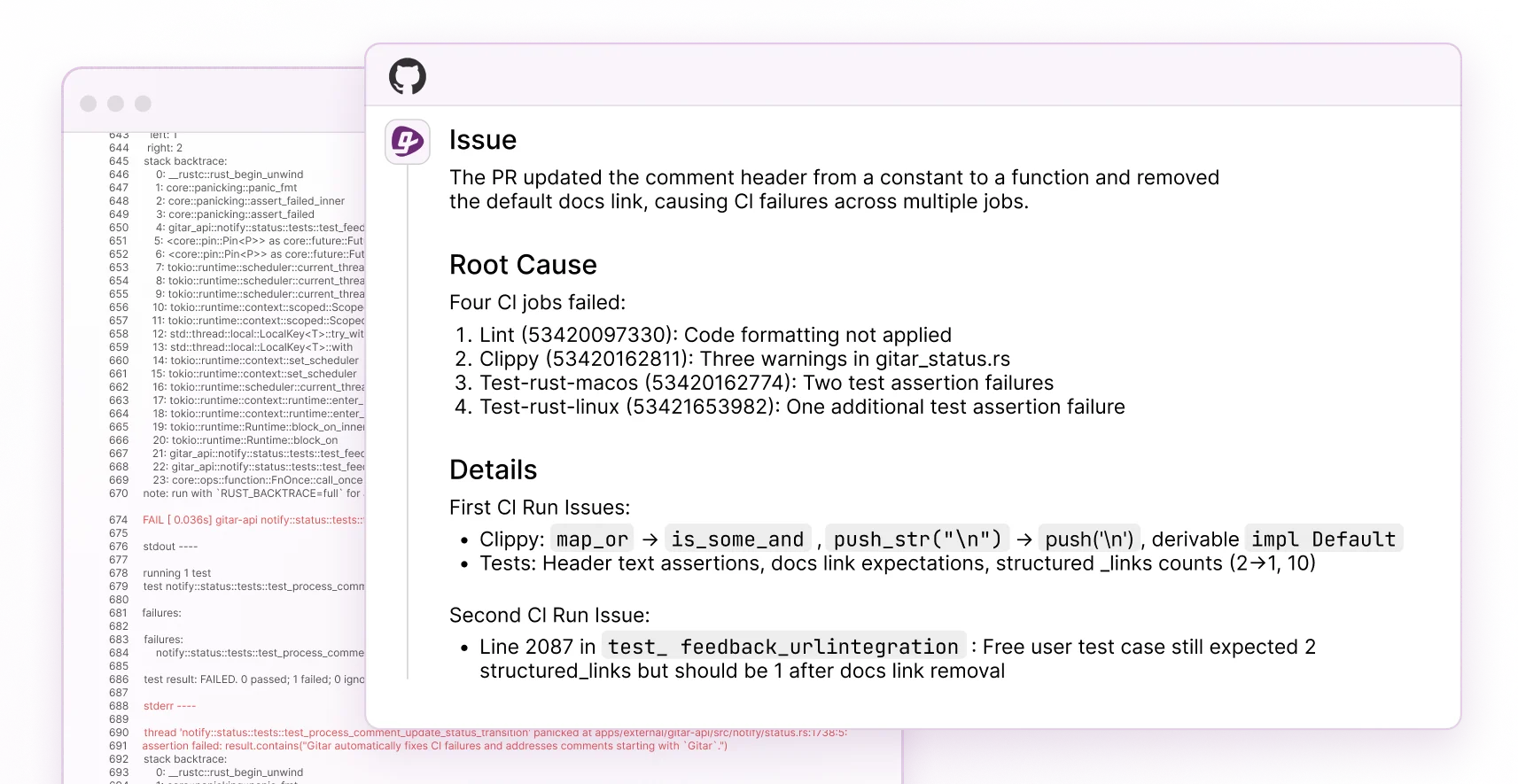
Gitar delivers comprehensive free AI code review that covers PR analysis, security scanning, and bug detection for unlimited repositories. The healing engine automatically fixes CI failures, applies review feedback, and validates changes against your build system. Unlike suggestion engines, Gitar commits working fixes and consolidates all findings in a single updating comment for a quieter workflow.
Autofix features run on a 14-day free trial so teams can see healing behavior in real pipelines. Gitar supports GitHub, GitLab, and major CI platforms, which makes it suitable for both startups and large engineering organizations.
2. CodeRabbit: Popular Suggestion-Only Engine
CodeRabbit processes over 13 million PRs across 2 million repositories and provides automatic line-by-line comments with severity rankings. Pricing ranges from $24 to $30 per developer each month. Many developers describe CodeRabbit as noisy and disconnected from real workflows.
The tool suggests fixes but always requires manual implementation. Teams often experience more comment handling instead of a real reduction in review bottlenecks.
3. Qodo (formerly Codium): Advanced Analysis for Larger Teams
Qodo focuses on advanced AI coding assistance with agentic workflows and deep context analysis across multiple repositories. The platform offers competitive pricing, and security compliance features appear in premium tiers. Benchmarks show strong F1-score performance compared to many alternatives.
Qodo fits teams that want detailed code quality insights and advanced review capabilities rather than automated CI healing.
4. Greptile: Deep Context with Higher Cost and Noise
Greptile delivers deep context-aware analysis through full codebase indexing and the highest bug catch rate but also the highest false positive rate. Pricing reaches $30 per developer each month. The tool excels at cross-file reasoning and large codebase understanding.
Greptile does not provide CI integration or auto-fix capabilities, which limits its impact for teams already struggling with post-AI coding review bottlenecks.
Guarantee green builds by automatically fixing broken builds while competitors only leave suggestions.
5. GitHub Copilot Code Review: GitHub-Only Coverage
GitHub Copilot’s code review features work only with GitHub repositories and focus on surface-level diff analysis. Benchmarks show 25% F-score performance, which ranks lowest among major tools. Pricing bundles into existing Copilot subscriptions that range from $10 to $39 monthly.
The product does not include auto-fix capabilities or deep CI integration beyond basic GitHub Actions support.
6. Augment: Enterprise Code Generation and Review
Augment targets enterprise teams with advanced code generation and strong AI code review accuracy. The platform offers comprehensive context analysis and supports complex workflows. Many organizations use it for large-scale development where governance and process matter more than CI healing.
Augment does not focus on specific CI auto-fix features, so teams still handle broken builds manually.
7. SonarQube AI: Static Analysis with AI Enhancements
SonarQube AI extends traditional static analysis with pattern recognition and AI-assisted rules. The platform supports more than 30 programming languages and uses rule-based analysis that often produces fewer false positives than pure AI tools. Many teams already rely on SonarQube for long-term code quality tracking.
The AI layer does not include modern auto-fix capabilities or conversational review interfaces that developers now expect in 2026.
8. Bito: SaaS AI Code Review for Small Teams
Bito offers SaaS-based AI code review with a GitHub app for automated and manual pull request reviews. The product includes a free plan and suits teams that want a quick hosted solution. Advanced use cases require more configuration effort.
Bito lacks enterprise-grade auto-fixes, deep CI integration, and large-scale deployment options, which makes it better for smaller teams.
9. DIY Claude Integration: Fully Custom but High Effort
DIY Claude or GPT integrations give teams full control over review logic and prompts. This approach demands substantial engineering work to build CI integration, fix validation, and notification systems. Maintenance also becomes an ongoing responsibility.
Total cost of ownership often exceeds commercial tools while still delivering a weaker user experience for everyday developers.
Side-by-Side Feature Comparison
| Feature | Gitar | CodeRabbit | Greptile | Others |
|---|---|---|---|---|
| Auto-Apply Fixes | Yes (14-day free trial) | No | No | No |
| CI Failure Auto-Fix | Yes | No | No | No |
| Base Pricing | Free | $24-30/mo | $30/mo | $15-40/mo |
| Platform Support | GitHub/GitLab/CI | Multi-platform | GitHub/GitLab | Limited |
Gitar leads the auto-fix category while keeping core review features free. Traditional suggestion engines still require manual work despite premium pricing, which creates ongoing productivity costs that Gitar removes through automated healing.
Install Gitar now to automatically fix broken builds.
Best Free AI Code Review Options in 2026
Gitar stands out in the free tier category with unlimited repository access, comprehensive security scanning, and auto-fix trial capabilities. Open-source options such as Bito and DIY integrations demand significant setup and ongoing maintenance. Enterprise teams save $450 to $900 each month compared to CodeRabbit or Greptile while gaining stronger auto-fix features.
ROI calculations stay simple. A 20-developer team that spends one hour daily on CI and review issues burns roughly $1M each year in productivity. Gitar’s auto-fix capabilities cut that time to about 15 minutes per day, saving $375K annually while also removing subscription costs. Free access here reflects that code review has become commoditized infrastructure.
Frequently Asked Questions
Best Free AI Code Review Tool in 2026
Gitar offers the most complete free AI code review platform with unlimited repository access, security scanning, bug detection, and PR analysis. Teams do not face seat limits or credit card requirements. Autofix features run on a 14-day free trial that showcases the healing engine, which automatically resolves CI failures and applies review feedback, features missing from other free tools.
AI Code Review Tools That Fix Code Automatically
Gitar currently stands as the only tool that automatically fixes code and validates changes against CI systems. Competitors such as CodeRabbit and Greptile provide suggestions through comments but always require manual implementation. Gitar’s healing engine analyzes failures, generates working fixes, and commits them directly to pull requests, which guarantees green builds without extra developer effort.
Comparison Between CodeRabbit and Gitar
CodeRabbit charges $24 to $30 per developer each month for suggestion-only reviews that still need manual fixes. Gitar delivers free comprehensive code review and includes auto-fix capabilities during the trial period. CodeRabbit processes more repositories overall but often creates notification overload through many inline comments.
Gitar consolidates findings in a single updating comment, which keeps workflows cleaner and easier to manage.
Tools That Integrate with GitLab and CircleCI
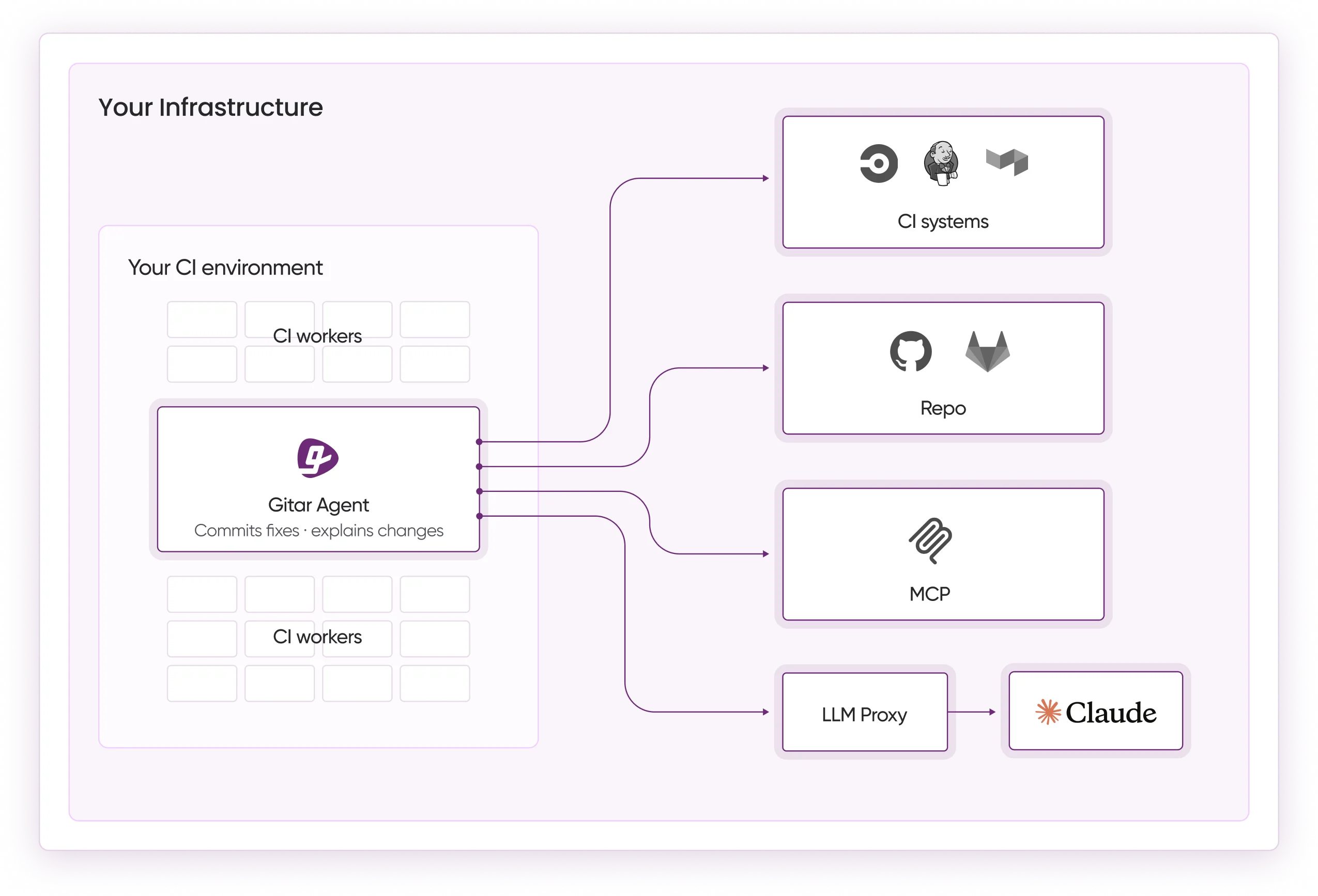
Gitar supports GitHub, GitLab, CircleCI, and Buildkite with native CI integration for automatic failure resolution. CodeRabbit offers multi-platform support but does not provide CI auto-fix features. Most other competitors focus mainly on GitHub, which limits flexibility for teams using diverse enterprise CI systems.
ROI of AI Code Review Adoption
Teams often save between $375K and $1M annually through reduced context switching and faster CI failure resolution. Gitar removes the $450 to $900 monthly subscription costs of premium tools while delivering stronger auto-fix capabilities. Productivity gains from guaranteed green builds and automated review feedback implementation usually cover rollout effort within the first month.
Conclusion and Next Steps for Your Team
The 2026 AI code review market splits into expensive suggestion engines and Gitar’s free healing platform. Competing tools charge premium prices for comments that still require manual work. Gitar instead fixes CI failures automatically and applies review feedback, which directly addresses the post-AI coding bottleneck affecting many development teams.
Teams now face a clear choice. They can keep paying $15 to $30 per developer for suggestions that never guarantee working fixes, or they can install Gitar’s free platform that actively heals the codebase. Setup takes about 30 seconds, requires no credit card, and quickly shows the difference between AI suggestions and AI solutions.
Install Gitar now to automatically fix broken builds and start shipping higher quality software faster.