
Key Takeaways
- Developer productivity in 2026 depends on reducing interruptions from CI failures, code reviews, and environment issues, not only on writing code faster.
- Autonomous CI healing tools reduce context switching by fixing many build and test issues without manual intervention from developers.
- Modern code analysis, AI coding assistants, and unified quality platforms help teams understand large codebases, prevent defects, and maintain security at higher velocity.
- DX observability and production-like cloud development environments give leaders clearer insight into bottlenecks and provide consistent, reliable places to build and test.
- Teams that want faster, more reliable delivery can use Gitar to automatically fix CI failures and resolve code review feedback inside existing workflows.
The Developer Productivity Paradox: Where Time Really Goes
Developer tools have multiplied, yet many engineering teams still lose significant time to interruptions. CI failures, slow feedback in code review, and inconsistent environments break focus and delay releases.
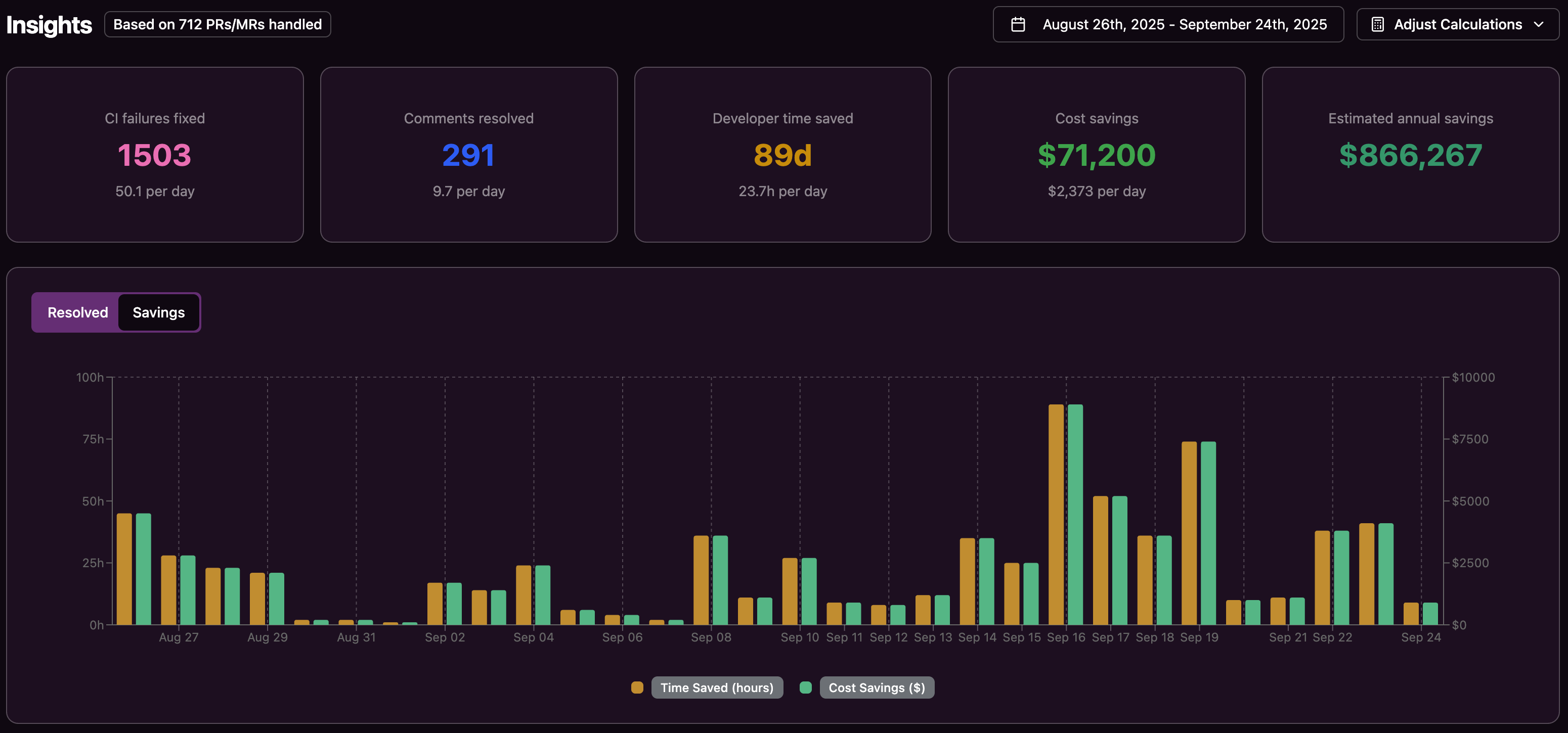
Developers can spend up to 30% of their time dealing with CI and review issues. For a team of 20 developers, that waste can reach about $1M per year in lost productivity. Each failure or review comment that waits for a human response forces a context switch, which often turns a short fix into a long interruption.
Many tools still act as suggestion engines. They surface issues but rely on developers to apply fixes, run CI, and confirm results. As AI speeds up code generation, validation and delivery can become the new bottleneck unless more of that loop becomes autonomous.
1. Autonomous CI Healing with Gitar to Protect Flow State
Autonomous CI healing focuses on fixing failures directly so developers do not have to stop feature work to babysit pipelines.
How Gitar Works
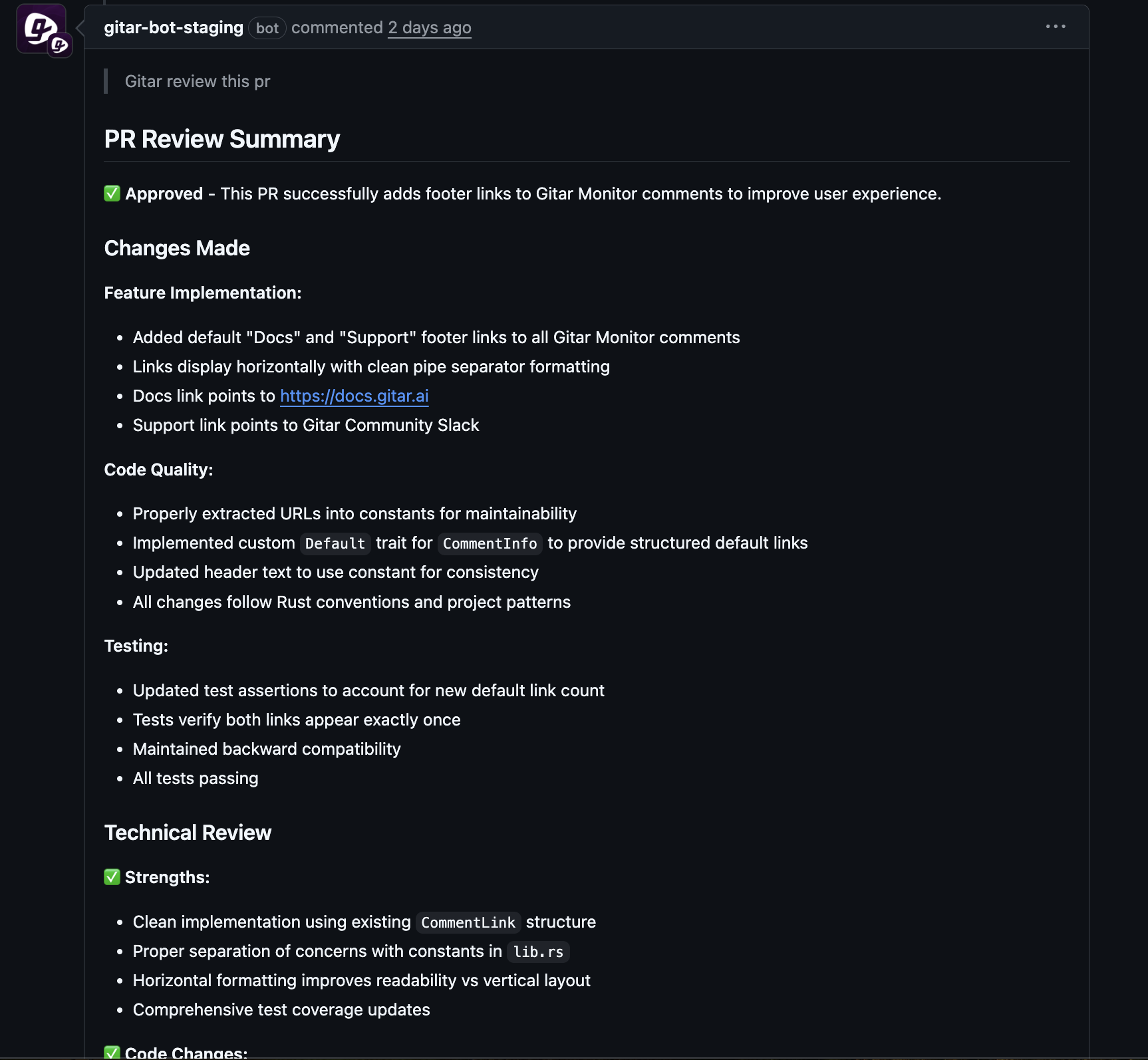
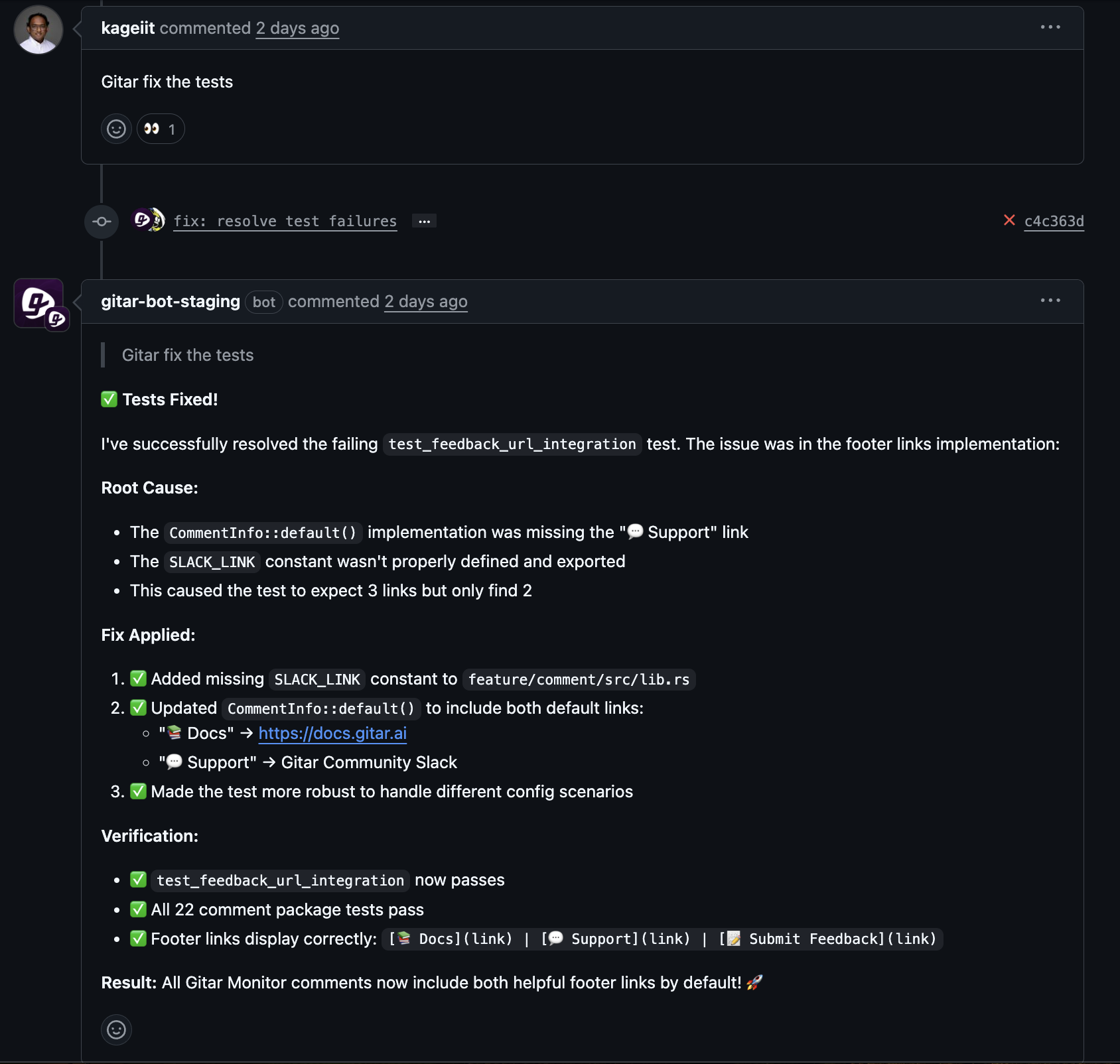
Gitar is an autonomous AI agent that fixes failing CI pipelines and addresses code review feedback. It applies changes, runs checks in a replica of your CI environment, and pushes validated fixes so builds go green with minimal manual effort.
Impact on Developer Productivity
- Resolves linting, formatting, test, and build issues in the background.
- Reduces context switches by turning many interruptions into automated tasks.
- Supports a trust model with suggestion-only and auto-commit modes.
Distributed teams gain particular value because reviewers can leave instructions at the end of the day, and Gitar prepares fixes for colleagues in other time zones by the next morning.
2. Code Analysis and Understanding Tools for Large Codebases
Code analysis tools help developers navigate complex systems, which shortens onboarding and reduces review time.
What These Tools Provide
- Deep search and code navigation across large repositories.
- Assistance for code review, including risk areas and explanations.
- Generated documentation that maps relationships and dependencies.
Greptile focuses on analysis for code review and understanding complex systems. Sourcegraph Cody layers search, code generation, and suggestions on top of repositories and documentation.
Integrating these tools into IDEs and CI pipelines helps teams surface insights where work already happens, instead of creating yet another separate dashboard.
3. Smart AI Coding Assistants for Faster Implementation
AI coding assistants now act as partners that propose implementations, not just single-line completions.
Capabilities of Modern Assistants
- Context-aware completions and function generation.
- Inline explanations of unfamiliar code or APIs.
- Help with test creation and refactoring suggestions.
GitHub Copilot accelerates coding by up to 55%, which moves attention from boilerplate to architecture and edge cases. GitHub Copilot also offers team pricing and real-time suggestions inside popular IDEs. Tabnine emphasizes privacy-aware completions, refactoring, and error detection for enterprises.
Higher coding velocity also means more pull requests and more chances for CI failures. Gitar closes this gap by turning those additional failures into automated fixes instead of new manual work.
4. Unified Code Quality and Security Platforms for Safer Releases
Unified platforms bring quality, security, and compliance checks into one place so issues appear earlier and more consistently.
Core Benefits
- Centralized code review, quality metrics, and security scanning.
- Standardized checks that run automatically in CI.
- Reporting that highlights trends and problem areas.
CodeAnt AI reduces bugs by more than 50 percent while consolidating fragmented tools for review, assurance, and scanning. Quality gates in these systems prevent risky changes from merging, which limits production incidents and long debugging sessions.
Teams that balance strict checks with clear feedback loops keep speed high while still improving reliability.
5. DX Observability and Metrics to Guide Improvements
DX observability tools give leaders visibility into how work moves from idea to production.
What DX Platforms Track
- Lead time for changes and deployment frequency.
- Change failure rate and recovery time.
- Developer experience signals, such as wait time and rework.
Axify measures workflow efficiency, delivery speed, and bottlenecks with predictive analytics. These metrics help teams test process changes and see which ones actually improve outcomes.
Autonomous CI healing with Gitar directly improves metrics like lead time, merge frequency, and time spent waiting on broken builds, which makes DX dashboards more favorable without adding more meetings or manual reporting.
6. Production-Like Cloud Development Environments for Consistent Builds
Cloud development environments reduce the gap between local machines and production systems.
Advantages for Teams
- On-demand environments that mirror production closely.
- Faster onboarding with consistent setups for new hires.
- Fewer environment-specific bugs and configuration issues.
DevZero offers production-like cloud environments using MicroVMs to remove setup inconsistencies and speed builds. Teams can create short-lived environments for features or pull requests, which improves testing and review quality.
Comparison: Autonomous CI Healing vs Other Approaches
|
Feature Category |
Gitar (Autonomous CI Healing) |
Traditional AI Review Tools |
Manual Workflow |
|
Problem Resolution |
Applies and validates fixes autonomously |
Provides suggestions, developer applies fixes |
Developer diagnoses and fixes issues |
|
CI Integration Depth |
Replicates full CI environment for validation |
Often limited to Git provider context |
Relies on manual debugging in CI tools |
|
Developer Interruption |
Very low, fixes run in the background |
High, frequent context switching |
Very high, constant interruptions |
|
Green Build Confidence |
High confidence, validated with full CI |
Lower, developer responsible for validation |
Depends on manual trial and error |
Key Details About Gitar and Workflow Integration
Gitar Compared to AI Code Review Tools Like CodeRabbit
Tools such as CodeRabbit provide valuable review suggestions but still rely on developers to implement and validate changes. Gitar acts as a healing engine. It not only identifies issues, it applies fixes, runs the full CI workflow, and delivers green builds when checks pass. Developers keep control through review and configuration while offloading repetitive diagnostics and patching.
Gitar in Complex Enterprise CI Setups
Gitar is built for complex CI environments with specific runtime versions, multi-language stacks, and third-party tooling. It emulates these conditions so generated fixes match the real environment. That design reduces the risk of fragile, environment-specific patches that fail once merged.
Trust and Control Over Automated Changes
Teams can start in a conservative mode where Gitar posts suggested fixes for review. Developers approve with a click, which builds confidence as successful changes accumulate. When the team is ready, an aggressive mode can allow direct commits with rollback options, so automation grows at a pace that matches internal standards and risk tolerance.
Time Zone Benefits for Distributed Teams
Distributed teams use Gitar to turn time zone gaps into progress. Reviewers can leave instructions at the end of their workday, and Gitar processes fixes during off-hours. Developers in other regions then start their day with passing builds instead of waiting on responses to comments.
Integration with Existing Tools and Processes
Gitar connects to existing CI and hosting platforms such as GitHub Actions, CircleCI, and Buildkite. Teams can keep their current branching strategies, review policies, and quality gates. Configuration options allow gradual rollout to selected repositories or workflows, so adoption does not require a disruptive process overhaul.
Conclusion: Building a More Autonomous Delivery Pipeline
Modern developer productivity depends on shortening the path from code written to code running in production. AI coding assistants, code analysis platforms, DX observability, and cloud environments all help, but they still leave many repetitive steps to humans.
Autonomous CI healing addresses this gap by fixing many CI and review issues automatically, which lets developers focus on design and problem solving instead of routine triage. Combined with the other tools in this article, it creates a delivery pipeline that moves faster with fewer interruptions.