
Key Takeaways
- AI coding tools speed up development 3-5x but extend PR cycles by 24% and cause CI failures from logic errors in 75% of AI-generated PRs.
- Gitar is the leading free AI code review tool that analyzes CI logs, generates validated fixes, and commits working solutions for guaranteed green builds.
- Competitors like Graphite, Qodo, and CodeRabbit only provide suggestions, skip validation, charge $15-30 per developer monthly, and flood teams with notifications.
- Gitar cuts CI debug time by 85% (from 1 hour to 15 minutes per developer daily) and saves about $750K yearly for 20-developer teams with no subscription fees.
- Teams can eliminate CI failures quickly. Install Gitar now for free unlimited reviews and a 14-day auto-fix trial across GitHub, GitLab, and more.
Core Capabilities That Matter in AI CI Fixers
Effective AI code review tools for CI failures must deliver more than basic suggestions. Strong options combine deep analysis, automated fixes, and real validation.
|
Feature |
Description |
Gitar |
Competitors |
|
PR Summaries |
Automated pull request analysis |
Free, unlimited |
$15-30/seat |
|
CI Failure Analysis |
Deep log parsing and root cause identification |
Yes, with context |
Limited or none |
|
Auto-Fix & Validate |
Generate, apply, and verify fixes against CI |
Yes, guaranteed green builds |
Suggestions only |
|
Notification Management |
Clean, consolidated feedback approach |
Single updating comment |
Scattered inline spam |
1. Gitar: Free AI Code Review That Actually Fixes CI
Gitar is the only free AI code review platform that fixes code instead of only suggesting edits. Competitors charge $15-30 per developer for commentary, while Gitar offers unlimited code review, PR analysis, and security scanning for free, plus a 14-day trial of advanced auto-fix.
The healing engine analyzes CI failure logs, generates contextual fixes with full codebase awareness, validates each solution in your real build environment, and commits working fixes directly to your PR. This approach replaces guesswork with guaranteed green builds.
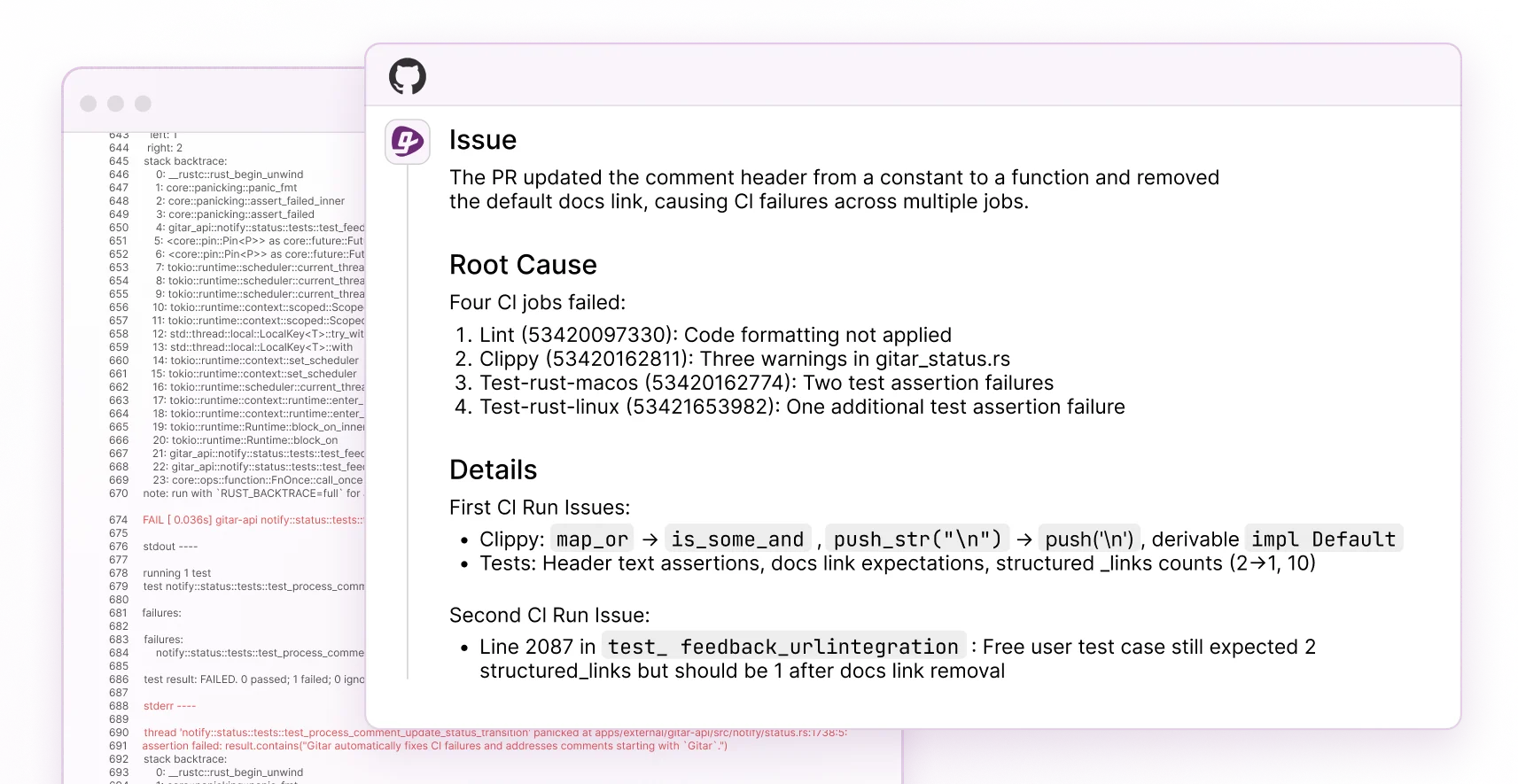
Gitar’s single updating comment format removes notification spam. All findings, including CI analysis, review feedback, and rule checks, appear in one clean dashboard comment that updates as issues resolve. Teams describe this as “more concise than Greptile/Bugbot” because it focuses on signal, not noise.
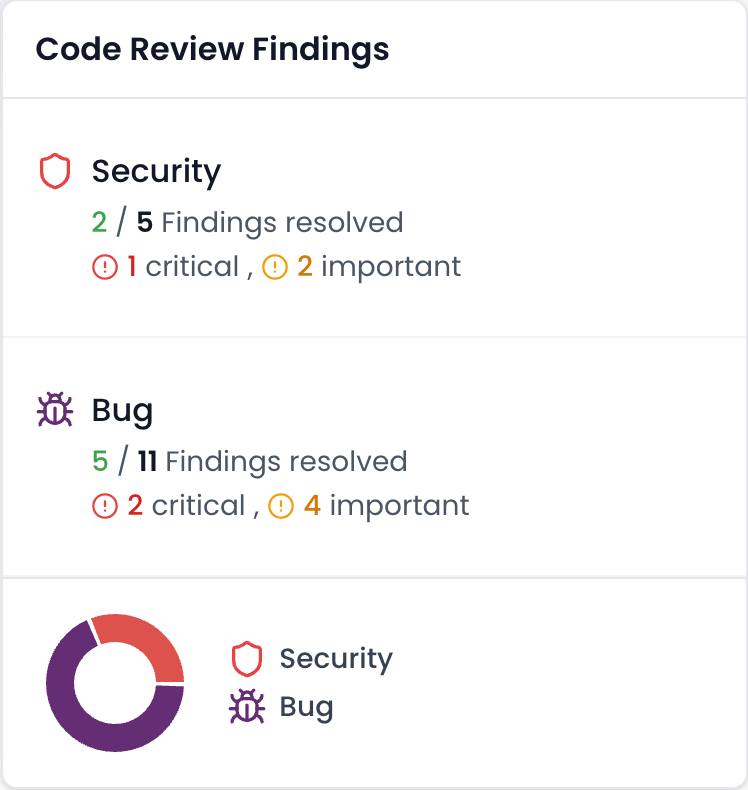
How Gitar’s Healing Engine Delivers Green Builds
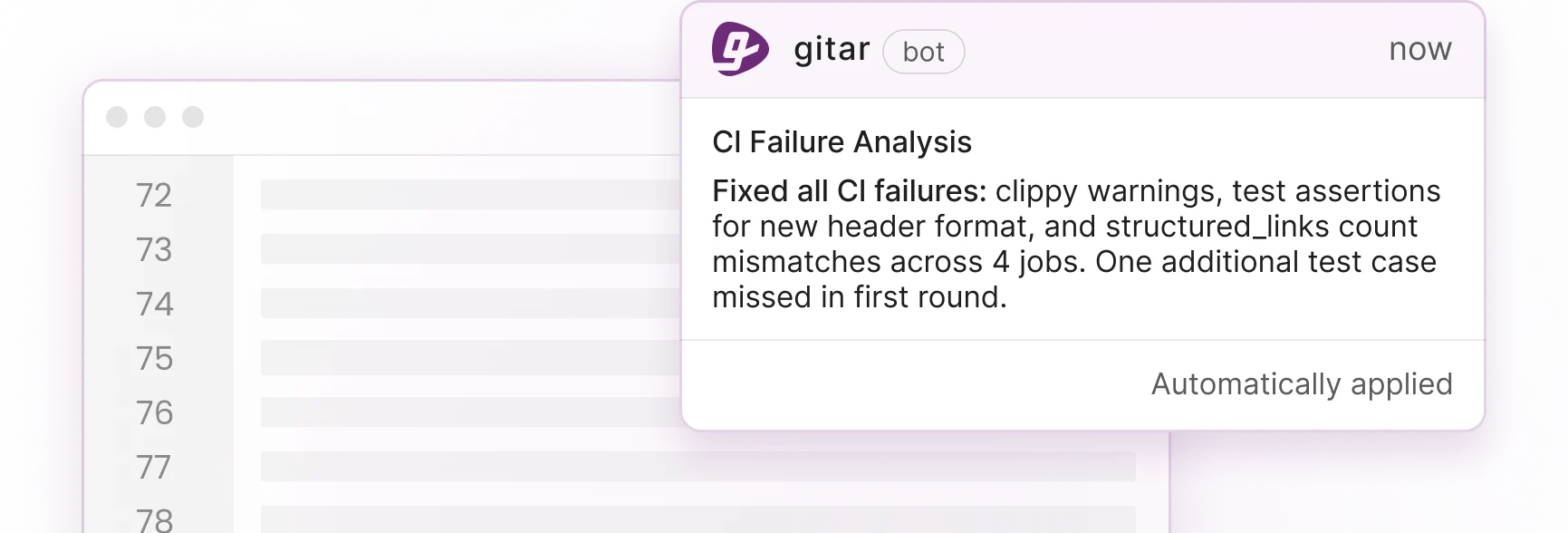
Gitar follows an end-to-end workflow. When CI fails, the system analyzes logs to identify the root cause. It then generates a code fix using complete repository context.
Next, Gitar validates that the fix resolves the failure in your environment. After validation, it auto-commits the working solution. This validation step, missing in competing tools, ensures fixes respect your dependencies, configurations, and constraints.
2026 Benchmarks and ROI From Gitar
Pinterest runs Gitar across more than 50 million lines of code and thousands of daily PRs. The platform has caught high-severity security issues in Copilot-generated code that Copilot missed. Collate’s engineering team also highlights the “unrelated PR failure detection” feature that separates infrastructure flakiness from real code bugs.
|
Metric |
Before Gitar |
After Gitar |
Annual Savings |
|
CI Debug Time |
1 hour/day/developer |
15 minutes/day/developer |
$750K (20-dev team) |
|
Tool Costs |
$450-900/month |
$0 |
$5,400-10,800 |
|
Context Switching |
Multiple interrupts/day |
Near-zero |
Immeasurable |
Setup finishes in about 30 seconds. Install the GitHub or GitLab app, enable suggestion mode to build trust, activate auto-fix for validated failure types, add natural language rules, and track analytics. Configurable auto-commit levels let teams start cautiously and increase automation as confidence grows.
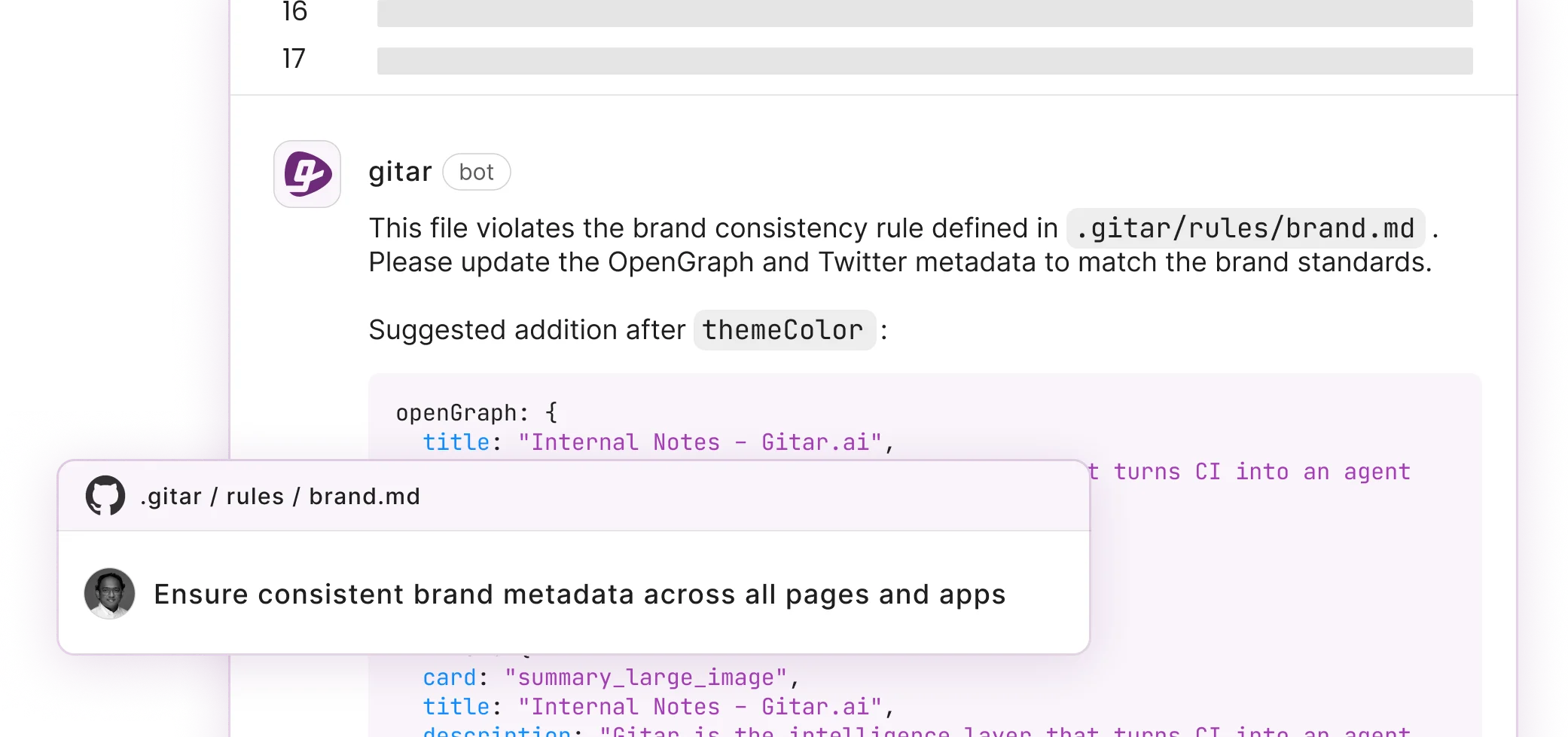
See the gap between suggestions and real solutions. Install Gitar now, automatically fix broken builds, and ship higher quality software faster with free AI code review and a 14-day autofix trial.
2. Graphite: GitHub-Centric CI Suggestions
Graphite offers an AI agent with a “Fix CI” button that reads GitHub Actions failure logs and suggests remediation steps. The product focuses on GitHub repositories and handles common build failures, lint errors, and test issues reasonably well.
Strengths include smooth GitHub workflow integration and solid accuracy for simple CI problems. Graphite does not validate that fixes work, requires manual implementation of every change, and uses a subscription model starting at $25 per user monthly.
This option fits small GitHub-focused teams that accept suggestion-based workflows but does not meet needs for guaranteed CI resolution or broad platform coverage.
3. Qodo (CodiumAI): Deep Analysis Without Full CI Auto-Fix
Qodo automates PR reviews with IDE validation and CLI integration for CI environments. It offers agentic reviews that learn from team history and deliver knowledge-aware insights. The platform excels at catching logic errors and generating thorough test coverage.
Qodo provides broad coverage with detailed explanations and integrates cleanly into existing workflows. Its fix features focus on IDE and PR flows, not full CI auto-fixing with validation. It also generates many notifications and requires paid plans beyond the free tier.
This tool suits teams that value deep analysis and can budget for premium review software more than they need fully automated CI remediation.
4. CodeRabbit: High Issue Detection With High Noise
CodeRabbit catches the most issues among AI review tools but generates significant noise. It provides PR summaries, inline suggestions, and context visualization with support for many languages.
Diff-focused analysis gives relevant suggestions for code improvements and maintains solid accuracy for common problems. The platform does not auto-fix CI failures and often overwhelms teams with scattered inline comments.
CodeRabbit works for teams that want broad code quality feedback and accept manual CI failure handling plus heavy notification volume.
5. Greptile: Deep Codebase Context at a Premium
Greptile offers full codebase graph context with about 85% actionable reviews and cross-file impact analysis. It learns from team feedback and provides contextual help with strong repository understanding.
This deep context enables analysis that considers architecture-level effects. Greptile costs $30 per seat monthly, lacks CI failure validation, and does not apply fixes automatically.
Larger teams with complex codebases and generous budgets benefit most, while cost-sensitive organizations may prefer free tools with auto-fix support.
6. Bito: IDE-Focused Assistance With Limited CI Coverage
Bito delivers inline code fixes and suggestions inside popular IDEs and offers basic CI pipeline support. The product emphasizes developer experience with clean interfaces and simple workflows.
Bito handles common coding issues with decent accuracy and easy setup. It only partially analyzes CI failures, runs on paid subscriptions, and does not fully validate suggested fixes.
This option fits individual developers or small teams that want lightweight AI help and do not require full CI failure resolution.
7. GitClear: Code Quality Analytics Over Automation
GitClear focuses on duplicate code detection and repository analysis, surfacing trends in code quality and development patterns. It provides analytics that highlight codebase evolution and risky areas.
The platform excels at identifying duplication and quality metrics that guide process improvements. It does not apply fixes automatically, offers limited CI failure analysis, and centers on reporting instead of remediation.
GitClear works best for teams that prioritize metrics and insights over automated CI repair.
8. Swimm: Documentation-First Reviews, Weak CI Fixing
Swimm delivers documentation-driven code review by generating and maintaining documentation alongside review activity. It helps teams keep docs aligned with code changes.
This documentation focus supports knowledge management and code understanding. Swimm offers weak CI failure analysis, minimal automated fixing, and targets documentation more than build stability.
Swimm fits documentation-heavy teams where knowledge transfer outranks CI automation.
9. Open-Source and DIY Claude-Based Workflows
Custom setups using Claude, GPT-4, or similar models through GitHub Actions, GitLab CI, or scripts give teams bespoke workflows. Many rely on community tools and tailored automations.
DIY solutions provide full customization, no license fees, and unlimited modification. They demand significant engineering time, lack strong validation for generated fixes, and offer no formal support.
Teams with dedicated DevOps staff and very specific needs can justify this path, but most organizations gain more value from purpose-built platforms.
Skip building what already exists. Install Gitar now, automatically fix broken builds, and ship higher quality software faster instead of maintaining custom CI fix scripts.
Free vs. Paid AI CI Fixers: Cost and Capability
The market splits between costly suggestion engines and free tools that include real fixes. Most paid tools charge $15-30 per developer monthly for commentary without validation or automatic application.
|
Tool |
Auto-Fix CI? |
Validation |
Pricing |
|
Gitar |
Yes |
Yes |
Free review, 14-day autofix trial |
|
CodeRabbit |
No |
No |
$15-30/seat/month |
|
Greptile |
No |
No |
$30/seat/month |
|
Qodo |
Limited |
Limited |
Free tier + $10+/seat/month |
The ROI picture stays clear. Developers spend 15-25% more time debugging AI-generated code, while paid suggestion tools add cost without ensuring working fixes. Free tools with validation remove both debugging overhead and subscription spend.
Avoid Noisy Suggestion Engines
Trust in AI code review accuracy is dropping as suggestions often feel “almost right, but not quite,” which forces extra debugging for subtle errors. Many AI-powered review tools remain noisy, rigid, or disconnected from real developer workflows.
Suggestion-only tools fail because they skip validation. Without testing fixes in real CI environments, teams receive advice that can still break builds and production. Scattered inline comments also create notification fatigue and cognitive overload.
Effective AI code review depends on consolidation, validation, and automation. Strong tools provide a single source of truth, guarantee working fixes, and reduce interruptions to developer flow.
Frequently Asked Questions
What is the best free AI code review tool for CI failures?
Gitar offers the most complete free AI code review platform with real CI failure auto-fixing. Unlike paid tools that only suggest changes, Gitar analyzes failure logs, generates validated fixes, and commits working solutions automatically. It includes unlimited code review, PR analysis, and security scanning for free, plus a 14-day trial of advanced auto-fix.
Does Gitar work with GitLab and CircleCI?
Gitar supports GitHub, GitLab, CircleCI, Buildkite, and other major CI platforms. Its agent architecture adapts to different environments and can run in Gitar’s managed cloud or inside your infrastructure for enterprise needs. This cross-platform support separates Gitar from GitHub-only competitors.
How do you measure ROI from AI code review automation?
Teams measure ROI by tracking time saved on CI debugging, removed tool subscription costs, and fewer context switches. A 20-developer team that spends 1 hour daily on CI issues saves about $750,000 yearly when debugging time drops to 15 minutes per developer. Extra savings come from removing $15-30 per seat monthly tool fees and cutting deployment delays from failed builds.
What is the difference between free and paid AI code review tools?
Paid tools usually charge $15-30 per developer monthly for suggestion-only features without validation or automatic application. Free tools like Gitar deliver more value with real CI failure resolution, validated fixes, and guaranteed green builds. The stronger value comes from free tools that provide automated solutions instead of expensive suggestion engines that still need manual work.
How long does it take to set up automated CI fixing?
Gitar setup takes about 30 seconds through the GitHub or GitLab app. Teams often begin in suggestion mode to build confidence, then enable auto-commit for specific failure types within a few days. The platform avoids complex configuration, YAML tuning, or deep DevOps skills. Install it and start receiving automated fixes.
Conclusion: Move From Suggestions to Self-Healing CI
The AI coding wave solved generation but created a review and CI bottleneck that suggestion-only tools cannot fix. Organizations that embed AI across the SDLC, including self-healing automation, see 30-45% better software outcomes. While competitors charge premium prices for commentary, Gitar delivers free code review with real fix automation, validation, and reliable results.
Modern teams need healing engines, not suggestion engines. The right tools analyze, fix, validate, and commit working solutions instead of leaving developers to implement advice manually. Gitar’s model of free comprehensive review with validated auto-fixes shows where AI development workflows are heading.
Teams can start in suggestion mode, then enable auto-commit for trusted fix types, and feel the difference between AI that only suggests and AI that actually solves. Productivity gains and cost savings support rapid adoption.
Turn your CI pipeline into a self-healing system. Install Gitar now, automatically fix broken builds, and start shipping higher quality software faster in about 30 seconds.