
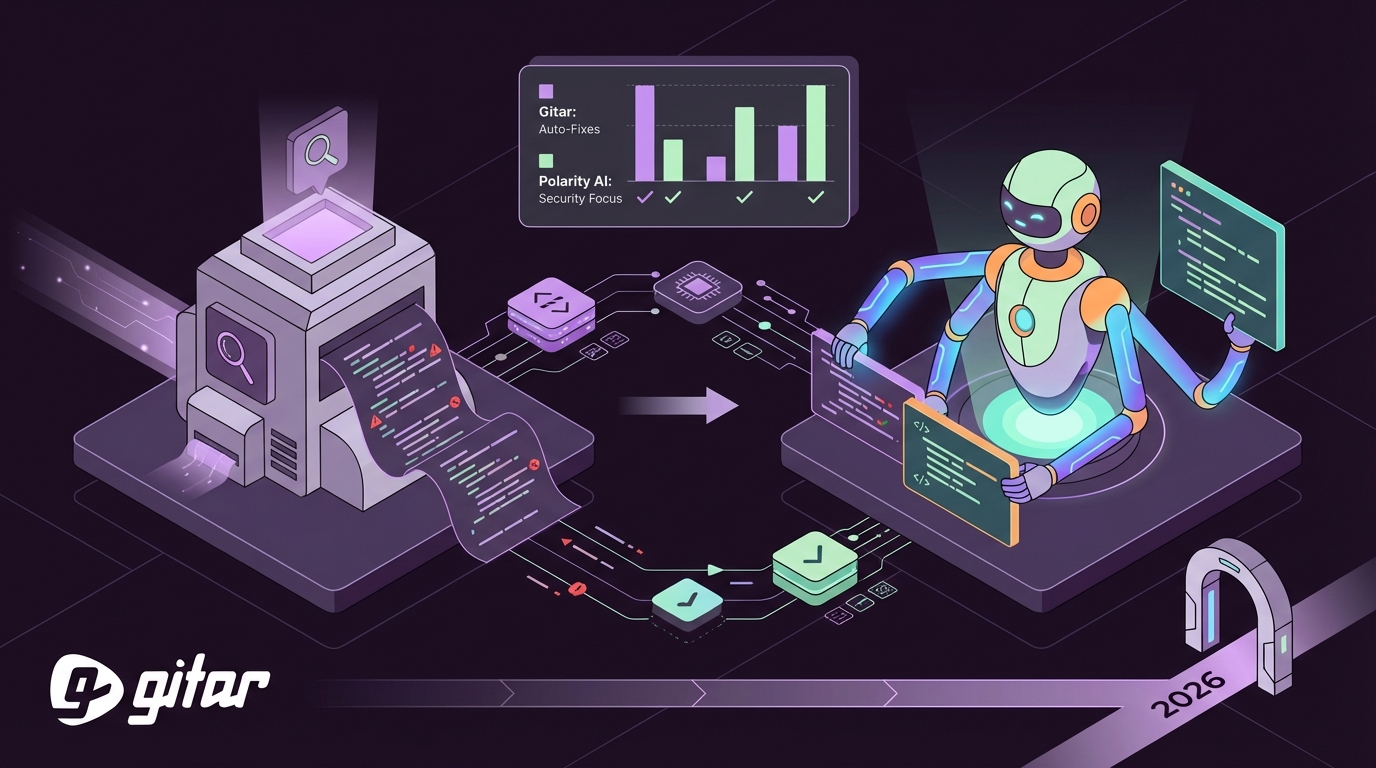
Last updated: February 17, 2026
Key Takeaways
- AI coding tools like GitHub Copilot speed up development by 55%, yet they create PR review bottlenecks that traditional processes cannot handle.
- Most AI code review platforms like Polarity AI provide suggestion-only analysis with PCU-based pricing from $20 per month, so teams still apply fixes manually.
- Gitar automatically analyzes CI failures, generates validated fixes, and commits solutions directly to pull requests.
- Competitors like CodeRabbit and Greptile offer helpful insights but lack auto-fix capabilities and charge $15-30 per seat, which increases costs for teams.
- Teams can switch to Gitar today for unlimited free AI code review with auto-fixing to ship higher quality software faster.
How We Compared AI Code Review Tools for Real Teams
Our evaluation criteria focus on real development workflows and measurable outcomes. We compared auto-fix capabilities versus suggestion-only behavior, CI/CD integration depth, pricing transparency, scalability for enterprise teams, user experience, and ROI impact. We analyzed vendor documentation, official pricing pages, developer feedback, and performance benchmarks. We prioritized tools that address the post-AI coding bottleneck with healing engines instead of commentary-only systems. The comparison covers both established platforms and newer solutions that deliver stronger automation.
Top AI Code Review Platforms in 2026
The 2026 AI code review market splits into clear categories. Gitar leads as a free healing engine platform with automatic CI failure resolution and unlimited scaling. Polarity AI focuses on security-centric static analysis with PCU-based pricing that starts at $20 per month. CodeRabbit offers GitHub-integrated suggestions at $15-30 per seat but does not provide auto-fix capabilities. Greptile emphasizes deep codebase context at $30 per developer but lacks fix validation. Traditional tools like Cubic and Snyk specialize in detection with some automation, yet they provide limited resolution inside code review flows. Each platform fits different needs, but only Gitar combines full review coverage with actual code fixing at zero cost.
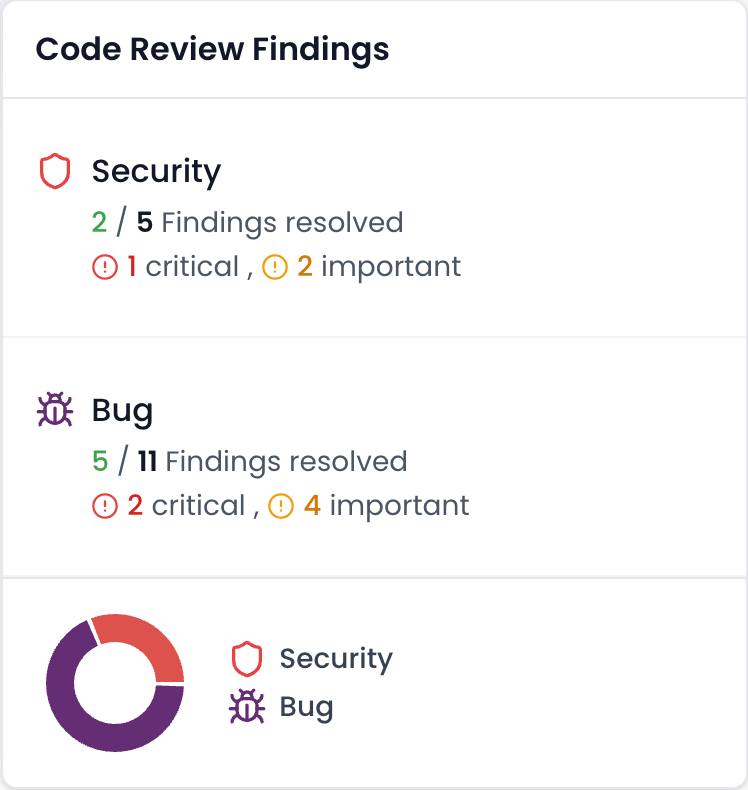
Install Gitar now, automatically fix broken builds, start shipping higher quality software, faster.
#1 Pick: Gitar Deep-Dive for Free Auto-Fixing and Healing
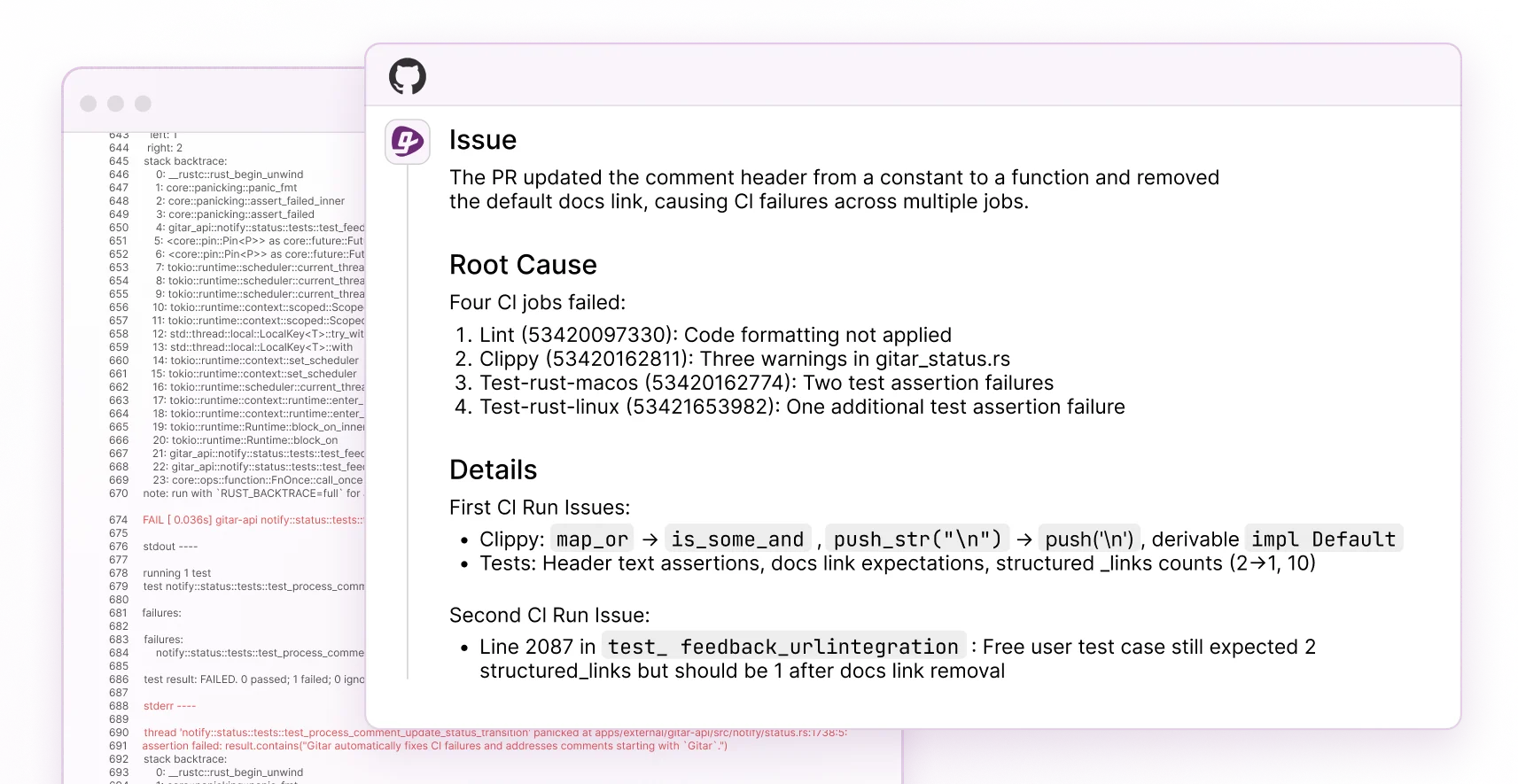
Gitar stands out as the only platform that offers complete AI code review for free while also delivering robust auto-fix capabilities. When CI failures occur, such as lint errors, test failures, or broken builds, Gitar analyzes failure logs, generates validated fixes with full codebase context, and commits working solutions directly to pull requests. This healing engine model removes the manual implementation loop that slows teams using paid suggestion tools.
The platform uses a single updating comment to centralize findings, CI analysis, and review feedback in one clean thread. Competing tools often flood PRs with scattered notifications that distract reviewers. Setup takes about 30 seconds and does not require a credit card or seat configuration. Gitar supports unlimited repositories across GitHub, GitLab, and major CI systems including CircleCI and Buildkite. Pinterest validated the platform at scale across more than 50 million lines of code and thousands of daily pull requests.
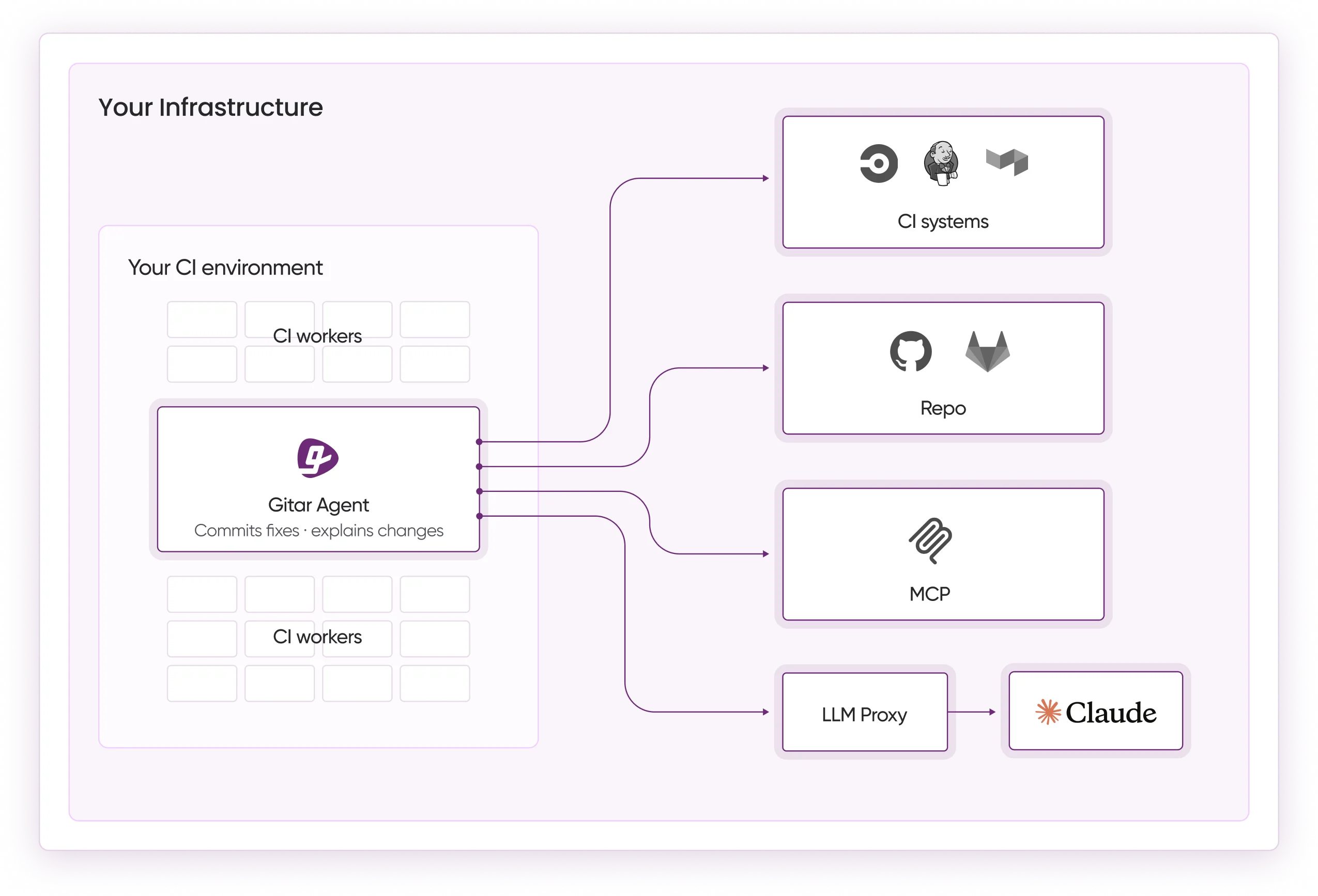
Key differentiators include natural language workflow rules, hierarchical memory that learns team patterns, and deep integrations with Jira and Slack for contextual awareness. Auto-fix features include a 14-day free trial.
Install Gitar now, automatically fix broken builds, start shipping higher quality software, faster.
Polarity AI vs Gitar in 2026
Polarity AI positions itself as an autonomous QA engineer with intelligent planning, security scanning, and performance analysis. The platform offers three pricing tiers: Developer at $20 per month with 20 PCUs, Startup at $350 per month with 250 PCUs, and custom Enterprise plans. PCU usage scales with PR size, from 1 PCU for small PRs to 4 PCUs for large PRs.
Polarity’s strengths include broad security scanning, GitHub PR integration with inline comments, CI/CD integrations on higher tiers, and SOC 2 compliance for enterprises. The platform still functions as a suggestion engine, since it identifies issues and posts comments without automatically implementing fixes or validating them against CI pipelines at Gitar’s depth. Teams keep the manual implementation burden that Gitar removes through its healing engine. The PCU-based model can become costly for high-volume teams, while Gitar’s unlimited free tier avoids this pressure.
CodeRabbit Alternatives and Reddit Feedback
CodeRabbit follows a traditional SaaS model with pricing from $15-30 per developer each month, centered on GitHub integration and PR summarization. The platform produces detailed pull request summaries and inline suggestions but does not provide auto-fix features that modern teams expect. Developer feedback often notes the ongoing manual implementation work, since CodeRabbit flags issues yet leaves engineers to apply changes.
The notification-heavy design adds cognitive load, with many inline comments spread across diffs. Teams see better PR understanding but feel limited by the suggestion-only model that does not reduce actual effort. For teams that want automated resolution instead of richer commentary, Gitar’s healing engine delivers stronger value at no cost.
AI Code Review Alternatives Beyond Gitar
Greptile focuses on codebase context at $30 per developer each month, using repository knowledge graphs to drive analysis. Its contextual awareness improves on basic suggestion engines, yet Greptile does not validate fixes against CI systems or implement changes automatically. Cubic and similar traditional tools emphasize detection with partial automation.
Newer platforms such as Aikido Security provide AI-generated fixes and one-click pull request patches, along with broad security coverage. The main gap in the market remains clear. Teams still need platforms that combine deep analysis with validated auto-fix capabilities across everyday development workflows.
Side-by-Side Comparison: Gitar vs Other Tools
|
Tool |
Auto-Fix |
CI Integration |
Pricing |
|
Gitar |
✓ Full healing engine (14-day free trial) |
✓ Complete validation |
$0 (Free) |
|
Polarity AI |
✗ Suggestions only |
✓ On higher plans |
$20+/month |
|
CodeRabbit |
✗ Manual implementation |
✗ Limited integration |
$15-30/seat |
|
Greptile |
✗ Context only |
✗ No validation |
$30/developer |
|
Feature |
Gitar |
Competitors |
|
|
PR Summary |
✓ Free |
✓ Paid |
|
|
Inline Suggestions |
✓ Free |
✓ Paid |
|
|
Auto-Apply Fixes |
✓ 14-day free trial |
✗ No |
|
|
CI Failure Analysis |
✓ Complete |
✗ Limited |
|
|
Green Build Guarantee |
✓ Yes |
✗ No |
The comparison highlights Gitar’s core advantage. Competitors charge premium prices for suggestion engines that still require manual work, while Gitar delivers full review capabilities for free with automated fixing that produces working solutions. Teams save both subscription costs and developer hours.
Key Tradeoffs for AI Code Review in 2026
Small teams gain the most from Gitar’s free unlimited model, which removes budget barriers while offering enterprise-grade features. Larger organizations should consider total cost of ownership. A 20-developer team spending $450-900 each month on suggestion tools can save more than $375,000 annually with Gitar’s automated fixing approach. Security-focused teams may start with Polarity’s specialized scanning, yet Gitar’s broader platform supports more of the overall development workflow.
The assumption that free tools deliver weaker value does not apply here. Gitar’s architecture and validation at Pinterest’s scale show production readiness. Teams that feel cautious about automated commits can begin in suggestion mode, then enable auto-fix gradually for trusted failure types. The platform’s configuration options support enterprise security needs while preserving the productivity gains of automated resolution.
Install Gitar now, automatically fix broken builds, start shipping higher quality software, faster.
AI Code Review FAQs for 2026
What is Polarity AI and how does it compare to free alternatives?
Polarity AI is an autonomous QA engineer platform that delivers security scanning, performance analysis, and code review through GitHub PR integration. It uses a PCU-based pricing model that starts at $20 per month for 20 PCUs. Polarity offers strong analysis features but remains a suggestion-only tool that requires manual implementation of fixes. Free alternatives like Gitar provide similar review depth plus automated fixing, which makes them more cost-effective for teams that want real productivity gains instead of richer commentary.
Which AI code review tool offers the best ROI for enterprise teams?
Gitar offers the strongest ROI by combining free comprehensive review with automated fixing. A 20-developer team often loses about $1 million each year to CI and review friction. Gitar’s healing engine can reduce this impact to roughly $250,000 while removing tool subscription costs. Competitors that charge $15-30 per seat usually deliver incremental improvements that do not justify their pricing when engineers still implement changes manually. Platforms that cut actual work, not just provide better analysis, win the ROI comparison.
How do auto-fix capabilities compare between Polarity AI and Gitar?
Polarity AI does not provide auto-fix capabilities. It analyzes code and posts suggestions in PR comments, then developers apply changes themselves. Gitar’s healing engine analyzes CI failures, generates validated fixes with full codebase context, and commits working solutions directly to pull requests. This difference means Gitar removes the manual implementation cycle that limits suggestion-only tools like Polarity in modern development environments.
What do Reddit developers say about AI code review tools in 2026?
Developer conversations frequently mention frustration with suggestion-only tools that create notification noise without reducing work. Teams report that platforms such as CodeRabbit and Polarity provide helpful analysis but fail to solve the main bottleneck of manual implementation. The general preference leans toward tools that pair analysis with automated resolution, which explains Gitar’s growing adoption among teams that want real workflow improvements instead of more comments.
Which platforms integrate best with CI/CD pipelines for automated workflows?
Gitar offers the most complete CI/CD integration, supporting GitHub Actions, GitLab CI, CircleCI, and Buildkite with full failure analysis and automated fixing. The platform validates fixes inside real CI environments before committing, which helps ensure solutions work in production. Competing tools usually provide basic PR integration without deep CI context or fix validation, which limits their usefulness for teams that rely on reliable automation across complex pipelines.
Conclusion: Choose Gitar for 2026 Delivery Speed
The 2026 AI code review landscape rewards platforms that combine deep analysis with automated fixing. Suggestion-only tools like Polarity AI and CodeRabbit charge premium prices for commentary that still demands manual work, while Gitar delivers stronger functionality for free. The healing engine model removes the implementation bottleneck that slows traditional review tools and produces clear productivity and cost gains.
Teams that want to solve the post-AI coding bottleneck can install Gitar’s free platform and experience automated fixing in real workflows. The 30-second installation requires no credit card or long-term commitment, so teams can safely compare Gitar against existing paid solutions.
Install Gitar now, automatically fix broken builds, start shipping higher quality software, faster.