
Written by: Ali-Reza Adl-Tabatabai, Founder and CEO, Gitar
Key Takeaways
- AI coding tools boosted code generation 3-5x in 2025, but PR review times rose 91% and change failure rates increased 30% as review capacity failed to scale.
- Traycer focuses on planning agents and suggestions, yet lacks full PR healing and CI autofix, so teams switch to free tools that ship real fixes.
- Gitar leads as the top free Traycer alternative with unlimited PR reviews, security scanning, and a 14-day autofix trial for CI failures across GitHub, GitLab, and more.
- Competitors like Qodo, CodeRabbit, and Sourcery restrict free tiers, skip autofix, and offer partial CI coverage, which often forces paid upgrades.
- Teams reach consistent green builds and save $750K+ with Gitar’s automated CI healing, installing once and shipping higher quality software faster.
Why Teams Replace Traycer With Free AI Code Review in 2026
Teams move away from Traycer because it centers on agentic planning workflows instead of full PR healing and CI failure resolution. Developer forums describe recurring pain: “PR hell from AI-generated code floods,” “suggestions do not actually fix CI failures,” and costly paid tools that block OSS projects. About 60% of project delays come from CI pipeline failures. At the same time, only 8.5% of teams reach the ideal 0-2% change failure rate. Free AI code review platforms that ship validated fixes instead of comments now match what teams actually need: tools that guarantee green builds, not more commentary.
Top 7 Free Traycer Alternatives for AI Code Review
1. Gitar: Leading Free Traycer Alternative for CI Healing
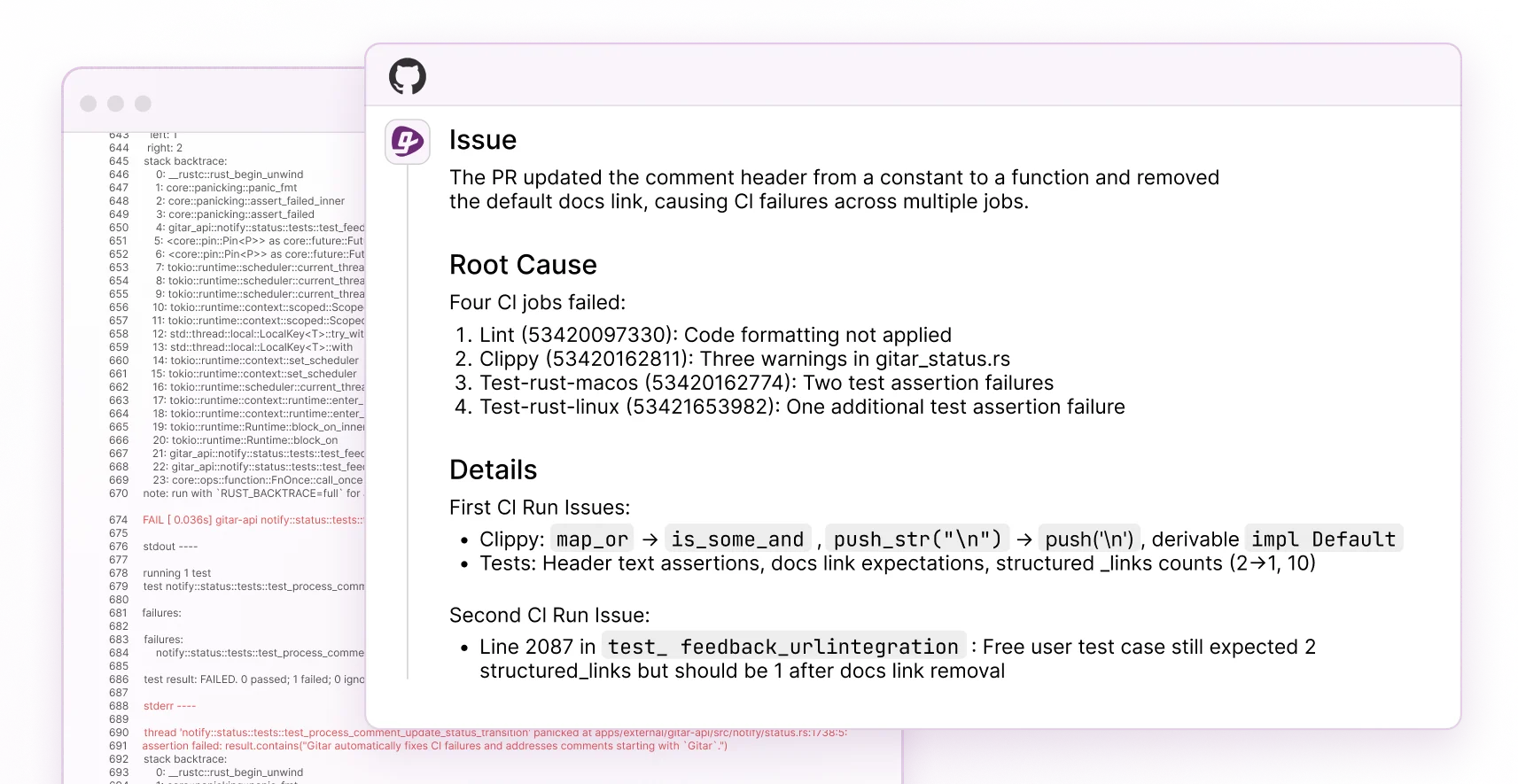
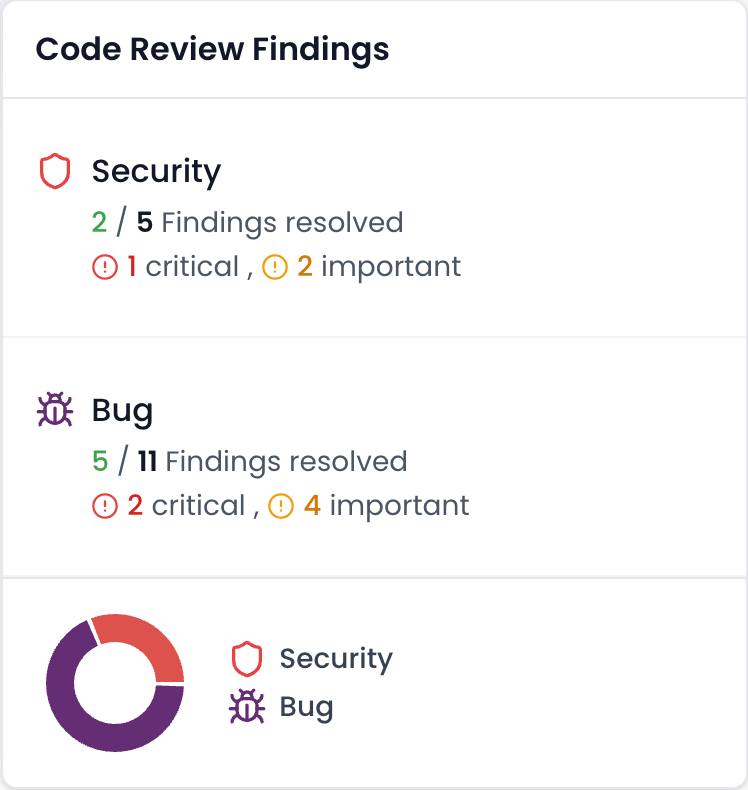
Gitar delivers unlimited free PR reviews with comprehensive security scanning, bug detection, and performance checks across unlimited repositories and users. The platform integrates with GitHub, GitLab, CircleCI, and Buildkite, and it posts a single dashboard comment per PR to avoid notification spam. A 14-day autofix trial automatically resolves CI failures, test breaks, and lint errors with validated commits that guarantee green builds. Gitar supports enterprise workloads with 50 million+ lines of code and thousands of PRs per day. Collate’s engineering lead praised the “unrelated PR failure detection” that saves significant time, and the Tigris team reported that Gitar’s PR summaries are “more concise than Greptile/Bugbot.” Installation finishes in about 30 seconds with no credit card, and teams see CI fixes in real time. ROI analysis shows $750K+ yearly savings compared with CodeRabbit for a 20-developer team.
Install Gitar: Top Free Traycer Alternative for AI Code Review
2. Qodo: Context-Aware Reviews With OSS-Friendly Tier
Qodo offers context-aware code reviews for complex codebases with agentic issue finding and local IDE integration. The free Developer plan gives individual developers 30 PRs per month with AI review, IDE and CLI tools, and credits. Qodo does not include autofix or CI healing, so developers must apply suggested changes manually. Paid plans start at $30 per user, which becomes expensive as teams grow.
3. CodeRabbit: Broad Language Support With No CI Autofix
CodeRabbit provides PR reviews for 40+ languages and integrates with GitHub, GitLab, and Bitbucket. The free tier focuses on open-source projects and restricts private repository usage. CodeRabbit often generates many inline comments that overwhelm developers and create notification fatigue. The platform does not integrate with CI for autofix, so teams still handle red builds manually. Developer forums frequently mention “CodeRabbit floods,” and paid plans start at $15+ per seat for core features.
4. Sourcery: Python-First Refactoring With Free Caps
Sourcery focuses on Python refactoring with GitHub and VS Code integration. The free tier for open-source and public repositories includes core refactoring, review features, and pull request summaries. Sourcery does not provide full CI integration or autofix, so it works mainly as a refactoring assistant. Paid plans start at $12 per user, and the platform supports only a subset of languages, which limits use in polyglot environments.
5. Continue: IDE Chat and PR Agents for Individuals
Continue offers in-IDE chat and PR review agents that run as GitHub checks, along with CI and CD pipeline hooks. The tool improves individual developer productivity and supports team workflows, yet it still focuses on suggestions instead of full CI healing. Continue does not fully replace Traycer for teams that want collaborative development plus automated autofix across pipelines.
6. Sweep AI: Automated Issue Fixes for Open Source
Sweep AI targets open-source issue resolution and adds PR review through GitHub MCP and custom prompts. It can create PRs with code changes and tests, which helps maintainers close issues faster. Sweep AI still lacks full CI autofix and end-to-end workflow integration, so teams cannot rely on it for complete development automation.
7. Greptile: Context-Aware Suggestions With Premium Pricing
Greptile provides deep codebase context and works as a suggestion-only platform without fix validation or CI integration. The free trial includes strict usage limits, and paid plans start at $30+ per developer. This pricing makes Greptile one of the most expensive options for teams that want automated code review and CI healing instead of manual follow-up work.
Free Tier Comparison: Gitar vs Other Traycer Alternatives
|
Platform |
Free Tier Limits |
Autofix/CI Integration |
Platform Support |
|
Gitar |
Unlimited repos and users |
Yes (14-day trial) |
GitHub, GitLab, CircleCI, Buildkite |
|
Qodo |
30 PRs per month for individuals |
No |
Multiple IDEs |
|
CodeRabbit |
OSS limited |
No |
GitHub, GitLab, Bitbucket |
|
Sourcery |
Open-source repos, Python focus |
No |
GitHub, VS Code |
Community Feedback: What Reddit and GitHub Say About Traycer Alternatives
Developer communities on Reddit and GitHub often criticize suggestion-only tools. Common complaints include “CodeRabbit floods notifications” and “need autofix for red builds, not just suggestions.” Gitar appears as an “underrated healer” in many threads, with reports of “fixed lint errors overnight” and “finally, a tool that actually resolves CI failures.” The shared verdict favors platforms that deliver actionable, validated fixes instead of expensive suggestion engines that still demand manual effort.
Install Gitar now, automatically fix broken builds, start shipping higher quality software, faster
Conclusion: Gitar Leads 2026 Free Traycer Alternatives for Real Fixes
Gitar stands out as the leading free Traycer alternative for 2026 by pairing unlimited code reviews with unique autofix that guarantees green builds. Competing platforms often charge $15-30 per developer for suggestion-only features, while Gitar delivers comprehensive PR analysis, security scanning, and CI failure resolution at no cost. The 14-day autofix trial changes daily workflows by applying fixes directly instead of leaving teams with a backlog of comments. OSS maintainers, indie developers, and small teams use Gitar to escape the post-AI coding bottleneck with free reviews, real fixes, and predictable results.
Install Gitar now, automatically fix broken builds, start shipping higher quality software, faster
Frequently Asked Questions
What makes Gitar different from other free AI code review tools?
Gitar stands out as the only free platform in this list that fixes code instead of only suggesting edits. Competitors such as CodeRabbit and Qodo post comments that still require manual work, while Gitar resolves CI failures, applies review feedback, and validates fixes against your CI pipeline. The platform uses a single dashboard comment to reduce noise, and the 14-day autofix trial shows real healing in practice with guaranteed green builds.
How does Gitar’s free tier compare to paid alternatives like CodeRabbit?
Gitar’s free tier covers unlimited repositories, unlimited users, detailed PR summaries, security scanning, and bug detection. CodeRabbit charges $15+ per developer each month for similar coverage. Gitar also supports GitHub, GitLab, CircleCI, and Buildkite, while many competitors focus only on GitHub. During the 14-day trial, Gitar’s autofix resolves issues automatically instead of leaving a list of suggested changes in comments.
Can Gitar handle enterprise-scale codebases and complex CI workflows?
Gitar supports enterprise environments with 50 million+ lines of code and thousands of PRs per day. A hierarchical memory system maintains context per line, per PR, per repository, and per organization, and it learns team patterns over time. Gitar works with complex CI setups that use specific SDK versions, multi-dependency builds, and third-party integrations. The enterprise tier runs the agent inside your CI with access to secrets and caches, and no code leaves your infrastructure. The platform holds SOC 2 Type II and ISO 27001 certifications.
What types of CI failures can Gitar automatically fix?
Gitar automatically fixes lint errors, test failures, build breaks, dependency issues, and configuration problems. The platform reads failure logs to identify root causes, generates patches with full codebase context, validates them against your CI pipeline, and commits working fixes directly to PRs. Gitar also handles unrelated PR failures, infrastructure flakiness detection, and multi-step build processes that traditional code review tools cannot address.
How quickly can teams get started with Gitar and see results?
Teams install Gitar in about 30 seconds through the GitHub App or GitLab integration, with no account setup or credit card. Gitar starts posting dashboard comments on new PRs right away, and most teams see their first automated CI fix within a few hours. The platform demonstrates CI failure resolution in real time, and the 14-day autofix trial lets teams experience full healing before they commit to ongoing use. Many teams report noticeable productivity gains during the first week.