
Key Takeaways
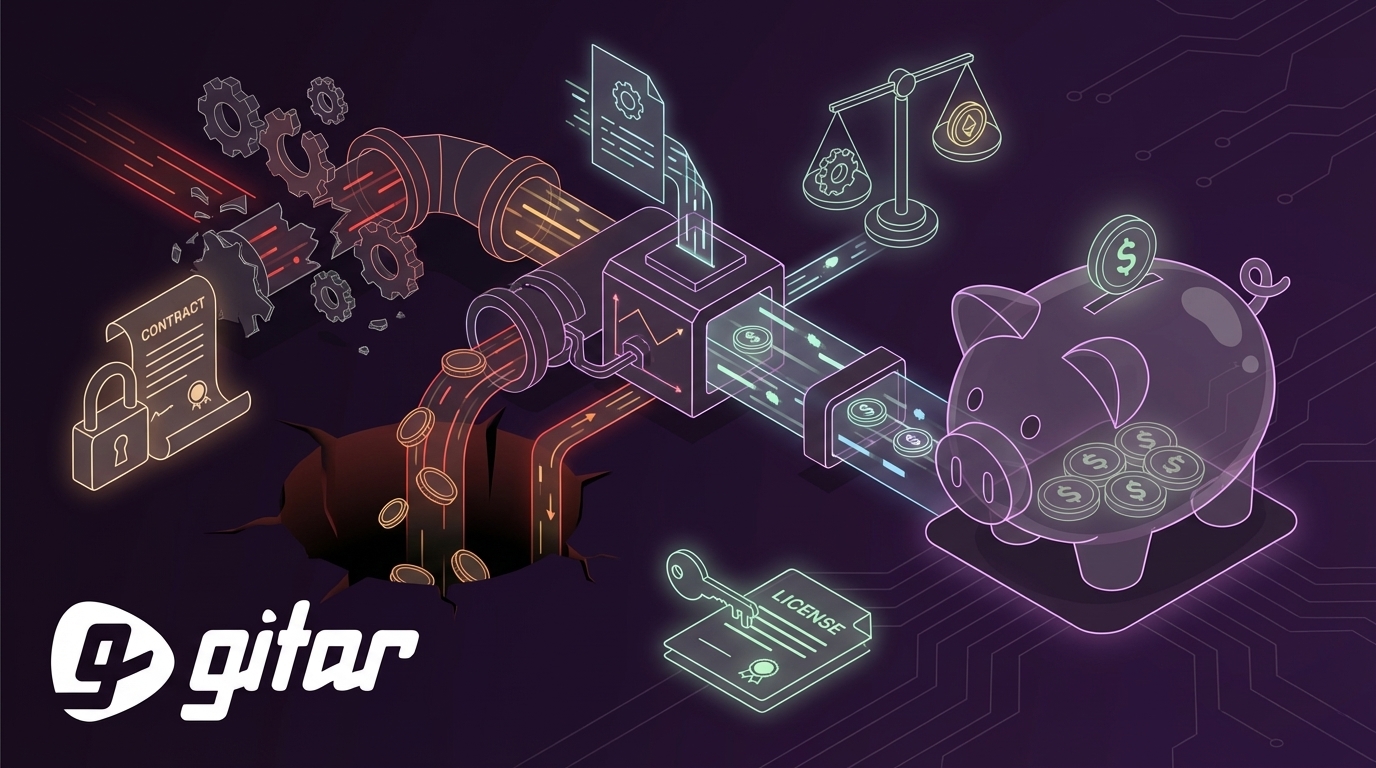
- Inefficient CI/CD pipelines create hidden costs in developer time, infrastructure, and maintenance that often exceed visible tooling expenses.
- Bugs that escape early CI checks become much more expensive to fix later in QA and production, which raises total cost of ownership.
- Complex CI/CD licensing models and legacy platforms obscure real usage costs and increase the risk of expensive vendor lock-in.
- Autonomous CI healing from Gitar reduces failed builds, shortens feedback cycles, and helps teams get more value from existing CI/CD investments.
- Teams can install Gitar to automatically fix failing builds and resolve review feedback by visiting Gitar’s CI fix page.
The Hidden Drain: Why Inefficient CI/CD and Opaque Licensing Models Cost You More
CI/CD costs extend beyond line items such as build minutes, servers, and licenses. The larger impact comes from lost developer productivity, slower delivery, and growing technical debt that accumulates when teams rely on manual, reactive workflows.
Developer Productivity Loss: The Invisible Tax on Your Engineering Budget
Manual debugging and frequent context switching erode focus and consume a significant share of engineering capacity. Hidden costs include infrastructure and tooling expenses, developer productivity loss, and pipeline maintenance overhead, with productivity loss often representing the largest share.
Flow state becomes rare when developers must interrupt feature work to address red builds. The impact scales across teams, because each interruption delays delivery and multiplies coordination overhead. One HP case reported 78% savings from more agile, interruption-minimizing processes, illustrating the effect that smoother pipelines can have on engineering budgets.
Install Gitar to reduce CI debugging time and keep developers focused on feature work.
The Exponential Cost of CI/CD Failures: From QA to Production
Issue resolution becomes more expensive at every stage of the pipeline. Bugs found in QA cost 15 times more to fix than those caught during design, and production bugs cost around 7 times more than QA bugs due to triage, reproduction, and incident handling.
Unstable pipelines that rely on manual CI triage allow more of these issues to slip through. Automated CI/CD workflows reduce downtime impacts on revenue and credibility, which links better early detection to clear business outcomes.
Navigating the Labyrinth: How Complex Licensing Models Obscure CI/CD Costs
Per-seat, per-minute, per-build, and hybrid pricing structures make it hard to predict CI/CD spend at scale. Maintaining heterogeneous CI agents for multiple languages increases aggregate infrastructure costs over time, while time spent debugging configurations through commit-push-wait cycles drives additional productivity loss.
Failed builds still consume billed minutes and often require several retries. As teams grow, these inefficiencies compound and turn an initially acceptable plan into a significant cost center.
The High Price of Rigidity: Technical Debt and Migration Hurdles
Rigid, platform-specific features can lock teams into tools that no longer fit their needs. Platform-specific capabilities contribute to migration challenges, and full CI/CD migrations increase build success rates by 19% but extend build times by 31% because of added complexity.
Outdated DevOps tools increase downtime from manual errors, which can cost large companies tens of millions of dollars in revenue, and inefficient processes raise operational costs as teams spend more time fixing issues than delivering value. Over time, this rigidity makes every improvement more expensive.
Gitar: A Practical Path to Autonomous CI/CD Cost-Effectiveness and Optimized Licensing
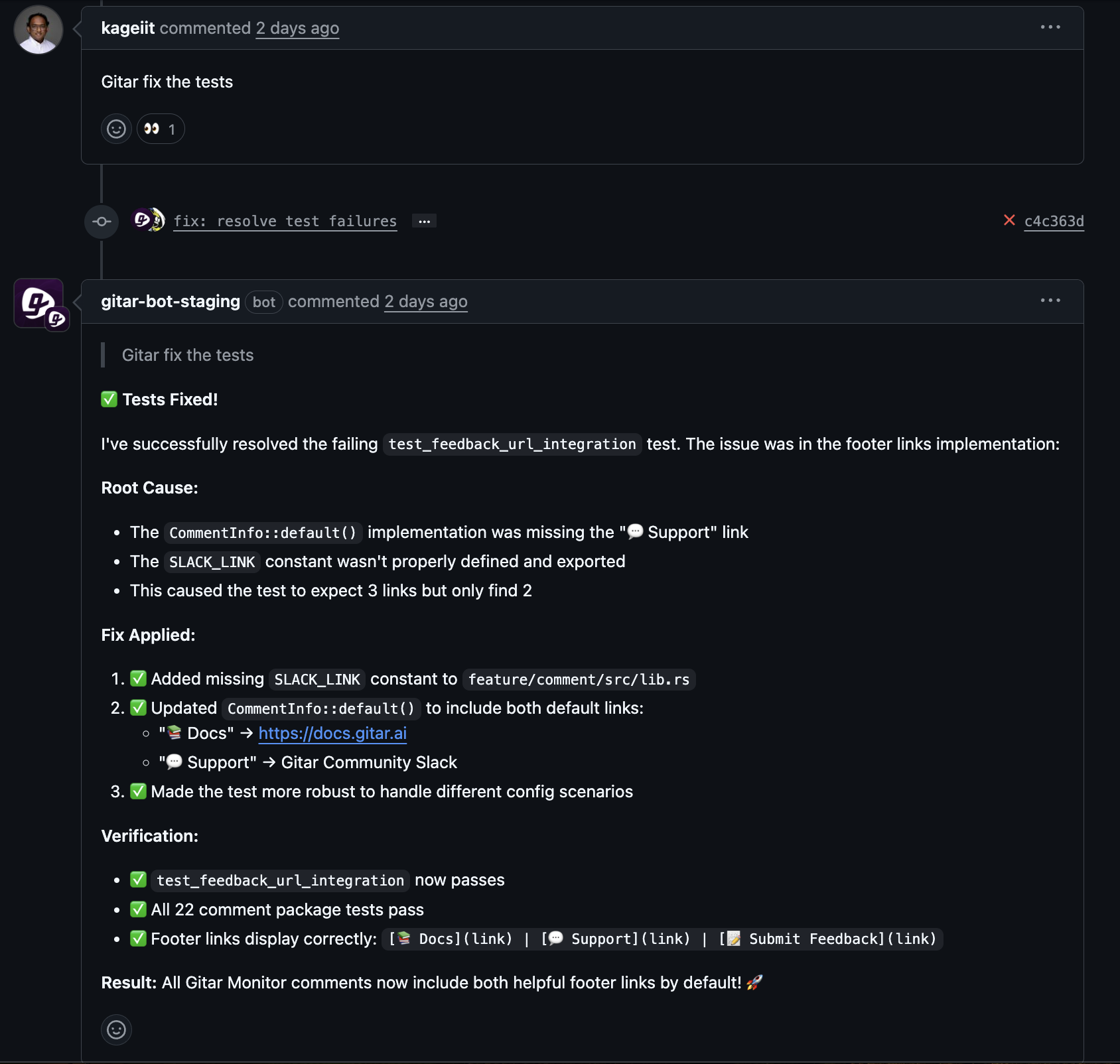
Gitar operates as an autonomous CI healing engine that detects, diagnoses, and resolves many CI failures without manual intervention. This approach reduces developer time on repetitive tasks and improves the effective use of CI infrastructure and licenses.
Core capabilities that improve cost-effectiveness include:
- Autonomous CI fixes for linting errors, formatting issues, build failures, and simple test failures, which reduce repeated failed runs.
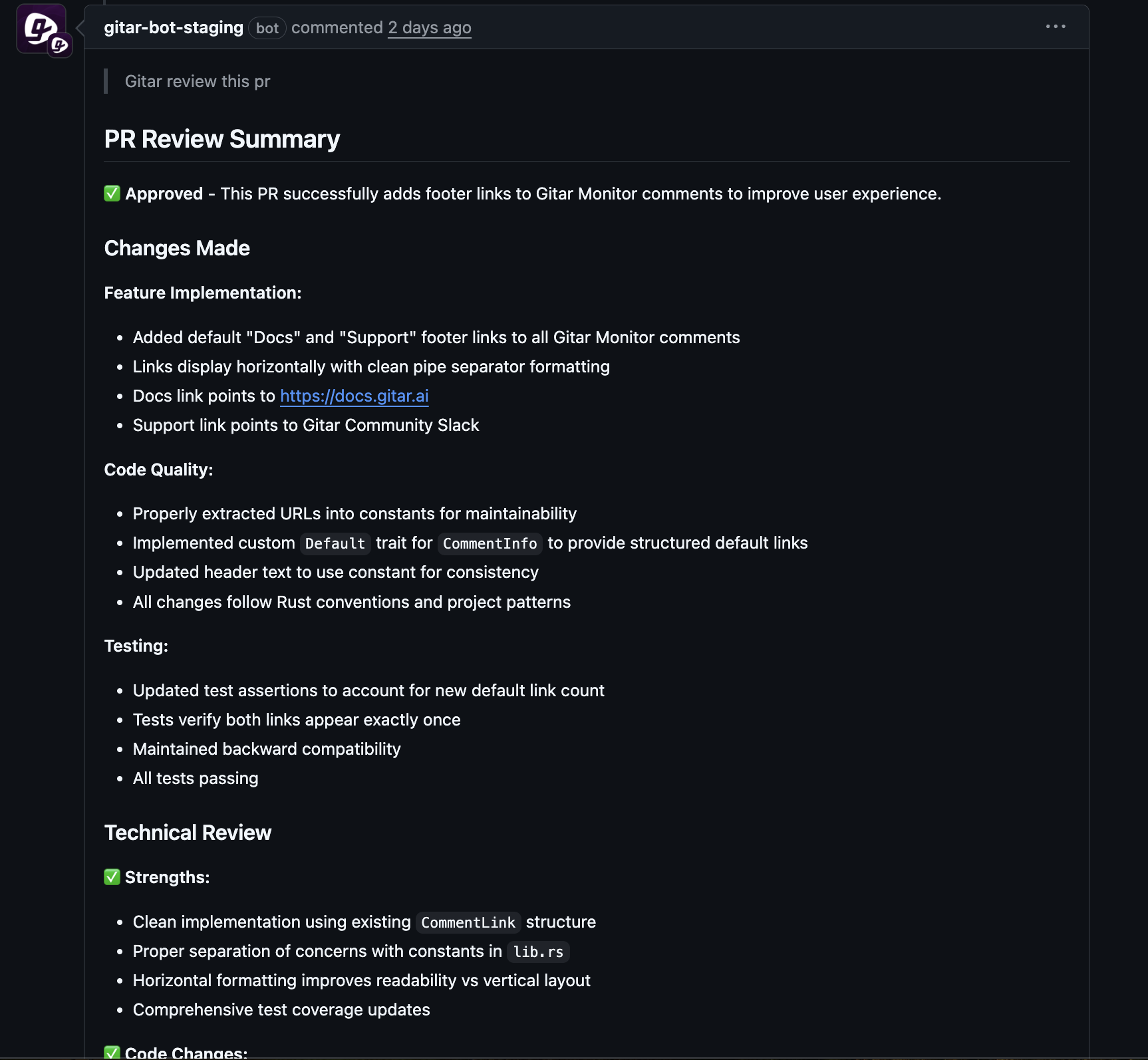
- Automatic code review feedback resolution that applies reviewer comments and accelerates merge cycles, especially for distributed teams.
- Full environment replication for complex enterprise setups with multiple SDKs and third-party scans, which helps fixes work correctly on the first attempt.
- Cross-platform support for GitHub Actions, GitLab CI, CircleCI, and other systems, so teams can use Gitar with existing pipelines.
- Configurable trust modes that range from suggestion-only to auto-commit, allowing gradual adoption that matches team risk tolerance.
Optimize your CI/CD cost-effectiveness with Gitar.
Achieving ROI: How Gitar Drives CI/CD Cost-Effectiveness
Reclaiming Developer Productivity: Direct ROI on Time and Talent
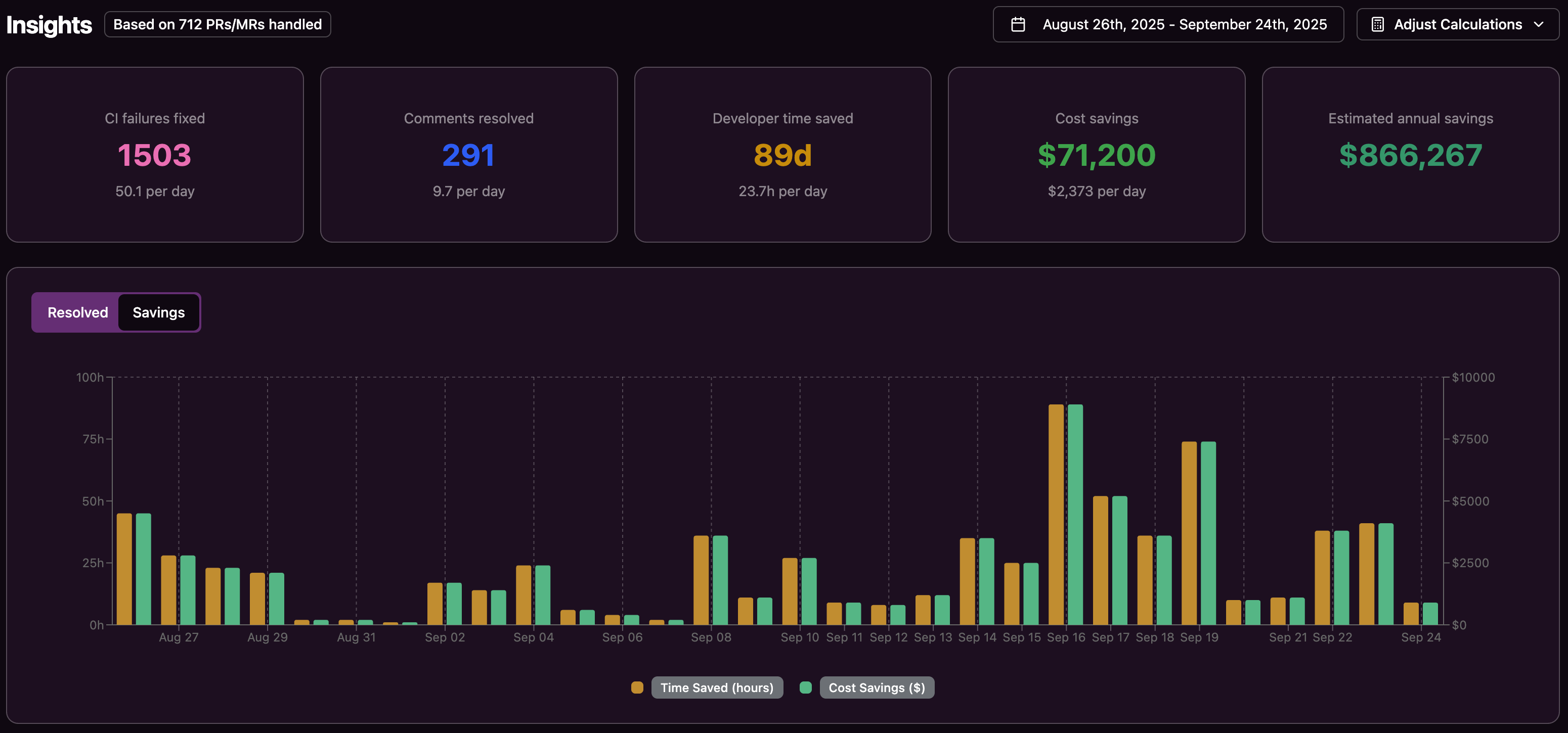
A 20-developer team that spends around one hour per day on CI debugging and review friction can incur roughly $1 million per year in lost productivity. Gitar reduces this drain by handling routine CI fixes and many review changes, so developers maintain focus on feature work. Automation that minimizes developer troubleshooting time frees teams to work on higher-value initiatives.
Fewer interruptions and context switches support more predictable delivery schedules and more stable morale, which further improves long-term output.
Shrinking CI Infrastructure Bills: Smarter Use of Build Minutes
Gitar lowers the number of failed pipelines and retries, so a larger share of billed CI minutes goes to productive runs. By avoiding repeated commit-push-wait cycles, teams reduce overall resource consumption while increasing successful output, which can reduce monthly CI invoices.
Streamlining Licensing Models: Getting More from Existing Commitments
Gitar helps teams gain more value from current CI/CD licenses by raising the success rate of builds and reducing the need for over-provisioning. Intuitive CI/CD platforms reduce reliance on highly specialized DevOps roles, and Gitar extends this effect by making pipelines more self-healing and easier to maintain.
Mitigating Lock-in Risks: Flexibility for Long-Term Cost-Effectiveness
Cross-platform compatibility and environment replication give teams flexibility in how they structure their pipelines. Incremental pipeline improvements can reduce project duration by 52% and build failure resolution time by 40%, which highlights the value of a tool that adapts to varied CI environments.
With Gitar in place, teams can evaluate or change CI platforms based on cost and features rather than being constrained by tightly coupled scripts and workflows.
Install Gitar to lower CI overhead while keeping platform options open.
Gitar vs. The Status Quo: A Comparison of CI/CD Cost-Effectiveness
|
Feature Category |
Traditional Manual Fixes |
AI Suggestion Tools |
Gitar (Autonomous Engine) |
|
Developer Time Cost |
High, due to manual debugging and context switching |
Medium to high, suggestions still require implementation |
Low, many issues resolve automatically |
|
CI Infrastructure Efficiency |
Low, repeated failed builds and retries |
Medium, suggested changes may still fail |
High, fewer failed runs and retries |
|
Impact on Flow State |
Disruptive, frequent interruptions |
Interruptive, manual follow-up required |
Less disruptive, autonomous resolution |
|
Licensing Optimization |
No direct impact |
Indirect only |
Improves effective use of CI minutes and plans |
Frequently Asked Questions about CI/CD Cost-Effectiveness and Licensing Models
How does Gitar specifically impact my current CI/CD licensing costs?
Gitar lowers licensing costs in practice by reducing the share of billed runs that fail or require retries. Many CI/CD platforms bill per minute or per pipeline run. By fixing issues before or during the run, Gitar increases the proportion of successful pipelines within the same licensed capacity.
We already use an AI reviewer; how is Gitar different for CI/CD cost-effectiveness?
AI reviewers suggest changes but still depend on developers to apply and validate them, which uses both time and CI cycles. Gitar acts as a CI healing engine that applies fixes, runs the pipeline, and validates results in your real environment, which removes much of the manual effort and reduces redundant runs.
How does Gitar ensure real ROI on its autonomous fixes, especially given our complex CI setup?
Gitar delivers ROI by reducing time spent on CI incidents and by improving build success rates. Environment replication across SDK versions, multi-SDK dependencies, and third-party scans helps Gitar propose fixes that match production-like conditions, which limits regressions and rework.
We are concerned about the trust model for autonomous fixes. How does Gitar address this when considering CI/CD cost-effectiveness?
Gitar uses configurable trust modes. Teams can begin in suggestion-only mode, where every change requires explicit approval. As confidence grows, teams can enable automatic commits for low-risk fixes. This staged approach allows cost savings to increase over time while keeping control over change risk.
What measurable cost savings can we expect from implementing Gitar?
Teams often see fewer failed builds, lower CI usage, and reduced time spent on CI-related work. For a 20-person team that loses around $1 million per year to CI interruptions, cutting that time in half can represent savings near $500,000 annually, alongside faster delivery.
Conclusion: The Future of CI/CD Cost-Effectiveness Is Autonomous
Hidden CI/CD costs and opaque licensing models place steady pressure on engineering budgets. As 2026 development demands grow, workflows that rely on manual debugging and reactive fixes become harder to justify.
Gitar offers a way to shift CI/CD from a cost burden toward a more efficient, self-healing system. Autonomous fixes, cross-platform support, and flexible trust modes help teams reclaim developer time and improve the return on existing CI investments.
Teams that adopt autonomous CI/CD healing position themselves to scale efficiently, reduce operational overhead, and focus engineers on product improvements instead of maintenance.
Explore how Gitar can reduce CI/CD costs and improve developer productivity across your pipelines.