
Unstable CI/CD pipelines slow down software development, costing teams time and money. Developers often spend hours troubleshooting failed builds, while engineering leaders push for faster delivery without sacrificing quality. Gitar offers a solution with its self-healing CI platform, automating fixes for pipeline issues. This approach helps teams regain productivity, reduce interruptions, and turn CI/CD systems into reliable tools for success.
Why Unstable CI/CD Pipelines Hurt Developer Productivity
Modern software tools speed up coding, but validating and merging that code often creates bottlenecks. Unstable CI/CD pipelines turn automated checks into time-consuming debugging tasks, draining developer focus and team energy.
Context Switching and Developer Fatigue
Picture this: a developer submits a pull request, only to see it fail with errors. They must stop their current work, dig through logs, fix the issue, and wait for the pipeline to rerun. This constant interruption breaks their focus, turning a quick fix into a major delay. Studies show that developers can spend up to 30% of their day on failed builds, pulling them away from meaningful tasks. Over time, this repetitive cycle leads to frustration and burnout, increasing turnover risks.
Financial Impact of Pipeline Failures
Pipeline issues cost more than just time. For a team of 20 developers, lost productivity from unstable pipelines can reach $1 million per year. Beyond direct costs, delays in releases allow competitors to gain ground. Failed deployments that slip into production can also harm customer trust and require expensive fixes, diverting senior talent from strategic goals.
Common Causes of CI/CD Instability
CI failures often stem from more than just code errors. Challenges like environment mismatches, dependency conflicts, resource limits, and tool integration gaps frequently disrupt pipelines. For instance, code might run fine locally but fail in CI due to version differences. These issues demand time and effort to pinpoint and resolve.
Ready to stop pipeline interruptions? Install Gitar to automate fixes and ship quality software faster.
How Gitar Automates Pipeline Stability
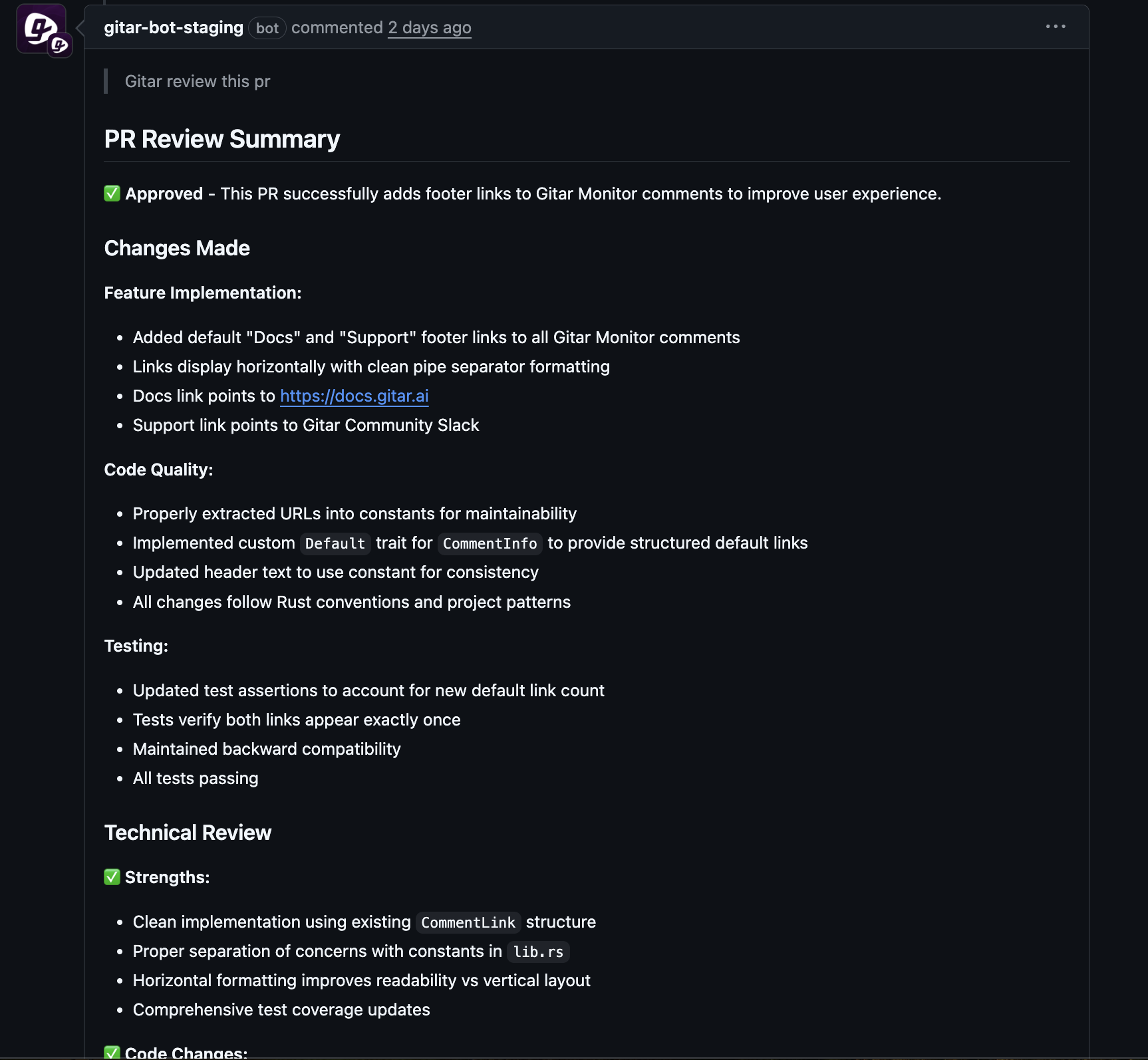
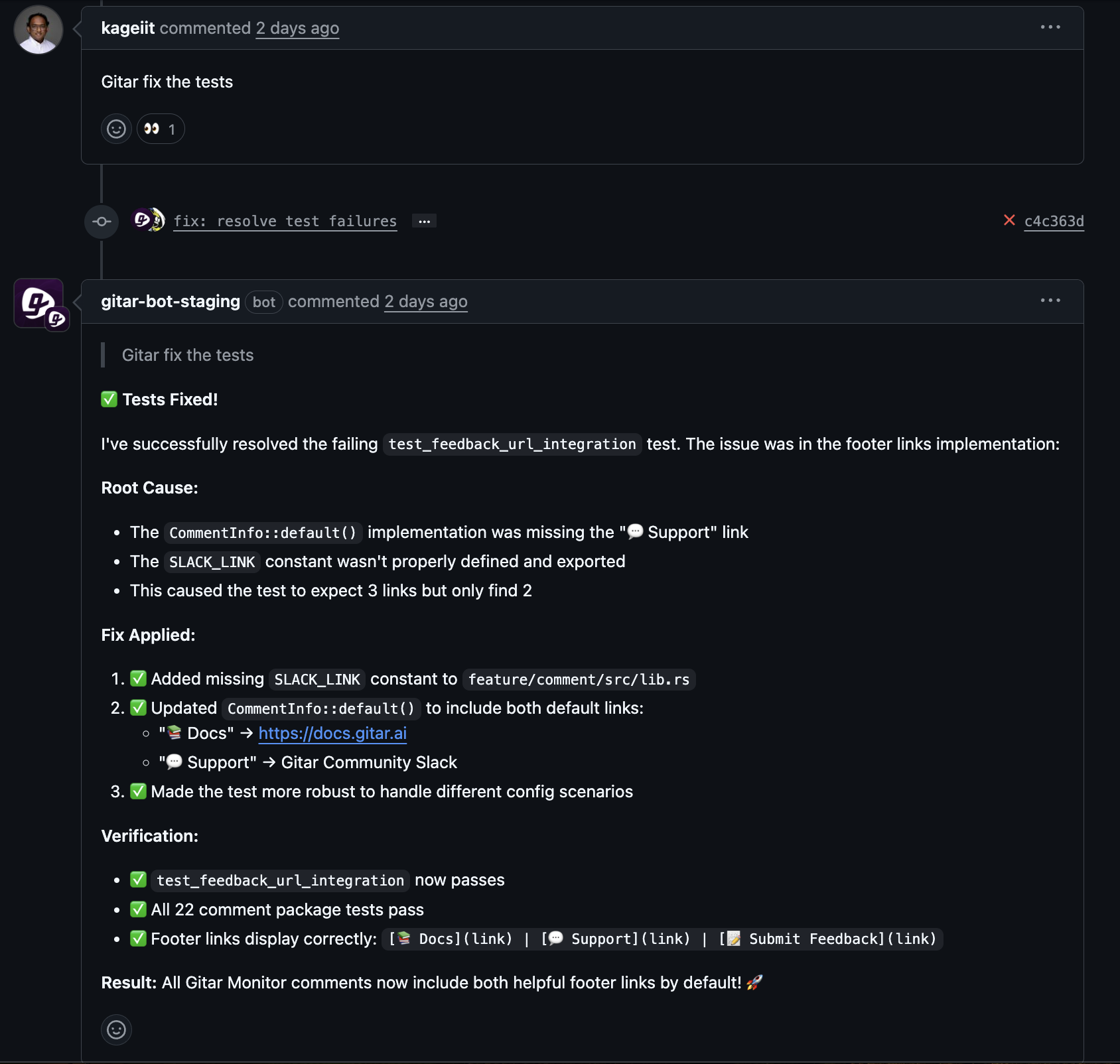
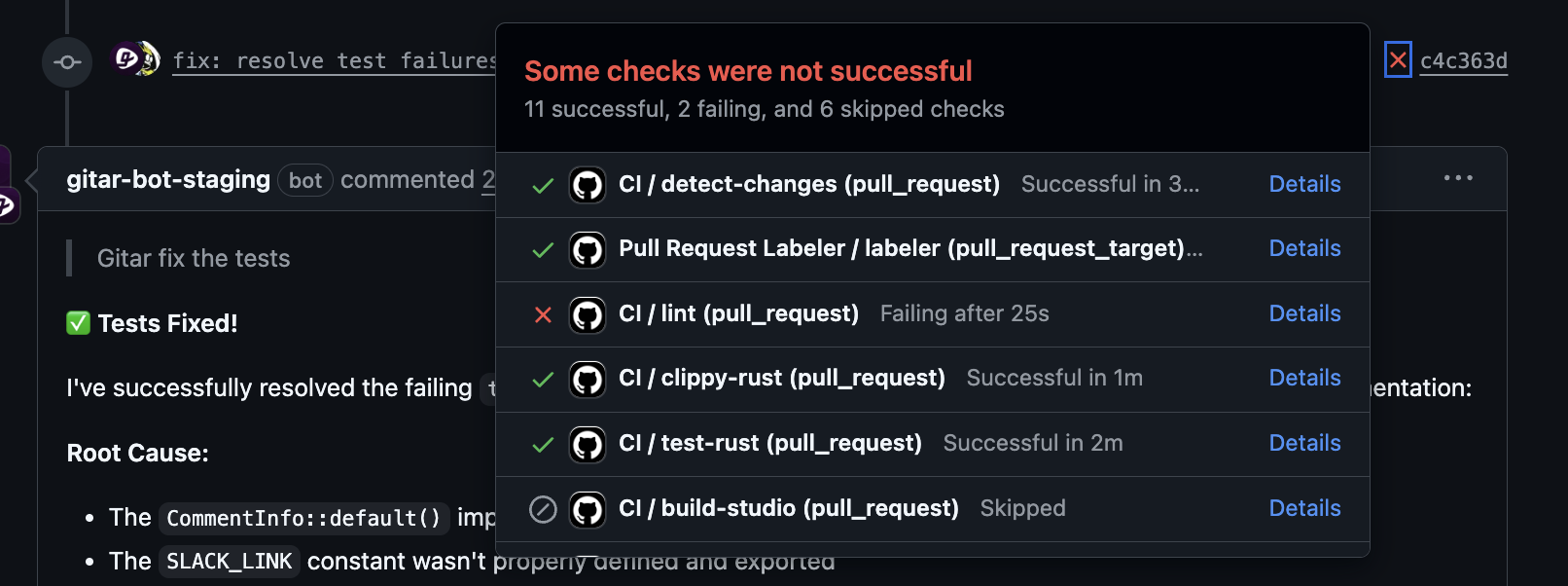
Most CI tools only detect issues or suggest fixes, leaving developers to handle the rest. Gitar goes further by autonomously resolving problems. When a build fails, it analyzes the error, applies a solution, validates it in the full CI environment, and commits the change, all without manual input.

Gitar understands complex setups, including specific software versions, multi-language dependencies, and tools like SonarQube or Snyk. This ensures fixes work in your exact environment. Here are its key capabilities:
- Complete Automation: Fixes issues like linting errors, runs checks to confirm the solution, and updates the pull request.
- Environment Matching: Mirrors enterprise setups, handling containers, variables, and dependencies accurately.
- Customizable Automation: Offers modes from suggestions needing approval to full auto-commits with rollback options.
- Code Review Support: Responds to feedback in pull requests, making changes and explaining them clearly.
- Broad Compatibility: Works with GitHub Actions, GitLab CI, CircleCI, Jenkins, and more.
Key Benefits of Stable Pipelines for Teams
Automating CI fixes with Gitar brings clear gains in productivity, speed, cost savings, and team morale. These improvements build over time, creating a cycle of efficiency and reliability.
Maintaining Developer Focus
Uninterrupted focus helps developers do their best work. Gitar handles pipeline failures in the background, letting coders stay engaged in their tasks. This trust in the system also encourages bolder experimentation and innovation without fear of hard-to-fix errors.
Speeding Up Delivery
With Gitar, pull requests pass CI faster, often on the first try or with automated fixes. This cuts the time from code to merge significantly. High-performing teams deploy more often, as noted in studies showing elite groups release frequently and fix issues quickly. Reliable pipelines support continuous deployment with less risk.
Cutting Operational Costs
Failed builds waste computing resources. Gitar reduces retries and failures, lowering these costs. It also eases the burden on platform engineers and managers, freeing them for strategic work. For distributed teams, instant fixes eliminate delays across time zones.
Improving Team Morale
Stable pipelines lift developer spirits. Less time on repetitive debugging means more satisfaction and better retention. Teams also collaborate more freely, knowing builds won’t break unexpectedly. This positive environment attracts skilled talent and fosters innovation.
Want to enhance your team’s workflow? Install Gitar now to automate fixes and deliver better software.
How Gitar Stands Out from Other Tools
Many AI tools for development only suggest fixes, leaving the hard work to developers. Gitar acts as a true healing engine, applying and validating solutions on its own. Here’s how it compares:
|
Feature/Approach |
Manual Troubleshooting |
AI Code Reviewers |
Gitar: Autonomous CI Healing |
|
Primary Action |
Manual debugging and fixing |
Suggests code improvements |
Autonomously applies and validates fixes |
|
Impact on Developer Flow |
Disrupts focus, high interruption |
Some interruption, action needed |
Preserves focus, works in background |
|
Validation of Fixes |
Manual by developer |
None, just suggestions |
Full CI environment testing |
|
Environment Awareness |
Local developer setup |
Limited to code analysis |
Full enterprise CI replication |
|
Operational Overhead |
High, time-intensive |
Low for suggestions, high if acted on |
Very low, fully automated |
|
CI Platform Support |
Not applicable |
Limited to specific platforms |
Wide range, including GitHub, GitLab, CircleCI |
|
Trust Model |
Full manual control |
Not applicable |
Adjustable, from suggestions to auto-commits |
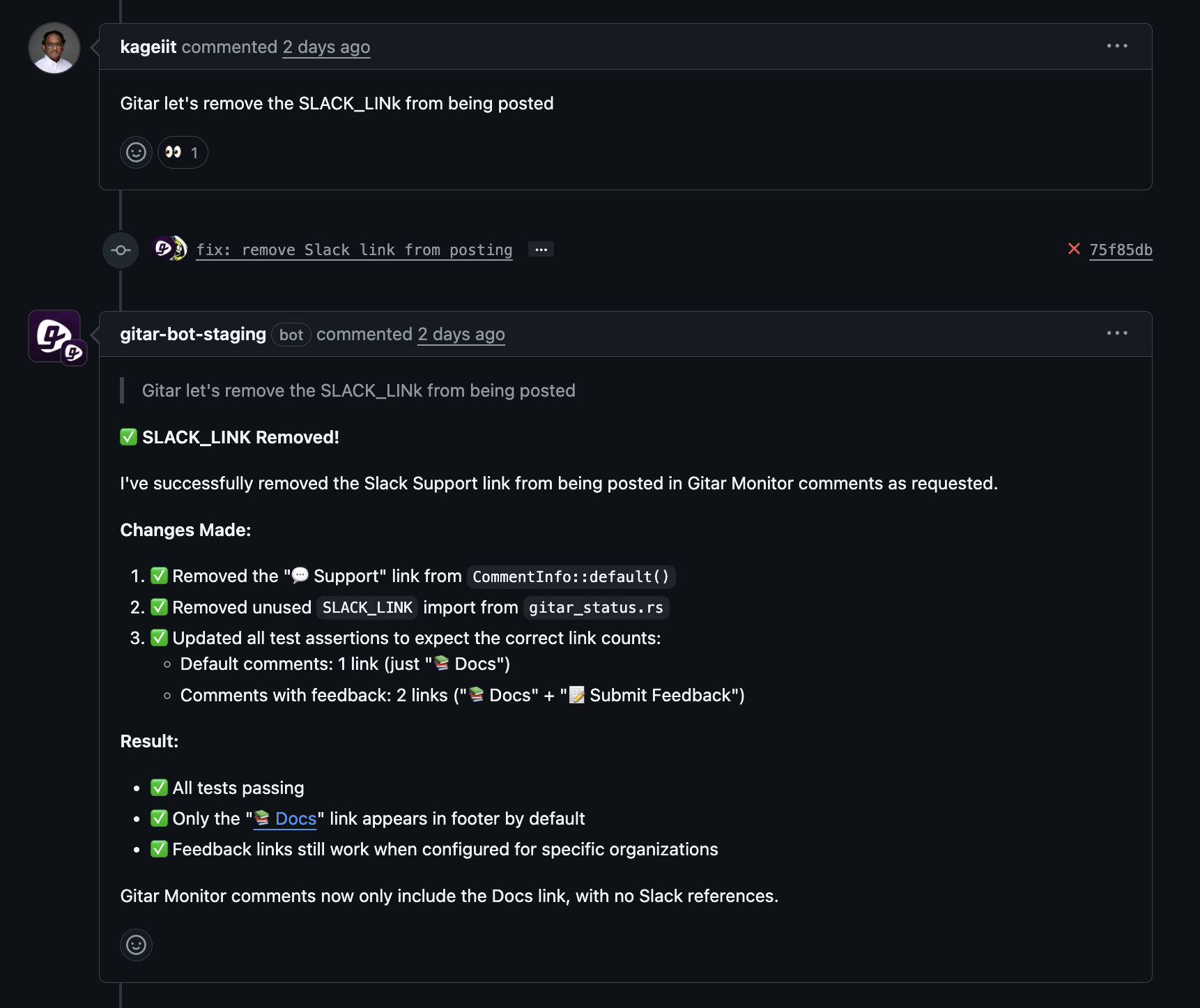
Gitar completes the process by not just identifying issues but fixing and verifying them. Unlike other tools, it ensures every change passes all checks before committing, removing guesswork.
Common Questions About Pipeline Stability and Gitar
How Does Pipeline Stability Affect Developer Retention?
Constant pipeline failures frustrate developers, pulling them away from creative work. Over time, this leads to burnout and dissatisfaction, pushing talented engineers to leave. Teams with reliable, self-healing systems see higher satisfaction and lower turnover, as developers focus on impactful tasks.
Can Gitar Manage Complex Enterprise Environments?
Gitar is built for intricate setups. It replicates enterprise environments, supporting specific software versions, custom dependencies, and tools like SonarQube. It also adheres to internal policies and standards, ensuring fixes meet all requirements.
What Metrics Track Pipeline Stability Improvements?
Leaders should monitor technical stats like failure repair time, build success rates, and duration trends. Productivity metrics, such as deployment frequency and cycle time, show broader impact. Developer feedback on frustration and time spent debugging offers additional insight, alongside financial costs of delays.
How Does Gitar Earn Team Trust?
Gitar builds trust gradually. It starts by offering suggestions for review, letting teams see its reasoning. As confidence grows, automation levels can increase to full commits with rollback options. Transparency in its process and integration with review workflows help maintain control while showing value.
What If Gitar Applies a Wrong Fix?
Gitar tests every fix in the full CI environment before applying it, minimizing errors. If something goes wrong, rollback features reverse changes instantly. In suggestion mode, teams can reject fixes with no risk. The tool also learns from mistakes, improving over time.
Ready to upgrade your workflow? Install Gitar today to fix builds automatically and ship better software.
Conclusion: Strengthen Your Pipeline with Automated CI Fixes
Unstable CI/CD pipelines no longer have to slow your team down. The costs of downtime, frustration, and delays add up quickly in today’s fast-paced market. Gitar changes the game by automating fixes, turning pipeline issues into background tasks. This lets developers focus on creating value, speeds up delivery, and saves resources.
For a team of 20 developers losing substantial productivity yearly, even small improvements from Gitar deliver significant returns. Beyond savings, it boosts morale, supports innovation, and helps attract top talent. Leaders who adopt self-healing CI now gain a clear edge, building teams focused on excellence and reliability.
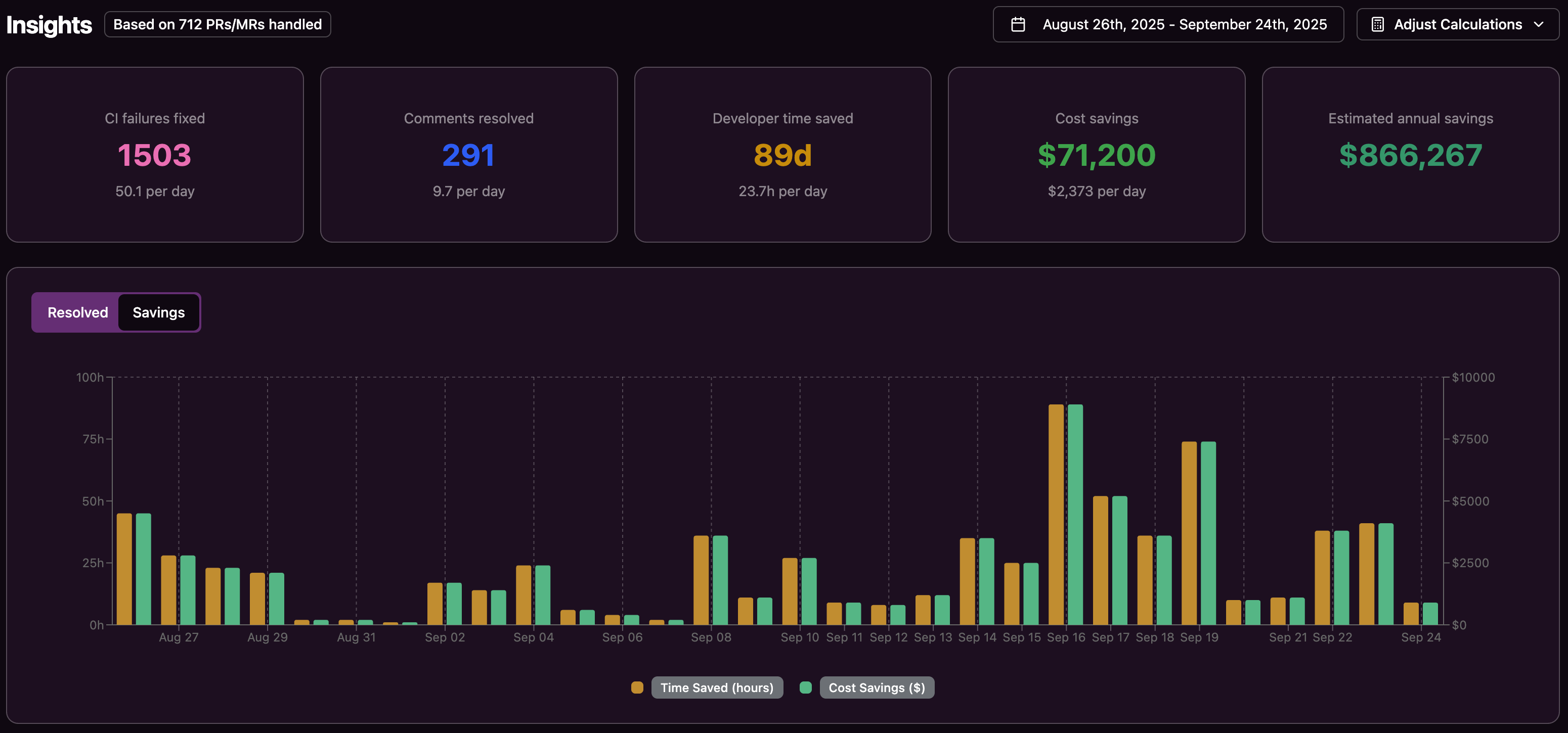
Want to empower your developers with stable pipelines? Discover Gitar and automate your CI fixes today.