
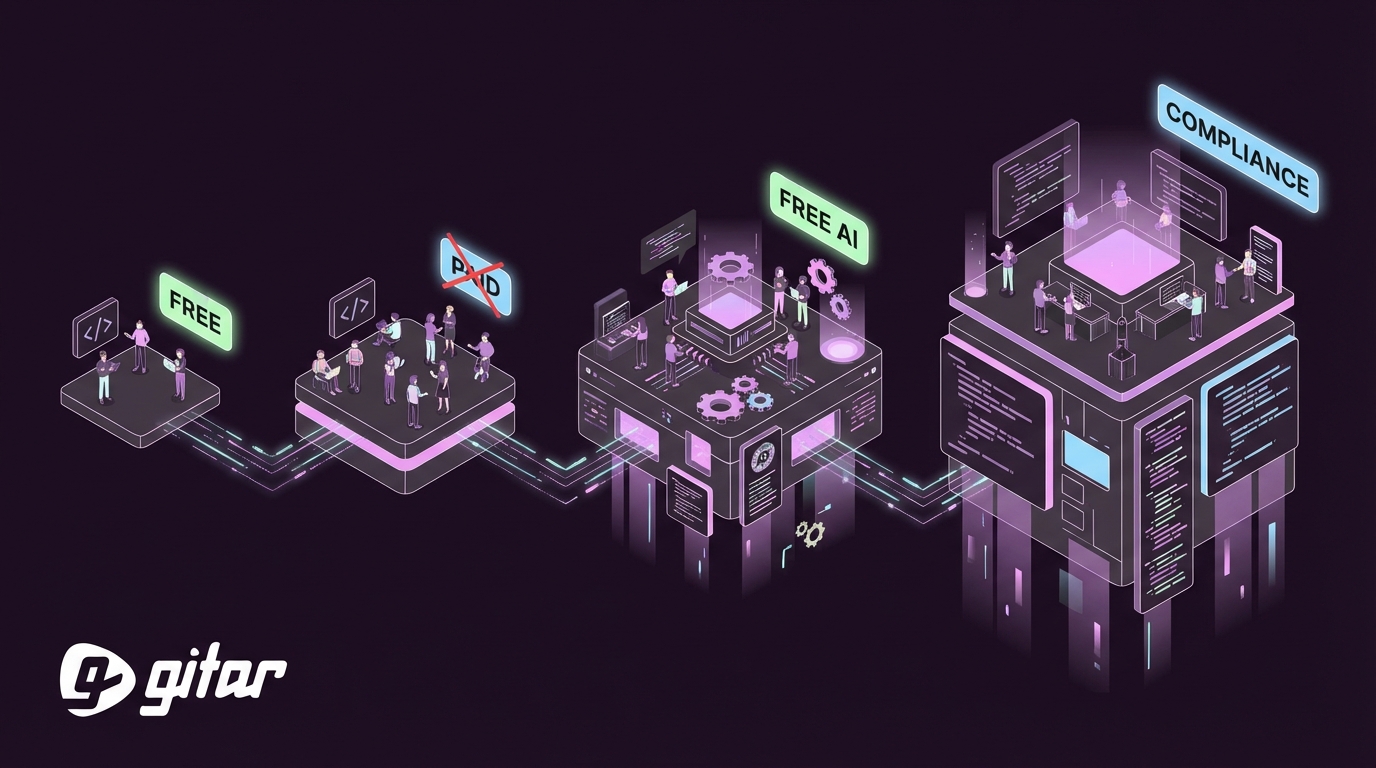
Key Takeaways
- AI coding boosts productivity but increases PR review times by 91%. Free AI tools like Gitar counter this with unlimited analysis and autofix capabilities.
- Gitar outperforms paid tools such as CodeRabbit and Greptile by actually resolving bugs, CI failures, and security issues instead of only suggesting fixes.
- Gitar scales for every team size. Small teams gain free velocity, medium teams save about 75% review time, and large or enterprise teams gain self-hosting and SOC2 security.
- Paid tools cost $15-30 per developer each month with limited ROI. Gitar delivers richer summaries, a single-comment dashboard, and unlimited repositories at no cost.
- Install Gitar today for instant PR healing, green builds, and faster shipping, with no credit card and unlimited repositories.
Why Free AI Code Review Scales Better Than Paid Tools
AI-generated code creates specific challenges that traditional review tools fail to address. AI writes an estimated 29% of Python functions in US GitHub commits, but this code contains 75% more logic bugs with only 30% acceptance rates. Paid tools like CodeRabbit and Greptile charge premium prices for suggestion engines that still require manual implementation.
Gitar delivers free PR summaries, security analysis, and comprehensive bug detection that match modern AI workflows. The 14-day autofix trial demonstrates real value by automatically resolving lint errors, test failures, and build breaks with validated fixes. While competitors flood your inbox with scattered inline comments, Gitar consolidates all findings into a single, updating dashboard comment that cuts notification fatigue.
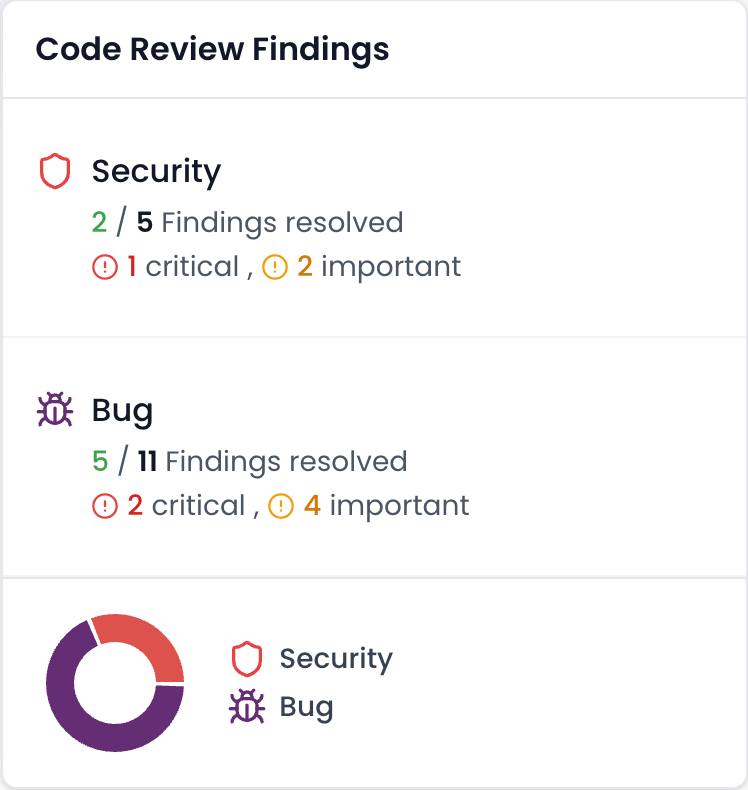
Small Teams (<15 Devs): Free Code Review That Protects Velocity
Small teams protect velocity by removing review bottlenecks created by AI-generated code. Humans can effectively review 7-10 PRs per day maximum, so AI-driven PR volume quickly overwhelms reviewers. Notification overload from chatty tools drains focus, and manual fixes consume time that should go to shipping features.
Free alternatives give small teams more value than paid tools. Gitar offers unlimited repositories, natural language rules for workflow automation, and deep integrations with Slack and Jira, all at zero cost. The Tigris team specifically noted that Gitar PR summaries are “more concise than Greptile/Bugbot,” which highlights a stronger signal-to-noise ratio.
| Feature | CodeRabbit (Paid) | Gitar |
|---|---|---|
| PR Summaries | $15/month | Free |
| Autofix Capability | No | 14-day trial |
| Notification Style | Inline spam | Single comment |
| Repository Limit | Varies by plan | Unlimited |
Install Gitar now, automatically fix broken builds, and start shipping higher quality software faster to feel the impact on your next sprint.
Medium Teams (15-50 Devs): Replacing Paid Code Review Seats
Medium-sized teams avoid the paid tool trap by focusing on outcomes instead of per-seat pricing. A 20-developer team pays $450 each month for CodeRabbit or $900 each month for Greptile, yet these tools only suggest fixes without validation. CI flakiness grows at this scale and demands intelligent failure analysis that suggestion-only engines cannot deliver.
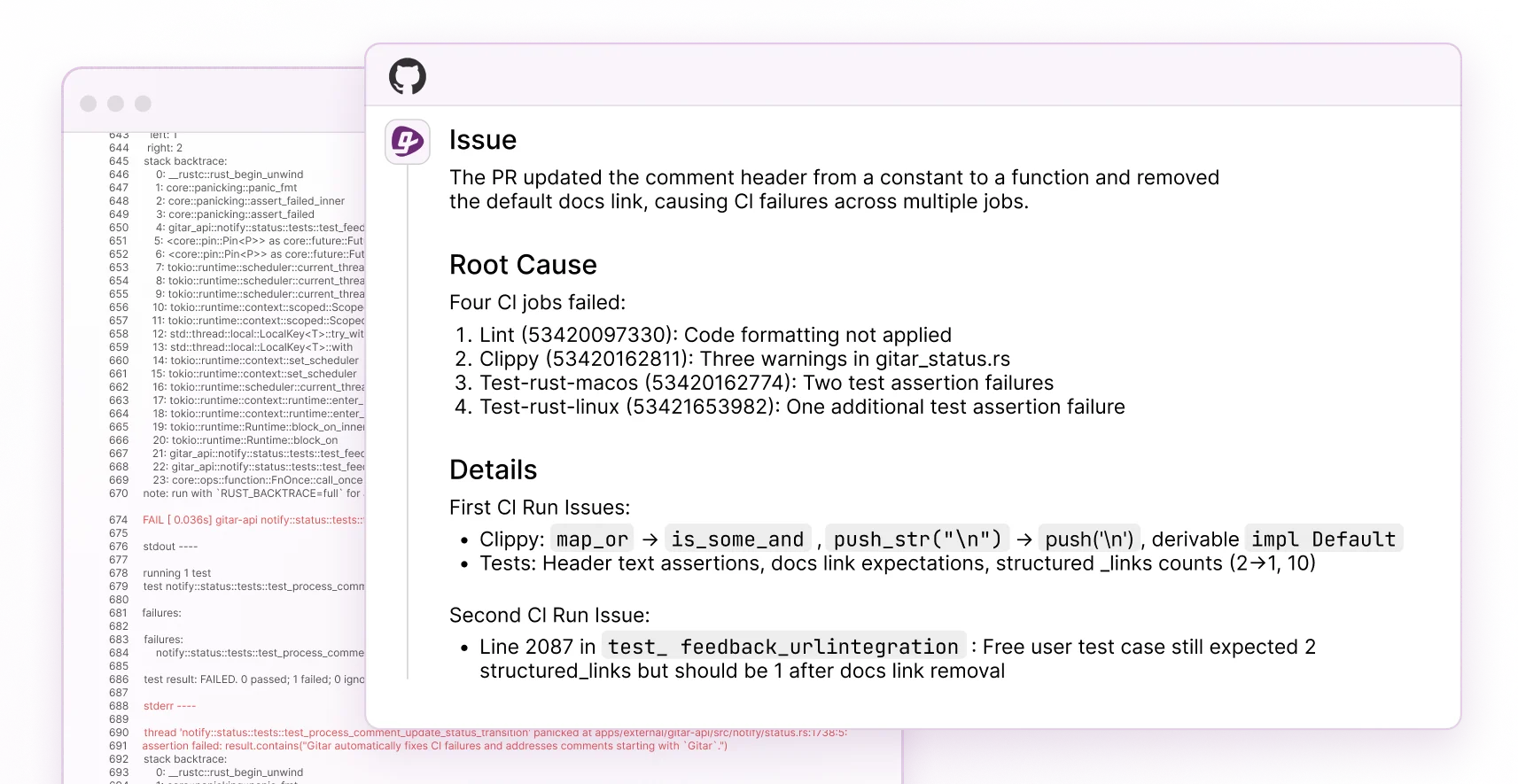
Gitar scales freely for these teams with full CI healing capabilities. The platform automatically identifies whether failures come from code bugs or infrastructure issues, which saves substantial debugging time and reduces context switching.
| Team Size | Tool | Monthly Cost | Time Savings |
|---|---|---|---|
| 20 developers | CodeRabbit | $450 | 30% |
| 20 developers | Greptile | $900 | 25% |
| 20 developers | Gitar | $0 | ~75% |
Large Teams (50-200 Devs): Scaling AI Review With Full Context
Large teams need enterprise-grade security and performance that keep pace with thousands of PRs. Common pain points include security vulnerabilities in AI-generated code and the limits of tools like Copilot for PR review. GitHub Copilot PR review has limited context awareness and only analyzes PR diffs instead of the full codebase.
Gitar supports Pinterest-scale deployments with more than 50 million lines of code and thousands of daily PRs. The platform’s hierarchical memory system maintains context per line, per PR, per repository, and per organization, then learns team patterns over time. Collate’s engineering lead highlighted the “unrelated PR failure detection” capability, which saves time by separating infrastructure flakiness from real code bugs.
| Capability | CodeRabbit | Greptile | DIY LLMs | Gitar |
|---|---|---|---|---|
| Autofix & CI Integration | No | No | Manual | 14-day trial + Free review |
| Cross-platform Support | Limited | Comprehensive | None | Deep |
| Enterprise Security | Available | Enterprise-grade | DIY | Enterprise self-host option |
Enterprise (>200 Devs): Meeting Compliance While Cutting Review Costs
Enterprise teams balance compliance, security, and complex deployments while controlling review costs. The productivity cost for a 20-developer team that spends one hour daily on CI and review issues reaches $1M each year. Traditional paid solutions add subscription fees without delivering proportional value.
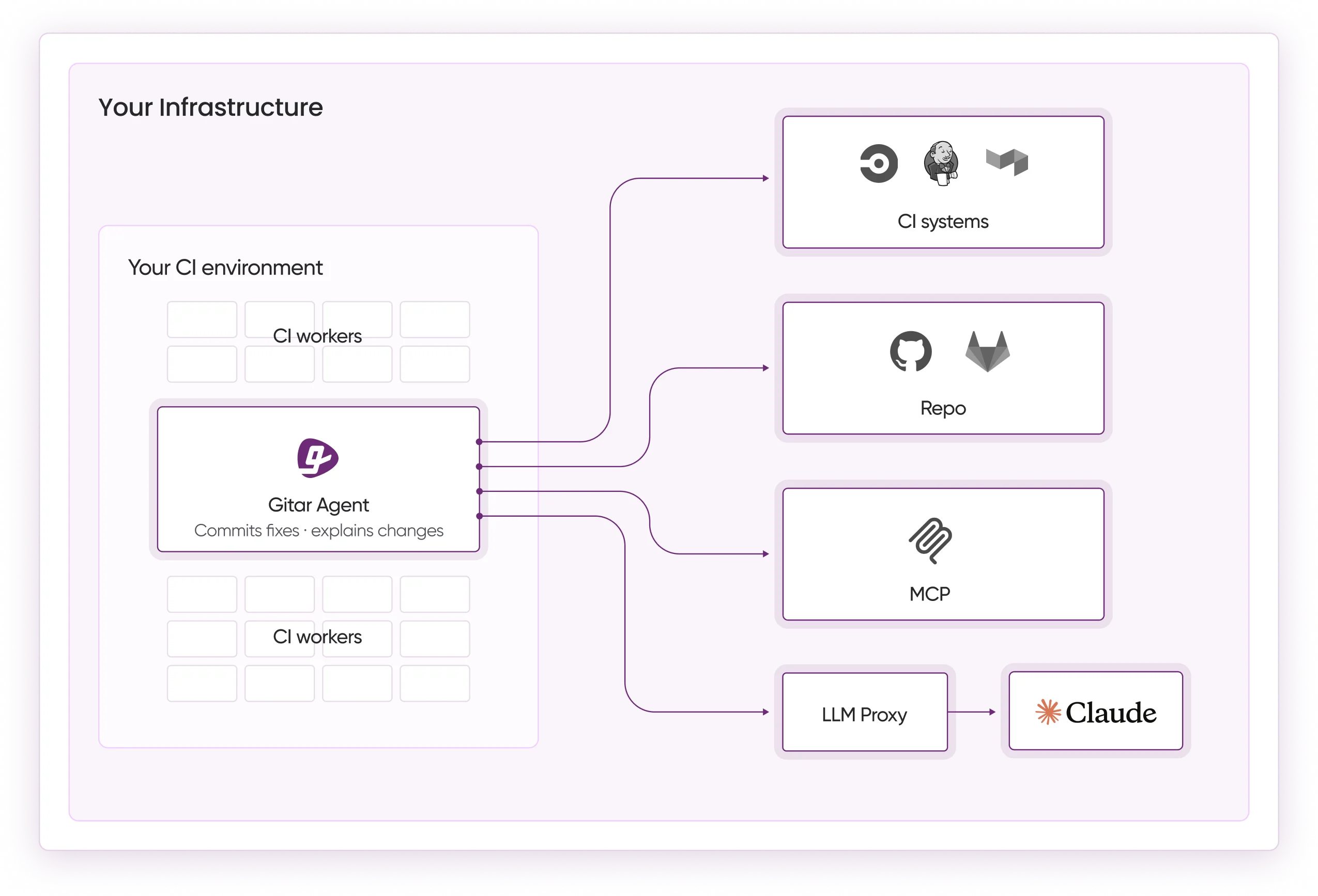
Gitar addresses these needs with self-hosting options, SOC2 Type II certification, and natural language rules for complex workflows. The enterprise tier runs agents inside your CI pipeline with full access to configurations, secrets, and caches. This approach ensures that fixes work in real production environments instead of isolated sandboxes.
| Metric | Without Gitar | With Gitar |
|---|---|---|
| Annual Productivity Cost (20 devs) | $1M+ | $250K |
| Tool Cost | $5,400-$10,800 | $0 |
| Context Switching | Multiple daily | Near-zero |
Agile Team Size, AI Review, and Common Pitfalls
The ideal team size for agile development remains 4-6 members for optimal performance, yet AI code review scales beyond human limits. Teams larger than 7 experience rapidly growing communication overhead, which makes automated review even more valuable.
Teams often overpay for suggestion-only tools, ignore autofix capabilities, and accept notification spam from noisy AI reviewers. Small teams suffer from noise pollution, while large teams miss CI integration benefits that could prevent cascading failures. Gitar avoids these pitfalls by consolidating feedback, fixing issues directly, and integrating deeply with existing workflows.
Migration to Free AI Review: Rollout Plan and Decision Guide
Migration to Gitar follows three clear phases: 30-second installation, trust building through suggestion mode, and gradual automation enablement. The decision matrix favors Gitar for most teams unless hyper-custom requirements demand a specialized solution.
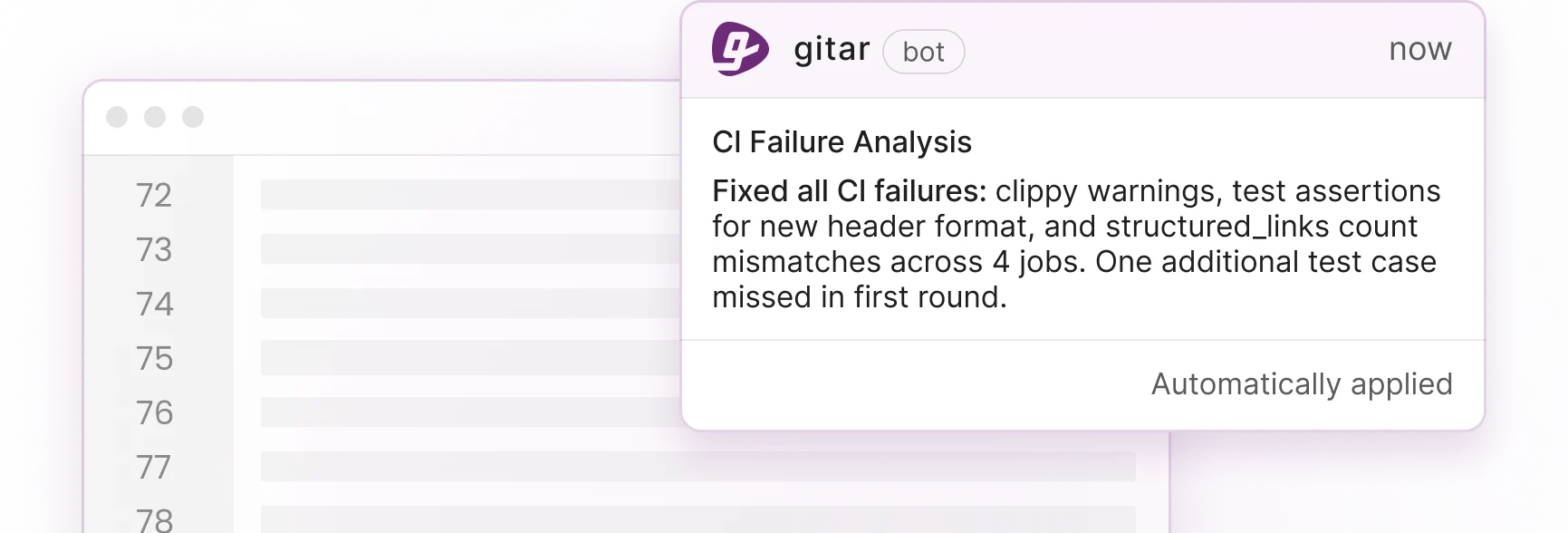
Installation requires no account setup or credit card, which removes friction for trials. Gitar immediately begins posting dashboard comments on PRs and shows value within the first review cycle. Teams can start in suggestion mode, approve fixes manually, then enable auto-commit for trusted failure types as confidence grows.
Install Gitar now, automatically fix broken builds, and start shipping higher quality software faster to transform your development workflow.
FAQ
What is the ideal team size for agile development with AI code review?
Traditional agile teams perform best with 4-6 members, while AI code review tools like Gitar scale without human limits. Human reviewers cap at 7-10 PRs per day, yet AI can handle unlimited volume with consistent quality. Teams gain the most value from tools that reduce communication overhead, and Gitar’s single comment approach supports that goal for any team size.
What are common code review mistakes by team size?
Small teams often suffer from notification fatigue when chatty AI tools scatter comments across diffs. Medium teams frequently overpay for suggestion-only tools that fail to deliver matching value. Large teams miss CI integration opportunities, which leads to expensive failure cascades. Enterprise teams sometimes ignore autofix capabilities and maintain manual processes that do not scale. Teams avoid these mistakes by choosing tools that consolidate feedback, fix issues directly, and integrate with existing workflows.
Can AI tools like Copilot handle comprehensive PR reviews?
GitHub Copilot PR review focuses on diff analysis and lacks full codebase context. AI-generated code contains 75% more logic bugs than human-written code, and Copilot reviewing its own output introduces confirmation bias. Dedicated AI code review platforms like Gitar provide stronger analysis by maintaining hierarchical memory, learning team patterns, and validating fixes against real CI environments instead of only suggesting changes.
How do free AI code review tools compare to paid alternatives for growing teams?
Free tools like Gitar often deliver more value by focusing on core outcomes instead of premium pricing. Paid tools charge $15-30 per developer for suggestion engines that still require manual implementation. Free alternatives can include unlimited repositories, full security scanning, and autofix capabilities that many paid tools lack. The main differentiator is whether the tool fixes code or only comments on it, and most paid tools stay in the commentary category.
What ROI can teams expect from implementing AI code review solutions?
A 20-developer team typically loses $1M each year to productivity issues from manual CI and review processes. Even conservative estimates show $375K annual savings when teams adopt effective AI code review. ROI calculations should include both time savings and tool costs, and free solutions like Gitar maximize ROI by removing subscription fees while delivering strong autofix capabilities.
Conclusion: Gitar for Any Team Size and Review Load
Team size considerations for code review consistently favor free AI platforms over expensive suggestion engines. Gitar provides unlimited code review, autofix capabilities through a 14-day trial, and enterprise-grade security at zero cost for core features, which makes it a strong choice for teams of any size. While competitors charge premium prices for basic commentary, Gitar delivers a complete development intelligence platform that fixes code and keeps builds green.
Install Gitar now, automatically fix broken builds, and start shipping higher quality software faster to experience the future of code review.