
Written by: Ali-Reza Adl-Tabatabai, Founder and CEO, Gitar
Key Takeaways
- AI coding tools boost developer speed by 55%, but code review time has surged 91% from higher PR volume, costing teams about $1M annually.
- Gitar leads as the top free AI code review tool with automatic CI fixes, a healing engine, and unlimited usage, unlike paid suggestion-only competitors.
- Tools like CodeRabbit, Greptile, and SonarQube provide strong analysis but lack auto-fixes and charge $15-30 per developer, which creates manual review burdens.
- Auto-fix capabilities in Gitar validate changes against CI environments, cut review cycles, and guarantee green builds instead of untested suggestions.
- Install Gitar free today to automate code reviews, heal CI failures, and ship higher-quality software faster.
Best Developer Automation Tools for Code Review in 2026
The top developer productivity automation tools for code review in 2026 are:
- Gitar – Free AI code review with automatic CI failure fixes and healing engine
- CodeRabbit – AI-powered PR analysis with inline suggestions ($15-30/dev)
- Greptile – Codebase-aware reviews with conversational interface ($30/dev)
- SonarQube – Static analysis with quality gates (free Community edition)
- Qodo – Enterprise-scale automated testing and review workflows
Top 10 Code Review Automation Tools for Developer Productivity
1. Gitar – Free AI Code Review with Automatic Fixes
Gitar stands apart as the only free code review platform that fixes code instead of only suggesting changes. Competitors charge $15-30 per developer for suggestion engines, while Gitar provides unlimited PR analysis, security scanning, bug detection, and performance reviews at no cost.
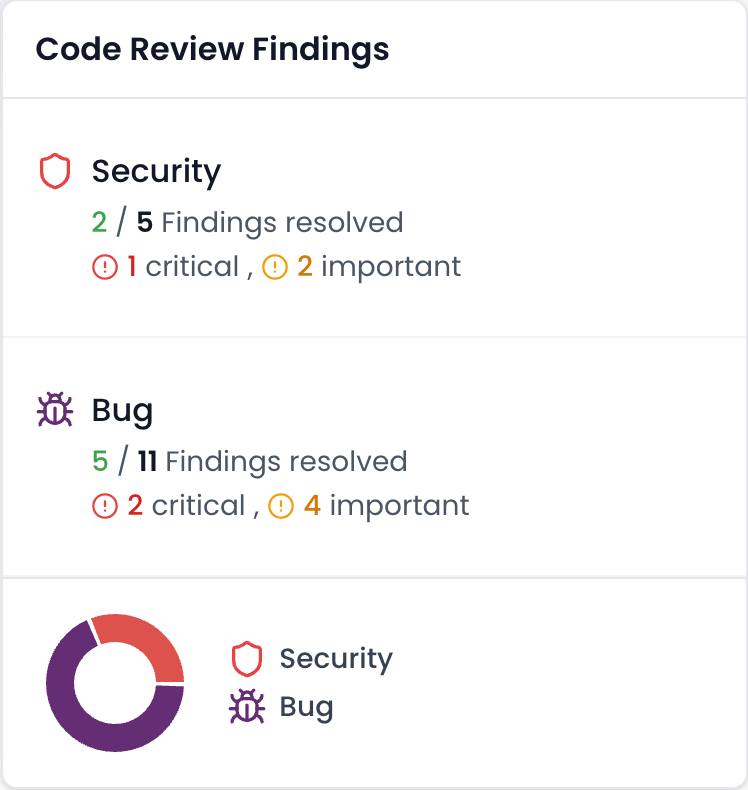
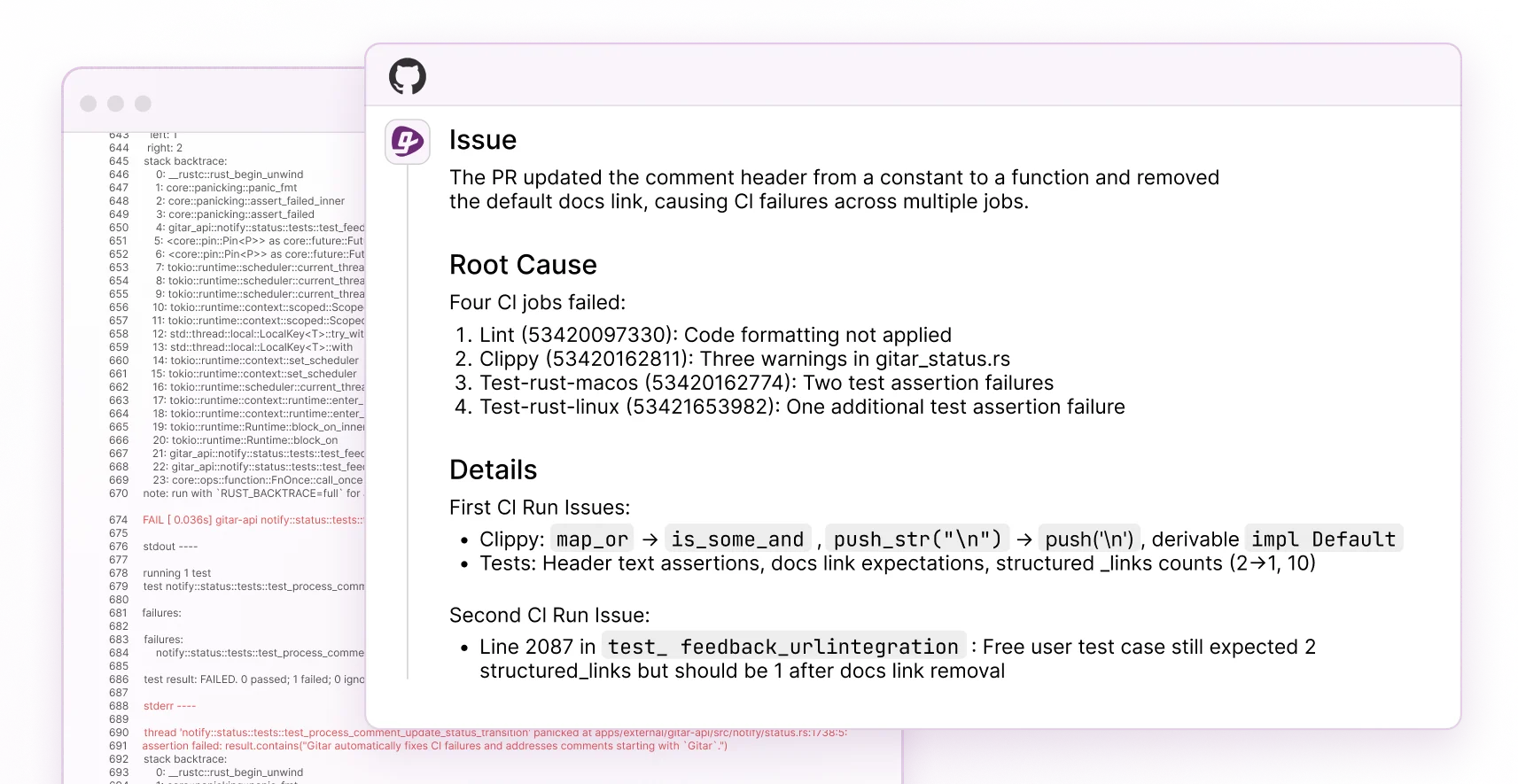
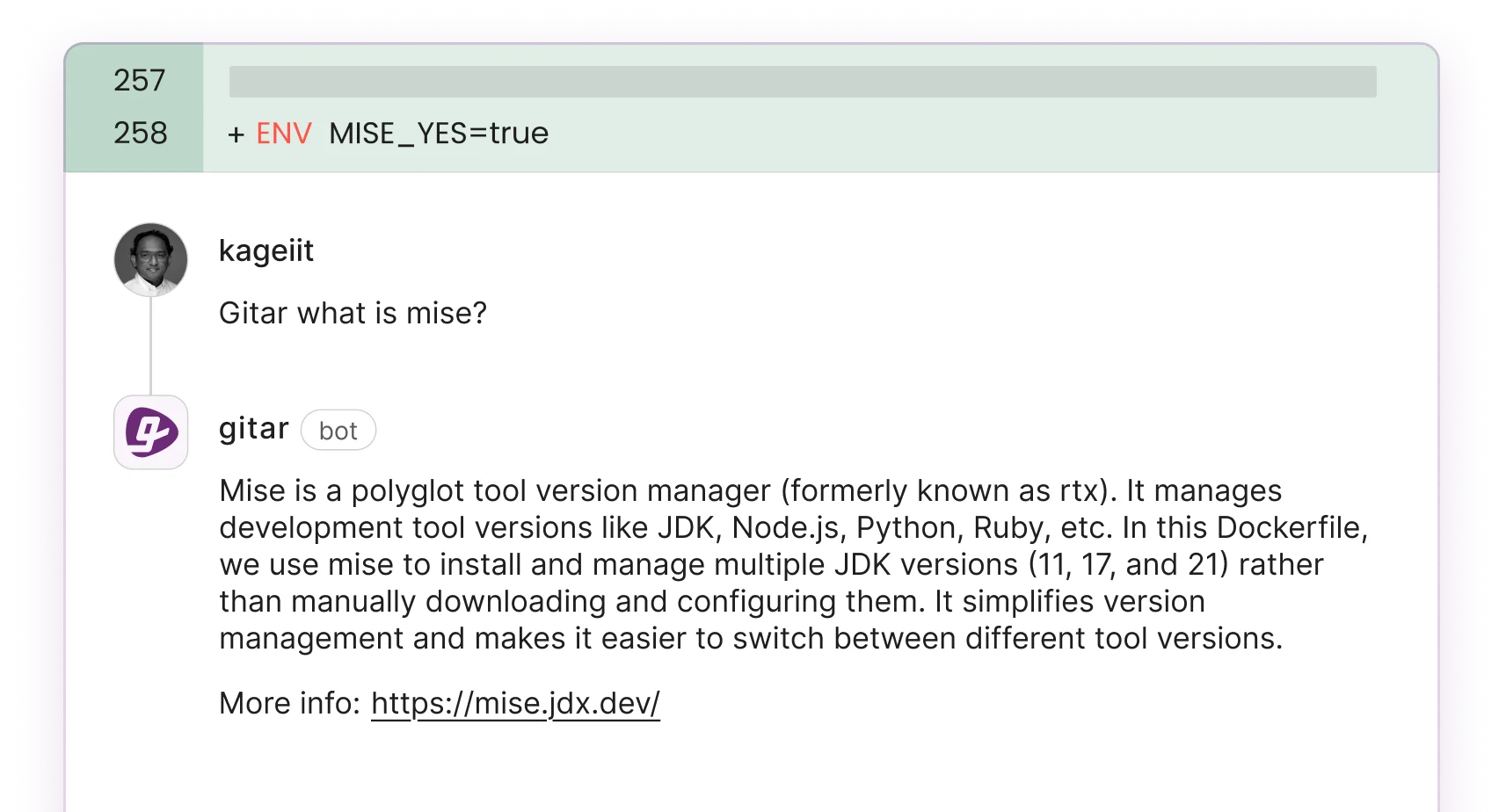
The platform’s healing engine resolves CI failures by analyzing failure logs, generating validated fixes, and committing them directly to PRs. When lint errors, test failures, or build breaks occur, Gitar fixes them before developers even notice. The single dashboard comment approach cuts notification spam and keeps all findings in one clean interface that updates in place.
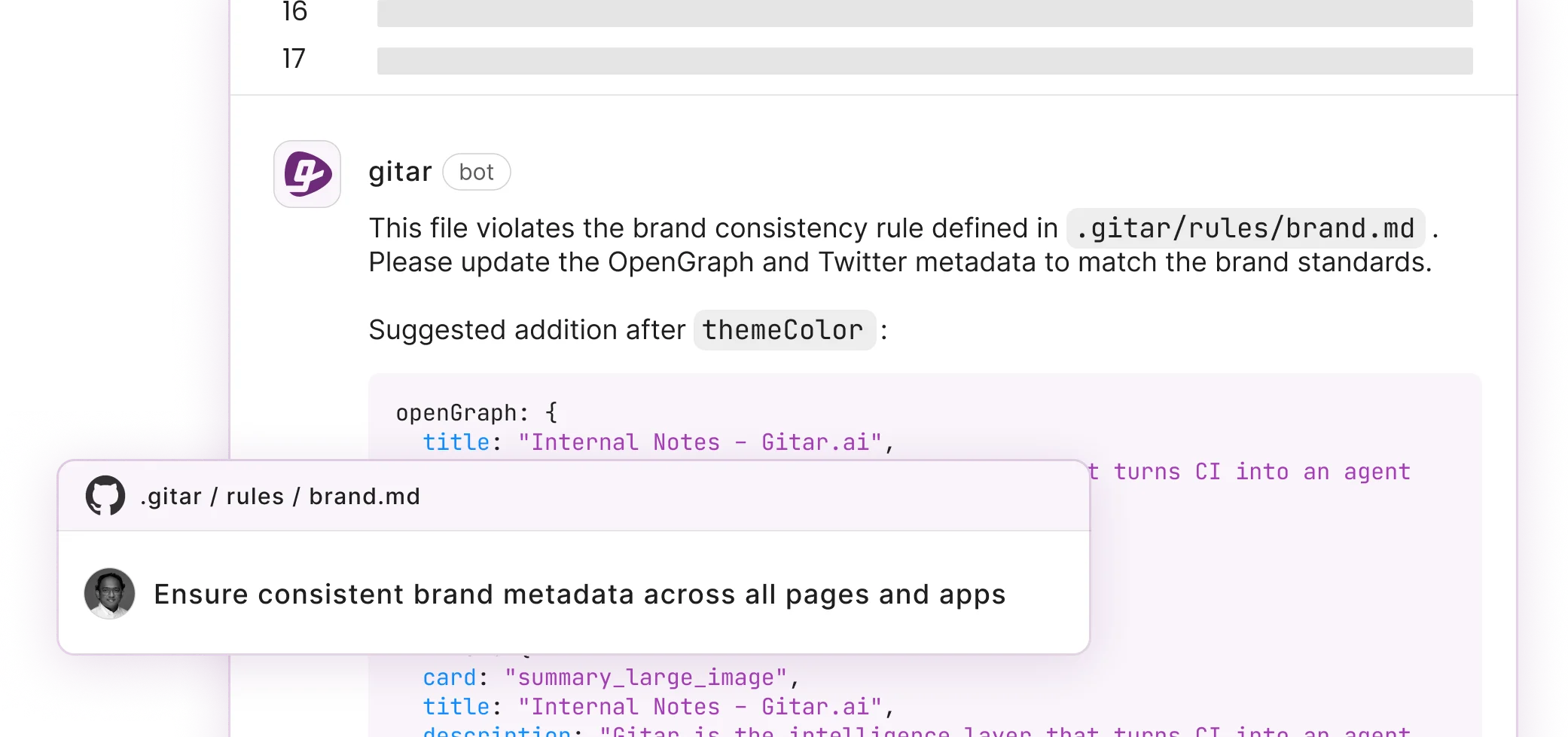
Key features include natural language repository rules, Jira and Slack integrations, and enterprise-scale support for 50+ million lines of code. The 30-second GitHub app installation needs no credit card and has no seat limits, so teams of any size can start quickly.
Pros: Free unlimited usage, automatic CI fixes, single clean comment interface, enterprise scalability
Cons: Auto-fix features available during 14-day free trial, then paid
Install Gitar free for code review automation.
2. CodeRabbit – AI-Powered PR Analysis
CodeRabbit offers comprehensive PR analysis with 46% accuracy in runtime bug detection and structured feedback on readability, maintainability, and security. The platform provides conversational fixes and catches initialization problems and null safety issues.
Pros: Strong runtime issue detection, PR summaries, context visualization
Cons: $15-30/developer monthly cost, suggestion-only with no auto-fixes, noisy inline comments, no CI healing
3. Greptile – Codebase-Aware Reviews
Greptile offers a conversational interface with @greptileai fixes and severity assessment, and it provides full codebase context for monorepos and microservices. The platform also includes SOC2 Type II compliance and enterprise-grade security.
Pros: Full codebase awareness, monorepo support, conversational interface
Cons: $30/developer monthly cost, learning period required, no auto-fix validation, single repo focus
4. SonarQube – Static Analysis Platform
SonarQube supports 35+ languages with automated code review, PR decoration, and CI/CD integration. It detects bugs, vulnerabilities, and code smells. The free Community Edition provides basic functionality, while Enterprise adds advanced features.
Pros: Free Community edition, 35+ language support, quality gates, established platform
Cons: Complex setup, outdated UI, alert fatigue, limited auto-fixes
5. Qodo – Enterprise Test Generation
Qodo provides enterprise scalability with a persistent Codebase Intelligence Engine and 15+ PR workflows, including scope validation and risk scoring for architectural patterns.
Pros: Enterprise scalability, architectural analysis, comprehensive workflows
Cons: Paid plans required for teams, complex setup, limited auto-fix capabilities
6. Codacy – Automated Code Quality
Codacy delivers automated code quality analysis with GitHub integration and customizable quality gates.
Pros: Quality metrics tracking, GitHub integration, AI-driven insights
Cons: Subscription pricing, no CI healing
7. Snyk – Security-Focused Reviews
Snyk specializes in security vulnerability detection within code reviews and dependency scanning.
Pros: Strong security focus, vulnerability database, extensive SAST analysis
Cons: Premium pricing for advanced features
8. PR-Agent – Open Source Solution
PR-Agent provides open-source code review automation with basic AI-powered suggestions.
Pros: Open source, customizable, no vendor lock-in
Cons: Limited enterprise features, no auto-fix validation
9. CodeAnt AI – Emerging Platform
CodeAnt AI offers AI-powered code analysis with a focus on bug detection and performance improvements.
Pros: AI-powered analysis, performance focus
Cons: Limited track record, suggestion-only approach, unclear pricing
10. Aikido – Security-First Approach
Aikido combines code review with security scanning and vulnerability management.
Pros: Integrated security approach, comprehensive scanning
Cons: Premium pricing
Start shipping higher quality software faster with Gitar’s free code review automation.
Free vs Paid Code Review Automation: Comparison Table
| Tool | Auto-Fix? | CI Heal? | Price |
|---|---|---|---|
| Gitar | 14-day trial | 14-day trial | $0 (review), trial for fixes |
| CodeRabbit | No | No | $15-30/dev |
| Greptile | No | No | $30/dev |
| SonarQube | No | No | Free/Enterprise |
This comparison shows a clear gap in the market. Most tools charge premium prices for suggestion-only features, while Gitar provides advanced capabilities, including automatic fixes and CI healing, free for code review with a 14-day trial for fixes.
Why Auto-Fix Outperforms Suggestions in 2026
Developer forums report that AI-generated PRs can look structurally fine but be logically wrong, with review burden higher than pre-AI. Suggestion engines create a sense of automation while still demanding manual implementation, validation, and repeated review cycles.
Gitar’s healing engine validates fixes against actual CI environments before committing, which guarantees green builds instead of hoping suggestions work. This approach removes context switching and multiple review rounds that slow teams using suggestion-based tools.
Quick Gitar Setup and Measurable ROI
Gitar setup follows four simple phases. First, install the GitHub app. Next, start in suggestion mode to build trust. Then enable auto-commit for validated fix types. Finally, expand into custom workflow automation as confidence grows.
The ROI appears quickly and stays measurable:
| Metric | Before Gitar | After Gitar |
|---|---|---|
| Time on CI/review issues | 1 hour/day/dev | 15 min/day/dev |
| Annual productivity cost | $1M (20-dev team) | $250K |
| Tool cost | $450-900/month | $0 |
Even at 50% effectiveness, teams save $375K annually while removing tool costs entirely.
Frequently Asked Questions About Code Review Automation
What is the best free AI code review tool?
Gitar is the best free AI code review tool, with unlimited PR analysis, security scanning, bug detection, and performance review at zero cost. Unlike free options such as SonarQube Community Edition, Gitar provides modern AI-powered analysis. Automatic CI failure fixes are available with a 14-day free trial.
How do I set up code review automation for GitHub?
Teams can set up code review automation for GitHub with Gitar in about 30 seconds. Install the GitHub app from the marketplace, grant repository permissions, and Gitar immediately begins analyzing PRs with a clean dashboard comment. No configuration files, credit cards, or complex setup are required. The platform automatically connects with GitHub Actions, pull request workflows, and existing CI pipelines.
What are the best free developer productivity automation tools for code review?
The top free developer productivity automation tools for code review are Gitar for comprehensive AI review, SonarQube Community Edition for static analysis, and PR-Agent for open-source suggestions. Gitar stands out by providing enterprise-grade features, including security scanning and unlimited repository support, without seat limits or trial restrictions. Auto-fixes are available through a 14-day free trial.
How do I measure ROI from code review automation tools?
Teams can measure ROI from code review automation by tracking PR merge time reduction, CI failure resolution speed, developer context switching frequency, and overall velocity improvements. Most teams see major improvements in review bottlenecks, which translate into substantial annual savings for 20-developer teams when they factor in reduced tool costs and higher productivity.
Which AI PR review tools offer automatic fixes instead of just suggestions?
Gitar provides automatic fixes with validation through its 14-day free trial instead of suggestions only. Tools like CodeRabbit and Greptile offer conversational interfaces and detailed suggestions, yet they still require manual implementation. Gitar’s healing engine analyzes CI failures, generates fixes, validates them against the actual build environment, and commits working solutions automatically during the trial.
Conclusion: Fixing Code Review Bottlenecks with Gitar
The code review bottleneck now demands tools that fix problems, not just identify them. While most of the market charges premium prices for suggestion engines, Gitar delivers advanced automation capabilities, including automatic CI healing, validated fixes, and comprehensive analysis, completely free for core review.