
Written by: Ali-Reza Adl-Tabatabai, Founder and CEO, Gitar
Key Takeaways
- AI coding tools generate code 3-5x faster but increase PR review times by 91%, slowing CI and forcing manual fixes.
- Development intelligence platforms like Gitar add automated fixes, CI analysis, and green build guarantees on top of basic suggestions.
- Gitar stands out as the leading free AI code review tool, with unlimited PR analysis and auto-fixes compared with $15-30/month paid tools.
- Healing engines validate and apply fixes in real CI environments, saving teams $750K+ per year versus suggestion-only tools.
- Teams can start removing red builds and manual fixes today by installing Gitar, the leading free development intelligence platform.
How We Evaluated 2026 AI Code Review Platforms
Our evaluation focused on capabilities that remove the post-AI-coding bottleneck. We prioritized auto-fix depth beyond suggestions, CI coverage across GitHub Actions and GitLab CI, pricing models, scalability for 50M+ lines of code, Jira and Slack integrations, and enterprise security. We reviewed vendor documentation, 2026 engineering blogs, and GitHub’s latest benchmarks showing nearly 1 billion commits in 2025. Gitar consistently delivered stronger ROI through a healing engine that validates fixes inside real CI environments.
2026 Development Intelligence Platforms at a Glance
The 2026 market includes eight main platforms that tackle code quality from different angles. Gitar leads with free AI code review and automated CI failure resolution, while CodeRabbit sells suggestion-based reviews starting at $24/month. Qodo focuses on merge-time analysis, and Greptile sells deep codebase context at $30+ per seat. Augment targets enterprise architecture understanding. GitHub Copilot still centers on code generation with light review features, and legacy tools like SonarQube provide static analysis without AI-powered fixes. Newer tools such as Aikido and CodiumAI specialize in security and testing but lack the full healing capabilities that define true development intelligence. Install Gitar now, automatically fix broken builds and see the gap between suggestions and working solutions.
Suggestion Engines vs. Healing Engines in 2026
The core difference between platforms comes from how they handle problems. Suggestion engines point out issues, while healing engines apply validated fixes automatically. This comparison shows how tools diverge on features, pricing, and scalability for teams that manage heavy development workloads.
|
Tool |
Features |
Pricing |
Scalability |
|
Gitar |
PR Summary/Inline/Auto-fix/CI Analysis/Green Guarantee |
Free (14-day auto-fix trial) |
50M+ LOC/All platforms |
|
CodeRabbit |
PR Summary/Inline/No Auto-fix/Limited CI/No Guarantee |
$24-30/month per seat |
GitHub focused |
|
Greptile |
Context-aware/Inline/No Auto-fix/No CI/No Guarantee |
$30+/month per seat |
Limited integrations |
|
Qodo |
PR Summary/Merge focus/No Auto-fix/Basic CI/No Guarantee |
$15+/month per seat |
Multi-platform |
Why Gitar Leads the Free AI Code Review Market
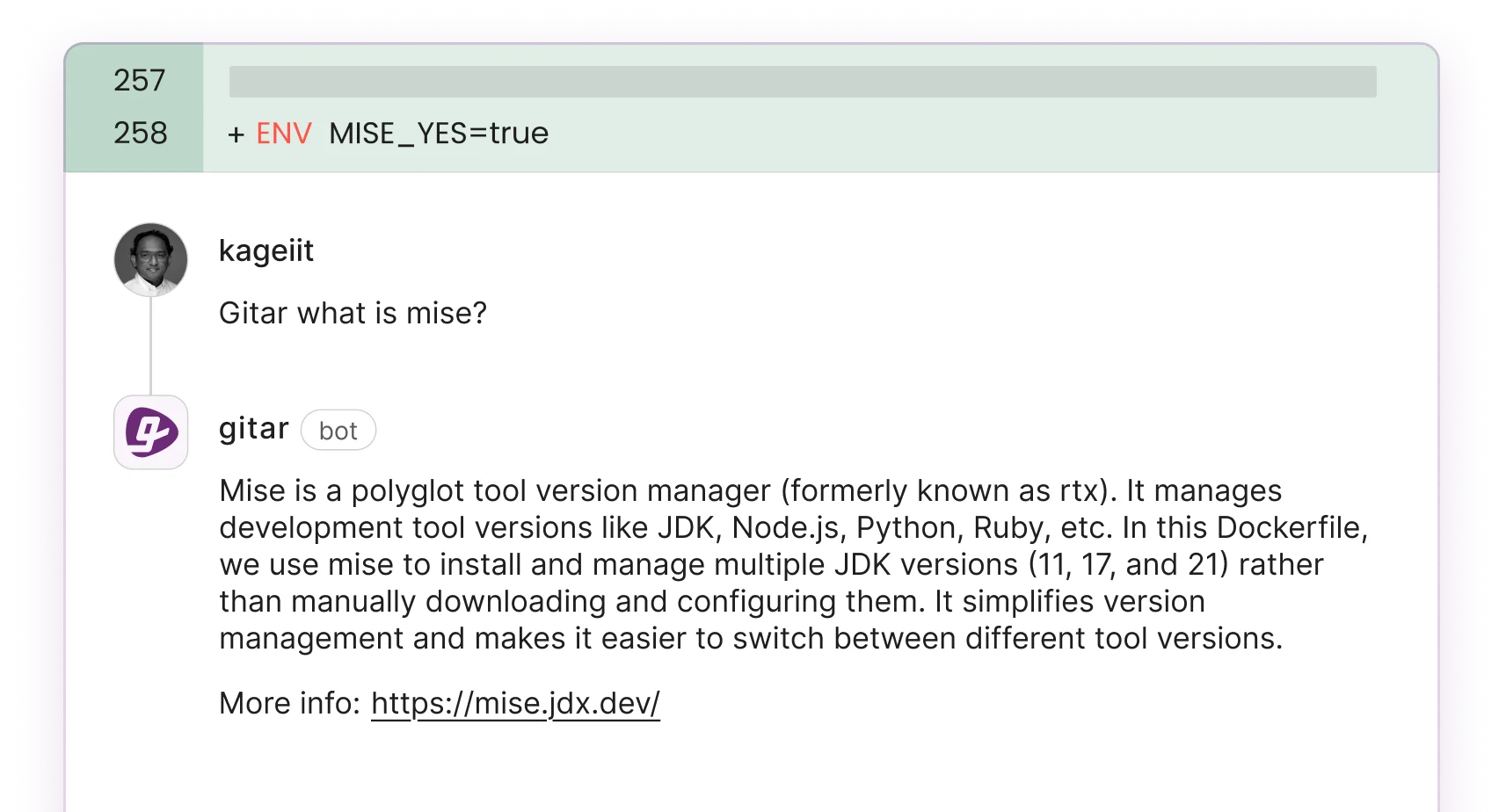
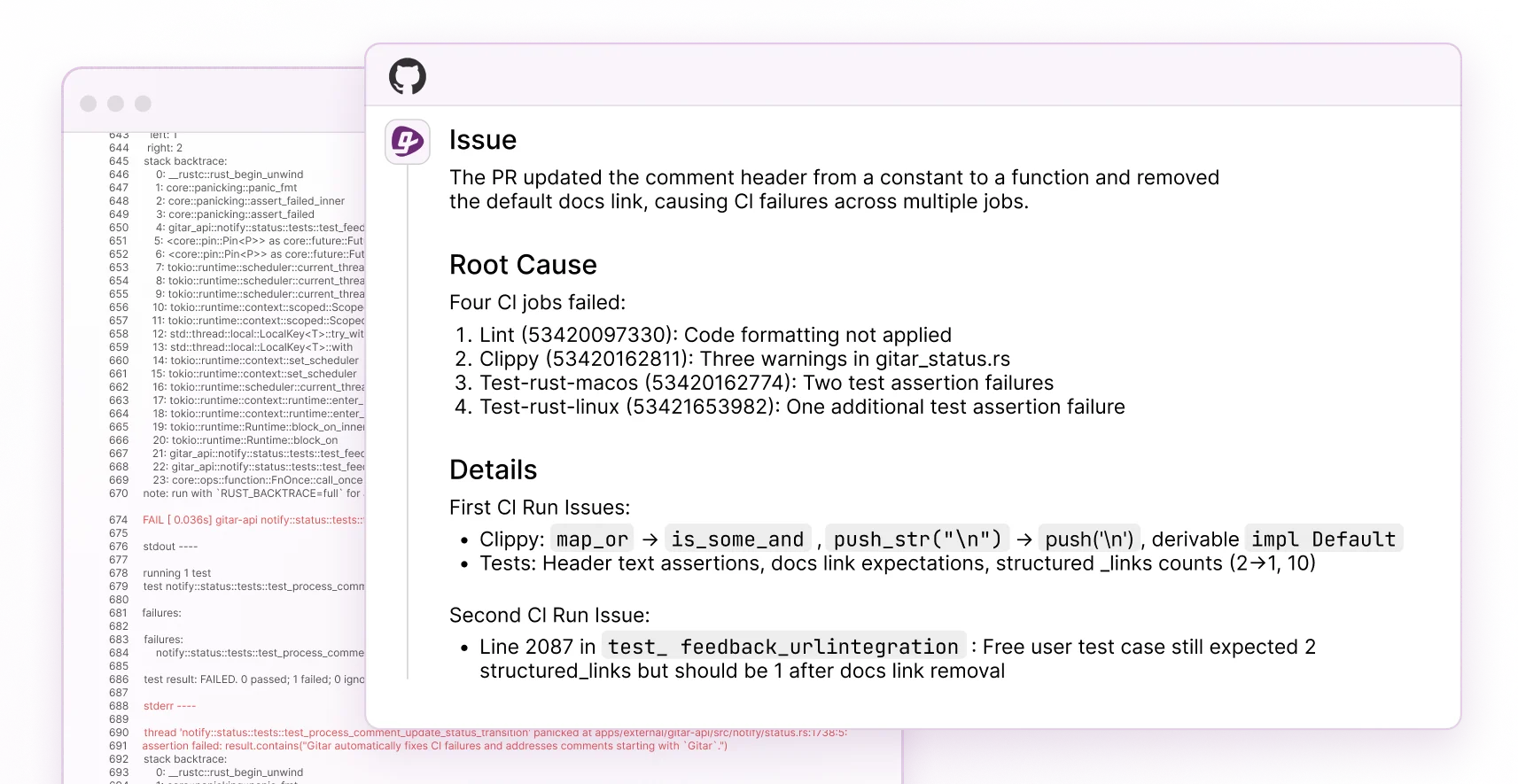
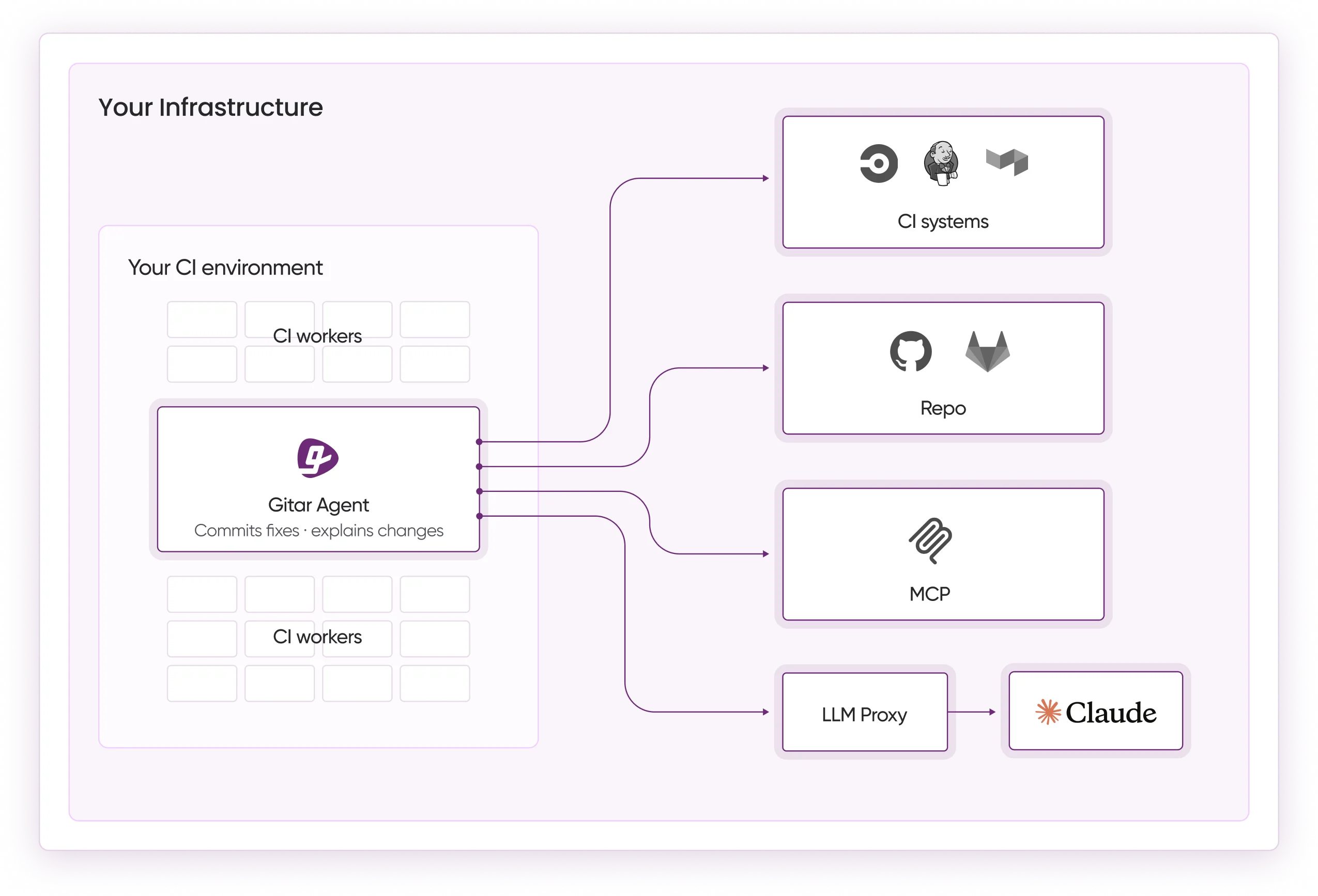
Gitar’s healing engine architecture analyzes CI failure logs, generates context-aware fixes, validates them in the real build environment, and commits working code. When lint errors, test failures, or build breaks appear, Gitar identifies the issue, applies the fix, and updates the PR with a single clean dashboard comment that avoids notification overload. Its natural language rule system lets teams automate complex workflows without YAML, and hierarchical memory keeps context across lines, PRs, repositories, and organizations.
The ROI impact is clear. A 20-developer team that spends one hour daily on CI and review issues burns about $1M in annual productivity. Gitar’s automated fixes cut that time to roughly 15 minutes per developer per day, saving about $750K per year while competitors charge $450-900 monthly for suggestion-only tools. Setup takes about 30 seconds, with no credit card and no seat limits, so teams of any size can start quickly. Install Gitar now, automatically fix broken builds, start shipping higher quality software, faster.
How CodeRabbit, Greptile, and Qodo Compare
CodeRabbit
CodeRabbit offers AI-powered line-by-line code reviews with Pro plans at $24-30 per month, focusing on readability and coding standards through a conversational interface. It delivers thorough PR analysis and connects with more than 40 linters and SAST tools. However, CodeRabbit still works as a suggestion engine, so teams must apply every fix manually, which keeps the original bottleneck in place.
Greptile
Greptile sells strong codebase context awareness at $30+ per seat and highlights architectural relationships better than basic diff tools. Its limitation comes from suggestion-only output and minimal CI integration. Teams still handle manual fix implementation and validation, which becomes painful in complex multi-repository setups where context alone does not guarantee a passing build.
Qodo
Qodo centers on merge-time analysis with multi-platform support and IDE integration, and it offers one-click fixes through code graph analysis. The platform still lacks full CI failure resolution and automated validation. Teams must trust that suggested fixes behave correctly in production environments instead of relying on guaranteed green builds.
GitHub Copilot
GitHub Copilot provides basic PR review features but has limited context awareness to the PR diff, which restricts its value for broad code quality management. Its main strength remains code generation, not deep review. Copilot often misses complex business logic issues and architectural risks that dedicated review platforms catch.
Free vs Paid AI Code Quality: 2026 ROI Trends
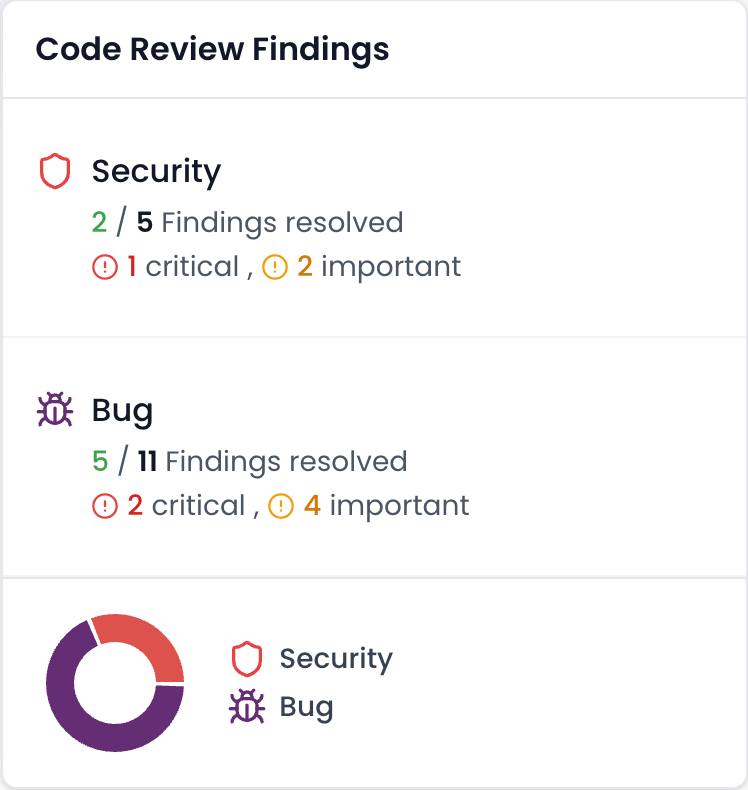
The suggestion engine trap defines much of the 2026 AI code quality market. Teams pay $15-30 per developer each month for tools that flag problems but still require manual fixes, which produces only modest productivity gains. Engineering leaders report that AI increases PRs per author by 20%, while incidents per PR are up 23.5% and change failure rates up 30%. Higher volume without reliable quality creates new bottlenecks.
Agentic development intelligence has emerged as the response to that problem. True automation now means validation and implementation, not just identification. For engineering leaders under velocity pressure, platform teams fighting CI cost overruns, and developers drowning in context switching, the TCO comparison is straightforward. Gitar offers a free platform with automated fixes, while suggestion-only competitors cost $450+ monthly and still rely on manual workflows.
FAQs on AI Code Review and Development Intelligence
What is the best free AI code review tool in 2026?
Gitar delivers the most complete free AI code review platform, with unlimited PR analysis, security scanning, bug detection, and performance review. It has no seat limits and no credit card requirement. Competing tools charge $15-30 per developer for suggestion-only features, while Gitar keeps review free and offers automated CI failure resolution and auto-fix features through a 14-day free trial.
How does Gartner view AI code platforms in 2026?
Gartner highlights established leaders such as AWS and Veracode in application security testing, while newer platforms focus on specialized strengths. Gitar holds a unique position as a free development intelligence platform with a healing engine architecture. It fills the gap between costly enterprise tools and basic suggestion engines by delivering enterprise-grade capabilities without traditional pricing barriers.
How do AI code review tools differ from GitHub Copilot?
AI code review platforms analyze, fix, and validate existing code through PR workflows and CI integration. GitHub Copilot mainly generates new code through IDE autocomplete. Code review tools like Gitar handle quality assurance, bug prevention, and automated remediation. Generation assistants help write code but do not manage the validation and fixing steps that ensure production readiness.
How should teams measure ROI from AI code quality platforms?
Key metrics include time saved on CI failures and review cycles, fewer context switching interruptions, and reduced manual fix work. A 20-developer team often saves about 45 minutes per developer daily with automated fixes, which compounds into large annual productivity gains. Teams also see lower CI costs from fewer repeated failures and higher developer satisfaction from fewer red builds.
Are automated CI fixes safe for production use?
Modern development intelligence platforms ship configurable security controls so teams can begin in suggestion mode and then enable auto-commit for trusted fix types. Enterprise teams can run agents inside existing CI pipelines with full access to secrets and configurations. This setup ensures that fixes work in real production environments rather than isolated test sandboxes.
Conclusion: Start Healing Your CI, Not Just Reviewing It
The development intelligence market is moving quickly away from suggestion-only tools toward platforms that actually resolve issues. Gitar’s role as the leading free AI code review platform with automated healing marks a shift in how teams handle code quality and CI management. While competitors charge premium prices for commentary, Gitar delivers development intelligence that guarantees green builds and removes the manual work that slows teams down.
The 30-second installation requires no commitment, no credit card, and no seat limits, which makes it an easy way to try true development intelligence. Install Gitar now, automatically fix broken builds, start shipping higher quality software, faster.