Dealing with .NET code styling and linting issues remains a major hurdle, even with modern tools like .NET analyzers replacing legacy FxCop. While these tools catch inconsistencies and rule violations effectively, they often leave developers to fix issues manually, slowing down progress and causing frustration.
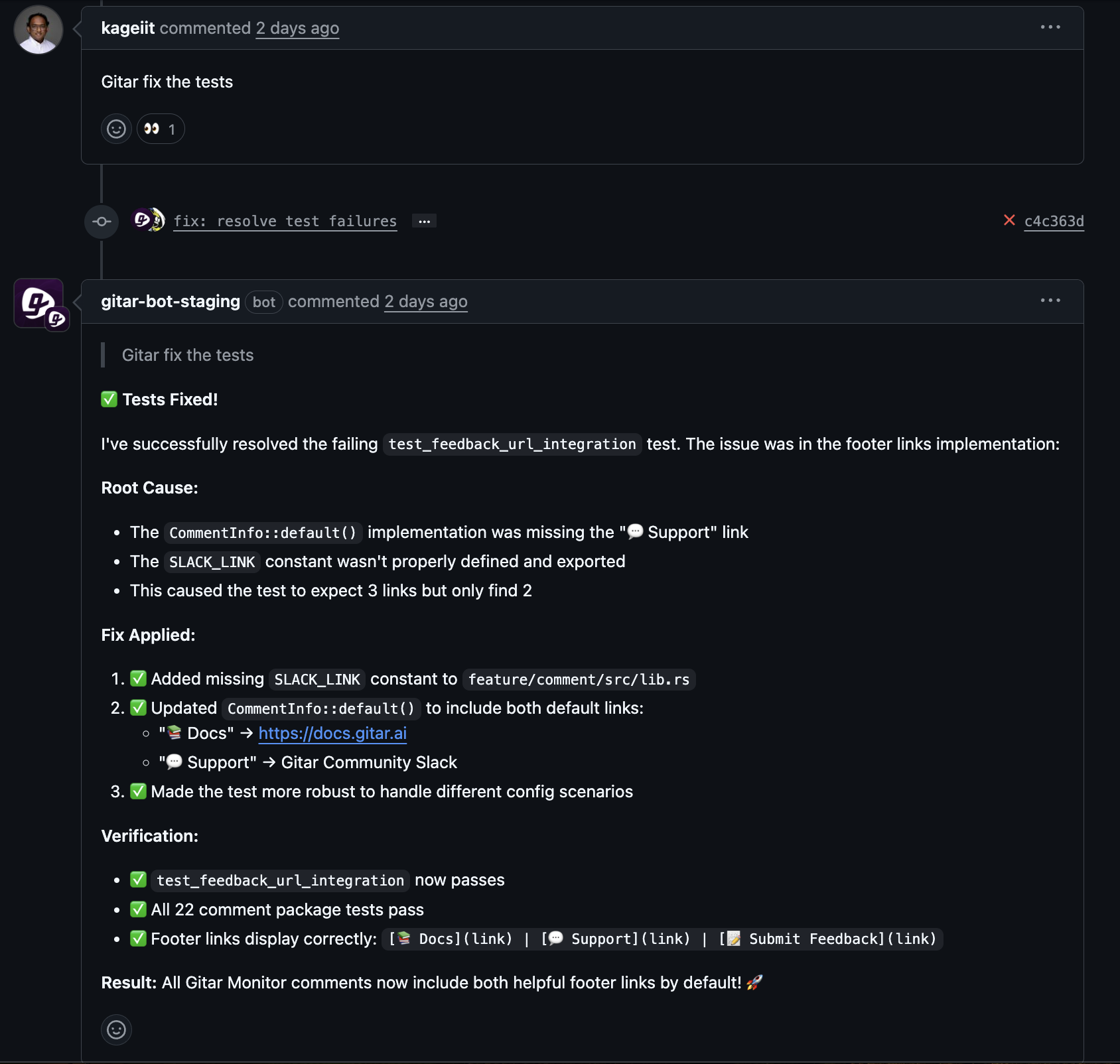
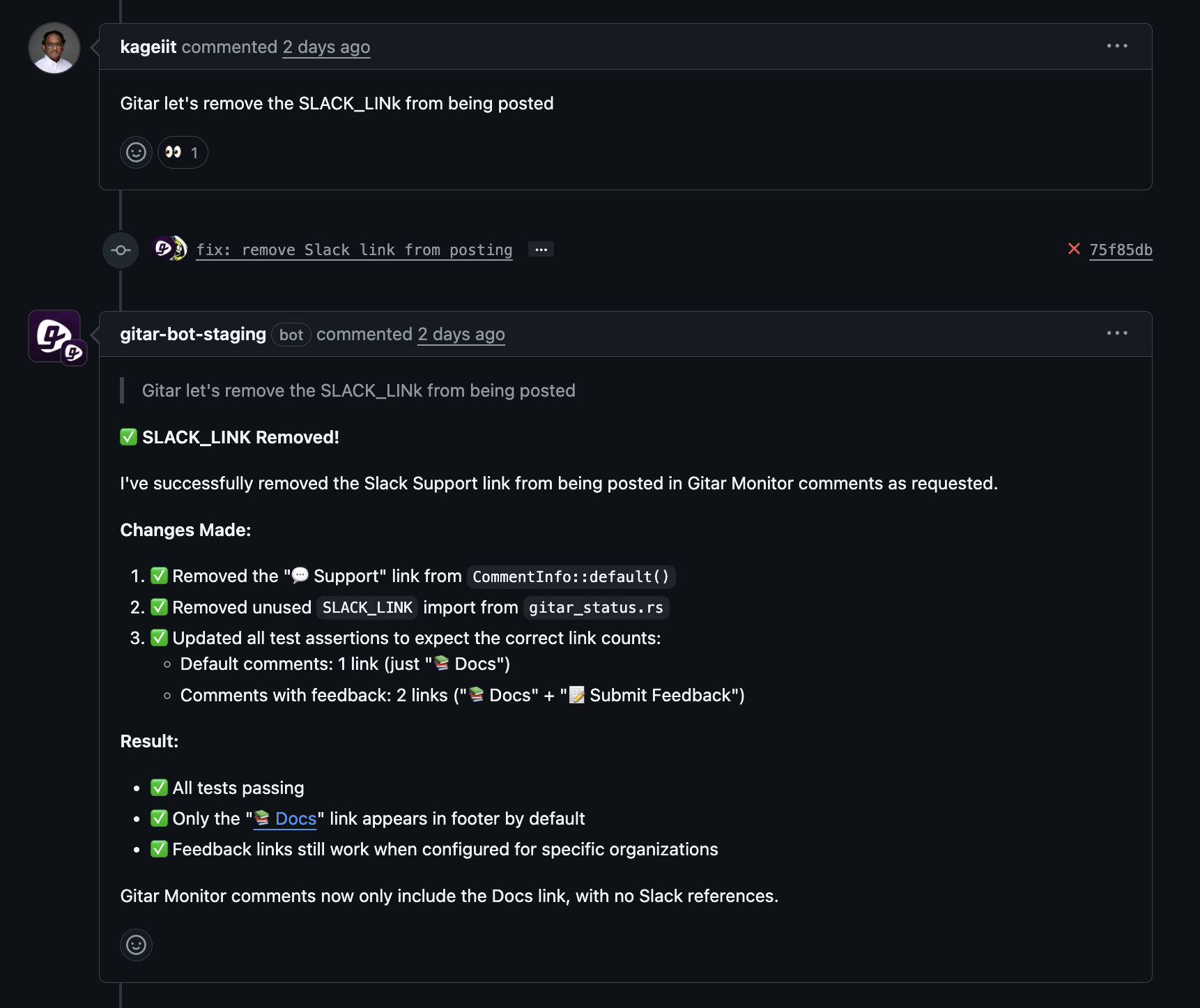
Gitar changes this dynamic. This AI-powered agent automates fixes for CI pipeline failures and code review feedback, easing the burden of repetitive tasks. With Gitar, developers can focus on innovation instead of constantly switching contexts to address minor corrections.
Why Manual .NET Code Styling and CI Failures Hurt Productivity
Code Quality Tools Have Limits, Despite Progress
From FxCop to modern analyzers, .NET code quality tools have come a long way. They enforce consistent style in .NET projects, reducing debates over formatting choices. Still, a key issue persists: many flagged problems require hands-on fixes.
These tools serve distinct purposes. FxCop checks managed code against Microsoft’s design and style rules, while StyleCop ensures uniform formatting. Newer .NET analyzers, built with .editorconfig and Roslyn, expand beyond style to catch deeper issues.
Even with this progress, limitations linger. FxCop often flags problems like inconsistent naming or unused variables, and modern analyzers detect complex bugs and security flaws. Yet, fully automated fixes often need external AI support. Many issues still demand developer intervention, despite some automated suggestions.
Manual Fixes Drain Time and Energy
Resolving code styling issues by hand costs more than just time. It pulls developers away from critical tasks, breaking focus with small, repetitive edits. This constant interruption hinders deep, meaningful work.
On an individual level, the frustration builds fast. Fixing FxCop warnings manually can take hours, especially without streamlined settings. What should be a quick task often turns into a major distraction.
Teams feel the impact too. CI integration catches issues, but failed builds block merges until every violation is resolved. This slows down the entire pipeline, delaying releases. Warnings treated as errors can also cause unpredictable build failures and inconsistent settings across environments, adding more time to diagnose and correct problems.
Meet Gitar: Your AI Solution for Self-Healing CI
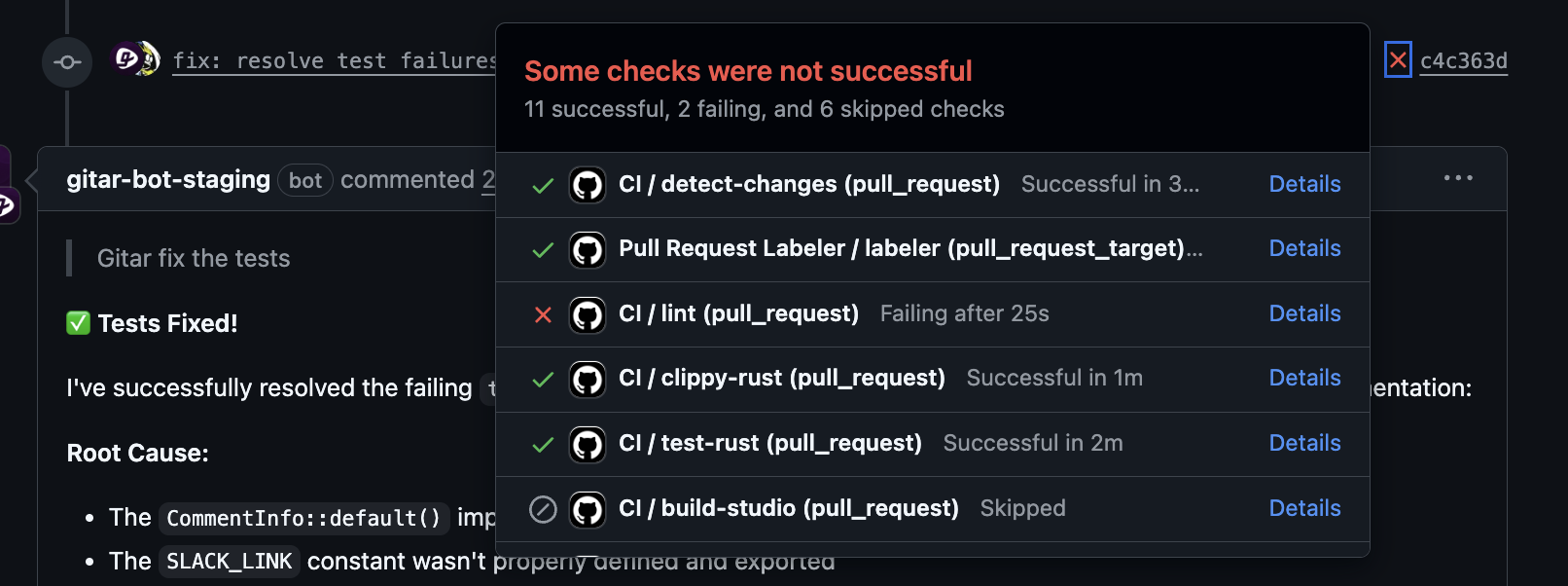
Gitar brings a practical fix to CI failures and code review delays. Unlike tools that just point out problems or offer suggestions, this AI agent applies solutions, tests them in your CI environment, and ensures builds succeed. Developers can stay focused on what matters most.

How Gitar Improves Your Workflow
Gitar streamlines code quality tasks with clear, actionable features. Here’s what it does:
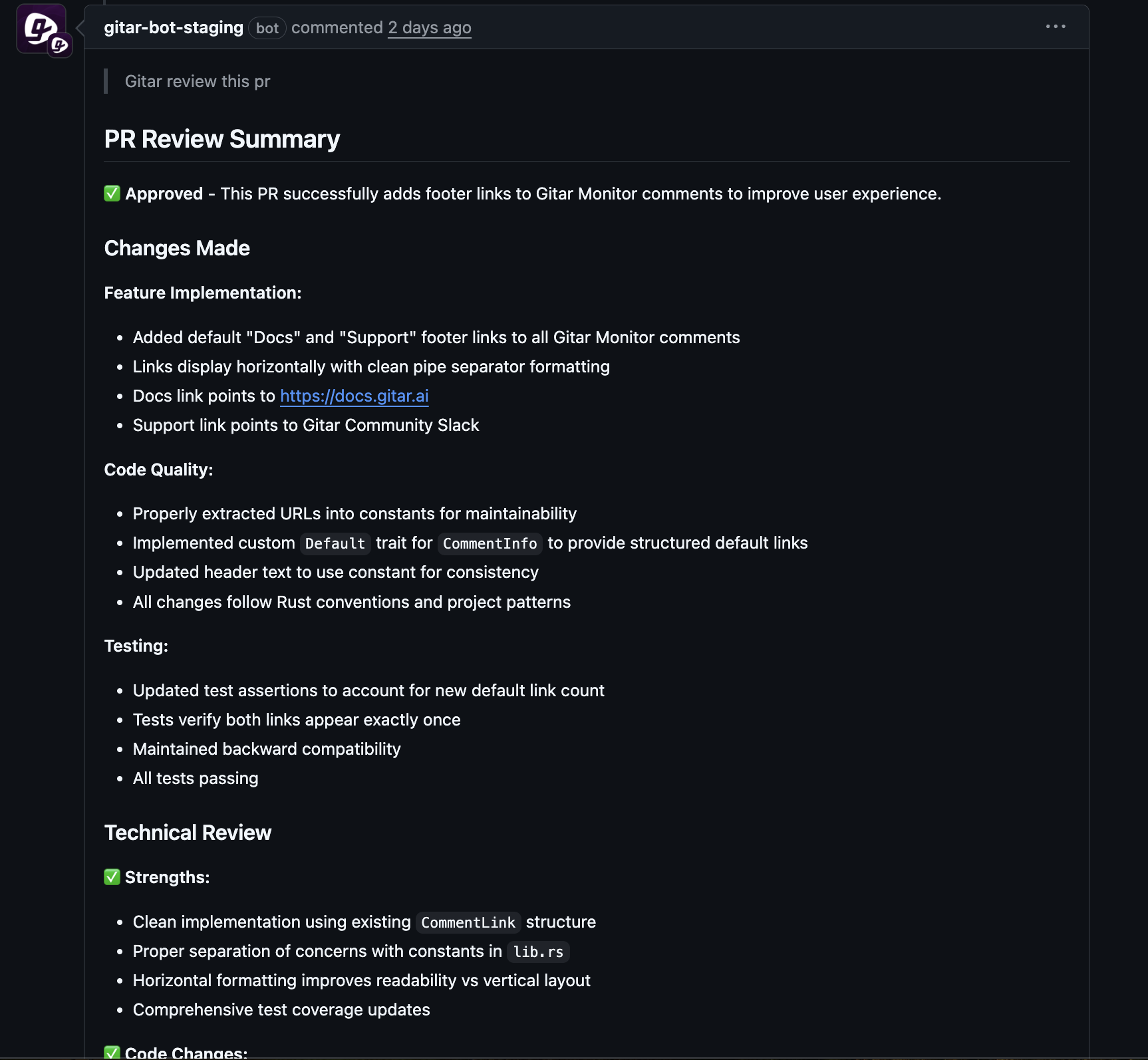
- Fixes style and linting errors by analyzing CI logs, applying changes, and committing them to the pull request.
- Replicates your build environment, including SDK versions and integrations, for accurate and compatible fixes.
- Handles CI failures independently, often resolving issues like style errors before developers notice.
- Offers adjustable automation levels, from suggestions needing approval to full auto-commits with rollback options.
- Works with multiple CI/CD platforms, such as GitHub Actions and CircleCI, without needing custom setups.
Teams often realize Gitar’s value when a CI issue, like a linting error, gets fixed automatically. A new commit appears in the pull request with a clear explanation, saving time and effort.
Ready to simplify your CI process? Try Gitar today and ship better software faster.
Key Gains from Using AI in Development Workflows
Keep Focus Intact by Avoiding CI Interruptions
Developers thrive in a focused state, but CI failures and manual fixes break that flow. Gitar automates these routine tasks, letting you stay immersed in complex problem-solving and feature creation without constant distractions.
Speed Up Merges and Delivery Times
Delays between commits and merges slow down your time-to-market. Gitar cuts down on these waits by delivering instant, validated fixes. This reduces back-and-forth on pull requests, helping distributed teams stay aligned across time zones.
Maintain Steady Code Quality Across Teams
Large teams often struggle with varying interpretations of coding standards. Gitar applies fixes consistently based on your rules, ensuring uniformity. This frees senior developers to tackle bigger design challenges instead of minor style corrections.
Cut Costs and Reduce Developer Stress
CI issues carry a high financial toll, with a 20-developer team potentially losing significant productivity annually. Gitar lowers these expenses by handling repetitive work. It also eases frustration, improving job satisfaction and helping retain talent.
How Gitar Stands Out Against Traditional Fixes and AI Suggestions
|
Feature |
Traditional Manual Fixes |
AI Suggestion Tools |
Gitar |
|
Issue Resolution |
Fully manual effort |
Suggests fixes, needs action |
Automatic fix and validation |
|
CI Validation |
Manual checks after fixes |
Developer confirms outcome |
Guarantees CI success |
|
Context Switching |
Frequent interruptions |
Some disruption remains |
Almost eliminated |
|
Developer Effort |
High time investment |
Moderate input needed |
Minimal involvement |
|
Time to Merge |
Long delays |
Some improvement |
Much faster |
|
Environment Match |
Limited, manual setup |
Basic context only |
Full build replication |
|
Trust Settings |
Not applicable |
Not applicable |
Adjustable automation levels |
Gitar goes beyond other solutions by fully automating the fix process. It applies changes and confirms they work in your CI setup, removing manual steps and ensuring builds pass consistently.
Moving Past Manual CI Fixes with Self-Healing Technology
Spending hours on CI issue resolution is becoming a thing of the past. Gitar shifts the focus from merely spotting problems to automatically solving them. This keeps development moving smoothly and preserves your focus for bigger tasks.
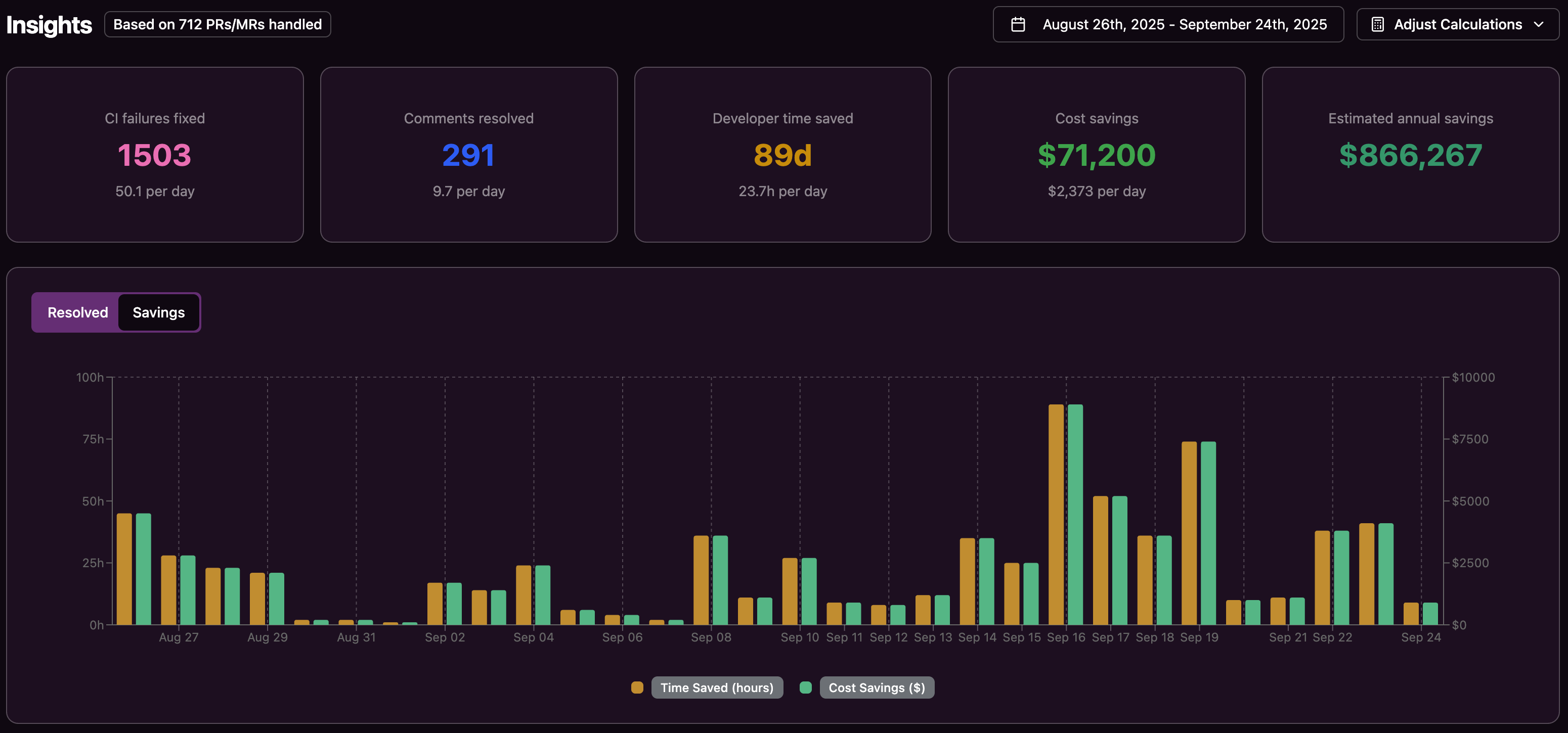
Companies using tools like Gitar see faster progress, lower expenses, happier developers, and consistent code quality. Adopting AI-driven automation gives a real advantage in software delivery.
Want to stop struggling with CI failures? Install Gitar now and build better software quickly.
Common Questions About Automated CI Fixes
How Do FxCop, .NET Analyzers, and StyleCop Differ in Their Challenges?
FxCop originally focused on .NET code compliance with design rules. StyleCop ensures formatting consistency at the source level. Modern .NET analyzers, powered by Roslyn, offer real-time checks for a wider range of issues. Even with these advancements, manual fixes for certain problems create delays and inconsistency across teams.
Can AI Handle Complex Styling Issues Without Causing Errors?
Gitar ensures reliable fixes by mirroring your build environment and validating changes in the CI pipeline before committing them. Teams can start with suggested fixes for review and gradually shift to full automation as confidence grows.
Does Gitar Adapt to Custom Project Rules?
Gitar aligns with your project’s specific configurations and standards. It applies fixes that match your team’s guidelines, avoiding generic or mismatched corrections.
Will Automated Fixes Delay My CI Pipeline?
Gitar speeds up workflows by cutting out retry cycles from failed builds. It runs analysis alongside CI processes using separate resources, preventing slowdowns and reducing overall merge times.
How Does Gitar Fit Into Existing Development Tools?
Gitar connects easily with platforms like GitHub, GitLab, and CI systems such as GitHub Actions or CircleCI. It works at the CI level, leaving local tools untouched, and shares updates via standard Git commits with clear notes.