
Last updated: February 3, 2026
Key Takeaways
- 84% of developers now use AI coding assistants, yet sprint velocity still slows as pull request volume overwhelms review pipelines.
- Most free AI code tools only suggest changes, while Gitar uniquely auto-fixes CI failures, validates fixes, and commits working code.
- Gitar’s free tier supports unlimited private repos and users, full review features, and a 14-day auto-fix trial with no credit card.
- Competitors such as CodeRabbit and Sourcery restrict free use to public repos and lack true CI healing, so teams must apply fixes manually.
- Teams save $375K or more each year with Gitar’s free review and CI healing; install Gitar free today to ship faster with higher quality.
How We Evaluated Free AI Code Assistants
We compared free AI code assistants using five criteria. These included autofix capabilities such as CI validation and auto-commit, free tier limits on private repositories and seats, and platform integrations across GitHub, GitLab, and CircleCI. We also evaluated setup complexity and 2026 user feedback from developer forums and G2 reviews. Our analysis favors tools that resolve issues, not just suggest edits, and we calculated ROI for 20-developer teams facing post-AI review bottlenecks.
Top 7 Free AI Code Assistants That Actually Fix Code in 2026
|
Rank/Tool |
Key Features |
Free Limits |
Auto-Fix CI |
|
#1 Gitar |
CI healing, auto-commit fixes, single comment |
Unlimited repos/users |
14-day free trial |
|
#2 CodeRabbit |
PR summaries, inline suggestions |
Public repos only |
No |
|
#3 Sourcery |
Code refactoring, instant feedback |
Public repos |
No |
|
#4 CodiumAI PR-Agent |
Open-source analysis |
Self-hosted unlimited |
No |
#1 Gitar – Free AI Healing Engine for CI Failures
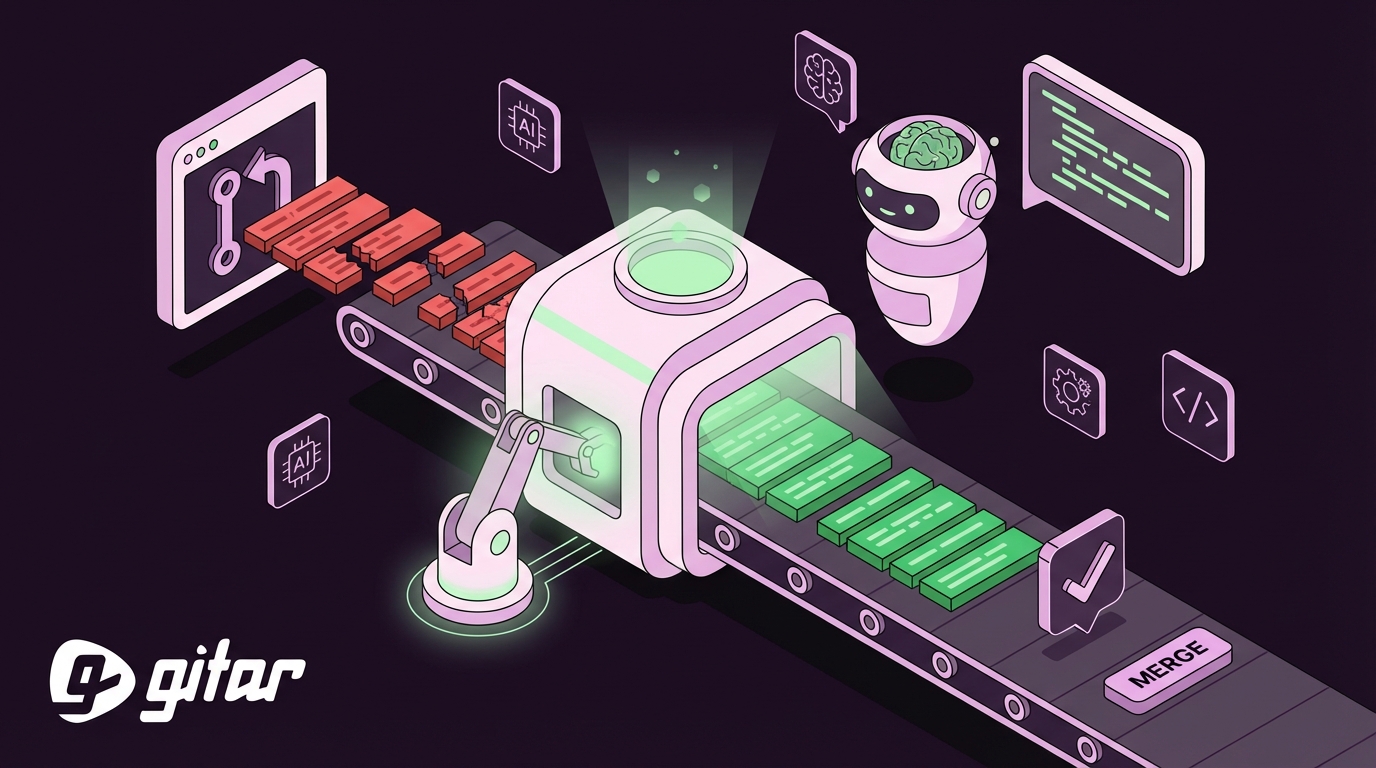
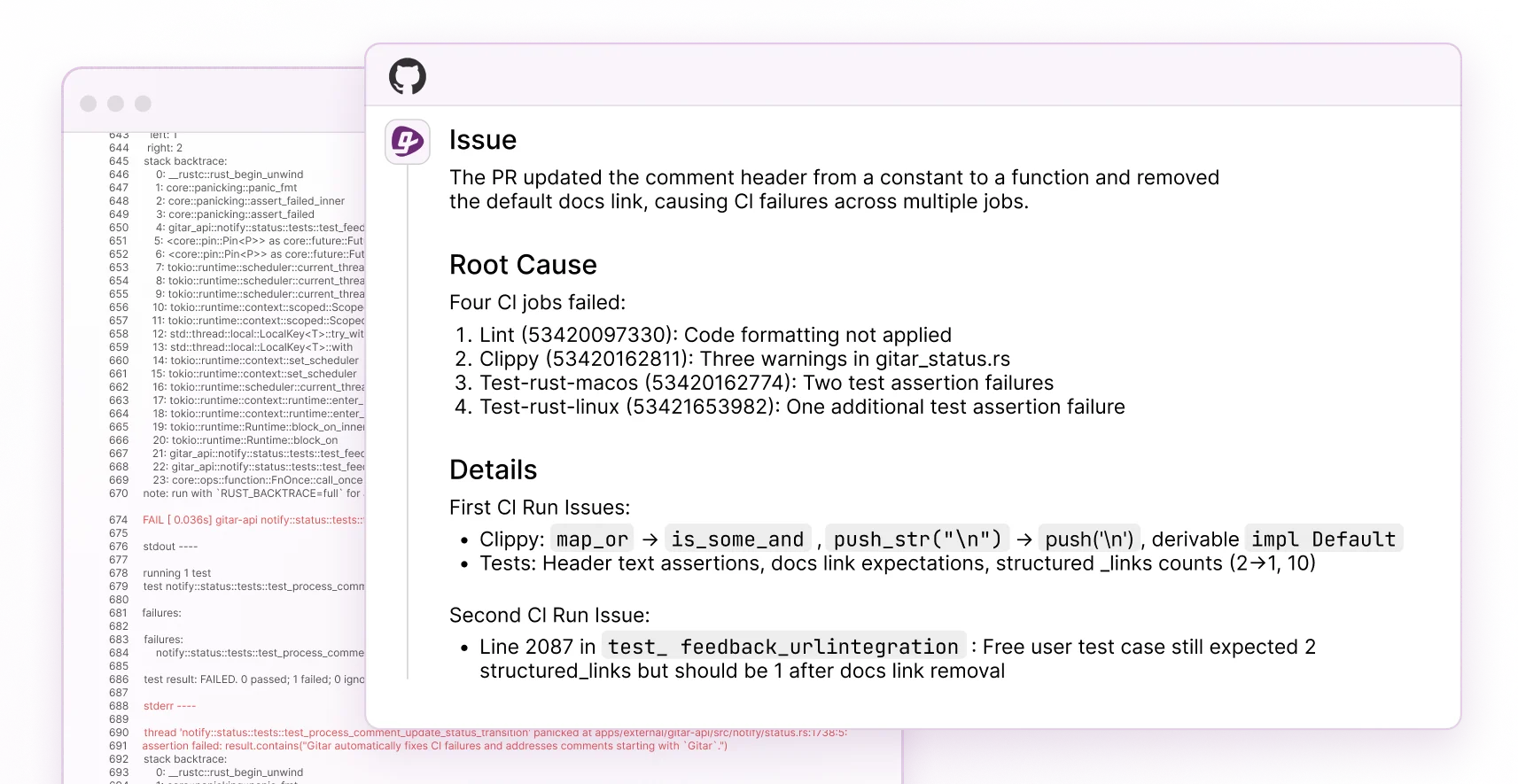
Gitar operates as a healing engine that fixes code instead of only suggesting changes. When CI fails due to lint errors, test failures, or build breaks, Gitar analyzes logs, generates fixes, validates them, and commits directly to the pull request. This approach removes the manual implementation step that suggestion-only tools leave to developers.
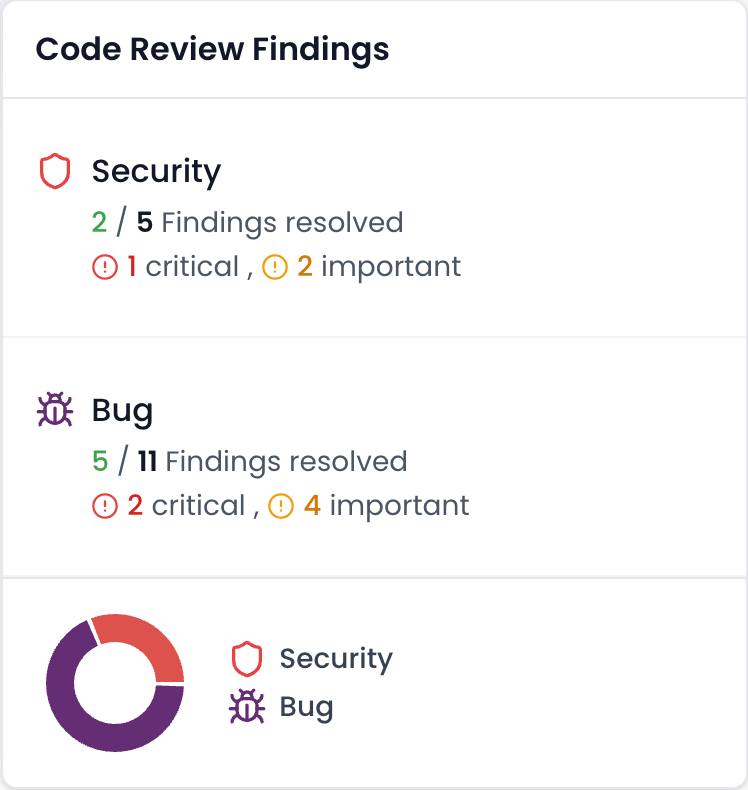
The platform posts a single updating dashboard comment instead of many inline notes, which reduces noise and keeps all findings in one place. Natural language repository rules automate workflows without complex YAML. Teams can write rules such as “assign security team when authentication code changes” in plain English.
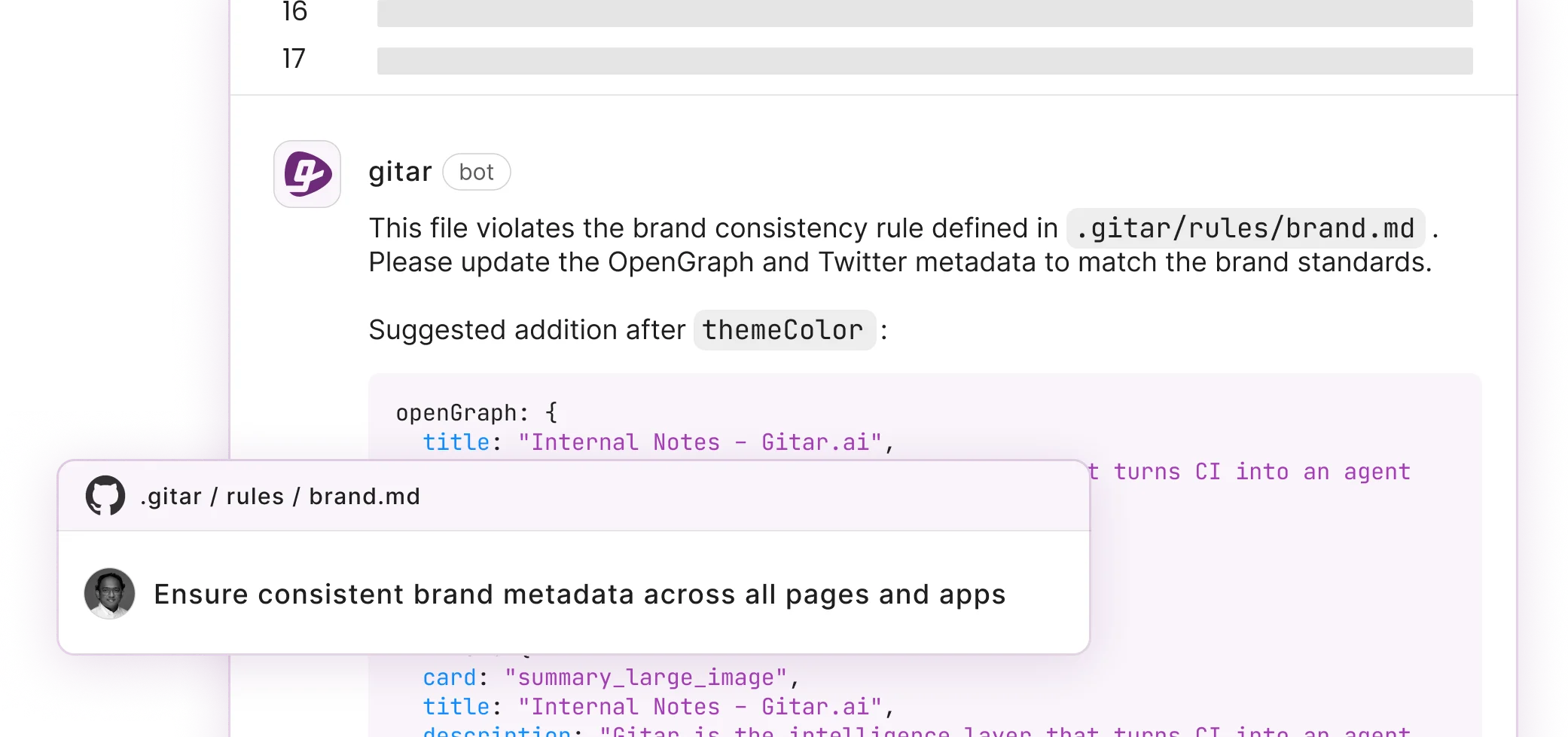
Gitar’s free tier includes unlimited private repositories, unlimited users, full code review, and PR summaries with no credit card. Auto-fix features run as a 14-day free trial, and teams can keep using review features for free after the trial ends.
Setup completes in about 30 seconds through the GitHub App or GitLab integration. Gitar supports GitHub Actions, GitLab CI, CircleCI, and Buildkite, which suits cross-platform engineering teams.
Pinterest validates Gitar at enterprise scale across more than 50 million lines of code and thousands of daily pull requests. The Tigris engineering team reports that Gitar’s summaries are “more concise than Greptile,” and Collate’s team values the “unrelated PR failure detection” that separates infrastructure flakiness from real code bugs.
Gitar avoids the common $15–30 per developer monthly pricing for basic suggestions. The company treats code review as a free baseline and builds paid value on advanced workflow automation and analytics.
Install Gitar now, fix broken builds automatically, and ship higher quality software faster.
#2 CodeRabbit – Detailed PR Suggestions for Public Repos
CodeRabbit offers a free tier for public repositories with AI-generated line comments, PR summaries, and learning from team feedback. It integrates with GitHub, GitLab, and Bitbucket and supports more than 20 languages.
The public-only free tier limits value for teams that rely on private repositories. CodeRabbit centers on suggestions and analysis, so developers still apply changes manually. Users also mention pricing opacity and setup complexity that requires indexing time.
CodeRabbit delivers strong analysis but does not match Gitar’s healing engine that validates and commits fixes.
#3 Sourcery – Refactoring Suggestions for Public Repos
Sourcery focuses on instant PR feedback for public repositories with an emphasis on refactoring and code quality. It integrates with GitHub and GitLab and suggests cleaner, more maintainable patterns.
The public-only free tier sharply limits use for commercial teams. Sourcery functions as a suggestion engine without CI failure resolution or auto-commit, so developers must implement every recommendation themselves.
Teams that want automated fixes rather than guidance will not resolve the post-AI bottleneck with Sourcery alone.
#4 CodiumAI PR-Agent – Self-Hosted Open Source Reviews
CodiumAI PR-Agent delivers open-source PR analysis and summaries. It integrates with GitLab through CI/CD pipelines or webhooks and offers structured reviews and automation.
As open source, PR-Agent allows unlimited usage without seat limits. Self-hosting, however, introduces setup effort and ongoing maintenance. The tool emphasizes analysis and documentation instead of automated code fixes.
Teams with strong DevOps capacity can benefit, but PR-Agent lacks Gitar’s plug-and-play simplicity and CI healing.
#5 Maverick – Lightweight GitHub PR Monitoring
Maverick tracks GitHub pull requests with basic AI analysis and comments. The free tier focuses on PR monitoring and simple feedback.
The product functions mainly as a monitoring layer without deep analysis or automated fixing. Limited integrations and a narrow feature set make it suitable for basic oversight, not full review automation.
#6 Bloop – Open Source Code Search with Limited Review
Bloop offers open-source code search and analysis with some inline editing. Its free usage tier remains limited and includes only basic review features.
Bloop works well for code exploration but lacks full CI integration and healing. The constrained free tier and search-first design do not meet needs for complete review and fix workflows.
#7 GitLab Duo Code Review – Native GitLab MR Suggestions
GitLab Duo Code Review offers a free basic plan for GitLab DevOps teams with native AI merge request suggestions.
The GitLab-only scope limits usefulness for organizations that also run GitHub or other platforms. Native integration streamlines GitLab workflows, yet the lack of cross-platform support and automated fixing keeps it behind Gitar’s broader approach.
Gitar vs. CodeRabbit vs. Greptile: Why Fixes Matter More
|
Capability |
Gitar |
CodeRabbit |
Greptile |
|
Auto-Fix CI |
14-day free trial |
No ($15+/seat) |
No ($30+/seat) |
|
Private Repos |
Unlimited free |
Paid only |
Limited free tier |
|
Validated Commits |
Yes |
No |
No |
|
Cross-Platform |
GitHub/GitLab/CircleCI |
GitHub/GitLab |
Limited |
Suggestion engines still leave developers with manual work, while Gitar’s healing engine validates fixes through CI and commits working code automatically.
Best Free AI Code Review Option for GitHub Teams
Gitar leads for GitHub users with unlimited private repo support and CI healing across GitHub Actions. The single-comment model cuts notification fatigue and keeps reviews focused. A 30-second installation and immediate PR analysis make Gitar an easy default for GitHub-based teams.
AI PR Reviewers That Actually Auto-Fix CI
Among free platforms, only Gitar delivers true CI auto-fixing. The healing engine reads failure logs, proposes context-aware fixes, validates them across the full pipeline, and commits working changes. This workflow removes roughly 45 minutes of daily CI triage for many developers.
Quick ROI Snapshot for a 20-Developer Team
|
Team Size |
Traditional Cost |
Gitar Cost |
Annual Savings |
|
20 developers |
$1M productivity loss |
$0 (free review) |
$750K+ |
|
Tool costs |
$450-900/month |
$0 |
$5,400-10,800 |
Even at 50% effectiveness, Gitar saves about $375K per year for a 20-developer team and removes subscription fees.
Start Using Gitar for Healing-Focused Reviews
Post-AI development teams need tools that deliver fixes, not just comments. While many competitors charge premium prices for suggestions, Gitar offers free comprehensive review plus healing that produces working solutions.
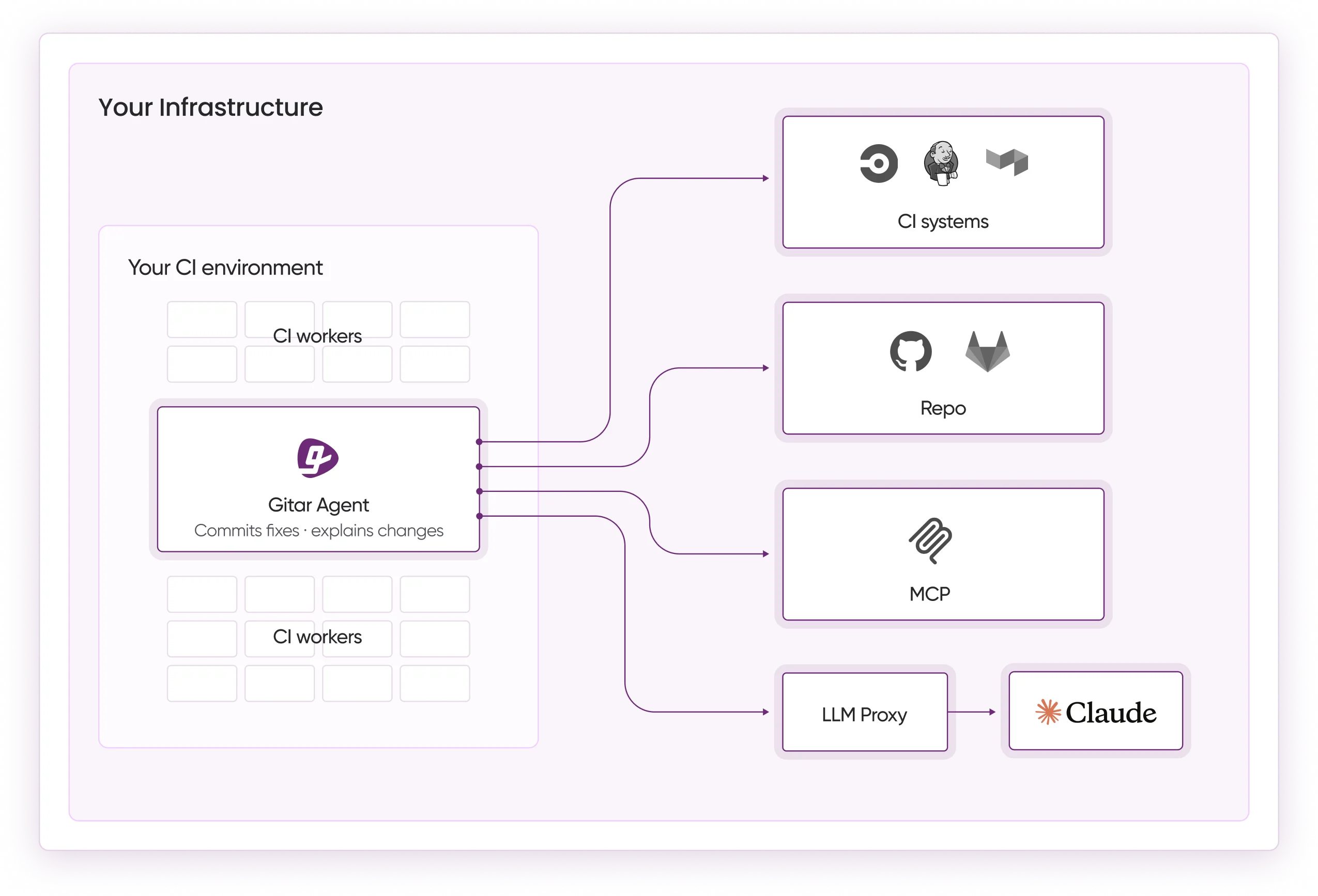
Teams that feel cautious about automated commits can begin in suggestion mode and then enable auto-commit for specific failure types. Complex CI environments benefit from Gitar’s environment emulation and enterprise deployment options that run agents inside existing infrastructure.
Frequently Asked Questions
What makes Gitar different from other free AI code assistants?
Gitar fixes code instead of only suggesting edits. When CI fails, Gitar analyzes the failure, generates a validated fix, and commits it to the pull request. Free tools such as CodeRabbit and Sourcery stop at suggestions that developers must apply manually. Gitar’s healing engine removes that manual work and still supports unlimited private repositories at no cost.
How does Gitar handle complex CI environments and custom workflows?
Gitar supports GitHub Actions, GitLab CI, CircleCI, and Buildkite with full environment emulation. It can match SDK versions, multi-dependency builds, and third-party scans. Natural language rules let teams automate workflows without complex YAML. For enterprises, Gitar can deploy agents inside existing CI infrastructure with access to secrets and caches so fixes work in production conditions.
What are the limits of Gitar’s free tier?
Gitar’s free tier includes unlimited private repositories, unlimited users, full code review, and PR summaries without a credit card. Auto-fix features run as a 14-day free trial. After that period, teams can keep every review feature at no cost. Gitar’s model treats code review as a free baseline and offers paid upgrades for enterprise analytics and advanced workflow automation.
How accurate are Gitar’s automated fixes compared to manual work?
Gitar validates each fix against the full CI pipeline before committing, so changes actually pass checks. Pinterest has tested Gitar at scale across more than 50 million lines of code and thousands of daily pull requests. Teams report that Gitar’s fixes reliably pass CI and that the platform distinguishes infrastructure flakiness from real bugs, which manual reviewers often miss without CI context.
Can Gitar integrate with our existing tools and workflows?
Gitar integrates with Jira, Slack, and Linear for context and notifications. It maintains hierarchical memory at the line, PR, repo, and organization levels and learns team patterns over time. Installation through the GitHub App or GitLab integration takes about 30 seconds, and the single updating comment design reduces notification overload compared with tools that scatter inline comments.