
Technical debt is a common challenge in fast-moving Agile teams. It often shows up as recurring CI build failures that slow down development and drain resources. When speed takes priority over stability to hit sprint goals, problems like broken builds and unreliable tests pile up. Let’s dive into five practical strategies to tackle technical debt and keep your CI pipelines running smoothly, ensuring faster delivery without sacrificing code quality.
Why Technical Debt in Agile Leads to CI Build Failures
Agile focuses on quick delivery and adaptability, but this pace can create issues if stability is overlooked. Technical debt builds up when teams choose speed over best practices to meet tight sprint deadlines. What starts as a minor shortcut can grow into major CI pipeline disruptions over time.
Common sources of technical debt in CI include rushed fixes during sprints, unnoticed errors from quick reviews, outdated code that clashes with new tools, and aging infrastructure that no longer supports the project. Agile’s fast cycles make it easy to pile up hidden debt, leading to longer tasks, repeated bugs, unstable code, and testing delays.
The impact hits hard. Developers face longer work cycles while navigating messy code. Bugs keep popping up because root issues stay unresolved. Code becomes brittle, where even small changes risk breaking everything. Worst of all, CI pipelines falter with unreliable tests, slow builds, patchy coverage, configuration issues, and dependency conflicts.
The cost is real. Up to 30% of developer time can vanish into fixing CI failures and addressing review feedback, costing a 20-person team around $1 million yearly in lost output. Beyond immediate fixes, the constant shift in focus from core work to debugging adds a heavy burden.
Want to stop losing time to CI failures? Install Gitar now to fix broken builds automatically and ship better software faster.
5 Practical Ways to Manage Technical Debt and Keep CI Pipelines Running
1. Track Technical Debt Clearly for Everyone to See
Getting a handle on technical debt starts with visibility across your team and stakeholders. Making technical debt transparent to both technical and business folks turns it into a shared priority, not just a coding issue. Set up specific ways to monitor CI problems as they happen.
Create a dedicated “technical debt backlog” for CI issues like inconsistent tests, slow builds, or dependency mismatches. Treat this list with the same importance as your product goals, prioritizing items by their impact on speed and reliability. Note details like how often issues occur, time spent fixing them, and who they affect.
Use dashboards to display real-time data on build failure rates, time to fix issues, and common error types. These visuals help everyone grasp the cost of debt and decide when to tackle it. Shift from vague complaints about slow builds to hard numbers that drive decisions.
Prevention beats tracking, though. Gitar offers instant insight into CI failures and fixes them on the spot. Instead of logging issues, Gitar analyzes failing builds live, applies tested solutions to pull requests, and keeps debt from building up. Developers stay focused on creating features, not fighting fires.

2. Build Strong Automated Testing and CI Processes
Automation is key to stopping technical debt, but only if done right. Smart test automation catches problems early and supports clean code updates, but poorly maintained tests add more issues. Aim for a system that spots errors without creating extra work.
Develop fast, dependable test suites that give useful feedback. Focus on unit tests for core logic, integration tests for system parts, and end-to-end tests for user flows. Add static analysis, linters, and security scans to catch mistakes and enforce standards before code goes live.
Well-set CI/CD pipelines automate builds, tests, and deployment, cutting human errors and keeping code quality high. Make sure these pipelines are quick and reliable. Slow or erratic systems become problems themselves if developers start ignoring failures or bypassing tests.
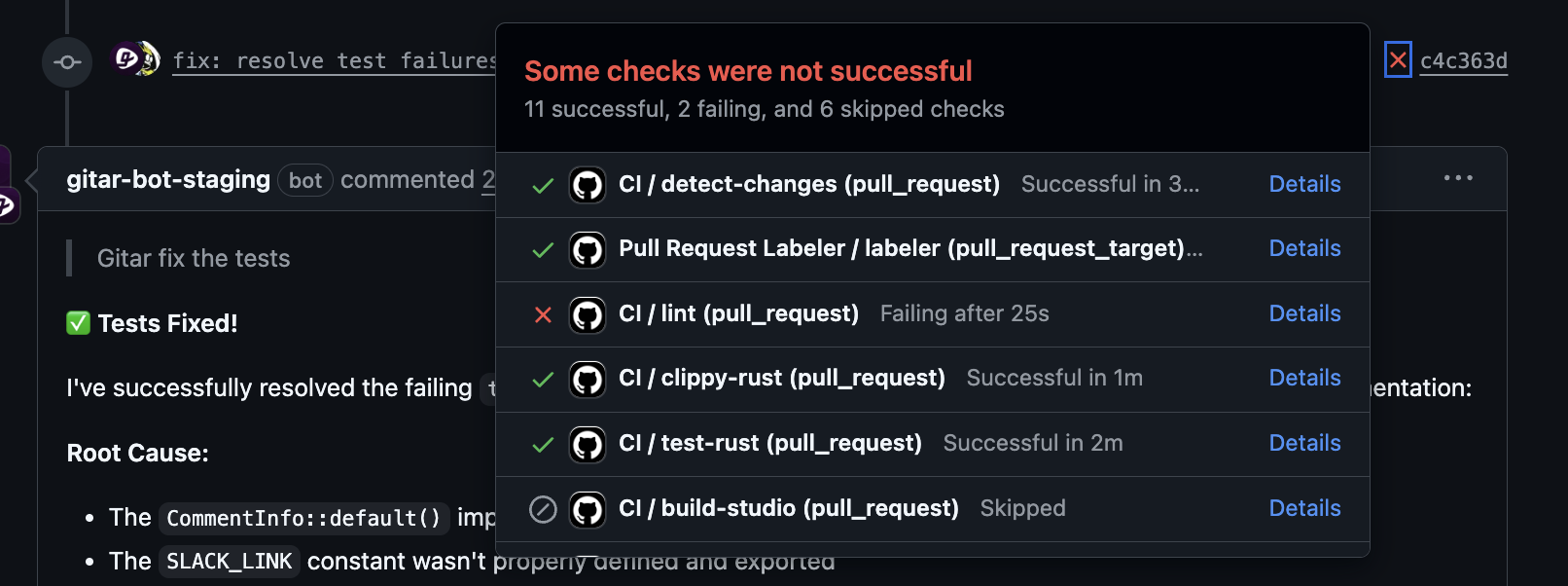
Gitar takes automation further by not just finding issues but fixing them. Unlike tools that only flag problems, Gitar identifies CI failures, pinpoints causes, creates fixes, and updates pull requests. This keeps CI pipelines healthy without constant manual effort.
3. Set Strict Quality Standards and Refactor Often
Quality checks stop technical debt before it starts. Handling CI/CD debt means tracking issues, planning refactoring time, setting quality in your ‘Done’ criteria, and always improving code you touch. Define clear, measurable standards for code before it merges.
These standards should include minimum test coverage, passing all automated checks, meeting coding guidelines, and completing security and performance reviews. Documentation updates are vital too. Stick to these rules firmly, even under sprint pressure. If standards aren’t met, the code waits.
Regular refactoring keeps code in good shape. Use automation to maintain standards and avoid repeated CI issues, while setting aside time to clean up old code during or between sprints. Consider allocating 20% of sprint time to improvements or planning full refactoring cycles.
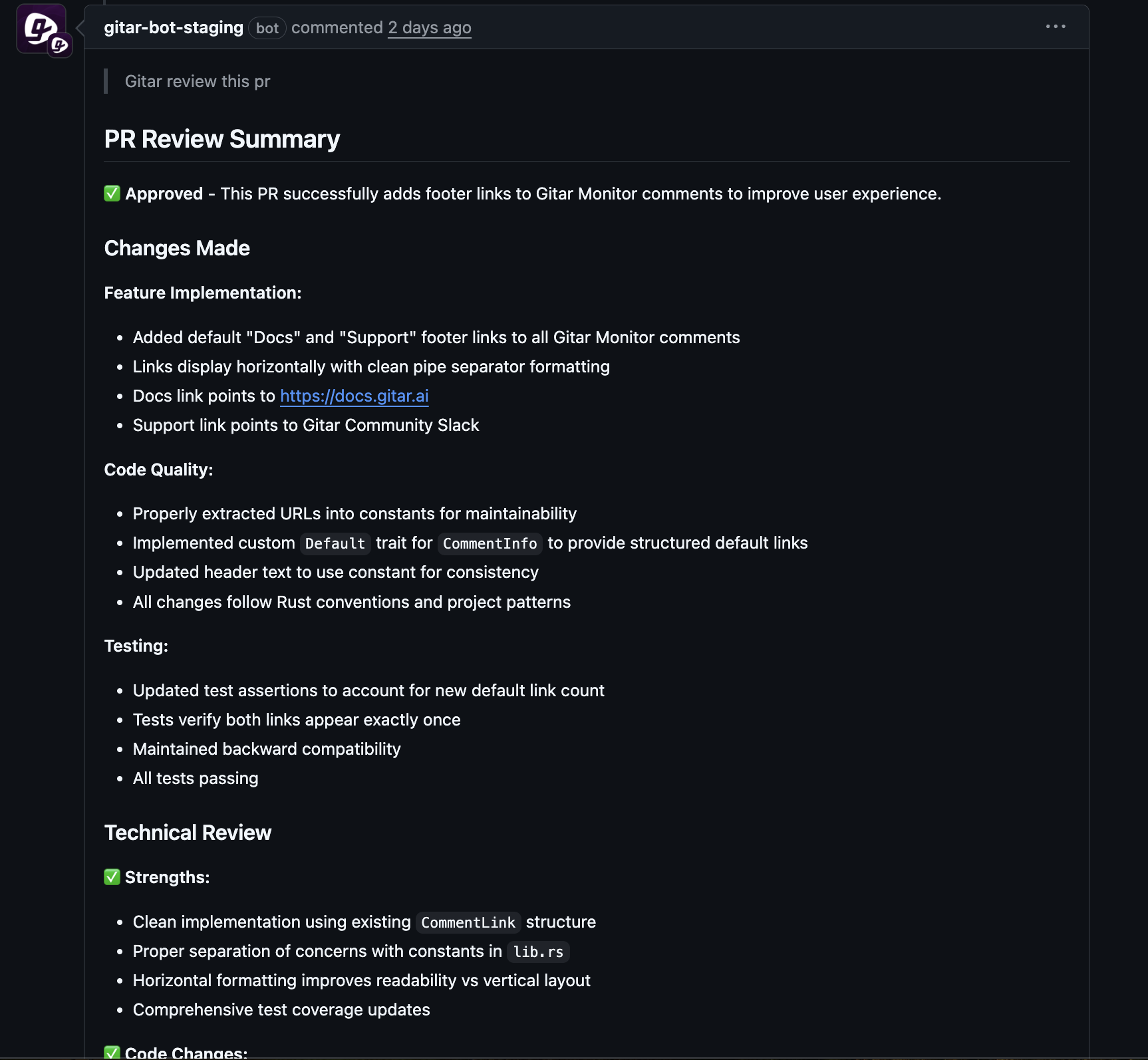
Gitar supports quality by acting on review feedback directly in workflows. When reviewers suggest changes, Gitar can apply them automatically, maintaining high standards without slowing down progress. Teams keep quality up without extra burden.
4. Measure Progress and Use Self-Fixing CI Systems
Tracking the right data helps manage technical debt effectively. Monitoring build failures, test coverage, and reliability shows if debt reduction efforts pay off. Without clear numbers, you can’t tell if you’re making headway or falling behind.
Focus on metrics like build failure frequency, average fix time, test dependability, and developer output from commit to merge. Watch these over time to spot patterns and measure improvements. Rising failure rates despite fixes might mean new code lacks proper testing.
Self-fixing CI systems are the future, solving issues without manual input. Automated pipelines spot errors early, shorten unresolved debt time, and give quick feedback to lessen delivery delays. Traditional setups notify about failures but leave the fixing to developers, costing focus and time.
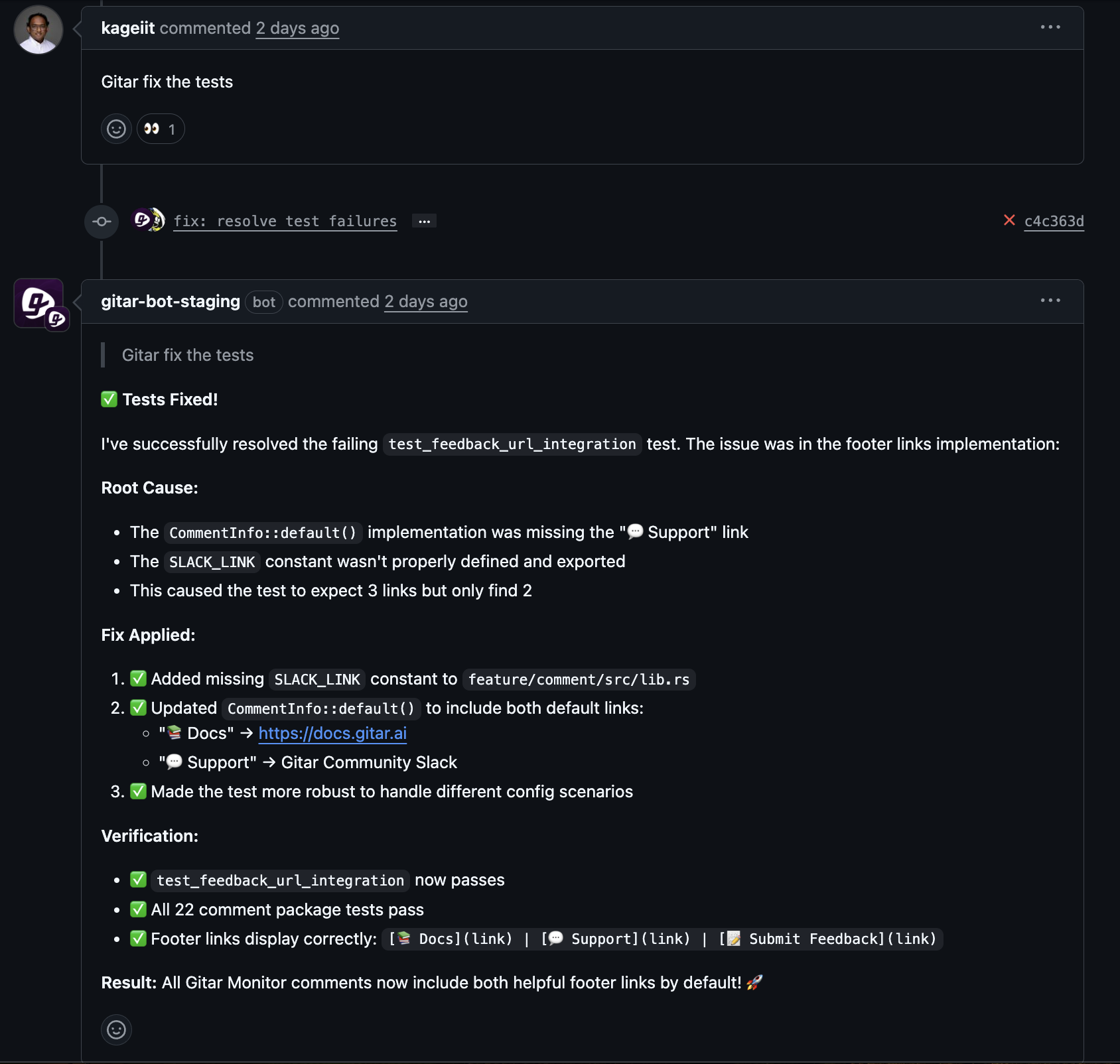
Gitar builds a self-fixing CI process. It doesn’t just alert on failures; it analyzes, creates solutions, and applies them to pull requests. Builds stay green without developer effort, letting teams focus on features while upholding quality.
5. Make Technical Debt a Priority in Planning
Technical debt can’t wait for a slow period to be addressed. Automate standards to prevent CI failures and schedule time for refactoring old code during or between sprints. It needs equal weight with feature work to avoid spiraling issues that stall progress.
Treat debt items like features, with clear details, effort estimates, and reasons for action. Product owners must see the cost of ignoring debt and prioritize fixes when they matter most. This could mean pausing a feature to address performance or dedicating a sprint to build stability.
Explain debt to business stakeholders in clear terms. Don’t just say a system needs refactoring. Highlight how it causes 40% of CI failures, wastes 10 developer hours weekly, and risks security gaps. This helps them weigh trade-offs with real impact in mind.
Build regular debt reduction into your routine. Set aside 20% of sprint time for improvements, plan quarterly stability focus periods, or require debt fixes before new work starts. Consistency matters more than the exact method.
Don’t let technical debt slow your Agile progress. Install Gitar now to fix broken builds automatically and ship better software faster.
How Gitar Solves Technical Debt and CI Failures Hands-Free
While the strategies above help manage technical debt, an automated fix at the source makes the biggest difference. Gitar shifts teams from reacting to failures to preventing them, changing how CI issues and debt are handled.
|
Feature |
Manual Fixes (Status Quo) |
AI Suggestion Tools |
Gitar (Automated Agent) |
|
CI Failure Handling |
Manual diagnosis and fix |
Suggests fixes, creates branches for review |
Applies fixes directly to PR |
|
Focus Disruption |
High, pulls focus away |
Lower, often one-click actions |
Minimal, works independently |
|
Environment Match |
Local developer setup |
Not always clear |
Replicates full enterprise setup |
|
Control Options |
Full developer oversight |
Some autonomy in PR updates |
Adjustable from suggestions to auto-fixes |
Gitar stands out with its “healing engine” compared to typical “suggestion engines.” While other AI tools point out issues and propose fixes, they often still need developer action. Gitar cuts through this by automating analysis, fix creation, and application to pull requests, offering key benefits for debt reduction.
- Quick Fixes: Gitar stops CI failures from becoming debt by solving them fast. Often, pull requests update before developers notice an issue.
- Less Distraction: Manual debugging pulls focus from core tasks. Gitar takes over, letting developers stay in their workflow.
- Accurate Context: CI fixes fail if environments don’t match. Gitar mirrors enterprise setups, including specific tools and versions, for reliable solutions.
- Flexible Trust: Start with Gitar suggesting fixes for approval, then scale up automation as confidence grows, easing concerns about unwanted changes.
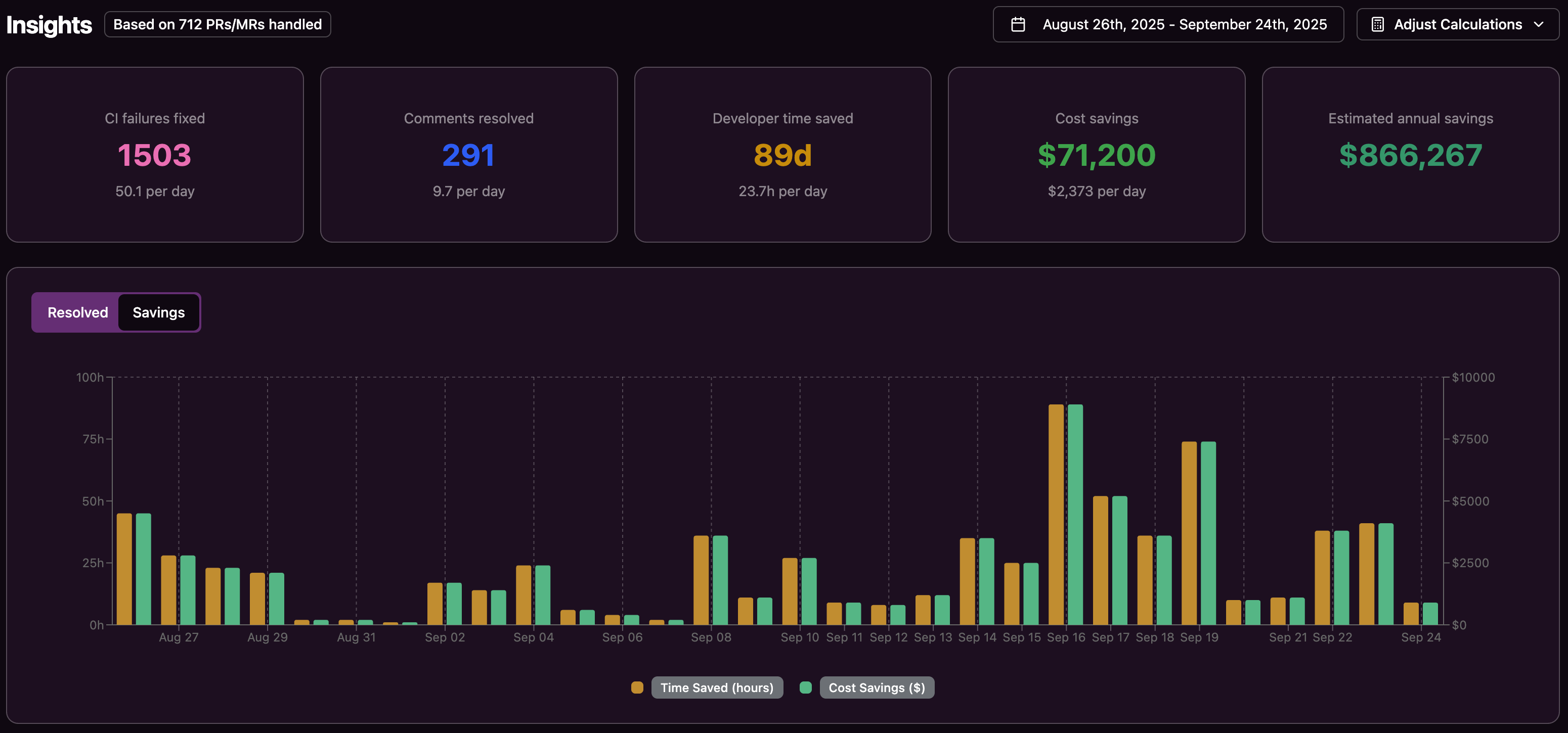
For leaders, Gitar drives clear value. A 20-developer team losing one hour daily to CI issues wastes $1 million yearly. Gitar cuts this loss, boosts code quality, and improves team satisfaction.
Common Questions About Technical Debt and CI Solutions
How Does Technical Debt in Agile Cause CI Build Issues?
In Agile, technical debt grows when teams push for speed over quality to meet sprint targets. This creates CI problems in several ways. Skipping thorough testing to deliver features leaves gaps that fail builds on unexpected cases. Quick patches make code fragile, breaking with later changes. Delaying updates to tools or setups causes conflicts and errors. Agile’s pace also leads to uneven coding practices, making builds harder to maintain. Over time, these small oversights add up, turning CI pipelines into frequent sources of delay and frustration.
Does Test Automation Cut CI Debt or Add to It?
Test automation can reduce CI-related debt if managed well, catching issues early, giving quick feedback, supporting safe code updates, and easing quality upkeep. However, poorly handled automation adds work. Unstable tests break often over small changes, slow suites discourage frequent runs, and unowned tests grow outdated, leading to ignored alerts or wasted debugging. Success requires clear responsibility, regular updates, a focus on speed, and prioritizing key logic while organizing test types cleanly.
Why Treat Technical Debt as a Key Agile Focus?
Making technical debt a core focus in Agile brings major gains. It keeps debt visible to product and business teams for better trade-off decisions, preventing dangerous buildup that slows delivery. Prioritizing debt in planning stops its growth from becoming costlier later. For business, this cuts delays, controls rising costs, and keeps releases predictable. For developers, it lifts morale by reducing frustrating fixes, freeing time for meaningful work. Over time, better code quality speeds up future tasks, boosting overall pace.
How Does Gitar Help Cut CI Failures from Technical Debt?
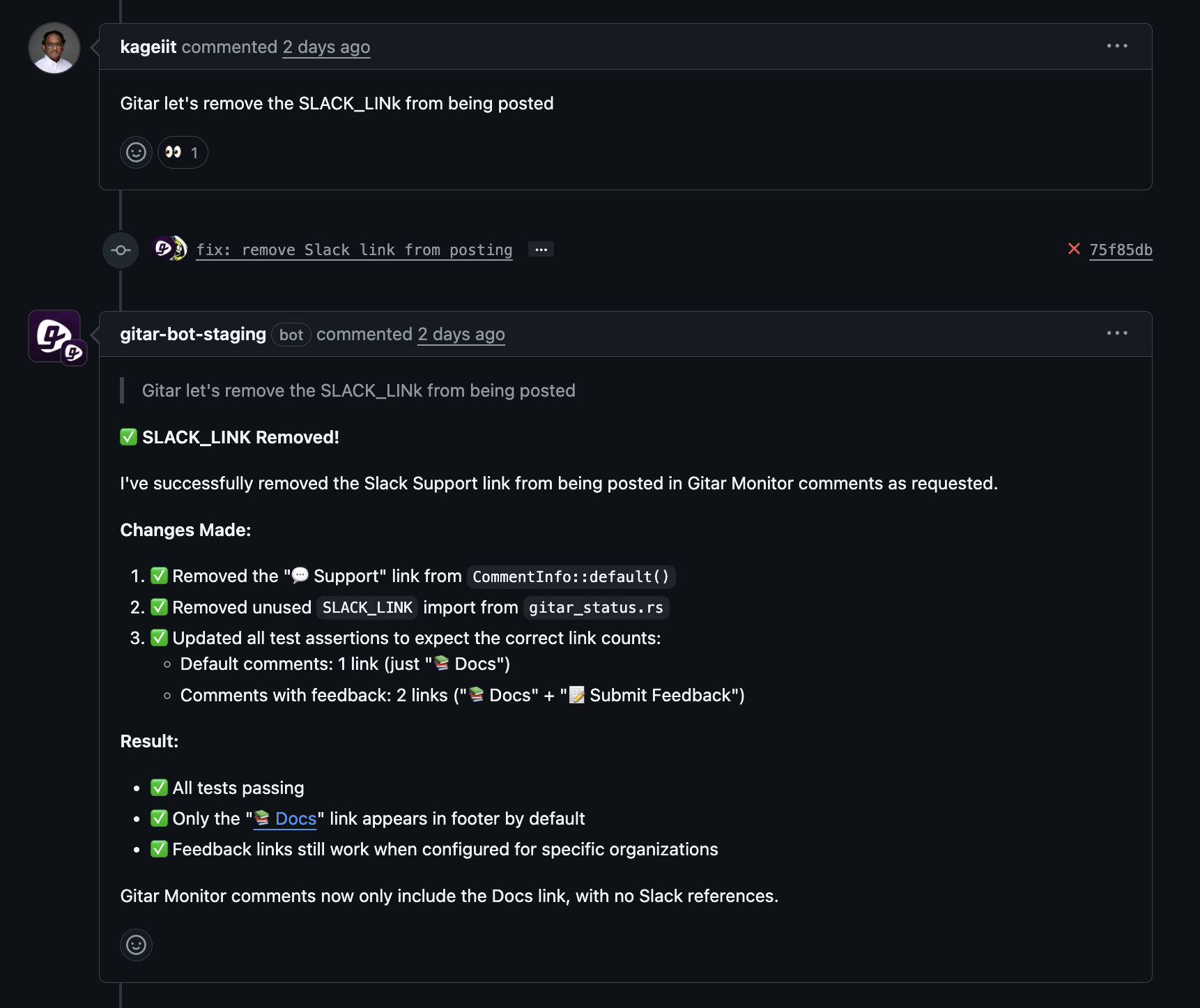
Gitar tackles CI failures tied to technical debt with an automated agent working silently. When pipelines fail from lint errors, test issues, or tool conflicts, Gitar reviews logs, finds the cause, and crafts fixes matched to the enterprise setup. It applies changes to pull requests directly, unlike tools needing manual steps. This frees developers from routine CI fixes, stabilizing pipelines, boosting output, and lowering costs tied to debugging.
Wrap-Up: Speed Up Delivery with Automated CI Fixes
Handling technical debt in Agile isn’t just a nice-to-have; it’s critical for maintaining speed, team energy, and business results. The five strategies covered here offer a solid plan to manage debt while keeping Agile’s fast pace. From better tracking and automation to strict quality rules and planned debt fixes, each step helps stop CI failures from piling up.
Still, the biggest impact comes from automated solutions that tackle debt at the root. Manual tracking and periodic fixes are important, but they fall short in high-speed settings. The constant interruptions from CI failures can eat up 30% of developer time, costing millions yearly for larger teams.
Gitar’s automated agent changes the game from reacting to preventing. By fixing CI issues as they happen, it cuts out frustrating delays while keeping code solid. Teams can zero in on building features and adding value, not wrestling with avoidable errors.
Combining smart debt strategies with automated CI fixes creates a winning setup. It lets teams keep Agile’s speed without the usual debt trade-offs, improving output now and building habits that scale with growth.
Ready to cut CI failures and handle technical debt better? Install Gitar now to fix broken builds automatically and ship better software faster.