
Python developers often struggle with PEP8 compliance, leading to CI failures and distracting context switches. While tools like autopep8 offer local fixes, integrating them into complex CI pipelines for automatic error resolution can be challenging. Gitar provides an AI-driven solution that autonomously corrects linting issues directly in CI, helping developers stay focused and speeding up merge times.
Why Manual PEP8 Compliance Slows Down Development
PEP8 violations create ongoing friction in Python development, reducing productivity and delaying software delivery. These small formatting issues can build into significant obstacles, impacting both individual developers and larger project timelines.
PEP8 Violations Disrupt CI/CD Pipelines
Common PEP8 issues, such as exceeding line length, inconsistent indentation, long functions, nested statements, missing docstrings, and ignored type hints, often cause CI builds to fail. These aren’t just minor style problems; they lead to operational setbacks across development workflows.
CI failures from PEP8 issues force developers into problem-solving mode at inconvenient times. A line length issue can hide critical logs, complicating debugging. Inconsistent indentation might obscure logic errors that only appear in production. Non-compliant code can create debugging challenges and even cause production issues, showing how vital PEP8 adherence is for reliability.
One major cost is the disruption to a developer’s focus. When working on complex tasks, switching to fix a small formatting issue like a missing docstring can break momentum. This mental shift often turns a quick fix into a much longer productivity loss.
Time and Stress from Manual Formatting Fixes
Manually addressing PEP8 violations takes more time than just the fix itself. It interrupts focus, adds mental strain, and can delay project timelines. Small issues pile up, creating noticeable setbacks over time.
Many teams use tools like flake8, pylint, and mypy in CI pipelines or pre-commit hooks to catch issues early. These tools detect problems but don’t fix them. Developers still need to analyze errors, locate the code, apply changes, and confirm no new issues arise.
With AI coding assistants like GitHub Copilot generating more code quickly, the risk of linting errors and CI failures increases. Developers can spend up to 30% of their time on CI issues. For a team of 20, this could mean around $1 million in lost productivity each year.
Limitations of autopep8 in Enterprise Settings
Autopep8 is a useful tool for automatically fixing many PEP8 violations. It saves time by addressing issues like line length, whitespace, and indentation effectively. It offers modes from cautious fixes to broader changes, allowing teams to improve code quality at their own pace.
However, autopep8 struggles in complex enterprise CI setups. Not all issues can be fixed automatically, and its broader mode might make unwanted changes in custom codebases. Developers must run it manually, review outputs, and verify results.
In environments with varied dependencies and tool versions, autopep8’s local focus doesn’t match CI conditions. Code fixed locally can still fail CI due to differing rules or setups, showing the need for a more integrated approach.
Install Gitar to fix broken builds automatically and deliver better software faster
How Gitar Turns autopep8 into a CI Automation Tool
Gitar changes the game by moving from manual formatting tools to an automatic, AI-powered CI solution. It detects and fixes linting issues directly in the CI environment, reducing the need for developer involvement.

Automatic Fixes for PEP8 and Linting Errors
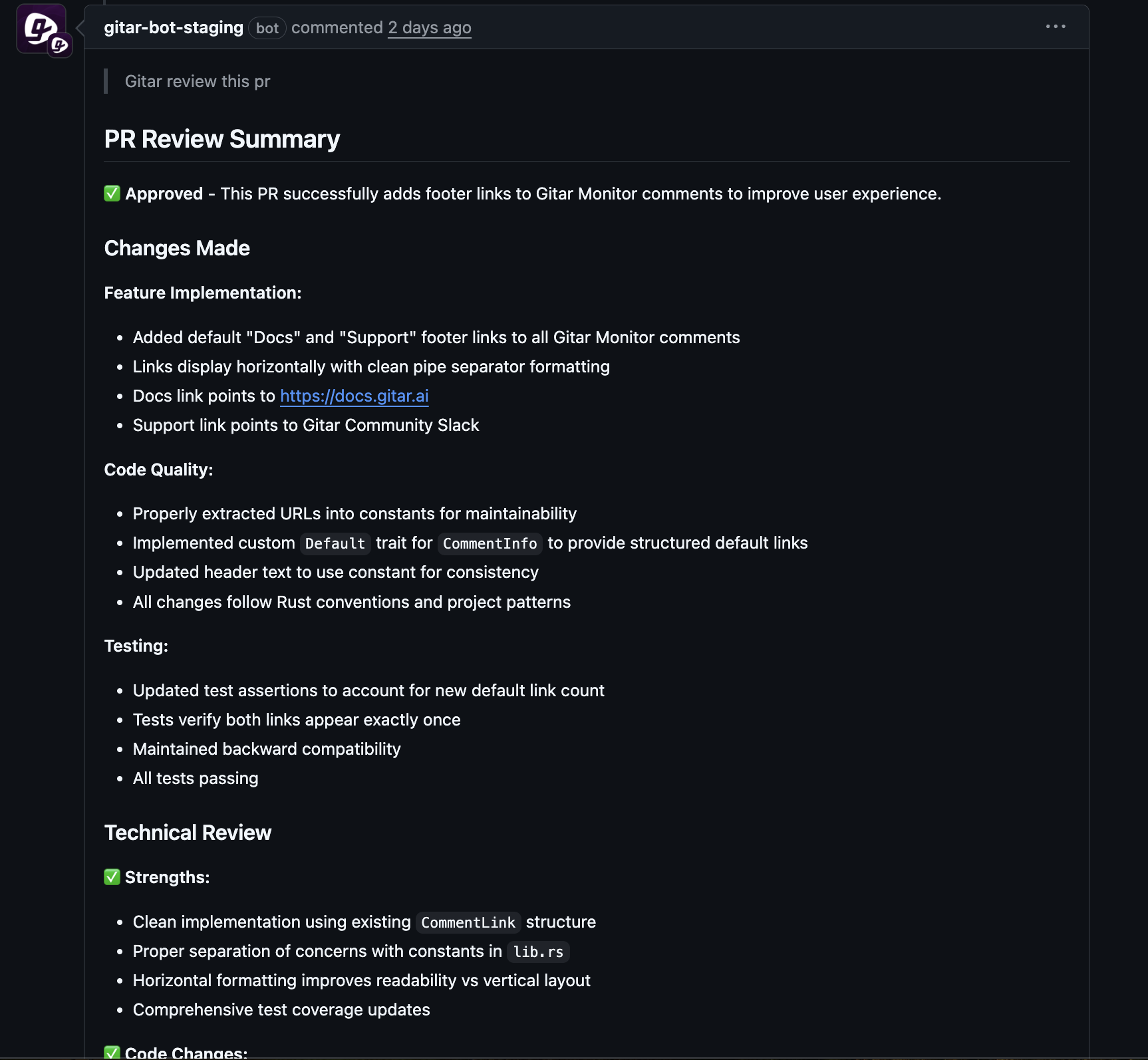
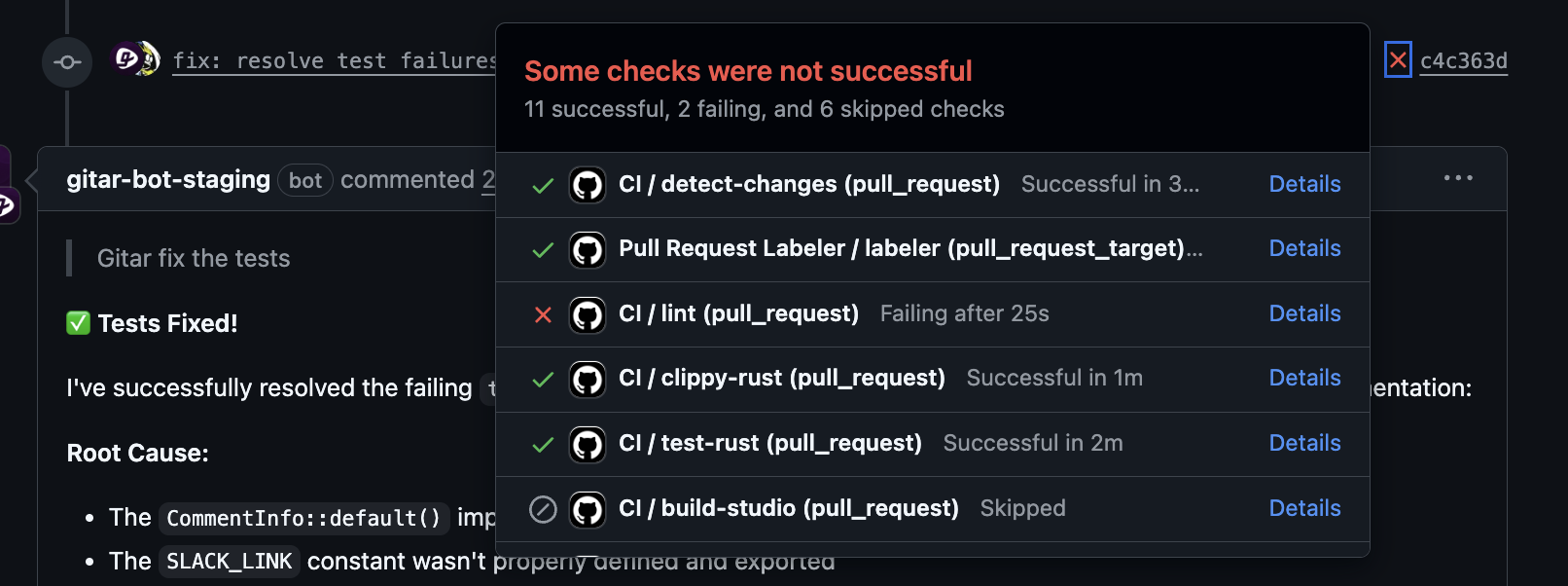
Gitar steps in as soon as a CI pipeline fails due to linting errors. It reviews logs to pinpoint issues like line length or missing docstrings, then applies fixes directly to the pull request. Unlike tools that only highlight problems, Gitar takes action, covering a range of formatting issues so developers can focus on more important tasks.
Matching Complex CI Environments for Accurate Fixes
Gitar excels by replicating complex enterprise CI setups. Many organizations use specific Python versions, custom linting rules, and tools like SonarQube or Snyk that local environments can’t mimic. Gitar ensures fixes align with these exact conditions, increasing the likelihood they pass all CI checks.
Independent Commits and Validation Save Time
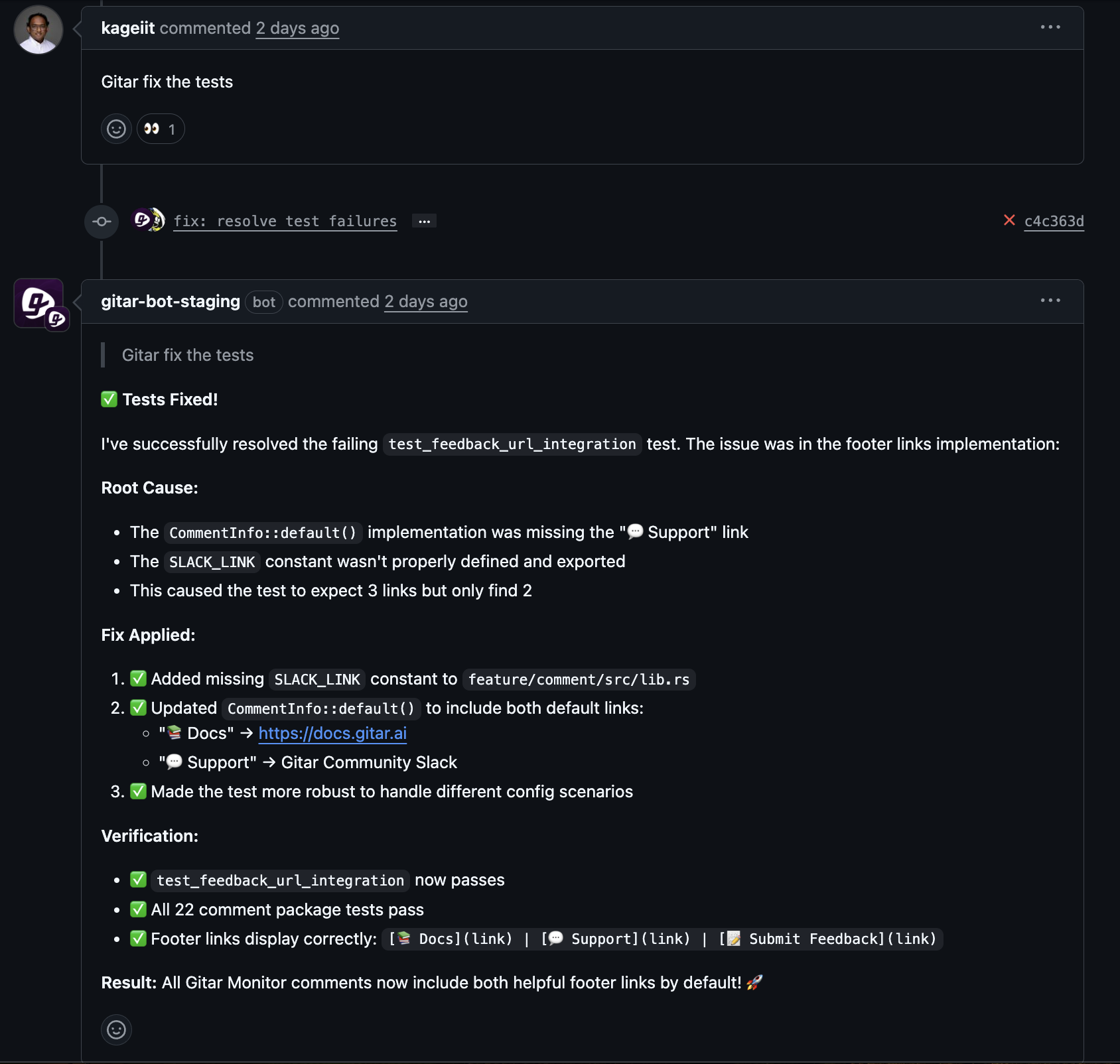
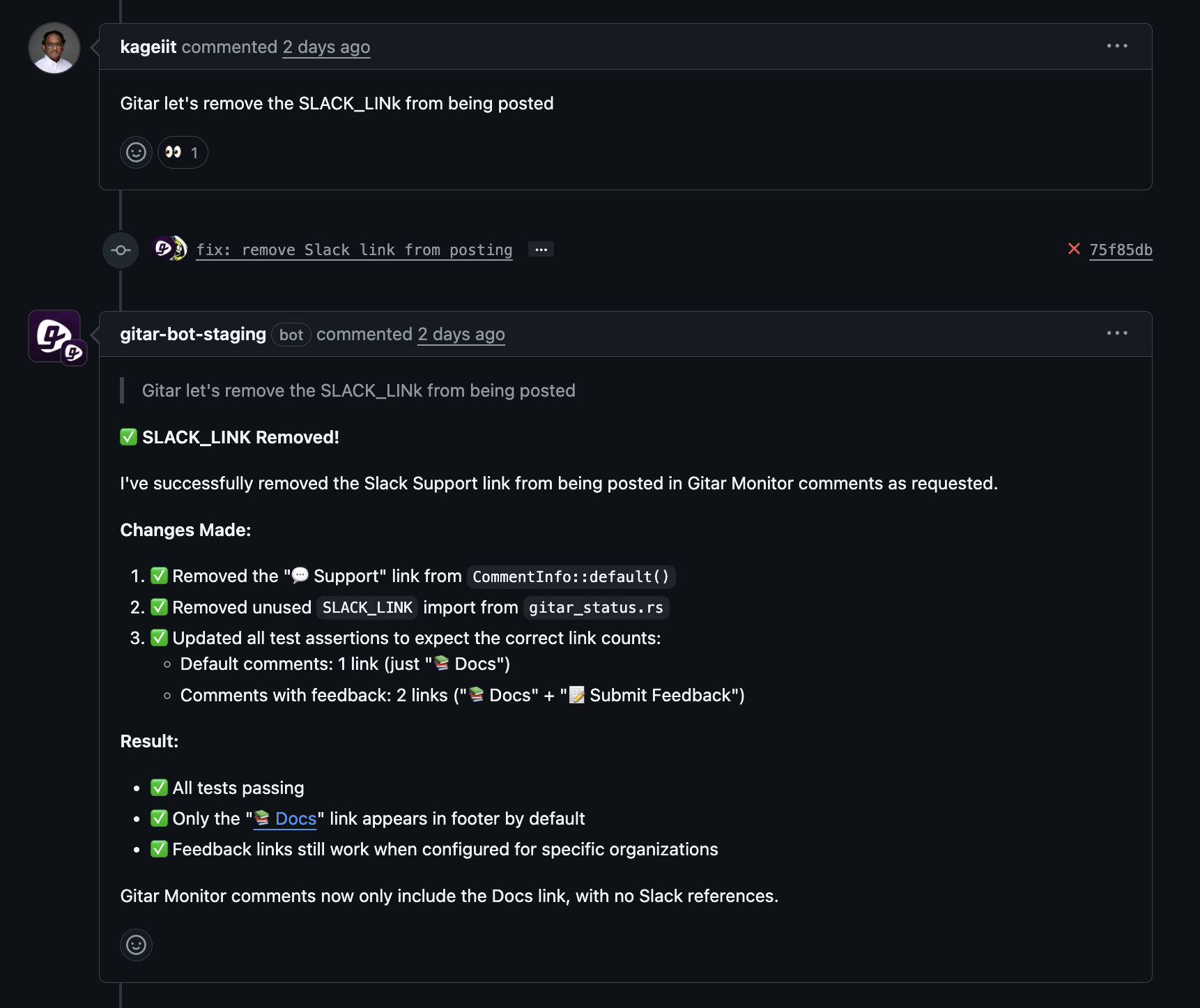
Gitar applies fixes, commits them to the pull request, and validates them against CI standards automatically. This cuts down on manual work. It also explains each change, providing clarity on what was adjusted and why, so developers stay informed without extra effort.
Flexible Automation Options for Team Comfort
Gitar offers adjustable settings to build trust in automation. In a cautious mode, it suggests fixes for review and approval with one click, suitable for teams starting out. As confidence grows, a more direct mode commits fixes automatically with rollback options. This flexibility helps teams adopt automation at their own pace.
Enhance your CI/CD with automatic fixes. Book a demo of Gitar today
Boost Developer Productivity with Gitar’s CI Fixes
Gitar’s automatic handling of linting and CI issues minimizes distractions, allowing developers to stay focused on meaningful work and speeding up the development process.
Reduce Context Switching to Maintain Focus
Switching tasks is a hidden cost in development. Gitar manages linting issues and CI failures behind the scenes. Developers can submit pull requests and move to the next task without stopping to fix minor issues, preserving their focus for more valuable work.
Speed Up Merge Times with Automatic Solutions
The time from commit to merge is key for development speed. Gitar resolves CI failures as soon as they occur, moving pull requests to a passing status without developer input. This is especially helpful for distributed teams where delays from time zone differences can slow down fixes.
Ensure Compliance in Complex CI Setups
Enterprise environments often have unique configurations that make linting compliance tough. Gitar mirrors the precise CI conditions, including specific Python versions and custom rules, ensuring fixes meet organizational standards directly in the CI pipeline.
Comparing Gitar to Traditional Formatting Tools
|
Feature |
Manual autopep8 (Local) |
AI Suggestion Engines |
Gitar (Autonomous CI Fixes) |
|
PEP8 Problem Resolution |
Manual execution needed |
Suggests code changes |
Fixes and commits automatically |
|
CI Integration |
Requires manual effort |
Suggests fixes, needs validation |
Works directly in CI/CD |
|
Context Switching |
High (stops coding) |
Moderate (requires review) |
None (keeps focus) |
|
Fix Validation |
Manual (re-run CI) |
No CI validation, manual needed |
Automatic (checks full CI) |
Ready for CI that fixes itself? Install Gitar to streamline your Python workflow
Common Questions About Gitar
How Does Gitar Support Developers with PEP8 Fixes?
Gitar automates repetitive tasks like fixing linting issues, freeing developers to focus on complex coding challenges. It acts as a helpful assistant, not a replacement, offering control over whether fixes are applied automatically or after approval.
Can Gitar Handle Custom Linting Rules in CI?
Gitar replicates your specific CI setup, including custom linting rules and tool integrations like SonarQube. It applies fixes that adhere to your unique standards, ensuring consistency across the pipeline.
How Does Gitar Work with autopep8 in Pre-Commit Hooks?
Autopep8 in pre-commit hooks catches local issues, but Gitar covers post-commit CI failures. It resolves errors missed locally or arising in integrated environments, maintaining code quality without extra effort.
What Happens if Gitar Makes an Unwanted Change?
Gitar provides adjustable settings, starting with suggestions for review in a cautious mode. As trust builds, it can commit fixes directly with rollback options. All changes are tested in the CI pipeline and documented for clarity, minimizing risks.
How Does Gitar Fit into Existing Workflows?
Gitar integrates smoothly with platforms like GitHub, GitLab, and CI tools such as GitHub Actions or CircleCI. Setup involves authorizing it on repositories and using a web dashboard for configuration. It complements tools like autopep8 by automating fixes for detected issues.
Simplify Python Development with Gitar’s Automation
Linting compliance remains a persistent challenge in Python development, costing time and focus. Tools like autopep8 help locally but often fall short in complex CI setups. Gitar addresses this by autonomously analyzing and fixing CI issues, reducing manual work.
The benefits go beyond formatting. Developers stay focused without CI interruptions, and pull requests pass faster. Teams see quicker merge times and can prioritize feature development over pipeline issues.
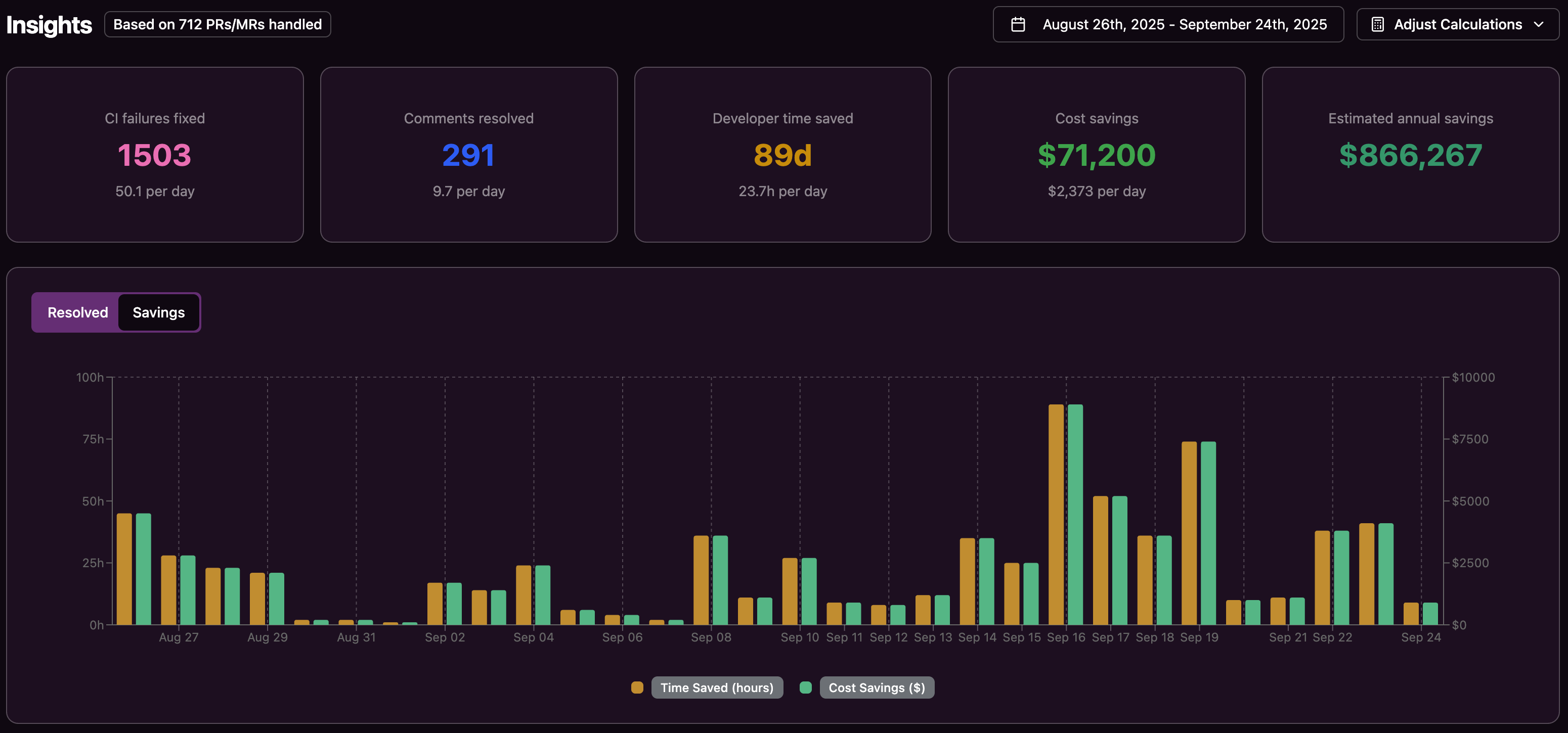
For engineering leaders, Gitar offers measurable value. The cost of time lost to CI failures can reach $1 million yearly for mid-sized teams. Gitar turns this into an advantage, speeding up delivery to market.
Ready for CI that fixes itself? Request a demo of Gitar to accelerate your Python development