
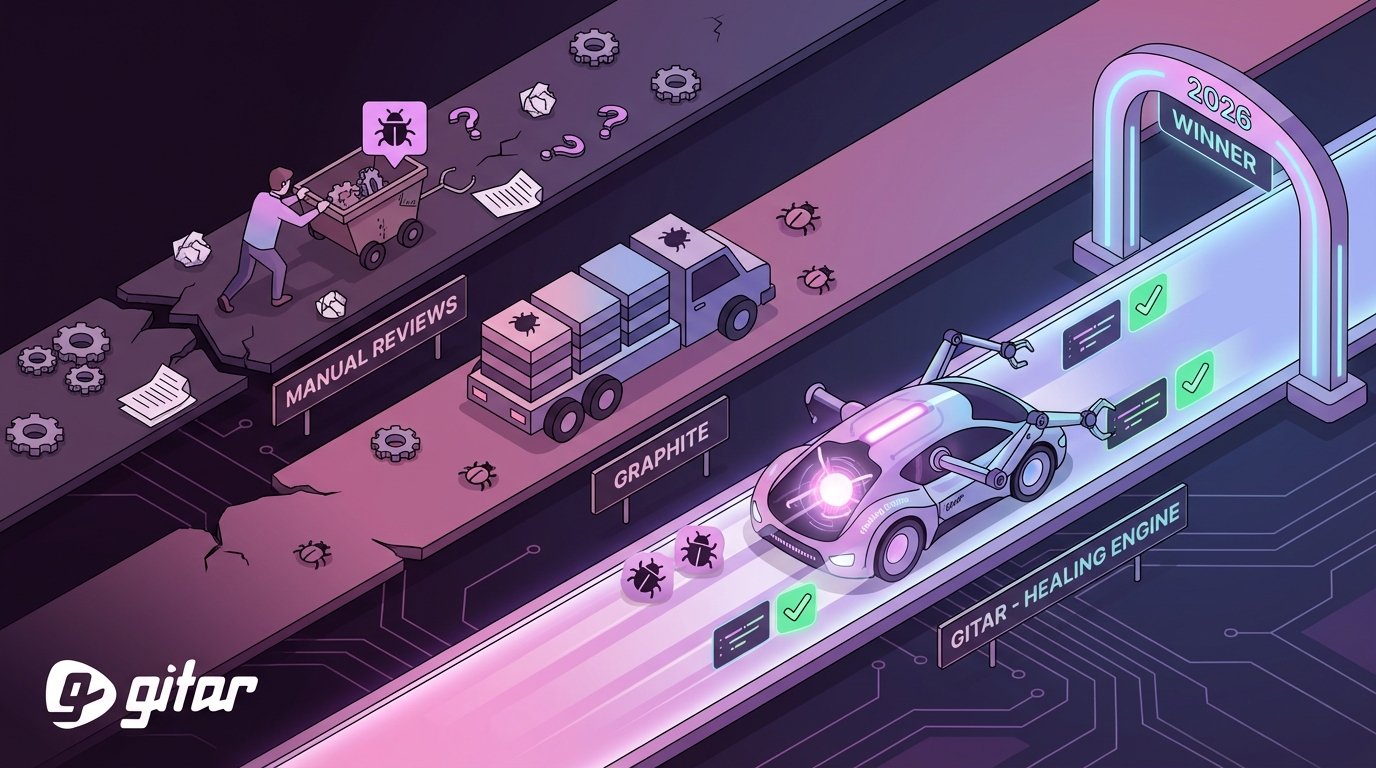
Last updated: January 23, 2026
Key Takeaways for 2026 Code Review Workflows
- AI-generated PRs face 4.6x longer review times and only 32.7% acceptance rates compared to manual PRs, slowing engineering teams.
- Graphite speeds up reviews with stacked PRs but lacks full auto-apply fixes, while manual reviews deliver depth but do not scale.
- Gitar offers free, comprehensive AI code reviews with PR analysis, security scanning, and bug detection for unlimited repositories.
- Gitar’s auto-apply fixes and CI integration keep builds green more reliably than Graphite’s one-click suggestions and manual workflows.
- Teams save over $750K annually in productivity; install Gitar today to remove Graphite vs manual code review bottlenecks.
How Graphite and Manual Reviews Handle Modern PR Volume
Graphite’s stacked pull requests improve workflow efficiency by breaking large changes into atomic PRs. The platform connects to GitHub for automatic PR analysis with specific comments and lets teams define standards in plain language for automatic enforcement. However, Graphite suffers from false positives, a steep learning curve for advanced customization, and slow performance caused by LLM context window limits.
Manual code reviews deliver deep contextual understanding and human logic validation. Reviewers catch nuanced business logic errors and architectural issues that many AI tools miss. The critical limitation appears in time allocation: engineers only spend 16% of their week writing code, and 88% report that switching between tools hurts productivity.
|
Capability |
Graphite |
Manual |
Winner |
|
Review Speed |
100x faster for routine checks |
Hours per PR, unscalable |
Graphite |
|
Fix Implementation |
One-click improvements |
Human logic fixes |
Manual |
|
Scalability |
Stacked PRs help volume |
Bottlenecks at 50+ PRs/day |
Graphite |
|
Cost per Developer |
$15-30/month |
Payroll overhead |
Manual |
This workflow comparison highlights fundamental trade-offs. Graphite’s stacked PRs support parallel development and faster iteration cycles, but teams still need to implement suggested fixes manually. Manual reviews provide thorough validation but create bottlenecks when 41% of commits are AI-assisted and review processes cannot keep up with the increased volume.
Why Gitar Beats Graphite and Manual Reviews in One Platform
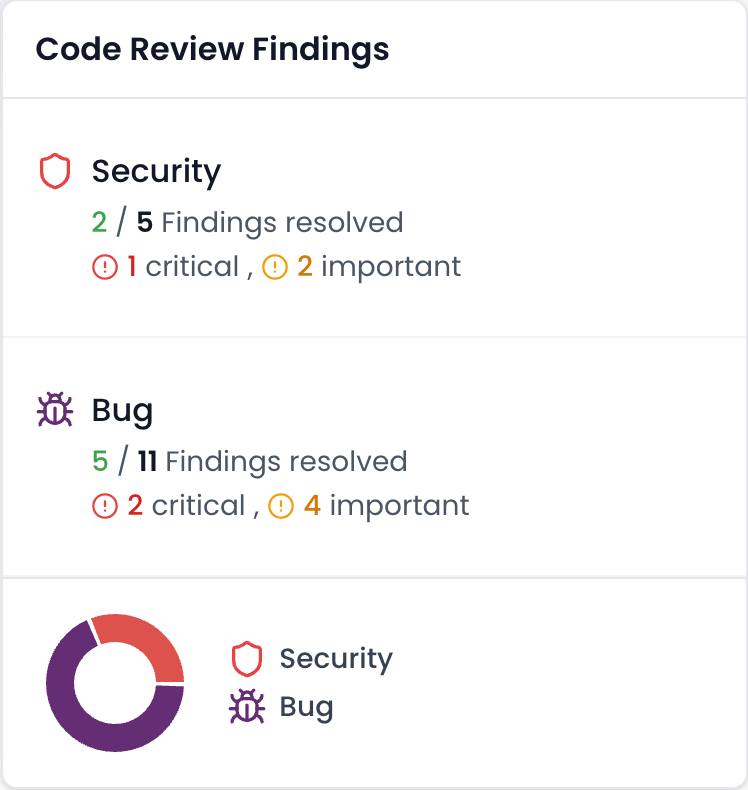
Gitar removes the false choice between Graphite’s speed and manual review depth by delivering free, comprehensive code review. Competing tools charge $15-30 per seat for suggestion-based reviews, while Gitar’s core review features stay free. Teams get full PR analysis, security scanning, bug detection, and performance review at no cost for unlimited repositories. Auto-apply fixes come with a 14-day free trial and deliver validated changes that keep builds green.
|
Capability |
Graphite |
Manual |
Gitar |
|
PR Summaries |
Yes (paid) |
No |
Yes (free) |
|
Auto-Apply Fixes |
One-click apply |
Manual implementation |
Yes (14-day free trial) |
|
CI Failure Auto-Fix |
Stacking-integrated CI |
No CI integration |
Yes (guarantees green builds) |
|
Pricing |
$15-30/seat |
Free (time cost) |
$0 core features |
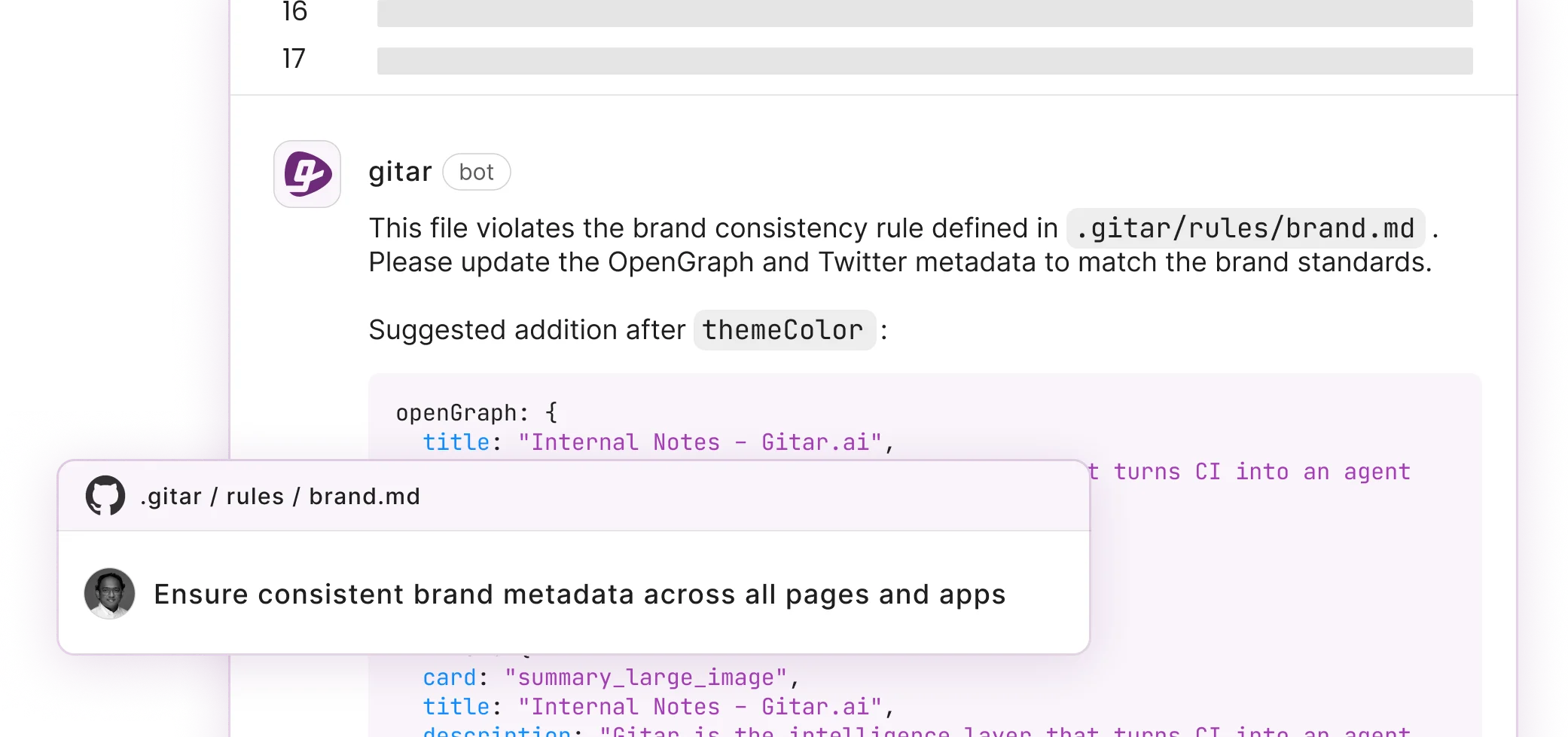
Gitar’s advantages go beyond direct cost savings. The platform uses a single updating comment instead of notification spam, which reduces cognitive load for reviewers. Natural language rules drive workflow automation without complex YAML configuration. Deep integrations with GitHub, GitLab, CircleCI, Jira, and Slack keep context flowing inside the tools teams already use.
How Gitar Solves Real-World Graphite and Manual Review Pain
Small engineering teams feel immediate relief from the 91% increase in PR review times. Manual reviews that once consumed hours each day shrink to roughly 15 minutes of CI and review overhead per developer with Gitar. Automation handles lint errors, test failures, and broken builds before developers even notice problems.
Enterprise teams that manage more than 50 million lines of code benefit from Gitar’s scalable architecture. Graphite can experience performance issues in large repositories and complex PRs. Gitar maintains consistent performance across thousands of daily PRs through purpose-built infrastructure.
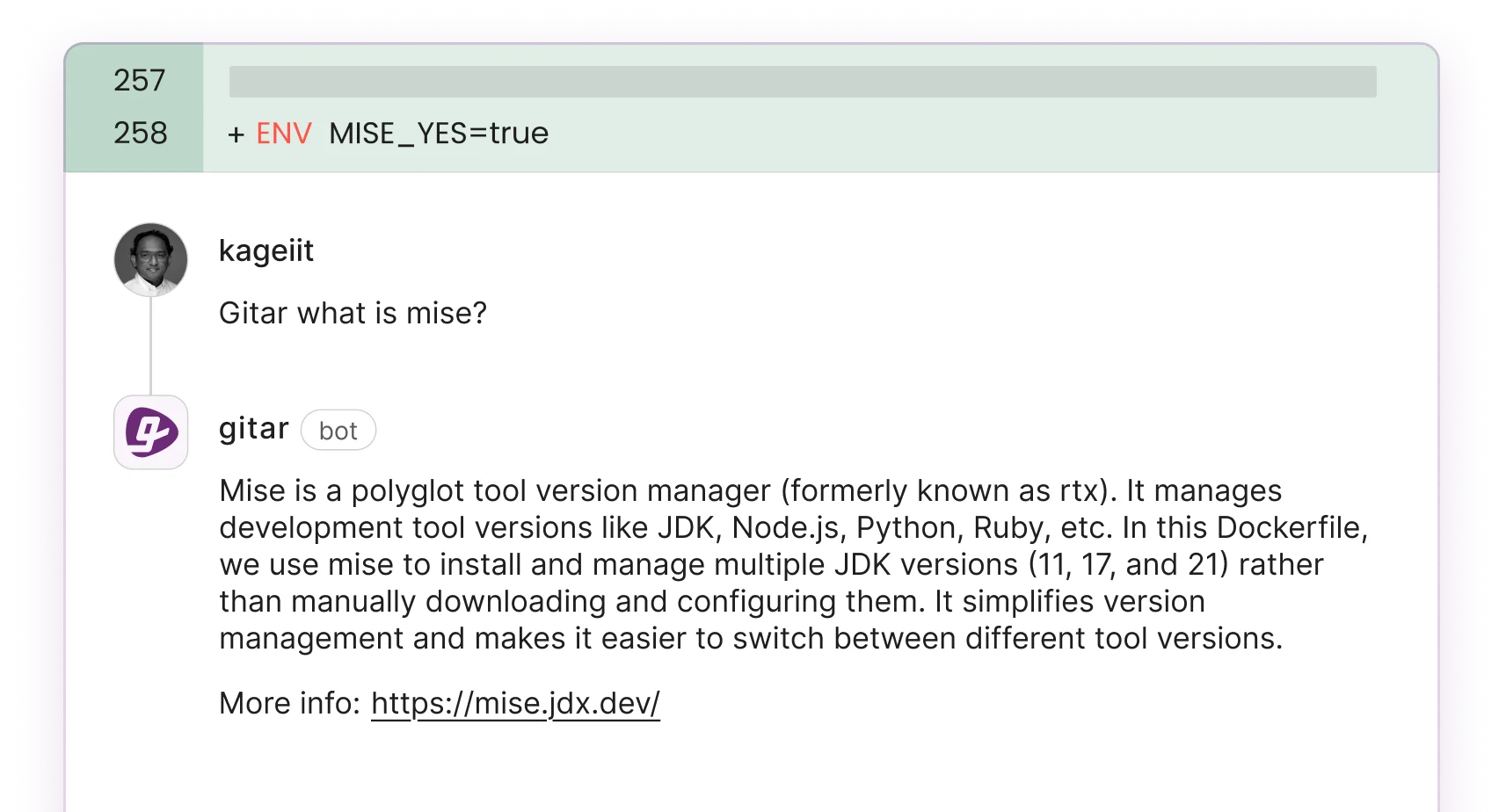
DevOps engineers gain particular value from Gitar’s CI healing capabilities. Traditional tools still require manual debugging of flaky tests and infrastructure issues. Gitar analyzes failure logs, identifies root causes, generates validated fixes, and commits solutions. This turns reactive debugging into a proactive, automated resolution loop.
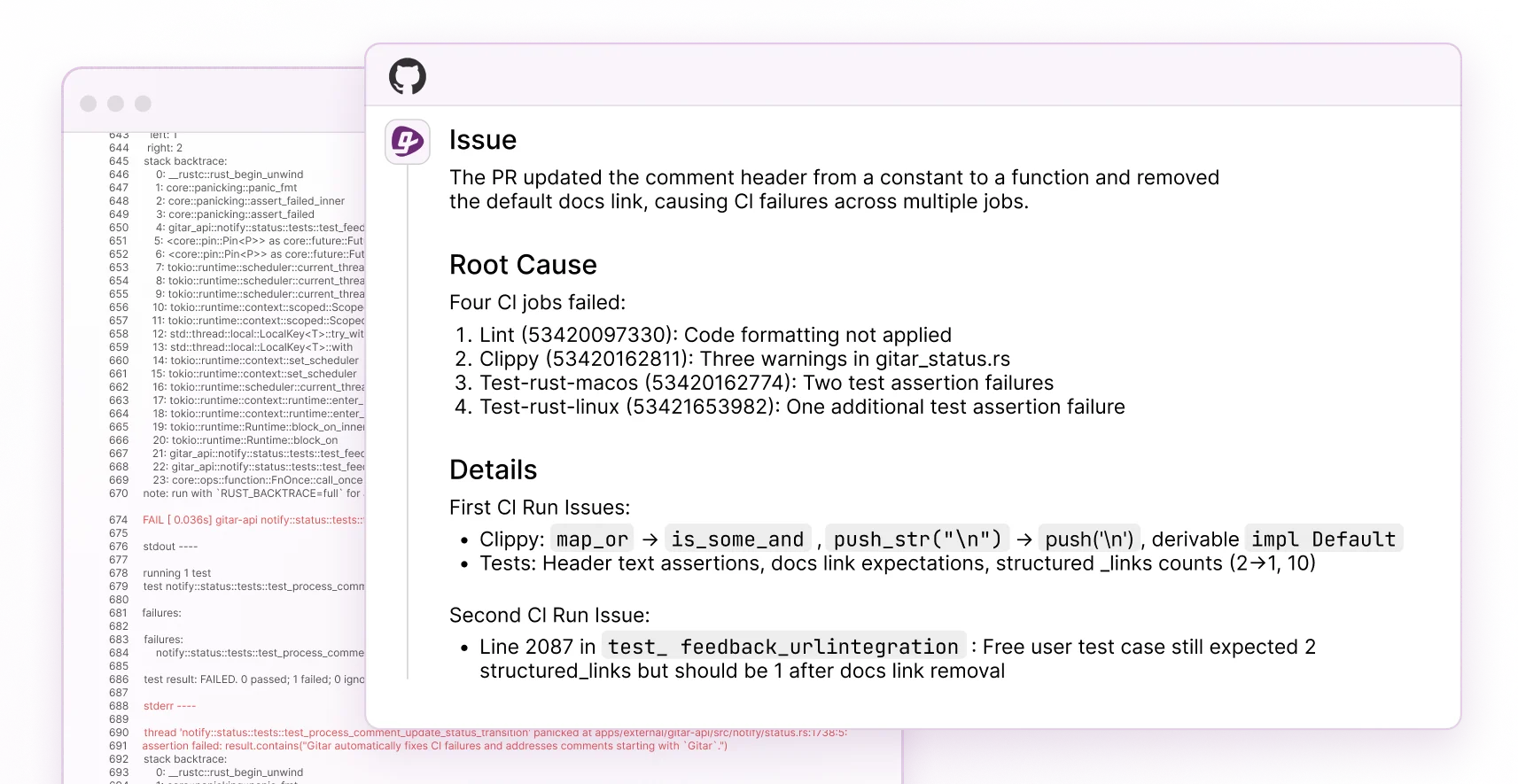
ROI calculations show clear economics. A 20-developer team that spends one hour daily on CI and review issues incurs roughly $1 million in annual productivity costs. Gitar cuts this to about 15 minutes per day, saving $750,000 annually while also removing tool subscription fees.
Choosing Between Graphite, Manual Reviews, and Gitar
Team priorities drive the right choice. Cost-conscious and velocity-focused teams gain the most from Gitar’s free core features. Teams that rely heavily on stacked PR workflows may still consider Graphite for that specific pattern. Organizations that demand maximum human control over every change can keep manual reviews and accept the scalability limits. Gitar’s validated auto-fixes, available through a 14-day trial, bridge the gap between speed and depth.
|
Team Priority |
Recommendation |
Key Benefit |
|
Cost + Velocity |
Gitar |
Free core features |
|
Stacked PR Focus |
Graphite |
Workflow optimization |
|
Maximum Control |
Manual + Gitar assist |
Human oversight |
The common hybrid approach myth suggests that combining multiple tools always produces the strongest results. Gitar removes this complexity by bridging speed and depth through validated CI healing. The platform automatically fixes issues while maintaining quality standards through comprehensive testing integration.
Frequently Asked Questions
Are AI code reviews worth it in practice?
AI code reviews deliver strong value when teams implement them correctly. Graphite provides up to 100x speed improvements for routine checks, yet 66% of developers report frustration with AI solutions that are almost right but still require debugging time. Auto-fix capability creates the real difference. Gitar’s healing engine validates fixes against CI before applying them, so suggestions work in practice instead of creating extra debugging work.
How can teams reduce code review costs?
Teams reduce review costs by switching to free alternatives that deliver stronger functionality. Engineering groups that pay $15-30 per developer each month for suggestion-only tools like CodeRabbit or Greptile can remove those expenses with Gitar’s free core features. For a 20-developer team, this change represents $3,600-7,200 in annual savings, plus productivity gains from auto-fix capabilities that competitors do not offer.
How do Graphite and Gitar compare for stacked PR workflows?
Gitar provides free AI code review with CI integration and auto-fix capabilities, available through a 14-day trial, that complement stacked PR workflows. The healing engine automatically resolves CI failures and addresses review feedback, which reduces the need for manual intervention. The cost advantage remains clear because Gitar’s core review stays free while Graphite requires subscription pricing.
Can Gitar fully replace manual reviews?
Gitar augments human judgment instead of fully replacing it, using configurable trust levels for different fix types. The platform catches about 75% of logic bugs in AI-generated code while still allowing teams to keep human oversight for critical changes. Teams can begin in suggestion mode, build confidence through validated fixes, then enable auto-commit for trusted scenarios such as lint errors and test failures.
How does Gitar handle security and compliance?
Gitar maintains SOC 2 Type II certification and supports deployment options that keep code inside your infrastructure. The enterprise tier runs agents inside your CI pipeline with full access to configs and secrets while ensuring no code leaves your environment. This approach addresses security concerns and still provides maximum context for accurate fixes.
Conclusion: Choose Gitar Over Graphite and Manual-Only Reviews
The Graphite vs manual code reviews debate overlooks a core issue, because both approaches leave teams managing AI coding bottlenecks without a complete solution. Graphite delivers speed through stacked PRs but still depends on one-click improvements that require manual follow-up. Manual reviews provide depth but cannot scale to handle modern AI-generated PR volumes.
Gitar resolves this false choice by offering free code review with automatic fix validation and CI healing. Teams gain Graphite-style workflow efficiency and manual review depth through validated auto-fixes that keep builds green. The platform removes subscription costs while delivering broader functionality.
Implementation follows a simple trust-building framework. Teams install Gitar’s GitHub or GitLab integration, observe validated fixes in suggestion mode, then enable automation for trusted scenarios. The single updating comment approach reduces notification noise, and broad integrations keep context flowing across the development stack.