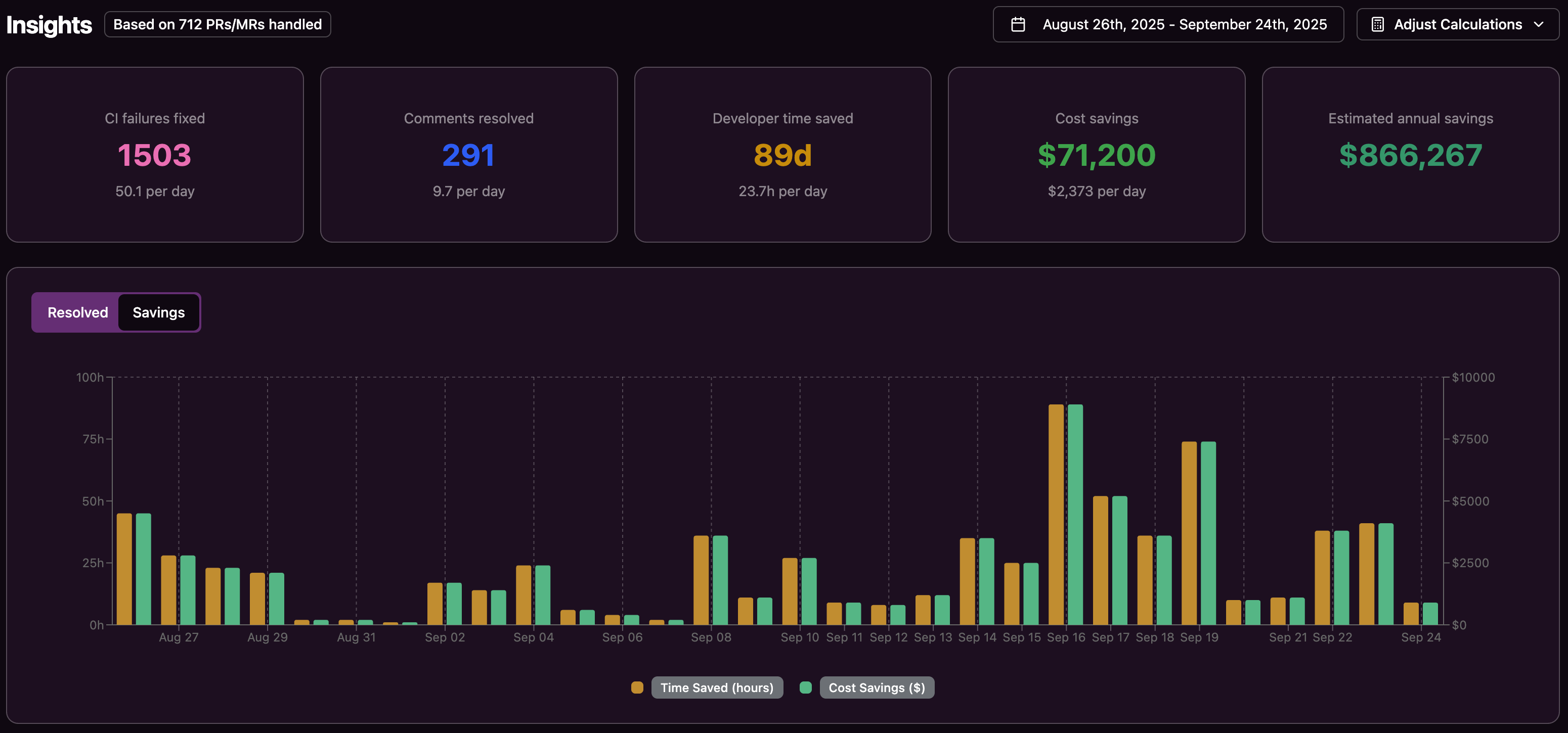
Automated notifications for build failures help teams spot issues quickly, but they don’t solve the deeper problem. Developers still spend hours on manual debugging and repetitive fixes, losing up to 30% of their time to these disruptions. Autonomous CI fixes offer a better way by not only detecting failures but also resolving them, keeping developers focused and ensuring builds stay green without extra effort.
How CI Build Failures Disrupt Developer Focus and Delay Projects
Context Switching Drains Productivity
CI build failures often pull developers out of their focus. A quick fix that should take 5 minutes can stretch into an hour as you decipher logs, adjust code, recommit, and wait for the pipeline to rerun. This constant interruption, known as context switching, can take up to 23 minutes to recover from each time, turning a brief fix into a major productivity loss.
For a team of 20 developers, this downtime adds up fast. The cost of lost focus and debugging time can reach around $1 million annually, based on typical salaries and time spent on CI issues. These interruptions don’t just slow down individuals; they stall entire projects and hurt team progress.
Notifications Alone Can’t Fix the Issue
Automated alerts play a key role in spotting build failures early, as they reduce downtime by notifying teams of issues right away. However, they stop at identification. Developers must still investigate, diagnose, and fix the problems manually.
Common CI failures include:
- Unreliable tests, such as flaky tests or outdated snapshots.
- Inconsistent dependencies causing unexpected errors.
- Environment mismatches, often from misconfigured scripts or incompatible tool versions.
- Deployment issues tied to incorrect environment variables or missing credentials.
- Poor test cases or neglected non-functional tests, which slow down pipeline efficiency.
- Version control and dependency conflicts, critical for preventing CI/CD pipeline breakdowns.
Even with timely alerts, the manual work of fixing these issues keeps disrupting workflows and delaying results.
Broader Impacts on Teams and Timelines
CI failures affect more than just individual developers. For engineering leaders, the financial toll is significant. A 20-person team can lose around $1 million yearly to debugging and context switching, based on salary and time data. Delays in project delivery also slow time-to-market, costing even more in revenue and market edge.
Inefficient CI/CD setups worsen these problems, creating bottlenecks as poor pipeline implementation drags on progress. With AI coding tools generating more pull requests and failure points, issues multiply. Add in monolithic pipelines that trigger cascading failures, and scaling becomes a challenge. Developer frustration from repetitive tasks also risks burnout, affecting morale and retention.
Discover Autonomous CI Fixes: Moving Beyond Alerts
Self-Healing CI Keeps Workflows Smooth
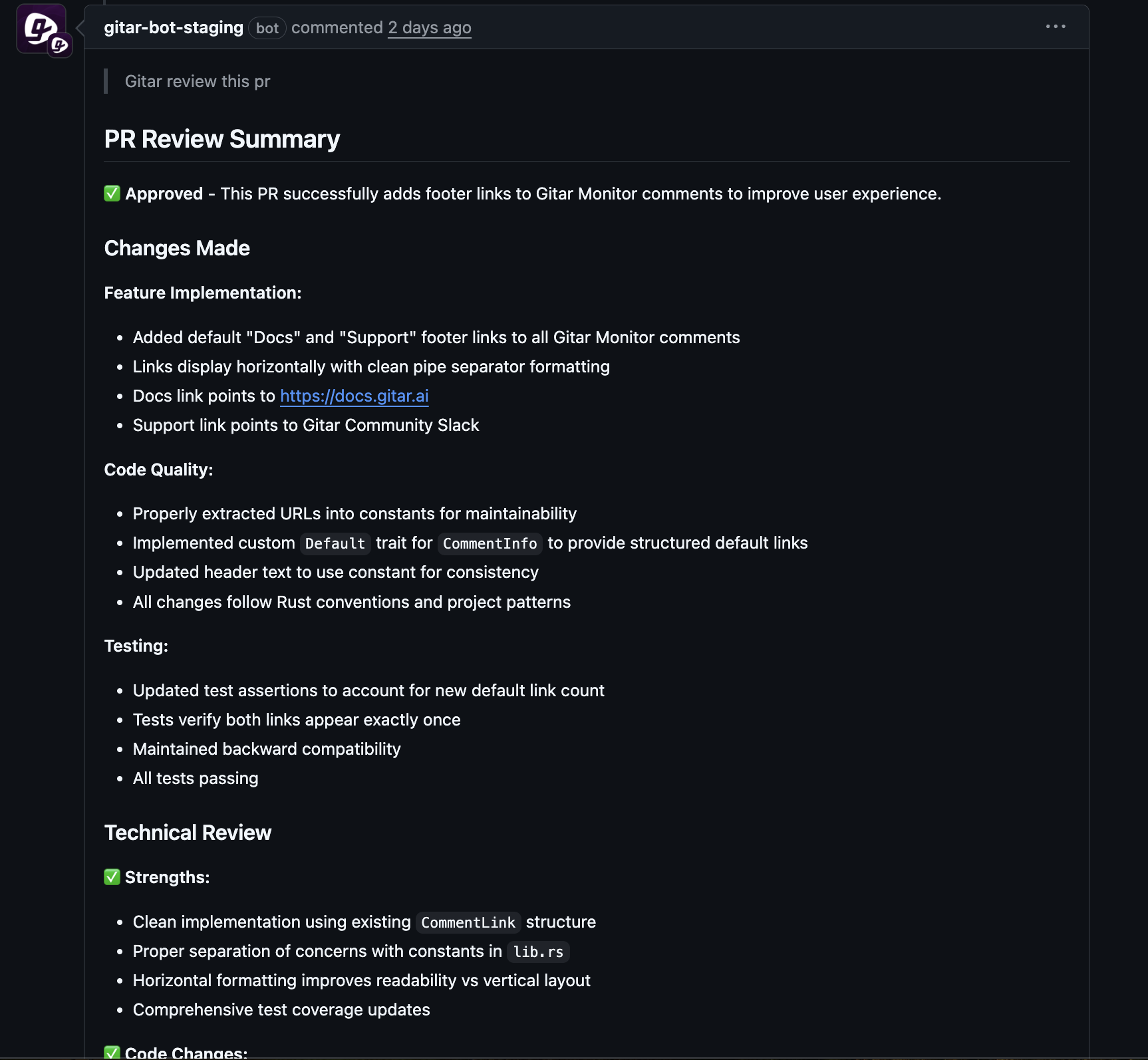
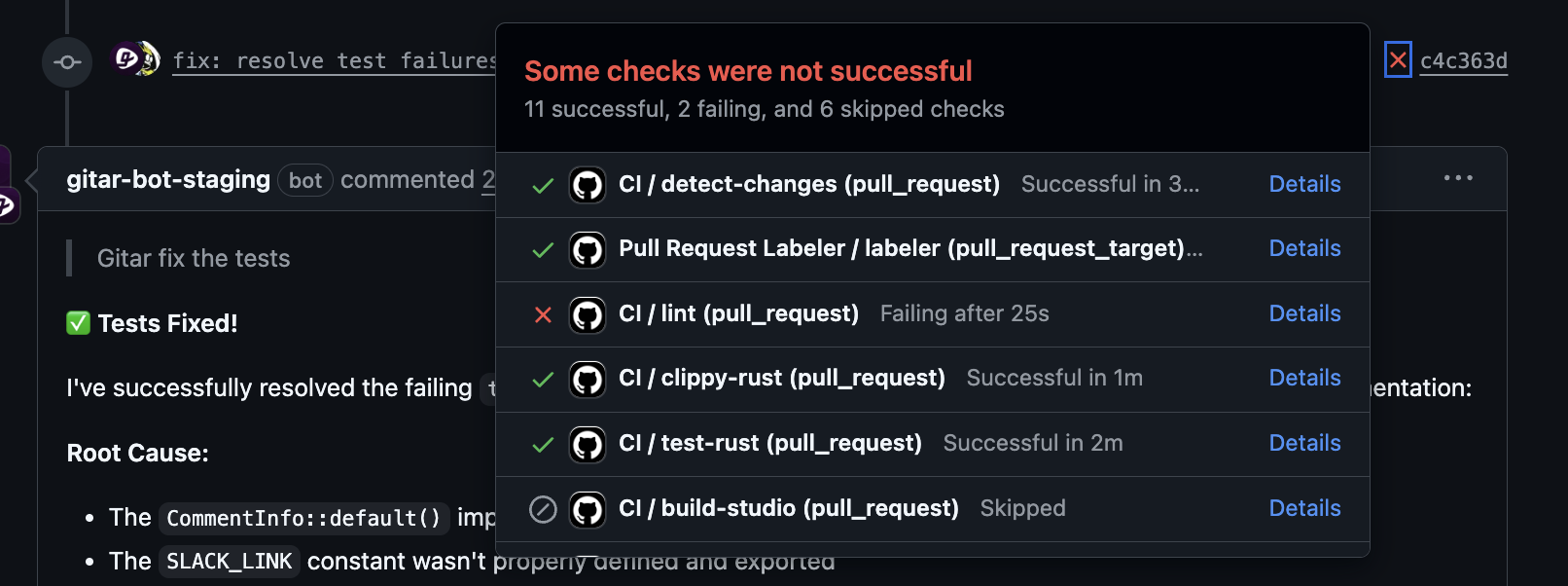
Autonomous CI fixes advance past notifications by actively solving problems. Instead of just flagging a failed linting check, these systems analyze the issue, apply a fix, test it against the full pipeline, and confirm everything passes. Developers stay focused on their tasks while the system handles the grunt work.
This concept of self-healing CI shifts the developer role from fixing errors to building features. It creates an environment where pipeline issues are managed invisibly, letting teams prioritize coding over maintenance. Velocity increases without sacrificing code quality.

Key Benefits of Autonomous Fixes for Developers
Autonomous CI tools tackle specific pain points in development. They preserve focus by handling failures in the background, so there’s no need to stop and debug. Repetitive tasks like fixing lint errors or updating dependencies get automated, freeing up time for creative work.
These solutions also speed up pull request merges by ensuring builds pass quickly. Faster merges lead to tighter feedback loops and fewer conflicts. Overall, they reduce stress from constant CI issues, boosting team morale and productivity.
What Sets Autonomous CI Solutions Apart
Healing Builds Instead of Just Suggesting Fixes
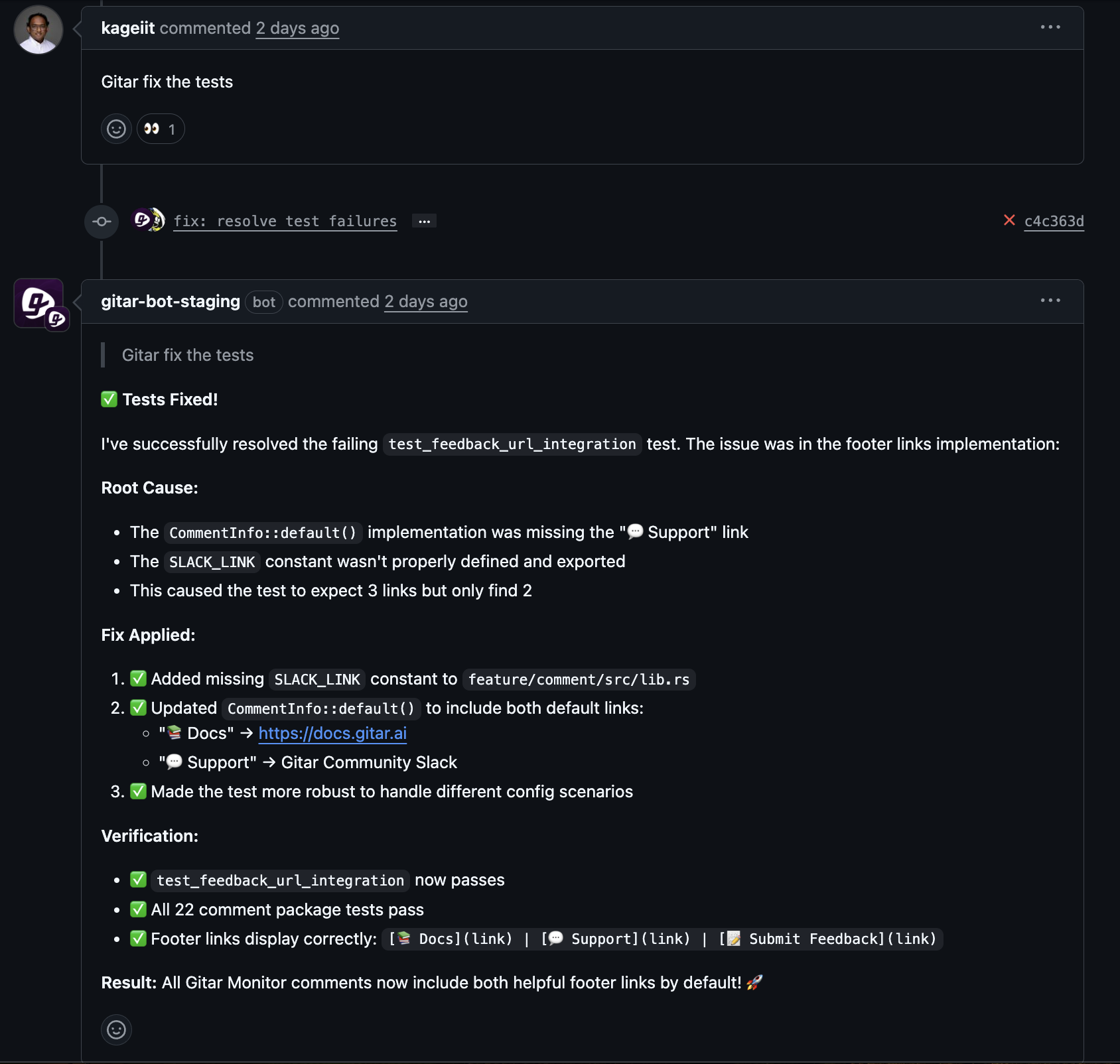
Unlike many AI tools that only suggest fixes for manual application, autonomous CI solutions take full action. They apply corrections, test them across the entire pipeline, and aim for a passing build. This cuts out extra validation steps, saving developers time and effort.
By focusing on complete resolution rather than partial assistance, these tools build confidence in the fixes. Developers spend less time double-checking and more time coding.
Essential Features of Autonomous CI Tools
These solutions offer practical capabilities for modern teams:
- Complete resolution by applying fixes and validating them across all CI jobs for a green build.
- Compatibility with diverse tech stacks to handle complex environments.
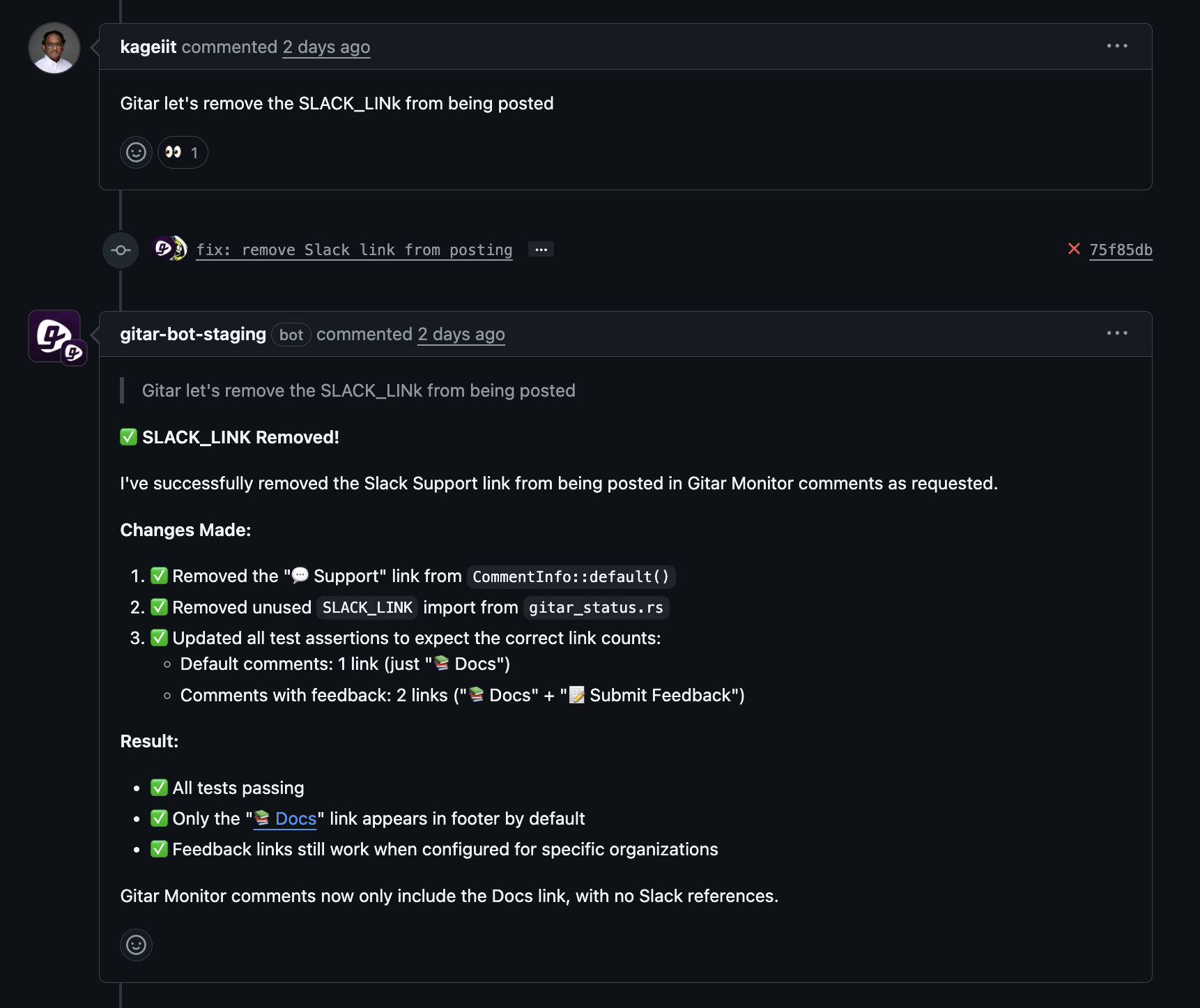
- Flexible trust settings, from suggestions needing approval to automatic fixes with rollback options.
- Integration with popular CI platforms for easy adoption.
- Support for code reviews by acting on feedback and explaining changes clearly.
Speed Up Delivery and Improve Developer Experience with Autonomy
Maintain Focus Without Interruptions
Autonomous CI tools help developers stay in their zone by managing failures behind the scenes. This uninterrupted focus not only boosts individual output but also enhances job satisfaction and reduces daily stress.
Simplify Reviews for Global Teams
For distributed teams, delays in code reviews across time zones slow progress. Autonomous tools address feedback asynchronously, keeping momentum strong and improving collaboration for remote or global setups.
Boost Pipeline Reliability and Cut Costs
Autonomous fixes help DevOps teams keep builds consistent, reducing pipeline reruns and related expenses. They support complex setups with varied dependencies, which is key for enterprise environments. Knowing the difference between CI and CD helps optimize both processes. These tools also ease onboarding, letting new developers contribute faster without struggling through intricate CI/CD setups.
How Autonomous Tools Compare to Other Methods
|
Feature / Solution |
Manual Debugging |
AI Code Reviewers |
On-Demand AI Fixers |
Autonomous CI Fixer |
|
Fixes Builds Autonomously |
No |
No |
No |
Yes |
|
Eliminates Context Switching |
No |
Partially |
Partially |
Yes |
|
Validates Fixes Against Full CI |
Manual |
No |
No |
Yes |
|
Supports Complex Enterprise CI |
Manual |
Limited |
Limited |
Yes |
|
Addresses Code Review Feedback |
Manual |
No |
No |
Yes |
|
Reduces CI Cost |
No |
Indirectly |
No |
Yes |
Common Questions About Autonomous CI Fixes
How Do These Differ from AI Reviewers Like CodeRabbit?
AI reviewers like CodeRabbit offer helpful suggestions, but developers must still apply and validate fixes manually. Autonomous CI tools go further by implementing solutions, testing them across the full pipeline, and aiming for a passing build, skipping the extra manual steps.
Can We Trust Automated Fixes in Complex CI Setups?
These tools are built for intricate enterprise environments, tailoring fixes to specific setups and dependencies. Many include adjustable trust settings, starting with suggestions for review before progressing to automatic fixes, helping teams build confidence over time.
How Do They Handle Security or Configuration Issues?
Autonomous tools analyze CI logs to pinpoint failures, including security or setup problems, and apply relevant fixes. Trust settings let teams approve sensitive changes while automating routine ones, balancing control with efficiency.
Do They Fix Flaky Tests and Dependency Issues?
Yes, many focus on resolving flaky tests and dependency conflicts by analyzing logs and making necessary code or configuration adjustments. This stabilizes builds and cuts down on recurring failures.
What If a Fix Fails or Causes New Issues?
These solutions often test fixes against the full CI setup before applying them, reducing error risks. If issues occur, rollback options and detailed change logs provide transparency and control, ensuring teams can revert changes easily.
Why Autonomous CI Is the Future of Development
Manual debugging and constant interruptions from CI failures slow down modern software development. Notifications help identify problems but leave the fixing to developers. This costs teams millions yearly in lost time, delays projects, and frustrates talent, especially as AI coding tools increase pull requests and potential failures.
Autonomous CI fixes address this by resolving issues directly, protecting developer focus, and speeding up delivery. With support for complex setups, adjustable trust options, and wide platform compatibility, they eliminate unnecessary disruptions. Ready to ship code faster with less hassle? Explore how autonomous solutions can help at Gitar.ai.