
AI tools promise to streamline coding, but not all handle broken CI builds or post-commit errors equally well. This article compares AWS CodeWhisperer, which focuses on suggesting fixes, with Gitar, an AI that autonomously applies and validates solutions for guaranteed green builds. Let’s dive into which tool better supports a self-healing CI process in today’s fast-paced development world.
Why Broken Builds Hurt: The Need for More Than Suggestions
Broken builds disrupt every team. You push a pull request, expecting smooth results, only to face failures from missing dependencies, flaky tests, or minor style issues. Then comes the grind: sifting through unclear logs, switching back to your local setup, making small tweaks, committing, pushing, and waiting for the pipeline to rerun.
This cycle wastes time and kills focus. For a team of 20 developers, spending just one hour daily on CI failures or code review feedback can add up to $1 million in lost productivity each year. The constant interruption from a failed build or feedback pulls you away from deep work, often turning a quick fix into an hour of lost momentum.
While tools like GitHub Copilot help with code writing, the real challenge now lies in validating and merging code efficiently. This highlights the critical difference between pre-commit suggestions and post-commit autonomous fixes for boosting productivity.
Install Gitar to fix broken builds automatically and ship quality software faster.
Comparing Approaches: CodeWhisperer and Gitar in Action
CodeWhisperer: Pre-Commit Code Suggestions
CodeWhisperer from AWS offers real-time code suggestions and security checks within IDEs like VS Code and JetBrains. It helps during the coding phase by spotting potential issues and suggesting fixes before you commit, which is especially useful for teams using AWS services.
However, its scope stays limited to pre-commit support. It doesn’t connect directly with CI pipelines to analyze logs or address failures, so developers must still manually apply and test most fixes. This leaves unresolved friction in the process.
Gitar: Autonomous Fixes After Commit
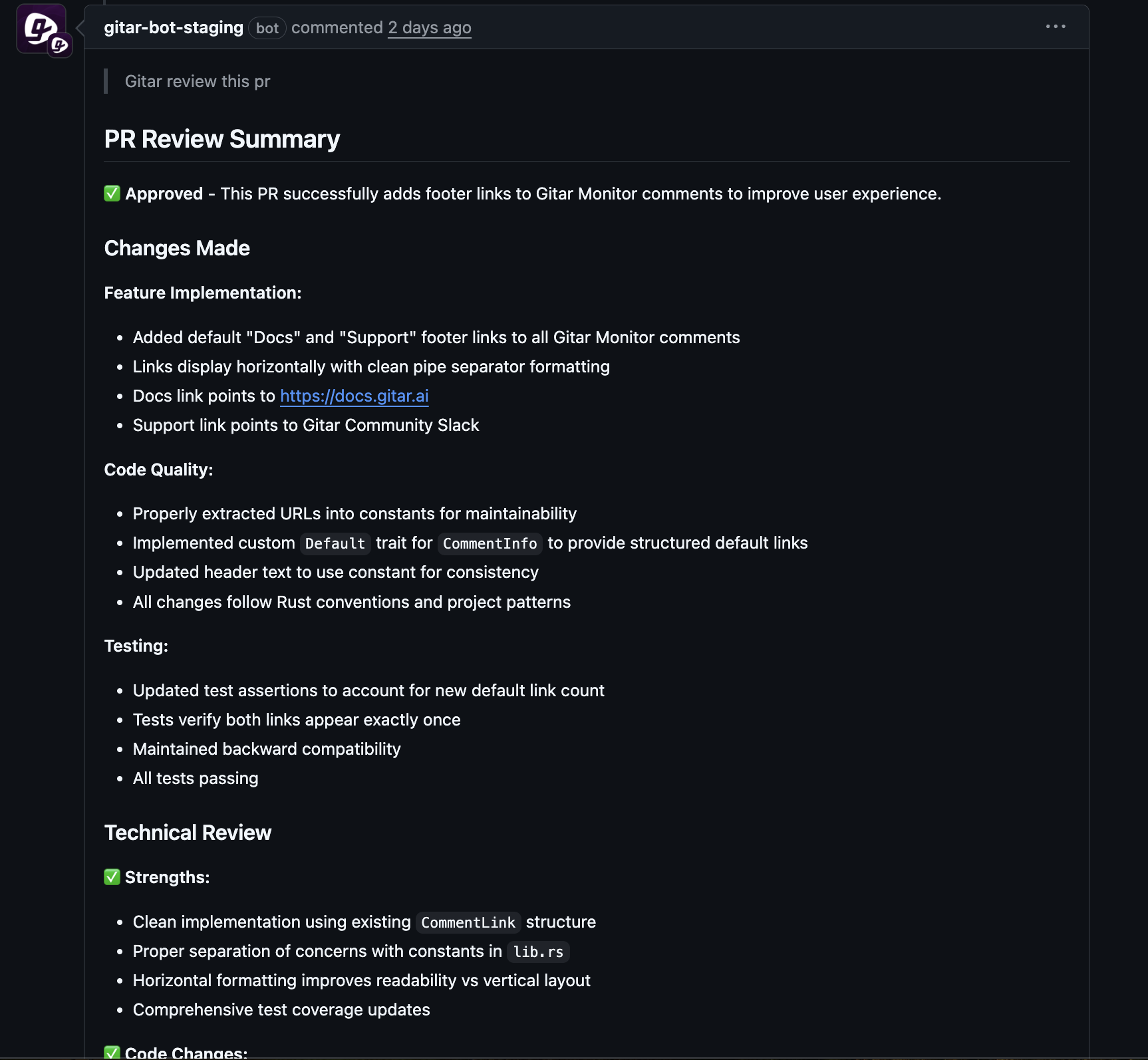
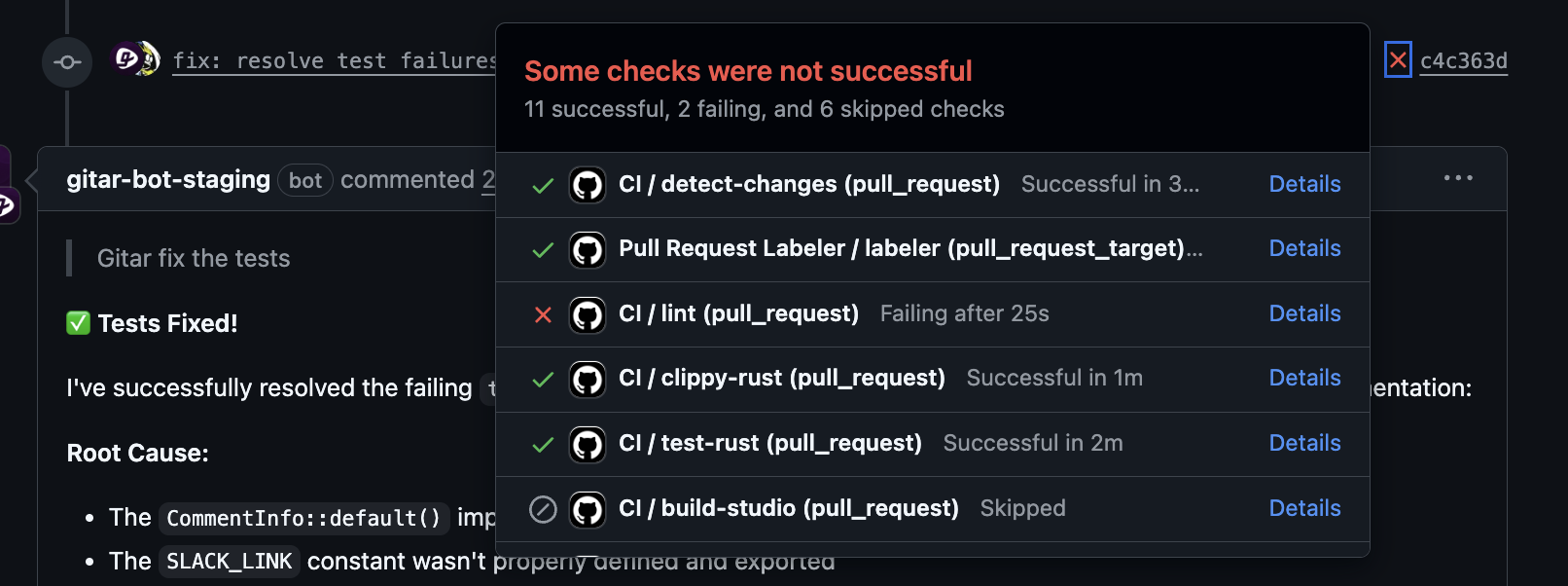
Gitar takes a different path by focusing on post-commit issues as an automated CI healing tool. Instead of just suggesting changes, it detects CI failures or code review comments, crafts the necessary code adjustments, applies them, confirms they work in the full CI setup, and updates the pull request.

This hands-off approach minimizes disruption, letting developers stay focused while Gitar handles blockers. Teams save significant time on CI debugging and speed up their delivery of merged code.
Head-to-Head: Handling CI Errors
CodeWhisperer’s Strength: IDE-Based Suggestions
CodeWhisperer shines in IDE integration, offering code suggestions and security scans during development. It supports tasks like writing CloudFormation templates and fits well for AWS-focused teams. Yet, it lacks direct CI pipeline interaction, so developers often need to manually handle runtime errors or validate fixes, adding extra steps to the process.
Gitar’s Edge: Full CI Pipeline Healing
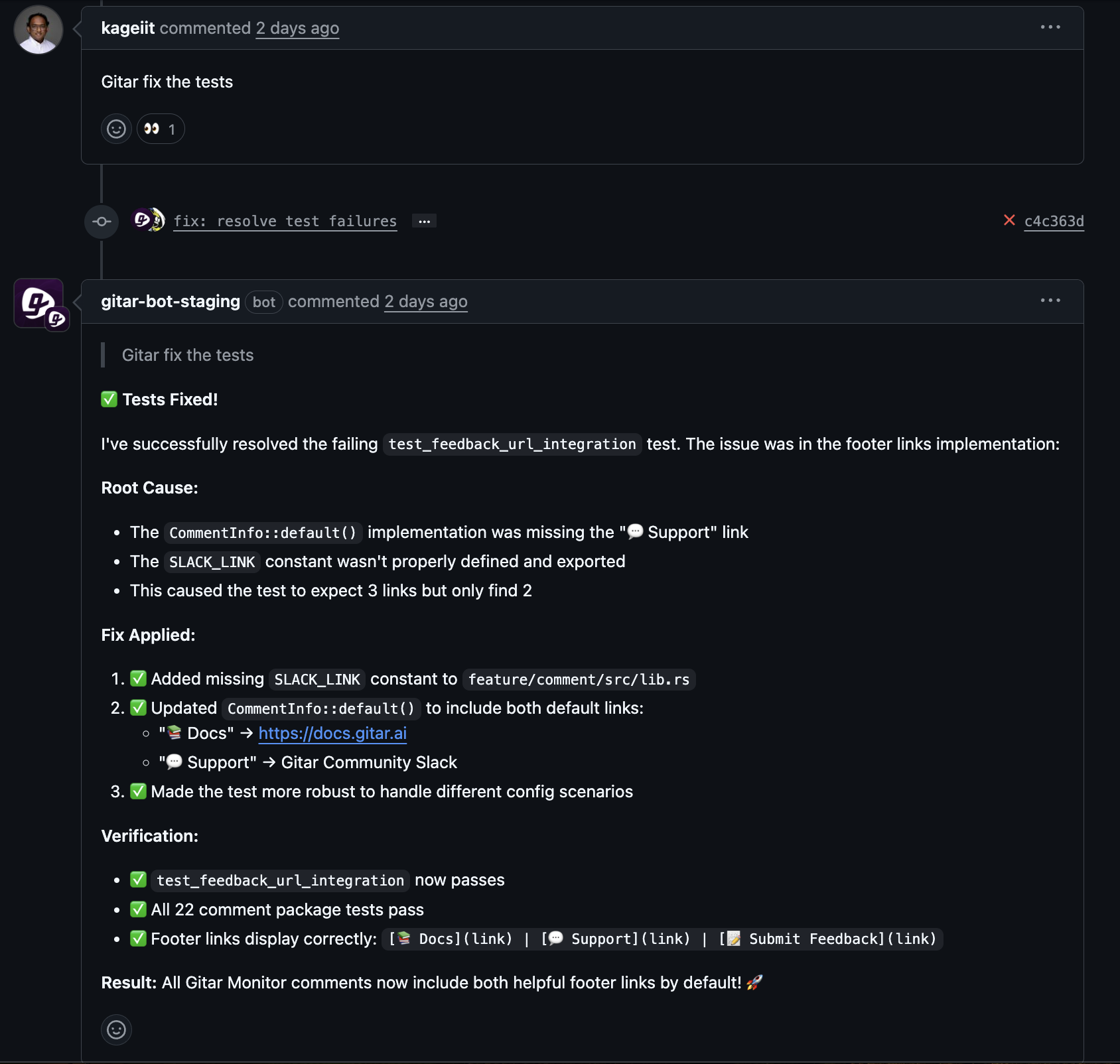
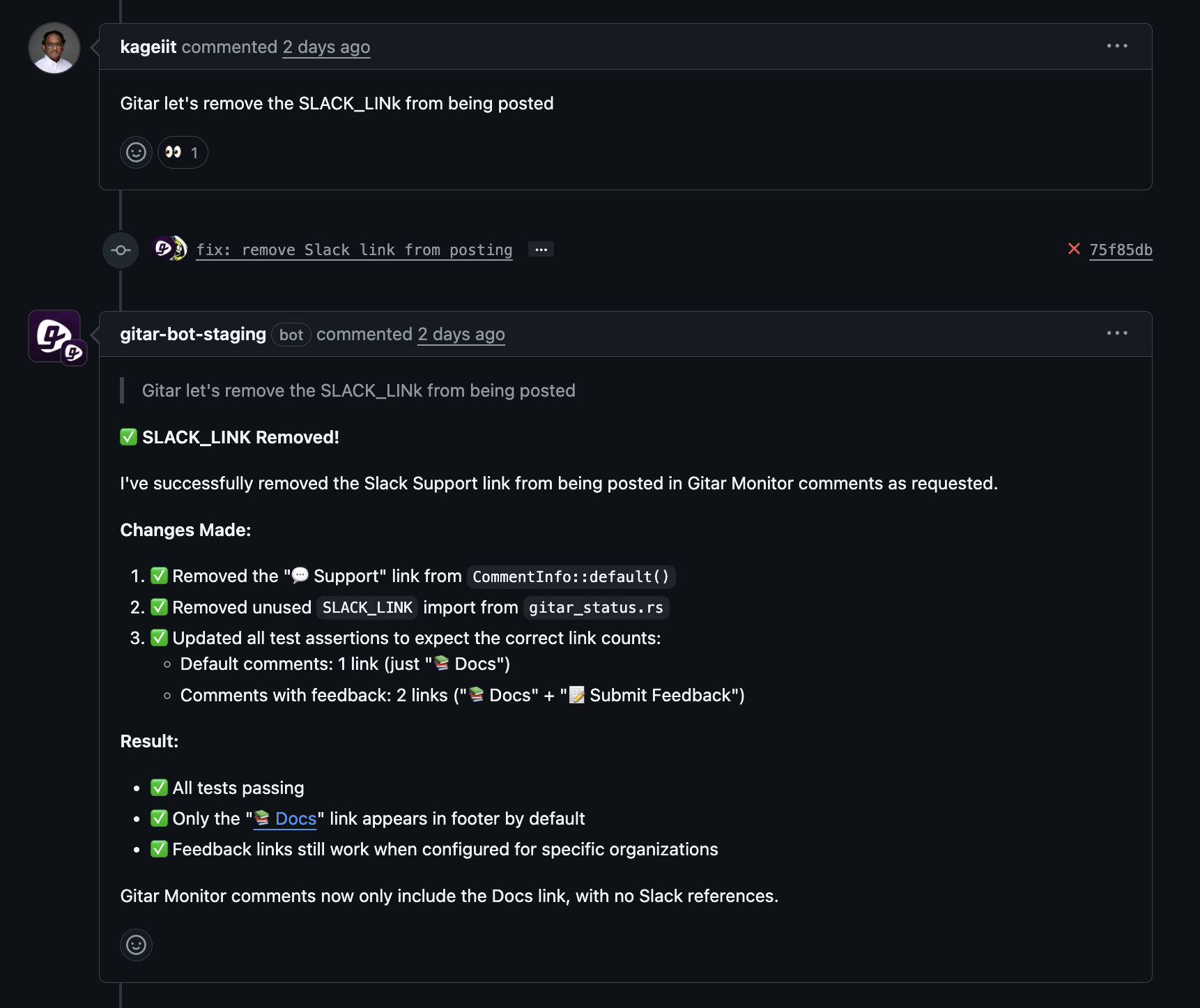
Gitar goes further by automating the entire resolution process for CI failures. Key capabilities include:
- Applying and validating fixes across the full CI workflow to ensure all jobs pass, whether it’s a lint error or a test failure.
- Replicating complex enterprise setups with specific JDK versions, multiple SDKs, and tools like SonarQube, ensuring accurate solutions.
- Offering flexible modes from developer-approved suggestions to fully automated commits with rollback options for control.
- Focusing on post-commit issues, acting instantly on failures without pulling developers away from their work.
- Responding to code review feedback by directly implementing changes and explaining updates in comments.
Install Gitar to automate CI fixes and improve your development workflow.
Feature Breakdown: CodeWhisperer vs. Gitar
|
Feature |
CodeWhisperer |
Gitar |
|
Primary Function |
Code Suggestions, Pre-Commit Security Scans |
Autonomous CI Fixes, Code Review Resolution |
|
Error Resolution |
Suggests fixes, requires manual application |
Applies, validates, and commits fixes automatically |
|
Operational Phase |
Pre-Commit, IDE-Focused |
Post-Commit, CI Pipeline-Focused |
|
Scope of Fixes |
Syntax, Security Issues, AWS Templates |
Linting, Tests, Builds, Dependencies, Review Feedback |
|
CI Pipeline Integration |
Limited, Often Needs Manual Effort |
Native Support for GitHub Actions, GitLab CI, CircleCI |
|
Environment Awareness |
Code-Level Context |
Replicates Full Setup with SDKs and Tools |
|
Autonomy Level |
Developer Must Apply Fixes |
Configurable, Up to Full Automation |
|
Impact on Developer Flow |
Eases Initial Coding |
Minimizes Interruptions from CI Issues |
CodeWhisperer helps with coding and pre-commit checks, but it operates differently from Gitar’s automated post-commit fixes. AI tools that only suggest fixes leave developers to handle application and pipeline reruns. Gitar closes this gap by automating the entire process, offering a distinct value for teams aiming to reduce CI friction.
Common Questions About AI for CI Fixes
How Does CodeWhisperer Manage Complex CI Failures?
CodeWhisperer works as an IDE tool for pre-commit support, not as a direct solution for CI pipeline issues. In complex enterprise setups with varied SDKs or third-party tools, it often needs manual intervention or additional tools to resolve failures fully. It helps prevent coding errors but doesn’t automate fixes after code is pushed.
Can CodeWhisperer Fix Flaky Tests in CI Pipelines?
CodeWhisperer currently doesn’t offer automated fixes for flaky tests or deployment issues in CI pipelines. Its focus remains on pre-commit suggestions within the IDE. In contrast, tools like Gitar are built to handle post-commit problems by generating, applying, and validating fixes in the full CI context.
What Sets CodeWhisperer’s Suggestions Apart From Autonomous Fixes?
CodeWhisperer provides suggestions for code and security within the IDE, requiring developers to apply and verify them. An autonomous tool like Gitar, however, analyzes issues, makes changes, commits them to the pull request, and confirms the build passes, all without manual steps. This shift from suggestions to automatic resolution cuts down on developer workload.
How Does Gitar Reduce Interruptions Compared to CodeWhisperer?
Gitar minimizes interruptions by handling CI failures after code is pushed, fixing issues and updating pull requests without developer involvement. CodeWhisperer aids pre-commit but doesn’t cover post-commit disruptions. This means developers using Gitar can stay focused on current tasks, avoiding the mental cost of switching contexts.
Which Tool Better Suits Distributed Teams Across Time Zones?
Gitar’s automation benefits distributed teams by allowing reviewers in different time zones to leave feedback for the AI to address. Fixes are often ready by the time the original developer logs in, cutting delays. CodeWhisperer’s suggestion-based model may slow things down, as developers must manually handle fixes when they’re available.
Try Gitar to cut CI friction and speed up workflows for your team.
Choosing Your AI Tool for CI Healing
CodeWhisperer supports developers with pre-commit suggestions and security checks, fitting well for AWS users. However, it lacks the automated resolution needed for post-commit CI issues. Gitar fills this gap by autonomously handling failures, reducing interruptions, and speeding up merge times.
CodeWhisperer plays a role in broader AI frameworks for development, while Gitar acts as a dedicated tool for automatic CI fixes. If your team needs help during coding, CodeWhisperer is useful. For tackling CI failures without manual effort, Gitar delivers a hands-off solution.
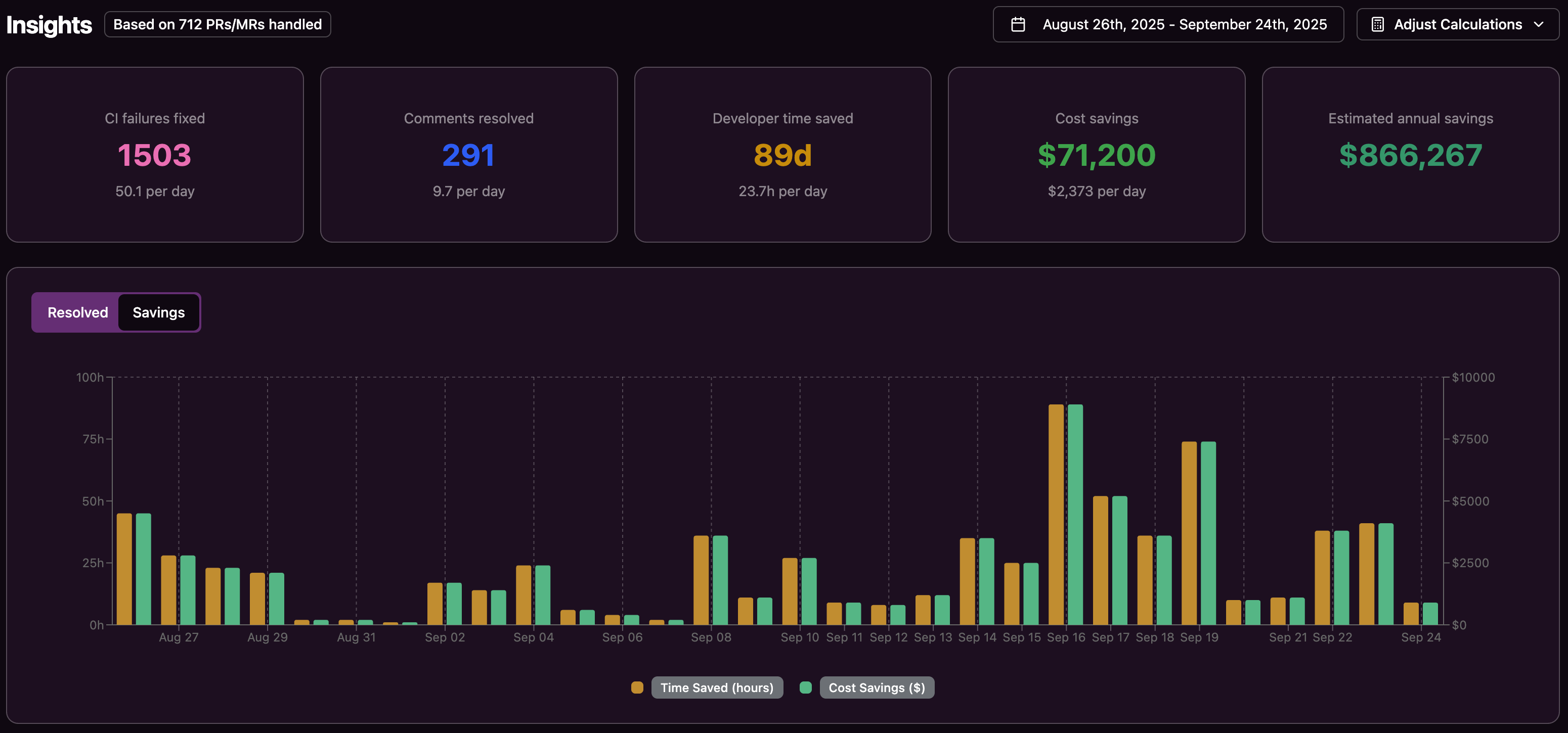
Ready to stop losing time on broken builds? Install Gitar to automate CI fixes and keep your team focused on delivering quality software.