
Key Takeaways
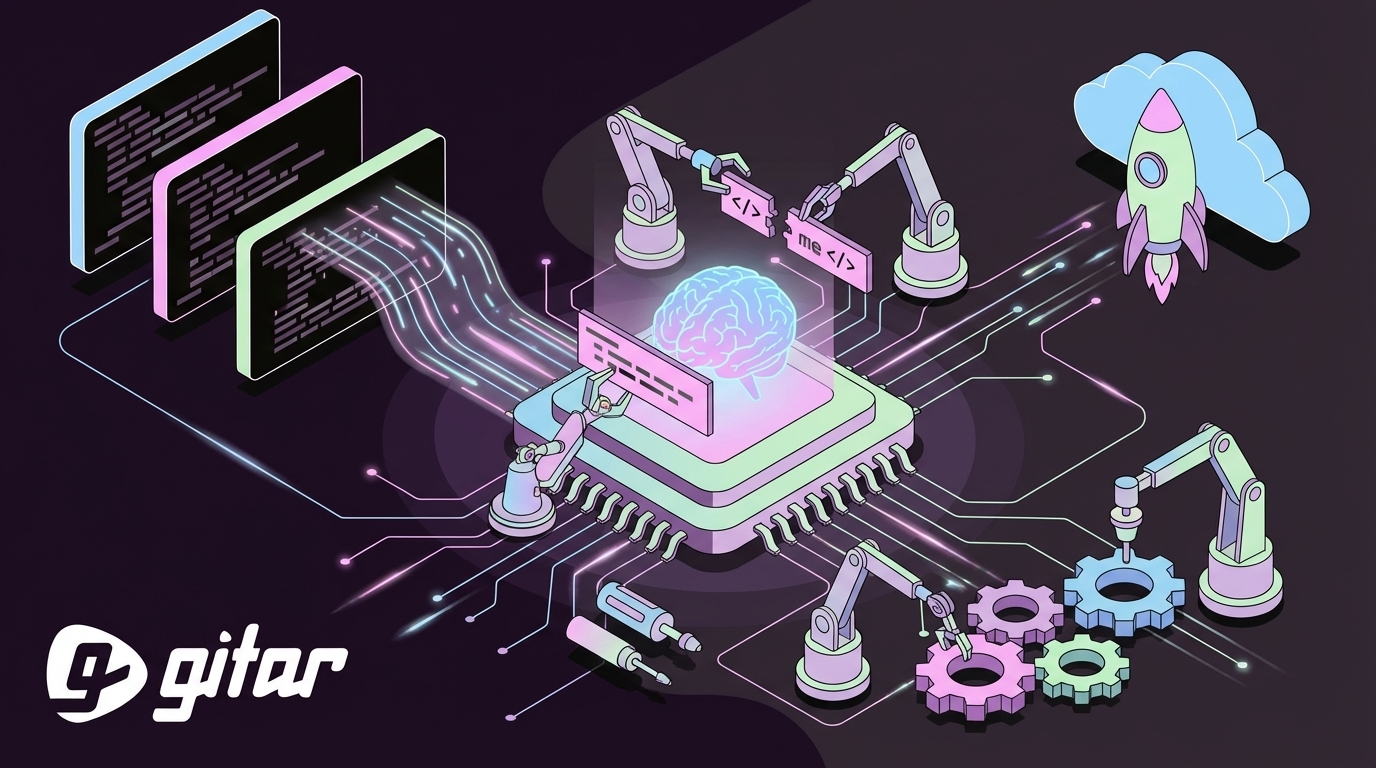
- Intelligent automation tools help CI/CD pipelines move from basic issue detection to automatic remediation, reducing backlog and manual toil.
- Automated fixes shorten release cycles by cutting time to merge and limiting interruptions to developer workflows.
- Reduced context switching supports deep work, improves developer morale, and lowers the hidden cost of recurring CI issues.
- Autonomous remediation improves software quality and delivery reliability by handling failures early and consistently.
- Teams can adopt intelligent CI/CD automation today with Gitar, which automatically fixes broken builds and CI failures in existing pipelines; install Gitar to start using autonomous CI fixes.
1. Reduce Productivity Loss with Proactive, AI-Driven Remediation
Traditional CI/CD processes often stop at identifying issues such as failing builds or code review feedback. This lack of automated remediation creates a backlog of productivity debt and delays feature delivery.
Modern intelligent automation tools address common issues such as linting errors, test failures, and build problems before they slow down development. These systems process pipeline data in real time, identify blockers, and apply standard fixes without waiting for manual intervention.
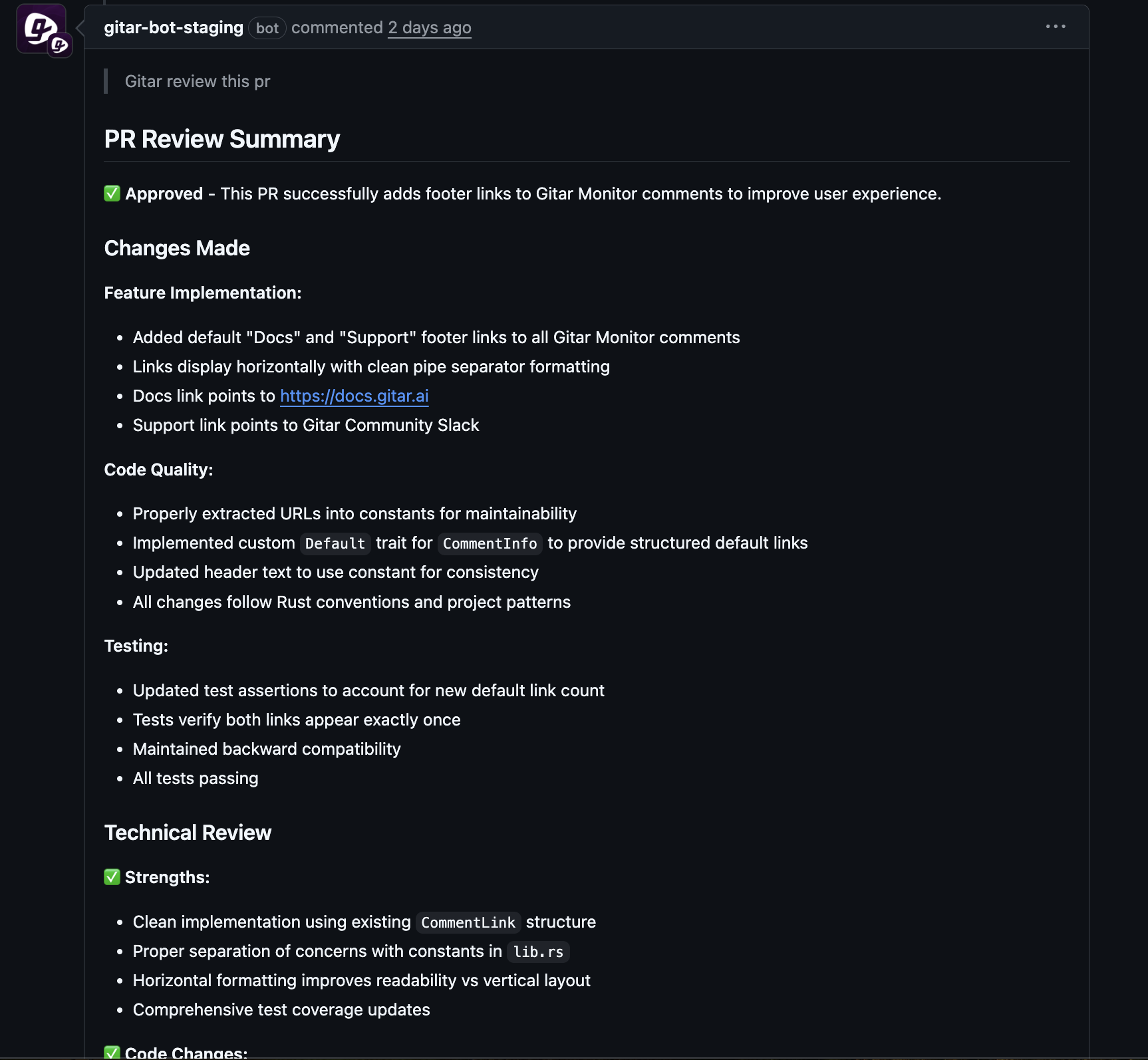
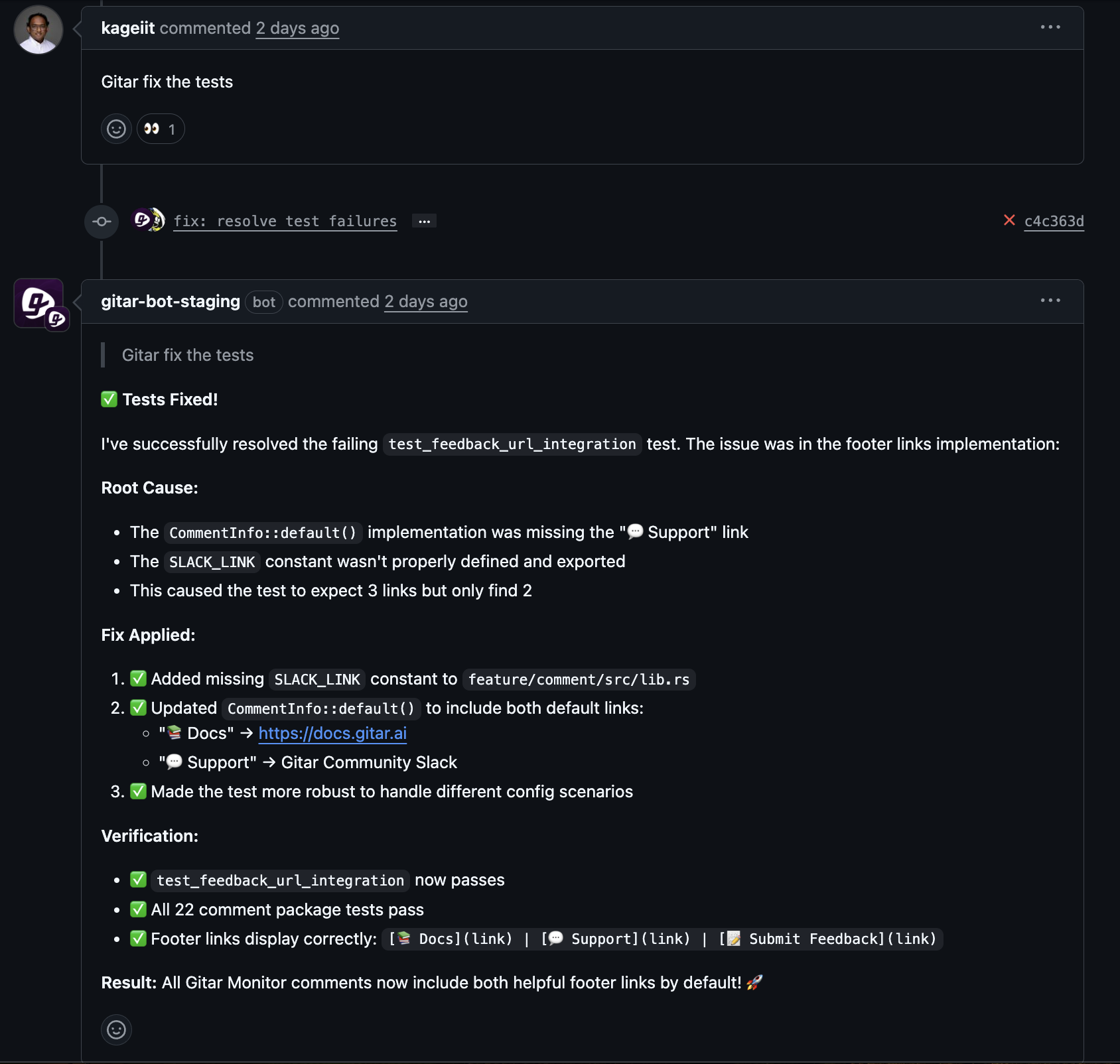
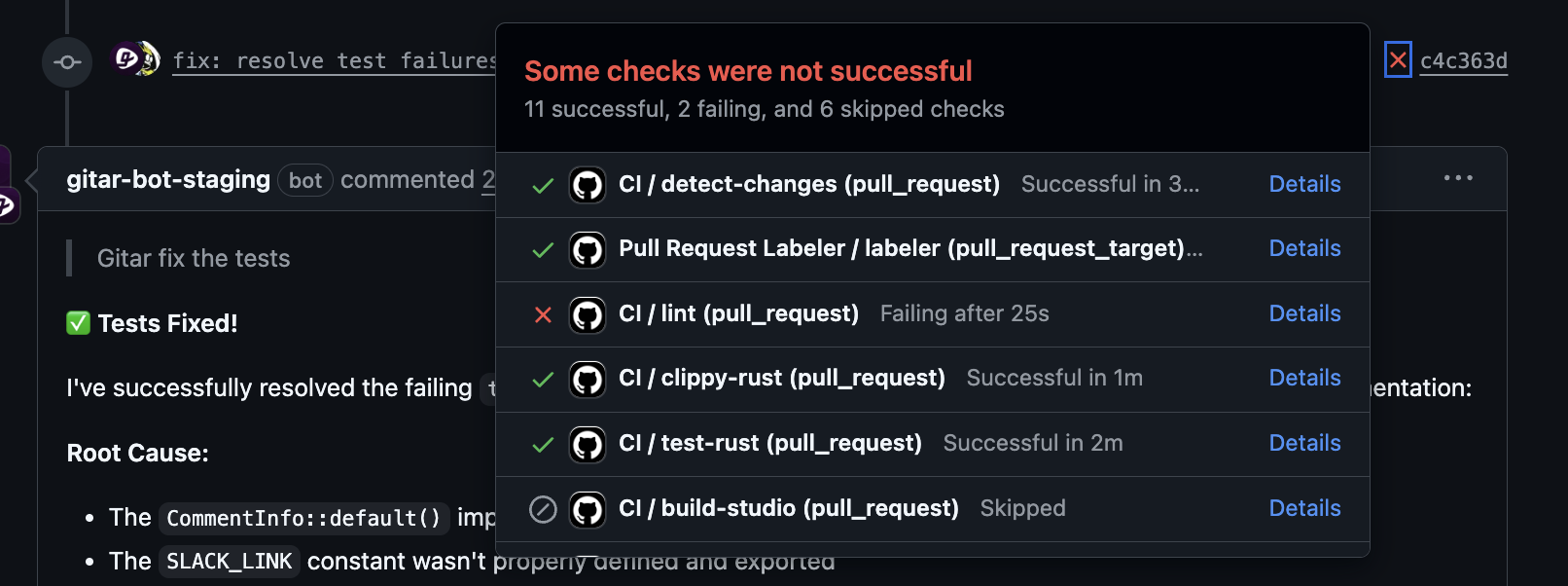
Gitar applies this model directly to CI failures. When a CI pipeline fails, Gitar’s autonomous AI agent analyzes the failure, generates a targeted code fix, and commits it to the pull request branch. This behavior keeps builds green and prevents small issues from compounding into larger productivity losses. Install Gitar to automatically fix broken builds and keep your CI pipelines unblocked.
2. Accelerate Release Cycles by Automating Fixes
Manual remediation creates bottlenecks in CI/CD pipelines and slows releases. Each broken build or failed test requires a developer to pause their work, investigate the issue, and apply a fix, often hours after the failure occurred.
Intelligent automation tools reduce this delay by automating the fixing process inside existing workflows. These tools apply consistent patterns across languages and frameworks, so developers spend less time on repetitive diagnostics and more time on feature work.
Gitar supports this outcome by turning many CI interruptions into hands-off tasks. The system reviews failures, prepares code changes, validates them, and commits fixes, which keeps pull requests moving toward merge with less human involvement. Developers can spend up to 30% of their time dealing with CI issues, and automated remediation directly reduces this overhead.
3. Maintain Developer Flow and Reduce Context Switching
Frequent context switching erodes developer productivity. Each time a developer leaves deep work to fix a CI failure or address minor review feedback, they lose time both to the task and to regaining focus afterward.
Intelligent automation tools handle many of these interruptions in the background. Automated systems apply clear, traceable fixes and often resolve issues before the original author returns to the pull request.
Gitar fits into this pattern by resolving CI failures and many review-driven changes without disrupting the developer’s current work. The fire and forget ideal for submitting a pull request remains rare, and even a simple CI issue that takes 30 minutes to fix can cost an hour of productive time once context switching is included. Automated remediation helps teams recover a large share of that lost focus.
4. Improve Cost Efficiency and Resource Allocation
Manual CI/CD remediation consumes expensive engineering time. Every broken build, flaky test, or minor style issue resolved by a senior engineer represents avoidable cost.
Intelligent automation tools reduce this waste by taking on repetitive and well-understood classes of problems. Over time, the cumulative savings become substantial, especially for larger teams running many pipelines each day.
For a team of 20 developers, time lost to code reviews and CI failures can add up to roughly one million dollars per year in reduced productivity. Intelligent automation tools address this loss directly by cutting time spent on routine fixes and reallocating effort toward higher impact work.
5. Enhance Software Delivery Quality and Reliability
Autonomous remediation does more than clear individual failures. Continuous, automated fixes improve the overall quality and predictability of software delivery by catching and resolving issues early in the pipeline.
Teams gain more consistent adherence to standards, fewer last-minute release surprises, and better visibility into recurring sources of failure. Automation also reinforces good practices by applying them the same way each time.
Modern platforms combine diagnostics, insights, and remediation in one feedback loop. This pattern supports stable release cadences and strengthens development processes over time as the system learns from each resolved incident.
Use Gitar for Intelligent CI/CD Automation
Gitar provides an autonomous layer for CI/CD remediation that fits into existing workflows and tools. Teams can choose how much control to delegate while keeping developers in the loop for important decisions.
- End-to-end fixing: Gitar does more than suggest changes and can autonomously apply, validate, and commit fixes in response to CI failures.
- Environment replication: The system supports complex CI setups with specific dependencies, tools, and SDK versions to keep fixes accurate.
- Configurable trust model: Teams can begin with suggestion-only modes and progress to automatic commits as confidence grows.
- Developer oversight: Developers remain in control of policies and can review changes, adjust settings, or roll back as needed.
- Cross-platform support: Gitar works with GitHub Actions, GitLab CI, CircleCI, Buildkite, and other popular CI systems.
Comparison: Gitar vs. Traditional CI/CD Fix Methods
|
Feature |
Gitar (Autonomous AI) |
AI Code Reviewers (e.g., CodeRabbit) |
Manual Work (Status Quo) |
|
Issue remediation |
Automates fixes with validation |
Provides inline reviews with one-click fixes |
Requires manual diagnosis and fixing |
|
CI pipeline integration |
Context-aware and responsive to CI failures |
Offers inline reviews and committable fixes |
Introduces frequent context switching |
|
Developer flow |
Maintained, because many fixes happen autonomously |
Partially maintained, with reduced context switching |
Often disrupted by firefighting |
|
Environment support |
Replicates full enterprise environments |
Clones repositories and configures basic build environments |
Depends on each developer’s local setup |
|
Cost and time overhead |
Lower ongoing remediation cost |
Reduced cost compared with fully manual work |
High, due to repeated manual effort |
Frequently Asked Questions (FAQ) about Intelligent Automation Tools
Q1: How does intelligent automation differ from traditional CI/CD tools?
Traditional CI/CD tools focus on building, testing, and deploying code but stop at reporting failures. Intelligent automation tools such as Gitar extend this flow by analyzing failures, generating code fixes, and applying them inside the pipeline. This shift turns CI from passive detection into active remediation and reduces the buildup of unresolved issues.
Q2: Can autonomous intelligent automation solutions handle complex enterprise environments?
Advanced intelligent automation tools can mirror full enterprise workflows, including specific SDK versions, multi-SDK dependencies, and third-party integrations. This capability allows automated fixes to operate reliably even in large, intricate CI setups.
Q3: What if our team is not ready to fully trust automated fixes?
Many solutions, including Gitar, offer configurable modes that allow teams to start conservatively. Teams can begin with suggestion-only behavior, where the system proposes changes for review, then move gradually toward automatic commits once they gain confidence in the results.
Q4: How do intelligent automation tools affect developer productivity and morale?
Intelligent automation tools reduce time spent on repetitive debugging and CI firefighting. Developers spend more time on design and feature work, experience fewer interruptions, and gain a clearer sense of progress, which supports both productivity and job satisfaction.
Conclusion: Streamline Software Delivery with Intelligent Automation
Software teams in 2026 face increasing release pressure and CI complexity, and manual remediation no longer scales with that demand. Intelligent automation tools help teams close this gap by reducing productivity debt, shortening release cycles, and protecting developer focus while also improving delivery quality and cost efficiency.